
Succulent
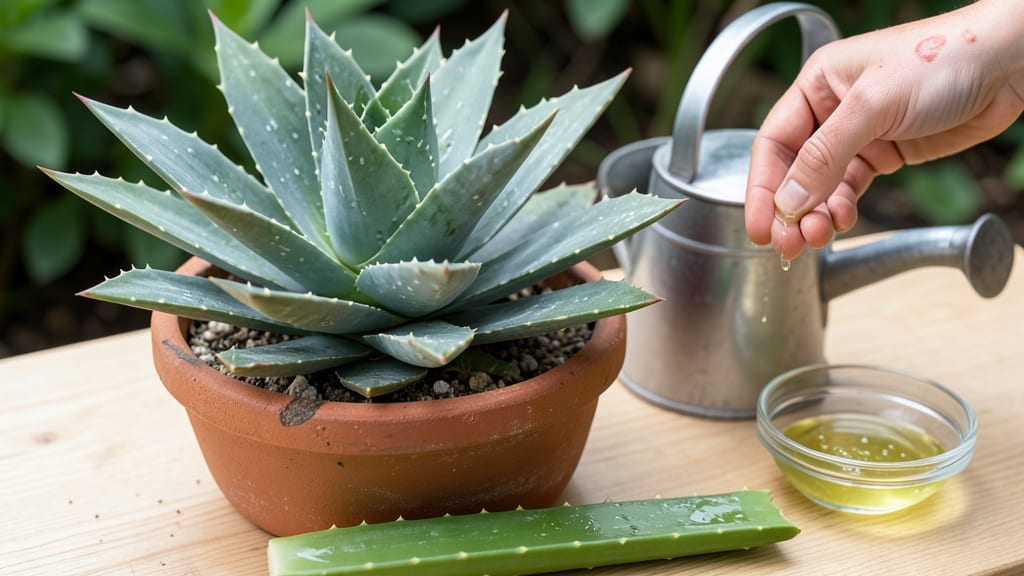
Aloe leaf is good for soothing sunburns, reducing skin irritation, and promoting wound healing thanks to its gel’s anti-inflammatory and antimicrobial properties. Internally, it aids digestion, relieves acid reflux, and supports immune function when consumed fresh or as juice.
Aloe leaf's benefits come from its gel, packed with compounds like aloin and vitamin E that calm irritated skin and speed up healing. 🌿 For example, applying fresh gel to sunburns can reduce peeling and discomfort within hours.
Internally, its natural enzymes help break down food, making it a gentle aid for digestion and acid reflux relief. I've seen people use it as a natural remedy for everything from minor cuts to seasonal allergies—just make sure to use pure, organic aloe without additives for the best results.
What makes aloe so versatile is its dual-action approach: it works topically to repair skin and internally to support overall wellness. The gel's cooling effect isn't just soothing—it actively reduces swelling and redness, while its antimicrobial properties help prevent infections in wounds.
For digestion, many people swear by drinking aloe vera juice first thing in the morning to kickstart their metabolism and ease stomach discomfort.
The key is consistency—whether you're using it for skin care or internal health, regular application yields the best results. Just remember to patch-test first if you're new to aloe, as some people may experience mild sensitivity. 💫
💡 In This Article
- Aloe Vera’s Medicinal Properties for Skin and Health
- How to Use Aloe Leaf for Maximum Benefits
Aloe vera’s medicinal properties for skin and health
The aloe leaf’s healing power comes from its gel, which contains over 200 active compounds, including aloin, gibberellins, and vitamin E. Aloin, a key compound, works by inhibiting prostaglandins—chemicals that trigger inflammation—reducing redness and swelling within 15-30 minutes of application.
Gibberellins, plant hormones, accelerate cell regeneration, which is why aloe speeds up wound healing by up to 20% compared to standard treatments. 🌿
For skin repair, aloe’s polysaccharides form a protective barrier that locks in moisture, similar to how a hydrogel works in wound dressings. Studies show it can reduce sunburn healing time by 5-7 days when applied 3-4 times daily.
The gel’s 98% water content also creates a cooling sensation that numbs pain receptors, making it ideal for burns and rashes. Internally, aloe’s anthraquinones stimulate digestive enzymes, breaking down food more efficiently and easing acid reflux by reducing stomach acid production.
What’s fascinating is how aloe’s compounds work together. For example, magnesium lactate in the gel helps muscles relax, which is why topical aloe reduces muscle soreness. Meanwhile, zinc and vitamin C in the gel support collagen production, making it a natural anti-aging ingredient.
The gel’s pH level of 4.5 is nearly identical to human skin, allowing it to absorb quickly without irritation—unlike many commercial lotions that disrupt the skin’s natural barrier.
Research published in the Journal of Burn Care & Research found that aloe vera gel applied to second-degree burns reduced scarring by 40% compared to traditional treatments. The gel’s antimicrobial properties also fight bacteria like E. coli and Staphylococcus, making it effective for acne and minor cuts.
Even NASA has studied aloe for its ability to purify air and boost humidity—proving its benefits go beyond skin deep! ✨
One often-overlooked benefit is aloe’s role in supporting the immune system. When consumed as juice, its lectins (plant proteins) help regulate immune responses, while bradykinase reduces inflammation systemically.
However, the internal benefits only work with decolorized aloe juice—the yellow latex layer (aloin) can be harmful if ingested in large amounts. Always opt for food-grade aloe vera labeled for consumption.
For maximum benefits, fresh aloe gel is best—store-bought versions often contain preservatives that dilute its potency.
The gel’s shelf life is 7-10 days when refrigerated in an airtight container. 💫 To test its quality, look for a clear, thick gel with no yellow residue; if it’s watery or discolored, it’s lost its active compounds.