
Blooming
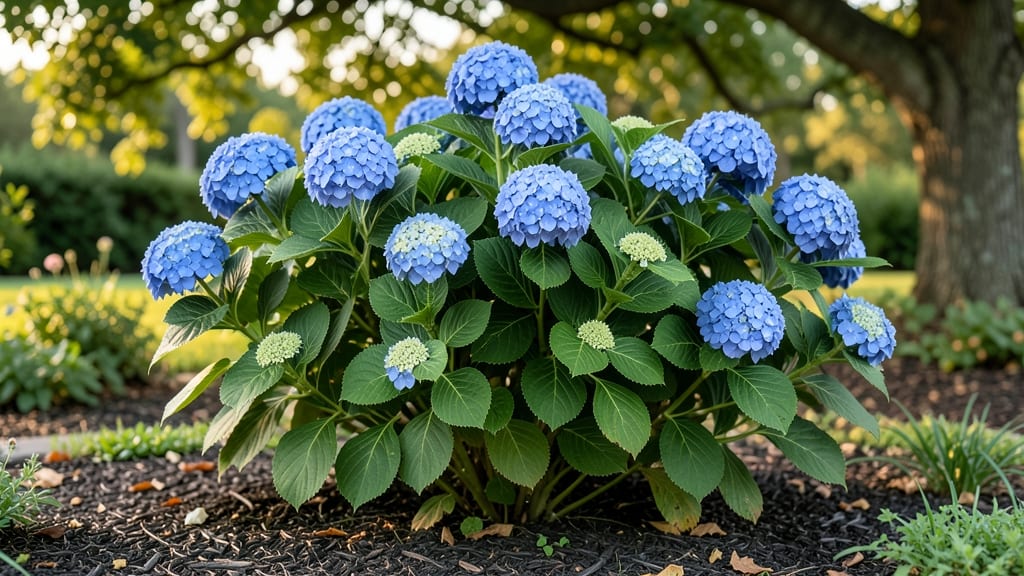
Bigleaf hydrangeas bloom between late spring and summer 🌸, but the exact timing depends on your climate, variety, and a few key care tricks you might be missing.
Picture this: you’ve been waiting all winter for those vibrant blooms to appear, only to find your hydrangeas still holding tight to their buds when your neighbors’ are already in full color.
It’s frustrating, but the secret lies in understanding your zone, variety, and how to nudge the schedule just right.
In cooler zones like 6a, blooms often arrive in June, while warmer regions may see them as early as May. Some varieties, like ‘Endless Summer,’ even rebloom later in the season with the right pruning.
Below, I’ll break down the exact windows by zone, the top varieties for extended blooms, and the simple adjustments that can push your hydrangeas into peak season faster.
Ready to turn your garden into a showstopper? Let’s dive into the timing, tricks, and troubleshooting so you’re never left waiting another season.
Bigleaf hydrangea bloom times by US hardiness zone
Bigleaf hydrangeas (Hydrangea macrophylla) are famous for their stunning, color-changing blooms—but their bloom timing shifts dramatically depending on your USDA hardiness zone.
In cooler zones (Zones 3-6), you’ll often see blooms arrive as early as late May, while warmer zones (Zones 7-9) may enjoy flowers from March through July. Understanding these patterns helps you choose the right variety and adjust care for your climate.
For example, ‘Nikko Blue’ typically blooms in early summer across most zones, but in Zone 9, it might start as early as February if winter isn’t harsh.
Meanwhile, ‘Endless Summer’—a popular reblooming variety—adapts better to Zones 4-9 by producing flowers on old and new wood, extending its season. Your zone’s last frost date is your best clue for predicting when buds will swell.
The summary-table below breaks down bloom windows by zone, highlighting how to adjust pruning, fertilizing, and watering for each climate.
For instance, gardeners in Zone 5 should prune in early spring to avoid cutting off next year’s blooms, while Zone 8 gardeners can prune lightly after blooming to encourage reblooming.
In Zones 3-4, where winters are harsh, bigleaf hydrangeas often bloom later because they need to wait for soil temperatures to warm. These zones benefit from early-season varieties like ‘Annabelle’, which produces white blooms reliably despite cooler temps.
To encourage earlier blooms, plant in a south-facing spot with morning sun and use black plastic mulch to warm the soil faster.
Gardeners in Zones 5-6 have the advantage of a longer bloom season if they choose reblooming varieties. For example, ‘Endless Summer’ can produce flowers from June through September if you prune correctly.
The trick? Cut back old wood in late winter and avoid heavy pruning of new growth in summer, which can reduce next year’s blooms.
Warmer Zones 7-9 often see earlier blooms because the last frost arrives much sooner. However, these zones also risk heat stress, which can cause buds to drop. To combat this, provide afternoon shade and keep soil consistently moist but not soggy.
In Zone 9, where winters are mild, hydrangeas may bloom year-round if conditions are ideal, but they’ll still need a cooling period to set buds for the next season.
Soil pH plays a surprising role in bloom timing. In acidic soil (pH 5.0-5.5), bigleaf hydrangeas tend to produce blue blooms and may bloom slightly later. To shift colors to pink or purple, amend soil with lime (to raise pH).
Test your soil in early spring and adjust 2-3 months before you expect blooms to appear for the best results.
If you’re in a transition zone (e.g., Zone 6b), pay attention to microclimates in your yard. A north-facing wall can delay blooms by 2-3 weeks compared to a south-facing border.
Use this to your advantage: plant late-blooming varieties like ‘You & Me’ in cooler spots and early bloomers like ‘Nikko Blue’ in sunnier areas for a staggered display.
Finally, don’t forget that pruning timing directly impacts bloom windows. In Zones 3-6, prune in late winter or early spring to avoid cutting off next year’s flower buds. In Zones 7-9, you can prune after blooming to encourage reblooming. Always use clean, sharp shears and remove
Top 5 bigleaf hydrangea varieties ranked by bloom season
Choosing the right bigleaf hydrangea variety means knowing when they bloom and how long their show lasts. Some varieties burst into color in early summer, while others linger into fall—each offering a unique seasonal advantage. If you’re planning your garden layout, timing matters just as much as color! 🌸
Most bigleaf hydrangeas bloom on old wood (last year’s growth), but a few rebloom on new wood, giving you multiple bloom cycles.
Below, I’ve ranked the top 5 varieties by their bloom windows, color trends, and reblooming habits to help you pick the perfect fit for your garden’s schedule. ✂️
‘Endless Summer’ tops the list for its reblooming ability, producing flowers on both old and new wood. It blooms from mid-summer to fall, giving you a longer display than traditional varieties. The colors shift from pink to blue based on soil pH—acidic soil turns blooms blue, while alkaline soil keeps them pink. 🌿
‘Nikko Blue’ is a classic with deep blue blooms that appear in late spring to early summer. It’s a one-time bloomer, so prune carefully to avoid cutting off next year’s buds. This variety thrives in cooler climates (zones 5-8) and adds a striking contrast to gardens with lighter flowers. 🌷
For a bold, white statement, ‘Annabelle’ delivers massive sterile blooms from mid-summer to early fall. Unlike many hydrangeas, its flowers don’t produce seeds, making them last longer. It’s also drought-tolerant once established, perfect for low-maintenance gardens. ☀️
‘Limelight’ stands out with its lime-green buds that mature to creamy white by summer’s end. It blooms on new wood, so you can prune it in late winter without missing a beat. This variety is ideal for container gardening and adds a modern twist to traditional hydrangea colors. 🪴
Finally, ‘All Summer Beauty’ lives up to its name with continuous blooms from early summer to frost. Its lavender-pink flowers fade to a soft blush, creating a dreamy, romantic look.
This variety is perfect for gardeners who love extended seasonal interest and don’t want to wait for a single burst of color. 🌻