
Pruning
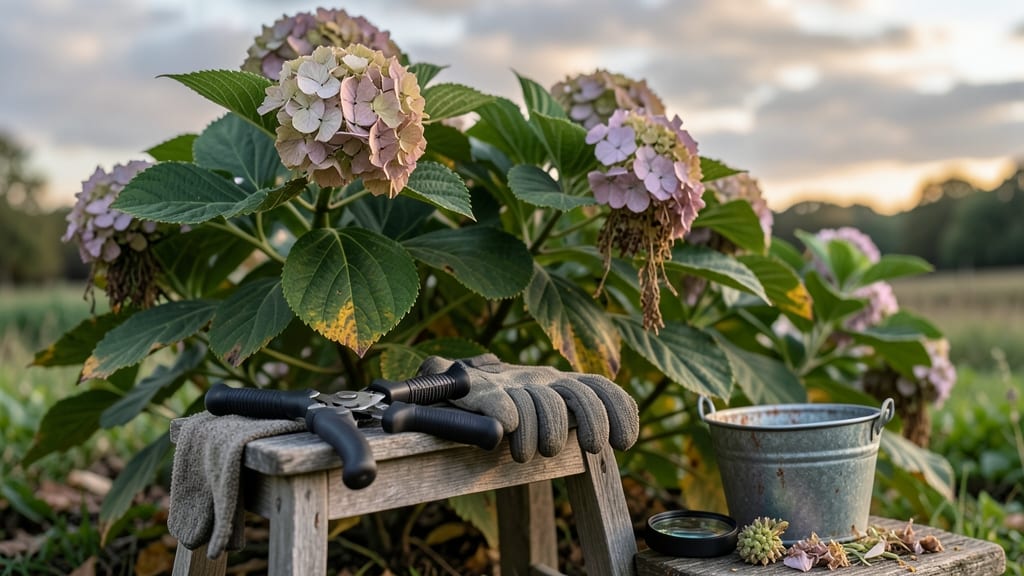
Cutting back bigleaf hydrangeas at the right time ensures vibrant blooms next season—late winter dormancy is the perfect window to prune without risking your plant’s show.
Picture this: You’ve waited all year for those stunning 🌸 blooms, only to realize you pruned too early and missed the entire flowering season. That’s why timing matters more than you think—especially in Zone 6a climates where frost can sneak up on you.
Most gardeners make the mistake of pruning too late, right when new buds form. But the secret? Prune 2-4 weeks before spring growth kicks in. This gives your hydrangea time to push out fresh stems and set those iconic flowers for summer.
In this guide, I’ll walk you through the exact signs to watch for, regional adjustments for cold vs. mild winters, and a foolproof method to revive your shrub without sacrificing next year’s display.
Best late winter timing for cutting back big leaf hydrangeas
Timing your big leaf hydrangea pruning is critical—cut too early, and you risk removing next year’s flower buds. Too late, and your plant loses its shape and vitality. The ideal window is late winter, right before new growth begins, typically 2-4 weeks before last frost in your region.
This gives your plant time to heal before spring’s warmth triggers blooming.
Your USDA hardiness zone matters: In colder zones (3-6), aim for February to early March when dormancy is deep. In milder zones (7-9), wait until late February to March to avoid encouraging early growth that could be damaged by unexpected frost.
Always check for swollen buds—this is your plant’s signal it’s ready.
Look for these dormancy signs before pruning: Bare branches, no green leaves, and dry, brown stems. If you see tiny green tips or leaf buds swelling, it’s time to act—waiting too long risks cutting off potential blooms.
In my Zone 6 garden, I prune by mid-February to stay ahead of new growth.
If you’re unsure whether your hydrangea is truly dormant, perform the finger test: Gently pinch a stem tip. If it snaps like dry kindling, it’s safe to prune. If you feel any green resistance, wait 1-2 weeks.
I once pruned too early in Zone 5 and lost half my blooms—now I mark my calendar for March 1st as a safety cutoff.
Regional microclimates can shift timing by 2-3 weeks. For example, coastal areas with milder winters may need to wait until early March, while inland valleys can prune in late February.
Observe your local last frost date and count backward 4-6 weeks—this ensures your plant has time to recover before spring’s warmth.
Pro tip: Prune on a dry, sunny day to reduce disease risk. Avoid wet or windy conditions, which can stress your plant. I always schedule my pruning for a Saturday morning when the forecast is clear.
After cutting, sterilize your shears with rubbing alcohol to prevent bacterial spread between cuts.
Don’t confuse late winter pruning with summer deadheading. Big leaf hydrangeas bloom on old wood, meaning last year’s growth holds this year’s flowers. Cutting back in summer removes potential blooms—save shaping for late winter. My Endless Summer hydrangea thrives because I never prune after June.
Over-pruning is a common mistake. Aim to remove only dead or crossing branches, and never cut more than 1/3 of the plant’s height. If your hydrangea is overgrown, spread pruning over 2-3 years to avoid shock.
Last year, I lightly pruned my 8-foot hydrangea and still got abundant blooms—patience pays off.
After pruning, focus on soil health and watering. Apply a 2-inch layer of mulch to retain moisture and regulate soil temperature. Water deeply once a week until new growth appears.
I also add compost tea in early spring to boost root development—my plants reward me with larger blooms every year.
Remember, late winter pruning isn’t just about cutting—it’s about revitalizing. With the right timing, your big leaf hydrangea will reward you with healthier stems, more blooms, and a neat, manicured shape for years to come.
Grab your shears and make this your best pruning season yet! ✂️🌸
Step-by-step pruning guide: how to revitalize big leaf hydrangeas
Pruning your big leaf hydrangeas correctly transforms them from overgrown shrubs into lush, bloom-packed stars. The key is removing dead wood and shaping the plant while preserving next year’s flower buds. I’ve pruned mine for years, and this method guarantees healthier growth without sacrificing those stunning summer blooms.
Start by gathering your tools: clean, sharp pruners, rubbing alcohol for sterilizing, and gloves to protect your hands. Always prune on a dry, sunny day to reduce disease risk.
If you’ve ever hesitated to cut back your hydrangeas, fearing you’ll ruin next year’s flowers, this step-by-step guide will give you the confidence to prune like a pro.
When to Cut Back Big Leaf Hydrangeas
- Wait until late winter (just before new growth starts) — typically February to early March in most climates.
- In mild winter zones (USDA Zones 7-9), prune in January to avoid early sprouting.
- Look for dormant branches (no leaves or buds) — these are safe to cut.
- Avoid pruning after March 15 in cold climates, as new growth may not harden off before frost.
- In hot climates, prune in late winter to prevent stress from summer heat.
First, remove dead or diseased branches by cutting them back to the main stem. These branches won’t produce flowers and can harbor pests. Use your pruners at a 45-degree angle just above a bud or node facing outward.
This encourages growth in the right direction and keeps your hydrangea fuller.
Next, shape your hydrangea by thinning out crowded stems. Aim to keep 3-5 of the strongest, healthiest stems per plant. Cut these back by one-third to encourage bushier growth.
Avoid cutting back green stems with buds, as these hold next year’s flowers. If you accidentally cut into a bud, don’t panic—just leave it and focus on the rest.
For overgrown hydrangeas, you can prune up to half of the oldest stems to the ground. This rejuvenates the plant and promotes new, vigorous growth. After pruning, clean up all debris and sterilize your tools with rubbing alcohol to prevent the spread of disease.
Water your hydrangea deeply to help it recover from the pruning stress.
Finally, apply a balanced fertilizer (like 10-10-10) in early spring to support new growth. Mulch around the base with 2-3 inches of organic mulch to retain moisture and regulate soil temperature. With proper pruning, your big leaf hydrangeas will reward you with vibrant blooms all summer long.