
Leaf Blower
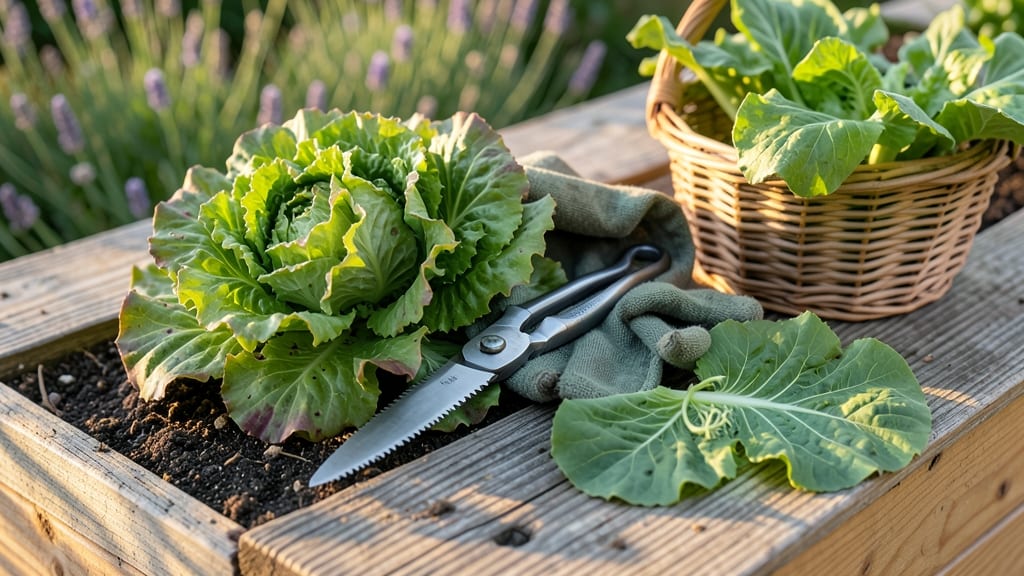
Picking leaf lettuce 🥬 at the right time means the difference between crisp, tender greens and bitter, tough stalks—so timing your harvest is the key to success.
Imagine biting into a salad only to find the lettuce tasting like grass because you waited too long. That’s the risk when you miss the 30- to 45-day sweet spot for most varieties, or ignore the signs of bolting (when the plant goes to seed).
In USDA Zone 6a, the best windows are April–May for spring plantings and September–October for fall harvests. But even within those months, heat or drought can speed up maturity—so checking leaf size and texture is just as important as the calendar.
Here’s how to tell when your leaf lettuce is ready, how to harvest without killing the plant, and what to do if it bolts before you’re prepared. You’ll never waste another crisp green again.


Optimal harvest windows for leaf lettuce by variety and growth stage
Leaf lettuce thrives when harvested at the right stage—whether you're picking tender baby leaves or full-grown mature heads. The timing varies by variety, with heat-sensitive types like Buttercrunch bolting faster than heat-tolerant varieties such as Romaine. Understanding these windows ensures crisp, flavorful greens instead of bitter, tough leaves.
For baby leaves, you can start harvesting as early as 30 days after sowing, while full maturity typically occurs between 45-60 days. The key is to watch for leaf size, texture, and color vibrancy—not just days on the calendar.
Missing this window risks bolting, where the plant sends up a flower stalk, turning leaves bitter and tough.
🚨 Here’s the critical comparison: Different varieties have distinct harvest windows, and knowing them can extend your harvest season by weeks. Below, I’ve broken down the best times to pick common leaf lettuce types, along with signs of overmaturity to avoid.
| Variety | Harvest Window (Days to Maturity) | Baby Leaf Harvest | Full Maturity | Bolting Risk |
|---|---|---|---|---|
| Buttercrunch | 45-55 days | 30-35 days (3-4" leaves) | Soft, buttery leaves (6-8") | High (bolts at 70°F+) |
| Romaine | 50-60 days | 35-40 days (4" leaves) | Tight heads (10-12") | Moderate (tolerates 80°F) |
| Oakleaf | 40-50 days | 28-32 days (3" leaves) | Loose rosette (5-7") | Low (heat-tolerant) |
| Looseleaf (e.g., Black Seeded Simpson) | 35-45 days | 25-30 days (2-3" leaves) | Bushy, open leaves (6-8") | Moderate (bolts at 75°F+) |
🌱 Note: Harvest baby leaves every 7-10 days to encourage regrowth and delay bolting.
For Buttercrunch lettuce, the sweet spot is when leaves reach 4-6 inches and are still tender. If left too long, they’ll develop a woody texture and bitter flavor.
I recommend harvesting outer leaves first, leaving the inner rosette to keep growing. This method can extend your harvest by 2-3 weeks compared to cutting the whole plant.
Romaine lettuce, on the other hand, benefits from a slightly longer growth period. Aim to harvest when the heads are tight but not overcrowded. Overmature Romaine becomes fibrous and less crisp, losing its signature crunch.
A quick test: Squeeze a leaf—if it feels firm yet pliable, it’s ready. If it’s limp or tough, you’ve waited too long.
Oakleaf varieties are my go-to for heat tolerance, as they handle temperatures up to 85°F better than most. Their ruffled, oak-shaped leaves are perfect for picking individually. Start harvesting when leaves are 3-4 inches long and continue every 5-7 days to encourage new growth. Their slower bolting rate means you can push harvests later in the season.
Watch for signs of bolting, like tall flower stalks or leaves curling inward. This happens when days get longer or temperatures rise above 75°F. Once bolting starts, the lettuce’s flavor turns bitter and peppery, making it less ideal for raw salads.
However, you can still use it in cooked dishes or compost it to enrich your soil.
To maximize your harvest, I suggest planting succession crops every 2 weeks in spring and fall. This staggered approach ensures a steady supply of fresh leaves without overwhelming your garden. Pair heat-sensitive varieties like Buttercrunch with shade cloth during hot afternoons to delay bolting and extend the harvest window.
🌿 Pro Tip: Store harvested lettuce in a plastic bag with a paper towel to absorb moisture. This keeps it crisp for up to 10 days in the fridge—far longer than if left unprotected.
How to test lettuce readiness: the 3 key indicators for perfect harvests
Knowing when to pick leaf lettuce transforms your harvest from bland to brilliant. The difference between crisp, tender greens and bitter, woody leaves often comes down to three simple checks.
I’ve learned that skipping these cues can mean sacrificing flavor and texture—so let’s dive into the 3 key indicators that signal your lettuce is ready for the cutting board.
First, focus on leaf size as your primary guide. Most leaf lettuce varieties reach peak flavor when outer leaves grow to 4-6 inches long. This size ensures they’ve developed enough flavor without becoming tough.
Smaller leaves may lack depth, while larger ones risk bolting—especially in hot weather. I always check the largest outer leaves first, as they mature faster than the inner ones.
- 1 Leaf Size: Outer leaves reach 4-6 inches (harvest baby leaves at 3-4 inches for tender greens)
- 2 Stem Thickness: Base stems feel firm but pliable (thick stems = woody texture; thin = underripe)
- 3 Texture: Leaves are crisp but bendable (limp = overwatered; tough = overmature)
Next, examine the stem thickness at the leaf base. The perfect stem should feel firm but not woody. If you’re pinching a thick, fibrous stem, your lettuce has overstayed its welcome. On the flip side, stems that feel too thin or rubbery mean the leaves aren’t fully matured yet.
I’ve found that Romaine lettuce often has slightly thicker stems than Buttercrunch, so adjust your expectations based on the variety you’re growing.
Texture is where many gardeners trip up. Your ideal lettuce leaf should be crisp yet bendable—like a fresh salad mix. If leaves feel limp or soggy, they’re either overwatered or stressed by heat. Conversely, leaves that feel tough or leathery have passed their prime.
To test, gently pinch a leaf between your fingers; it should give slightly without breaking. This crispness is your golden ticket to restaurant-quality flavor at home.
Here’s a bonus tip I learned the hard way: harvest strategically to prolong your lettuce’s life. Instead of pulling the whole plant, use clean sharp scissors to snip outer leaves 1 inch above the base.
This encourages the inner leaves to grow larger, giving you weeks of continuous harvests from a single plant. Just avoid cutting into the inner heart if it’s still compact—this prevents the plant from regenerating properly.
Finally, watch for color consistency as a secondary cue. Vibrant, even coloring (deep green for Romaine, lighter green for Butterhead) signals readiness. Uneven or pale hues often mean the plant is struggling—whether from nutrient deficiencies, overcrowding, or heat stress.
If you spot yellowing or brown edges, address the issue before harvesting. Remember, a little morning shade in hot climates can keep your lettuce looking its best.
Mastering these 3 key indicators will turn your lettuce harvests from hit-or-miss to consistently delicious. Start checking your plants every 3-4 days once they reach 3 inches tall, and you’ll never miss the perfect window again. Happy harvesting! 🥬✂️