
Trees
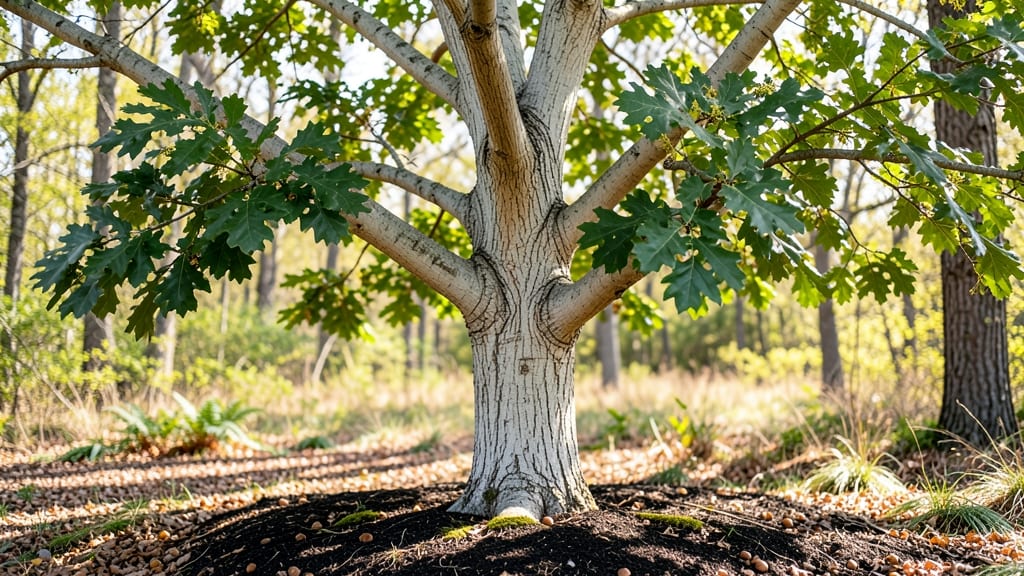
Growing a white oak from a single leaf is easier than you think—this leaf could be the start of a 200-foot shade giant. 🌳 I’ve watched white oak seedlings grow from acorns into towering trees, and the process begins with identifying that perfect lobed leaf with its bristly edges and rounded tips.
The key to success lies in patience and the right conditions: moist, well-draining soil, full sun, and consistent moisture while the roots establish. Unlike fast-growing shade trees, white oaks take time—10-15 years to mature—but their longevity and durability make them worth the wait.
You’ll end up with a tree that provides year-round shade, supports wildlife, and adds timeless beauty to your landscape. The leaves turn a stunning russet in fall, and the bark develops into a rugged, textured masterpiece over decades.
Whether you’re starting from a cutting, seed, or acorn, this guide keeps the process simple and foolproof—no green thumb required. Let’s get those roots growing!
📚 In This Guide
- What you need
- Instructions
- Tips and common mistakes
- Wrapping up and next steps
What you need
- ● White oak acorns or saplings: 1–3 (ensure they’re fresh and disease-free; avoid acorns from urban areas).
- ● High-quality soil mix: 5–10 gallons (compost + loamy topsoil in a 1:2 ratio for acorns; native soil for saplings).
- ● Organic mulch: 2–3 inches (shredded bark or wood chips to retain moisture).
- ● Slow-release fertilizer: 1 lb (balanced 10-10-10 or oak-specific blend).
- ● Watering can or hose with a gentle spray nozzle (1–2 gallons per watering for acorns; deeper soak for saplings).
- ● Trowel or small shovel (for digging acorn planting holes or transplanting saplings).
- ● Garden gloves (to protect hands from thorns and soil).
- ● Pruning shears (sterilized, for shaping young trees).
- ● Measuring tape (to track growth and spacing).
- ○ Optional: Tree collar guard (to prevent girdling from mulch).
- ● Drip irrigation kit (for consistent moisture in dry climates).
- ● Soil pH tester (ideal range: 5.0–7.0 for white oaks).
- ● Sunlight access: Full sun (6+ hours daily) for optimal growth.
- ● Space: Mature white oaks need 60–80 feet of clearance (plant saplings 30+ feet apart).
- ● Climate suitability: Hardy in USDA Zones 3–9 (check local frost dates!).
- ● Patience: Acorns take 10–15 years to mature; saplings grow 1–2 feet/year.
Step-by-step guide for cultivating white oak trees
Growing a white oak from seed takes patience, but these simple steps make it manageable—even for beginners.
🌱 Step 1: Collect and Prepare Acorns
Gather acorns in late fall when they've fallen naturally from mature white oaks. Look for plump, round acorns with smooth caps—these are the healthiest. Avoid any that look shriveled or have holes from insects. Store them in a cool, dry place until you're ready to plant, ideally within a few weeks.
Before planting, soak the acorns in water for 24 hours to soften the shell. This helps break dormancy and encourages faster germination. After soaking, place them in a moist paper towel or sphagnum moss inside a sealed plastic bag. Keep them in a warm spot (65-75°F) for 4-6 weeks until you see tiny roots emerging—this is called "stratification."
🪴 Step 2: Plant the Stratified Acorns
Fill small pots (3-4 inches deep) with a well-draining potting mix (never garden soil—it compacts too much). Plant each acorn about 1 inch deep, with the pointed end facing upward. If the acorn has a cap, leave it on to protect the seed. Water gently until the soil feels damp but not soggy.
Place the pots in a shaded area where they’ll receive indirect light—like under a tree or on a covered porch. Keep the soil consistently moist (not waterlogged) and watch for sprouts in 4-8 weeks. If the soil dries out completely, the acorn may not germinate. This is the most critical phase, so check moisture daily.
☀️ Step 3: Transplant Seedlings to Larger Containers
Once the seedlings reach 6-8 inches tall and have developed 3-4 true leaves, it’s time to move them to bigger pots (5-6 inches deep). Use the same well-draining potting mix and plant them at the same depth they were growing before. Gently firm the soil around the base to stabilize the roots.
Gradually introduce them to more sunlight over 2-3 weeks, starting with 2-3 hours of morning sun and slowly increasing exposure. Avoid placing them in full sun too soon—young oak seedlings can scorch. You’ll know they’re adjusting well when the leaves stay vibrant green and the stems remain sturdy.
✂️ Step 4: Prune and Harden Off for Outdoor Planting
When seedlings are 1-2 feet tall and the weather warms (after the last frost date), it’s time to prepare them for the ground. Prune any weak or crossing branches with clean, sharp pruners to encourage a strong structure. Remove only about 10-15% of the foliage—this helps the tree focus energy on root growth.
Hardening off means slowly acclimating seedlings to outdoor conditions. Start by placing them outside in a sheltered spot for 1-2 hours the first day, then gradually increase their time outside over 10-14 days. Watch for signs of stress like wilting or yellowing leaves—if you see these, move them back indoors for another day before trying again.
🌿 Step 5: Plant Outdoors and Establish Long-Term Care
Choose a permanent spot with full sun to partial shade and well-draining soil. Dig a hole twice as wide as the root ball but no deeper. Gently remove the seedling from its pot, loosen the roots if they’re circling, and place it in the hole so the top of the root ball sits 1 inch below soil level. Backfill with native soil and water deeply.
Mulch around the base with 2-3 inches of organic mulch (like wood chips) to retain moisture and suppress weeds. Water once a week for the first year, ensuring the soil stays moist but not waterlogged. Avoid fertilizing young oaks—they grow slowly and thrive in nutrient-poor soil. In 3-5 years, your white oak will be ready to provide shade for generations.
Tips & tricks for perfect white oak leaf cultivation
These simple strategies will help you avoid common pitfalls and maximize your oak tree's potential from seed to mature shade provider.
Acorn Selection: The healthiest acorns come from mature white oaks—look for ones that are plump, round, and free of cracks or holes. I've learned the hard way that even small imperfections can prevent successful germination. Store them in a paper bag in your refrigerator until ready to plant, as this mimics natural winter conditions and can improve germination rates.
Stratification Success: During the 4-6 week stratification period at 65-75°F, check your sealed bag weekly to ensure the moss or paper towel stays consistently moist. If you notice mold developing, open the bag for a few hours to air it out before resealing. This warm, moist environment is critical for breaking dormancy—don't skip it even if you're eager to see sprouts!
Light Management: When your seedlings reach the 6-8 inch stage, remember that gradual sunlight introduction is key. Start with just 2-3 hours of morning sun and watch for leaf color changes. If you notice yellowing or wilting, immediately move the seedlings back to shade. Oak leaves are sensitive to sudden sun exposure, and this slow acclimation prevents stress that could stunt growth.
Outdoor Transition: The hardening off process is where many beginners make mistakes. I recommend starting with just 1-2 hours outside on the first day, even if your seedlings look strong. This gradual approach builds resilience—you'll know you're doing it right when you see new growth appearing during the 10-14 day period rather than wilting. Keep a journal of your progress to track what works best for your climate.
Pro Tips for White Oak Leaf
- These simple strategies will help you avoid common pitfalls and maximize your oak tree's potential from seed to mature shade provider.
- Acorn Selection: The healthiest acorns come from mature white oaks—look for ones that are plump, round, and free of cracks or holes.
- Stratification Success: During the 4-6 week stratification period at 65-75°F, check your sealed bag weekly to ensure the moss or paper towel stays consistently moist.
Frequently asked questions
Got questions about growing and caring for white oak leaf trees?
You’re in the right place! Here are answers to the most common queries to help you master this stunning shade tree.
How fast does a white oak tree grow?
A white oak grows at a moderate pace—about 12–24 inches per year under ideal conditions. In the wild, it can take 30–50 years to reach maturity (50–75 feet tall). Patience pays off with its long lifespan (200+ years!) and majestic canopy. For faster growth, ensure well-draining soil, consistent watering, and full sun exposure.
Why are my white oak leaves turning brown or yellow?
Brown or yellow leaves often signal stress. Common culprits include:
- Overwatering (root rot risk) or drought (check soil moisture 2–3 inches deep).
- Pests like oak leaf rollers or gypsy moths—inspect undersides for eggs or damage.
- Nutrient deficiency (e.g., iron or nitrogen). Test soil and amend with compost or oak-specific fertilizer.
Prune affected branches in late winter to encourage new growth.
When is the best time to plant a white oak tree?
The optimal window is early spring (March–April) or fall (October–November). This gives roots time to establish before extreme heat or cold. Avoid planting in summer (heat stress) or winter (frost damage). For container-grown saplings, plant on a cloudy day to reduce transplant shock.
Can white oak trees grow in containers or small yards?
While white oaks thrive in open spaces, young specimens (under 5 years) can adapt to large containers (20+ gallons) with well-draining soil. For small yards, choose dwarf varieties (like ‘Brandywine’) or opt for container-friendly alternatives like bur oak or pin oak. Remember: Mature white oaks need 40–60 feet of space for their sprawling roots and canopy.
How do I protect my white oak from deer or rabbits?
Young white oaks are deer magnets! Use these tactics:
- Tree guards: Wrap the trunk with hardware cloth or a plastic tree tube (bury 12 inches deep).
- Repellents: Spray commercial deer repellent (with castor oil or rotten eggs) or use homemade mixes (pepper + water).
- Physical barriers: Plant deer-resistant shrubs (e.g., boxwood) as a buffer.
Reapply repellents every 2–4 weeks or after rain.
Wrapping up and next steps
Growing a white oak leaf-adorned tree isn’t just about patience—it’s a rewarding journey that brings beauty and shade to your landscape for decades. Whether you’re a beginner or a seasoned gardener, mastering these 5 simple steps ensures a thriving white oak that stands the test of time. 🌳✨
Now that you’re armed with knowledge, take the next step—mark your calendar, gather your tools, and plant that acorn or sapling! With care and consistency, you’ll soon be enjoying the majestic, lobed leaves of a white oak, a true symbol of strength and endurance in your outdoor space.