
Pruning
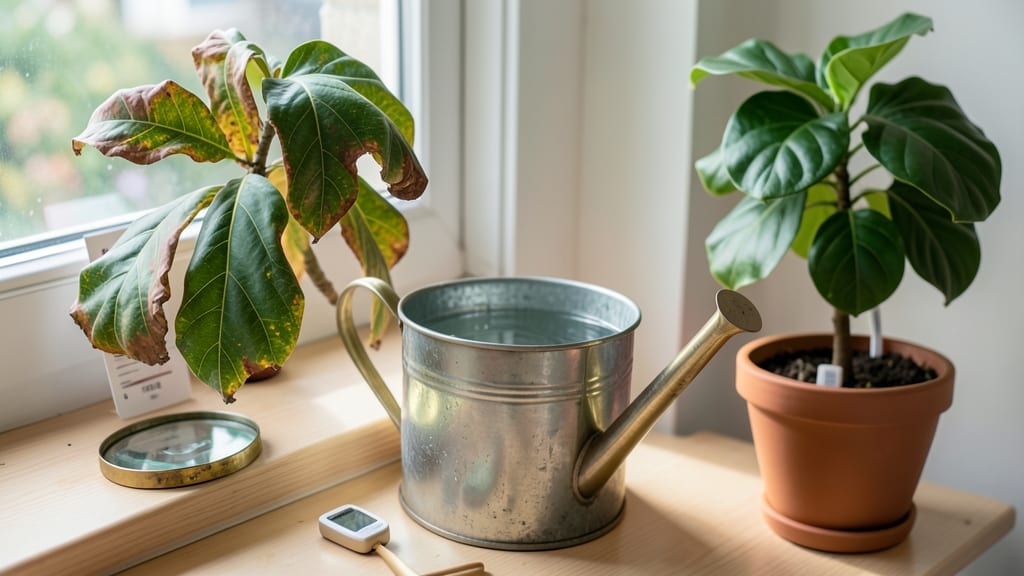
Your fiddle leaf fig’s droopy leaves aren’t a death sentence—just a cry for help. 🌿 The most common culprits are overwatering (leading to root rot) or underwatering (stressing the roots), but pests, low humidity, or even a drafty spot can mimic the same sad droop.
I’ve nursed back more fiddle leaf figs than I’d like to admit, and the fix usually starts with checking the soil and roots—no fancy tools needed.
First, stick your finger 2-3 inches into the soil. If it’s soggy or smells foul, you’ve got root rot. If it’s bone-dry, that’s the problem. The quick fix?
For overwatering, let the soil dry out completely between waterings; for underwatering, give it a deep drink until water runs out the drainage holes. But here’s the game-changer: fiddle leaf figs hate wet feet—always use a pot with drainage and a cache pot underneath to catch excess water.
Long-term, adjust your watering schedule to match the season. In winter, they need far less water than in summer when they’re actively growing. Keep humidity up with a pebble tray or humidifier, and wipe those big leaves occasionally to remove dust (they drink through their leaves too!).
Within 2-4 weeks, you’ll see those leaves perk up again—if not, we’ll dig deeper into root health and repotting.
Prevention is easier than rescue: water only when the top 2 inches of soil are dry, avoid cold drafts, and rotate the plant monthly for even growth. Droopy leaves? They’re just asking for a little TLC—and you’ve got the fix. Let’s get that fiddle leaf fig standing tall again.
📚 In This Guide
- What you need
- Instructions
- Tips and common mistakes
- Wrapping up and next steps
What you need
- ● Watering can (with a narrow spout for precision) – 1
- ● Well-draining potting mix (aim for a blend with perlite, orchid bark, or coco coir) – 1 bag (1–2 gallons)
- ● Pot with drainage holes (terracotta or ceramic, 1–2 sizes larger than the current pot)
- ● Pruning shears or clean scissors (sterilized with rubbing alcohol) – 1 pair
- ○ Moisture meter (optional but helpful) – 1
- ● Fungicide (hydrogen peroxide 3% or copper-based) – small bottle
- ● Gloves (to protect your hands) – 1 pair
- ● Newspaper or tray (to catch mess during repotting) – 1 sheet
- ● Rooting hormone (for propagating cuttings)
- ● Slow-release fertilizer (balanced, 10-10-10 or similar)
- ● Humidity tray or pebble tray (to boost moisture levels)
- ● LED grow light (if your plant lacks natural light)
Step-by-step fixes for reviving a droopy fiddle leaf fig
Let's tackle this common issue—droopy fiddle leaf figs usually mean one of three things, and I’ll walk you through each fix.
💧 Step 1: Check the Soil for Overwatering or Underwatering
Stick your finger 1-2 inches deep into the soil. If it feels damp or sticky, you’re overwatering—the #1 cause of droop. Fiddle leaf figs need well-draining soil and dry top 2 inches before watering again. If the soil is bone-dry, you’ve underwatered, but this is less common since most people err on the side of too much water.
Here’s the trick: Lift the pot. A soggy, heavy pot means it’s waterlogged. If it’s light, the soil needs moisture. Water only when the top 2 inches feel dry—this prevents root rot while keeping leaves perky. I like to water until it drains from the bottom, then dump excess from the saucer after 10 minutes.
✂️ Step 2: Prune Damaged Leaves and Inspect Roots
Snip off any yellow, brown, or mushy leaves with clean pruners. Healthy leaves should be deep green and firm—droopy but still green leaves can recover, but crispy or blackened ones won’t. Pruning encourages new growth and prevents disease spread.
If you’re brave, gently remove the plant from its pot and check the roots. Healthy roots are firm and white, while rotten roots smell foul and turn black/mushy. If you see rot, trim affected roots with sterilized scissors and repot in fresh soil. Real talk: This step can be scary, but it’s the only way to know for sure if root rot is the issue.
☀️ Step 3: Adjust Light and Humidity Levels
Fiddle leaf figs thrive in bright, indirect light—think near a window with sheer curtains. If your plant’s drooping is paired with pale leaves, it’s likely not getting enough light. Move it closer to the window, but avoid direct sun, which scalds leaves. A north- or east-facing window is ideal.
Low humidity (common in homes with heating/AC) also causes droop. Group plants together, use a pebble tray with water underneath, or mist leaves 2-3 times a week. You’ll know humidity is right when leaves stay turgid (firm) and don’t crisp at the edges.
🪴 Step 4: Repot in Fresh, Well-Draining Soil
If the soil is compacted or waterlogged, it’s time to repot. Choose a pot 1-2 inches larger than the current one—bigger pots hold too much moisture and worsen rot. Fill the bottom with a layer of perlite or orchid bark for drainage, then add fresh, well-draining potting mix (a blend for tropical plants works best).
After repotting, water lightly and place the plant in its ideal spot. Avoid fertilizing for 4-6 weeks—stressed roots need time to recover. You’ll see improvement within 2-3 weeks if the soil and light are now just right. If not, revisit Step 1—overwatering is sneaky and often the culprit.
⏰ Step 5: Establish a Watering Routine
Now that you’ve fixed the immediate issues, consistency is key. Water once every 7-10 days in spring/summer and every 2-3 weeks in winter, adjusting for your home’s humidity and light. The soak-and-dry method works best: Water thoroughly until it drains, then wait until the top 2 inches are dry before watering again.
Here’s the thing—fiddle leaf figs are resilient. With the right care, you’ll see new growth within 4-6 weeks. Keep an eye on the leaves: If they perk up but stay slightly droopy, they’re just thirsty. If they crisp or yellow, you’ve got another issue to troubleshoot. But don’t stress—most droopy figs bounce back with these fixes!
Tips & tricks for reviving a droopy fiddle leaf fig
Here’s what nobody tells you—these tricks will help your fiddle leaf fig bounce back faster than you’d expect.
Soil Test Trick: The 10-minute drainage rule is your secret weapon. After watering, let the excess water drain completely from the saucer—this prevents root rot from lingering moisture. I’ve seen plants recover within days just by fixing this one step. If your pot feels heavy after watering, you’re overdoing it.
Root Inspection Shortcut: Don’t be intimidated by checking roots—just remove the plant from its pot and give the roots a quick rinse under lukewarm water. This clears away soil so you can spot rot immediately. Healthy roots should spring back when gently pressed; mushy or black roots need trimming with sterilized scissors.
Light and Humidity Hack: Place your fiddle leaf fig near a north-facing window for bright, indirect light—this is the Goldilocks zone. For humidity, try the "grouping trick": Cluster plants together or place a tray of pebbles with water underneath (but not touching the pot). This mimics their natural tropical environment without buying a humidifier.
Repotting Recovery Tip: When repotting, mix in a handful of perlite or orchid bark into your fresh potting soil—this improves drainage dramatically. After repotting, give your plant a light watering and then wait 3-4 days before watering again. This helps the roots adjust without drowning in fresh soil.
Pro Tips for Why Is My Fiddle Leaf Fig Droopy
- Here’s what nobody tells you—these tricks will help your fiddle leaf fig bounce back faster than you’d expect.
- Soil Test Trick: The 10-minute drainage rule is your secret weapon.
- Root Inspection Shortcut: Don’t be intimidated by checking roots—just remove the plant from its pot and give the roots a quick rinse under lukewarm water.
Frequently asked questions
about why your fiddle leaf fig is droopy—and how to fix it!How often should I water my fiddle leaf fig to prevent drooping?
Water your fiddle leaf fig only when the top 1-2 inches of soil are completely dry—usually every 1-2 weeks. Overwatering is the #1 cause of drooping! Stick your finger in the soil to check moisture levels. If it’s soggy, wait longer. Pro tip: Use a well-draining pot with drainage holes to avoid root rot.
How long does it take for a fiddle leaf fig to perk up after fixing watering issues?
With proper care, you may see improvement in 3-7 days, but severe cases (like root rot) can take weeks to months to fully recover. Trim dead leaves immediately, adjust watering, and keep humidity up with a pebble tray or humidifier. Patience is key—your plant will bounce back!
Can I save a fiddle leaf fig with droopy leaves if the stems are mushy?
If the stems feel soft or squishy, it’s likely root rot—a serious issue. Prune affected areas, repot in fresh, dry soil, and reduce watering. If the roots smell foul or are black/mushy, you may need to propagate healthy cuttings and start anew. Act fast, but don’t lose hope!
What’s the difference between underwatering and overwatering droop?
| Underwatering | Overwatering |
|---|---|
| Dry, crispy leaves; soil pulls away from pot edges | Yellowing leaves; mushy stems; foul-smelling soil |
| Leaves droop but rebound when watered | Leaves stay limp even after watering; wilting spreads |
Fix:
Water deeply (underwatering) or let soil dry out (overwatering). Adjust your routine!
Will misting my fiddle leaf fig help with drooping?
Misting can help with short-term hydration, but it’s not a long-term fix for drooping. Fiddle leaf figs prefer humidity (40-60%), so place a humidifier nearby or use a pebble tray. Focus on soil moisture first—mist only complements proper watering and airflow.
Wrapping up and next steps
A droopy fiddle leaf fig doesn’t mean it’s time to say goodbye—it’s often just a cry for help! 🌿 With the right care, your plant can bounce back to its vibrant, healthy self. Start by diagnosing the issue (root rot? under/overwatering?), then adjust your routine with confidence.
Next, take action: trim damaged roots, repot if needed, and monitor watering like a pro. Your fiddle leaf fig will thank you with lush, happy leaves in no time! You’ve got this!