
Leaf Blower
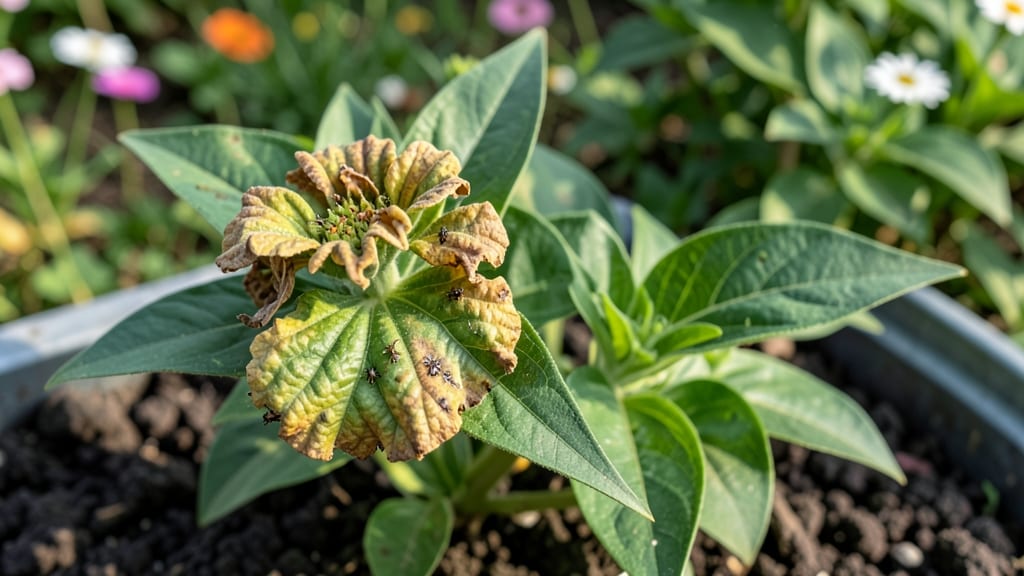
Your zinnias are supposed to be bold and bright—but those crispy, curled edges mean one thing: zinnia leaf curl virus has moved in. 🌿 I’ve seen this ruin entire summer beds, and the good news is you can still save your plants if you act fast.
The bad news? It’s stubborn, and once it’s there, you’ll need to play detective to stop it from spreading.
This virus hitches a ride on tiny whiteflies, turning your healthy leaves into brittle, curled messes within weeks. The first sign is often a single plant with stunted growth and leaves that look like they’ve been crinkled by a careless hand.
By the time you notice it, those whiteflies are already spreading to neighbors—so quick action is your best defense.
You can’t cure infected plants, but you can cut your losses fast. Snip out the worst offenders at the base, then treat the rest with insecticidal soap or neem oil to starve those whiteflies. Rotate where you plant zinnias next year—this virus loves to return to the same spot.
For next season, choose heat-tolerant varieties like ‘Benary’s Giant’ or ‘Profusion’—they’re less appealing to whiteflies. And here’s the secret weapon: yellow sticky traps placed near your zinnias. They catch whiteflies before they even think about your plants. Fast action now means bold zinnias again by summer.
Root Causes Of Leaf Distortion
When your zinnias start showing those telltale signs of leaf curl virus—thickened, twisted leaves with stunted growth—it’s usually the result of a few key factors working together. Understanding these causes is the first step to stopping the spread and reviving your plants. Here’s what’s likely behind the damage:
The primary culprit behind zinnia leaf curl virus is the Begomovirus genus, which spreads almost exclusively through sap-feeding insects like whiteflies, aphids, and leafhoppers. Here’s how it works:
- Whiteflies are the biggest offenders—they inject the virus while feeding on plant sap, then spread it to healthy zinnias as they move between plants. Bemisia tabaci (the silverleaf whitefly) is especially notorious.
- Aphids and leafhoppers also transmit the virus, though less efficiently. Their saliva contains viral particles, which get injected into plant tissues during feeding.
- Mechanical transmission (e.g., pruning tools or contaminated hands) is rare but possible if the virus is present in plant sap.
Actionable fix: Monitor insect populations early in the season. Use yellow sticky traps to catch whiteflies and apply neem oil or insecticidal soap as a preventive spray. 💡 Pro tip: Avoid broad-spectrum pesticides that kill beneficial insects, which can worsen the problem by creating a vacuum for pests.
Leaf curl viruses thrive in hot, humid climates—the same conditions that make zinnias flourish. Here’s why:
- High temperatures (75–95°F) increase insect activity, giving whiteflies and aphids more opportunities to feed and spread the virus.
- Humidity >70% creates ideal conditions for both insects and the virus itself, as moisture helps viral particles survive longer on plant surfaces.
- Poor airflow (e.g., crowded plants or greenhouses) traps heat and humidity, accelerating viral transmission.
Actionable fix:
- Space zinnias 12–18 inches apart for better airflow.
- Water early in the morning to reduce evening humidity around leaves.
- Use shade cloth (30–50%) in peak summer to lower leaf temperatures.
Stressed or compromised zinnias are far more susceptible to viral infections. Common stressors include:
- Nutrient deficiencies (especially potassium or phosphorus): Weak roots and thin leaves make plants easier targets for insects.
- Overcrowding: Competitive plants grow slowly, with softer stems that insects love to attack.
- Fungal or bacterial infections: Damaged tissue provides entry points for viruses.
- Transplant shock: Newly planted zinnias with disrupted root systems are vulnerable.
Actionable fix:
- Fertilize with a balanced 10-10-10 formula at planting, then switch to low-nitrogen, high-potassium (5-10-10) once flowers appear.
- Remove lower leaves that touch the soil to prevent fungal spread.
- Hardening off seedlings 1–2 weeks before transplanting reduces shock.
🔥 Key takeaway: Break the cycle by reducing insect vectors, improving plant health, and controlling environmental conditions. Early intervention is critical—once symptoms appear, the virus is already spreading!
Fixing Crispy Edges Fast
Now that you’ve identified the issue—whether it’s zinnia leaf curl virus, environmental stress, or pest damage—it’s time to act. The good news? Many solutions are simple, cost-effective, and can restore your zinnias to their vibrant best. Below, we’ll break down cause-specific fixes, from immediate remedies to long-term prevention.
If the problem is viral (like leaf curl), do not compost infected plants—burn or dispose of them in sealed bags to prevent spread.
Healthy zinnias nearby may still be at risk, so: - Isolate affected plants at least 10 feet away from others. - Wear gloves when handling them to avoid transferring viruses via tools or hands. - Clean tools with rubbing alcohol after pruning to kill lingering pathogens.
Overwatering or underwatering can cause leaf edges to crisp or curl. Here’s how to fix it: - Check soil moisture by sticking your finger 1–2 inches deep. Water only when the topsoil feels dry. - Water deeply but less often—zinnias hate soggy roots.
Aim for 1–1.5 inches per week, including rainfall. - Improve drainage by amending heavy soil with perlite or sand. A raised bed or container with drainage holes helps too. - Water at the base (not overhead) to reduce fungal risks and evaporation.
> 💡 Pro Tip: Mulch around plants with straw or shredded leaves to retain moisture and prevent soil-borne stress.
Zinnias hate extreme heat or humidity swings, which can scorch leaves.
Try these tweaks: - Provide afternoon shade in hot climates (use shade cloth if temps exceed 90°F). - Space plants 12–18 inches apart for better airflow, reducing humidity-related stress. - Avoid cold drafts—zinnias thrive in 60–75°F and may crisp in chilly nights.
Use row covers if frost is a risk.
Pests like aphids, whiteflies, or spider mites can weaken leaves, making them prone to curling. Here’s how to tackle them: - Spray with neem oil (mix 1 tbsp neem oil + 1 tsp mild soap + 1 quart water) to deter pests.
Reapply every 5–7 days. - Introduce beneficial insects: Ladybugs and lacewings eat aphids naturally. - Prune heavily infested leaves and dispose of them in sealed bags. - For fungal issues (like powdery mildew), spray with a baking soda solution (1 tsp baking soda + 1 quart water + a drop of soap).
Weak zinnias are more susceptible to stress.
Give them a nutrient boost: - Use a balanced fertilizer (10-10-10) at planting, then switch to a low-nitrogen, high-phosphorus formula (5-10-10) when buds form. - Avoid over-fertilizing—too much nitrogen leads to lush leaves but fewer flowers. - Add compost to the soil at planting time for slow-release nutrients.
> ✨ Bonus: A foliar feed (like seaweed extract) can help stressed plants recover faster.
Once your zinnias bounce back, keep them healthy long-term with these habits:
- Rotate crops—don’t plant zinnias (or related plants like marigolds) in the same spot yearly.
- Buy disease-resistant varieties like ‘Benary’s Giant’ or ‘Crystal’ if leaf curl is recurrent.
- Monitor new plants before adding them to your garden—quarantine for 2 weeks to spot issues early.
- Keep your garden clean: Remove weeds and debris where pests/viruses hide.
Final Thought: While viral infections (like leaf curl) have no cure, acting fast on environmental fixes and pest control can save your zinnias and prevent further damage. With consistent care, your plants will reward you with bold, crispy-free blooms in no time! 🌼💥
Frequently asked questions about zinnia leaf curl virus
Can zinnia leaf curl virus spread to other plants in my garden?
Yes, it can spread quickly! This virus is primarily transmitted by whiteflies, aphids, and leafhoppers, which move between plants while feeding. Once infected zinnias show symptoms, remove them immediately and isolate healthy plants at least 10 feet away to prevent cross-contamination. Always clean tools with rubbing alcohol after pruning.
Will pruning infected leaves stop the virus from spreading?
No, pruning alone won't cure infected plants, but it helps contain the spread. Remove entire infected plants at the base to prevent the virus from moving to other zinnias. For nearby healthy plants, focus on controlling whiteflies with neem oil or insecticidal soap to break the transmission cycle.
Are there zinnia varieties that resist leaf curl virus?
Some varieties show better resistance than others. 'Benary's Giant' and 'Profusion' are known for their tolerance to heat and pests, which can reduce susceptibility. For high-risk areas, choose these varieties or consider growing zinnias in containers where you can monitor and control conditions more easily.
How can I tell if my zinnias have leaf curl virus vs. heat stress?
Leaf curl virus causes thickened, curled leaves with stunted growth, while heat stress typically results in yellowing edges or drooping without leaf distortion. Check for whiteflies on undersides of leaves—if present, it's likely viral. Provide afternoon shade if heat is the issue, but remove infected plants immediately if you suspect the virus.
Can I save my zinnias if they already show leaf curl symptoms?
Unfortunately, there's no cure for zinnia leaf curl virus. The best approach is to remove infected plants immediately and focus on protecting healthy ones with yellow sticky traps and neem oil sprays. For next season, practice crop rotation and choose resistant varieties to minimize future outbreaks.