
Leaf Blower
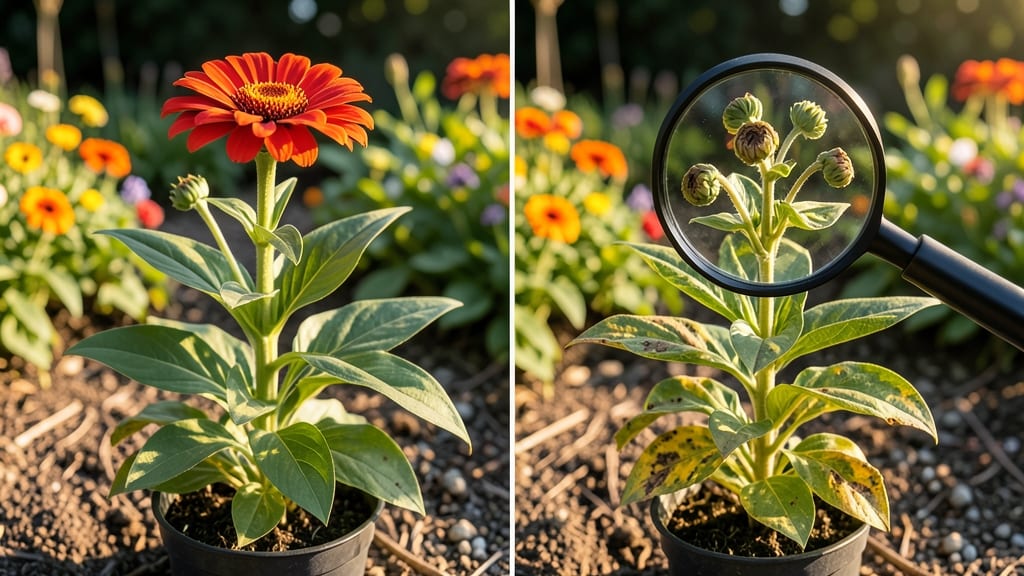
Zinnia leaf curl turns vibrant blooms into a gardener’s nightmare—until you know the copper spray cure. 🌿 I’ve battled this stubborn issue for years, and what started as a patchy problem in my sunflower patch now thrives thanks to a simple, organic solution that works in just 7-10 days of consistent treatment.
The culprit is often a virus spread by aphids or environmental stress, but copper spray disrupts the cycle by preventing fungal and bacterial hitchhikers. You’ll spot the damage first as leaves curl, yellow, or develop puckered edges—classic signs your zinnias are fighting an invisible battle.
The good news? Copper acts as a shield, not just a cure, so once you apply it, new growth stays crisp and healthy.
Your goal is spotless foliage that supports bigger, bolder blooms—no more hiding yellowed leaves or stunted stems. With the right timing (early morning applications on dry leaves) and a homemade mix of copper sulfate and water, you’ll see leaves unfurl and regain their glossy sheen.
The key is acting fast before the virus spreads to other plants in your garden.
This method works for zinnias, marigolds, and even tomatoes facing similar stress. The copper spray isn’t just a fix—it’s a preventive shield for your entire flowerbed. Let’s get those leaves back to their showstopping green and keep your zinnias blooming all season.
Root Causes Behind Leaf Distortion
When your zinnias start showing signs of leaf curl—think wrinkled, twisted, or stunted foliage—it’s usually a cry for help from your plants. Understanding the why behind this issue is the first step to fixing it.
Below, we break down the most common culprits, backed by science, so you can take targeted action.
One of the most frustrating causes of leaf curl in zinnias is Zinnia leaf curl virus (ZLCV), a plant pathogen transmitted by sap-sucking insects like whiteflies and aphids. This virus belongs to the Begomovirus family and hijacks the plant’s cellular machinery, disrupting normal growth patterns. Here’s how it works:
- Transmission: Infected insects feed on healthy zinnias, injecting viral particles into the plant’s sap. Even a brief feeding session (as little as 10 minutes) can spread the virus.
- Symptoms: Leaves may curl upward or downward, develop yellowing (chlorosis), or exhibit a "cupping" effect. Severe cases can stunt flower production entirely.
- Why it’s tricky: Once a plant is infected, there’s no cure—only prevention. The virus spreads rapidly in warm, humid conditions, making it a major threat in summer gardens.
💡 Pro Tip: If you suspect a viral infection, isolate affected plants immediately to prevent spread. Remove and destroy infected foliage (do not compost it!) and monitor for insect vectors.
Not all leaf curl is caused by pathogens—sometimes, your zinnias are just too hot, too cold, or too thirsty. Environmental stressors can trigger physiological responses that mimic viral symptoms, though without the infectious component. Here’s what to watch for:
| Stressor | How It Causes Curl | Actionable Fixes |
|---|---|---|
| Extreme Heat | High temperatures (>90°F/32°C) can cause protein denaturation in leaf cells, leading to curling as a protective response. Zinnias may also wilt or develop necrotic edges. |
|
| Water Stress | Both overwatering (root rot, oxygen deprivation) and underwatering (cell dehydration) can cause leaves to curl. Overwatering often leads to yellowing, while underwatering results in crispy, brittle edges. |
|
| Temperature Fluctuations | Zinnias thrive in 60-75°F (15-24°C) ranges. Sudden drops below 50°F (10°C) or spikes above 85°F (29°C) can disrupt cell turgor pressure, causing curling as a survival mechanism. |
|
🌡️ Quick Test: If curling appears suddenly after a heatwave or drought, environmental stress is likely. Monitor for other symptoms like wilting or soil issues to narrow it down.
While viruses are the primary culprits behind zinnia leaf curl, pests like aphids, whiteflies, and spider mites can also trigger curling as a secondary response. These insects don’t just spread viruses—they also:
- Sap-sucking damage: Pests pierce plant cells to feed, removing essential nutrients and disrupting hormone balance. This leads to stunted growth and curled leaves.
- Toxin injection: Some pests (like aphids) inject saliva containing enzymes that alter plant cell structure, causing curling or distortion.
- Honeydew buildup: The sticky residue from pests attracts sooty mold, which blocks sunlight and stresses the plant further.
🔍 How to Identify Pest-Related Curl: Check the underside of leaves for:
- Tiny whiteflies (flutter when disturbed).
- Sticky honeydew or black sooty mold.
- Webbing (spider mites) or curled leaf edges (aphids).
💡 Fast Action: Knock off pests with a strong stream of water, then apply neem oil or insecticidal soap for a natural defense. For severe infestations, consider copper-based sprays (like the one mentioned in this article) to deter feeding.
While less common than viral or pest-related causes, nutrient imbalances can also lead to leaf curl. Zinnias are heavy feeders and require a balanced diet to prevent stress responses. The most likely deficiencies linked to curling are:
- Potassium (K): Critical for cell osmoregulation. A deficiency causes marginal scorching and curled leaf tips, even if the rest of the plant looks healthy.
- Magnesium (Mg):strong> Essential for chlorophyll production. Yellowing between leaf veins (interveinal chlorosis) often accompanies curling.
- Calcium (Ca): Poor calcium availability can weaken cell walls, leading to distorted, brittle new growth.
📊 Soil Test Tip: If you suspect a deficiency, conduct a soil test to identify gaps. In the meantime, apply a balanced fertilizer (10-10-10) or Epsom salt (magnesium sulfate) for a quick boost.
Now that you know the why behind zinnia leaf curl, you’re equipped to diagnose—and fix—the problem. The next step? Targeted solutions to restore your zinnias to their vibrant best.
Fixing Leaf Distress Naturally
Zinnia leaf curl may look alarming, but with the right approach, you can restore your plants to vibrant health and prevent further damage. Below are targeted solutions based on the most common causes—viruses, pests, or environmental stress—along with practical steps to turn things around.
If your zinnias are infected with a virus like zinnia leaf curl virus (ZLCV), there’s no direct cure, but you can manage symptoms and prevent spread.
🍳 Remove Infected Plants Immediately
- 🔪 Snip off curled, distorted, or yellowed leaves with clean, sharp scissors.
- 🗑️ Dispose of infected plant debris in sealed bags (do not compost it).
- 🌱 Isolate remaining plants to prevent virus transmission via aphids or contaminated tools.
👨🍳 Boost Plant Immunity
- 💧 Water deeply at the base (avoid overhead watering to deter pests).
- 🌿 Apply compost tea or a balanced fertilizer (10-10-10) to strengthen foliage.
- 🌞 Ensure 6+ hours of sunlight daily to promote recovery.
✨ Copper Spray for Secondary Infections
Viruses weaken plants, making them prone to fungal/bacterial issues. Use a copper fungicide spray (like copper sulfate or copper hydroxide) every 7–10 days to protect against opportunistic pathogens.
Aphids, whiteflies, and spider mites spread viruses and worsen leaf curl. Here’s how to evict them:
🔪 Manual Removal (For Small Infestations)
- 💦 Blast pests off with a strong stream of water (early morning works best).
- 🧼 Use soapy water spray: Mix 1 tsp mild dish soap + 1 quart water, spray directly on pests (avoid flowers).
- 🕷️ Introduce predator insects: Ladybugs, lacewings, or parasitic wasps eat aphids naturally.
🌿 Organic Pesticides
- 🌿 Neem oil spray: Mix 1 tbsp neem oil + 1 tsp mild soap + 1 quart water, spray undersides of leaves. Reapply every 5–7 days.
- 🌿 Kaolin clay: Creates a protective barrier; spray on foliage to repel insects.
🚫 Prevent Reinvasion
- 🌿 Install yellow sticky traps to catch flying pests.
- 🌿 Prune nearby weeds (they harbor pests).
- 🌿 Rotate crops if growing zinnias in containers or raised beds.
Heat, drought, or poor soil can mimic viral symptoms. Adjust these factors to revive your zinnias:
💧 Hydration & Soil Care
- 💧 Water consistently: Zinnias need 1–1.5 inches of water per week (more in extreme heat).
- 🌱 Mulch heavily: Use 2–3 inches of straw or wood chips to retain moisture and regulate soil temp.
- 🌿 Test soil pH: Aim for 6.0–7.0; amend with lime (to raise pH) or sulfur (to lower it) if needed.
🌞 Optimize Sun & Airflow
- 🌞 Ensure full sun: Leaf curl can worsen in shaded or crowded plants.
- ⏳ Thin out plants: Space zinnias 12–18 inches apart for airflow (reduces humidity-related stress).
- 🌬️ Use a fan (for indoor zinnias): Gentle airflow deters pests and improves transpiration.
Stop leaf curl before it starts with these proactive strategies:
💡 Choose Resistant Varieties
- Opt for zinnia cultivars like ‘Benary’s Giant’ or ‘Crystal’ (some show better resistance to viruses).
- 🌱 Start with healthy seeds: Buy from reputable suppliers to avoid contaminated stock.
🔥 Early Pest Patrol
- 🕵️ Weekly inspections: Check undersides of leaves for pests (especially aphids).
- 🌿 Companion planting: Grow marigolds or basil nearby to repel pests naturally.
🧼 Sterilize Tools & Hands
- 🧼 Wipe pruners with rubbing alcohol between plants.
- 🧤 Wear gloves when handling infected plants to avoid cross-contamination.
🌿 Rotate Plant Locations
- 🌱 Avoid replanting zinnias in the same spot yearly (viruses linger in soil).
- 🌿 Intercrop with non-host plants (like lettuce or herbs) to break disease cycles.
🌟 Key Takeaway: While viral leaf curl has no cure, combining removal, pest control, and environmental adjustments can dramatically improve your zinnias’ health. Stay vigilant, act fast, and your blooms will bounce back—spotless and stunning!
Frequently asked questions
Can copper spray harm beneficial insects like bees?
When used correctly, copper-based sprays are generally safe for bees and other pollinators. Always apply in the early morning or late evening when bees are less active, and avoid spraying directly on blooming flowers. Copper acts as a fungicide and doesn't contain neurotoxins like some chemical pesticides. For extra safety, choose a copper hydroxide formulation, which is less likely to leach into the soil than copper sulfate.
How do I tell if my zinnias have a virus or just environmental stress?
Viral leaf curl often appears as permanent curling that doesn't improve with water or shade, while environmental stress causes temporary curling that responds to care changes. Check for yellowing between veins (common in viruses) or crispy edges (often heat/drought stress). Also look for tiny insects on leaf undersides—if present, pests may be spreading the virus or causing secondary damage.
Will removing infected leaves stop the virus from spreading?
Removing infected leaves helps, but it's not a complete solution since viruses can spread through sap-sucking insects like aphids. Always sterilize pruning tools with rubbing alcohol between cuts, and dispose of infected plant debris in sealed bags—never compost it. For best results, combine removal with copper spray and pest control to break the infection cycle.
Can I still harvest flowers from plants showing leaf curl?
Yes, you can harvest flowers from infected plants, but avoid using them for cut arrangements if you plan to reuse containers or tools. Viruses don't typically spread through flower petals, but contaminated tools or water can transfer pathogens. For food uses (like edible flowers), harvest only from healthy-looking plants and wash thoroughly with soapy water before consumption.
How often should I apply copper spray for prevention?
For prevention, apply copper spray every 2-3 weeks during growing season (spring to fall). If your zinnias are already showing stress, increase to weekly applications for 4 weeks, then reduce to monthly. Always apply in the evening when leaves are dry, and avoid spraying when rain is forecasted within 24 hours. This schedule creates a protective barrier without overloading the soil with copper.