
Leaf Blower
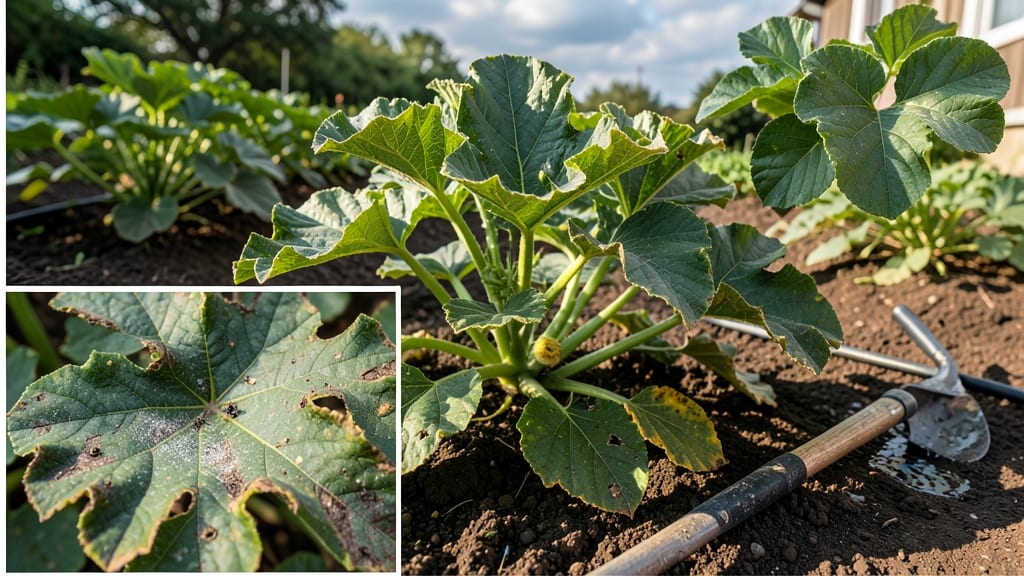
Your zucchini plants are showing the zucchini leaf wilt—crisp, wilted leaves that won’t bounce back. 🌿 That’s the classic sign of bacterial wilt, but it could also be fungal pressure or even a hidden pest problem.
The good news? Copper spray isn’t just a cure—it’s your secret weapon for bringing those leaves back to life before the plant gives up entirely.
First, confirm the cause: bacterial wilt spreads through water, turning stems mushy when you cut them open, while fungal wilt often starts at the edges of leaves with yellowing. Either way, act fast—once the vines collapse, the plant is done.
Copper spray works by creating a protective barrier on leaves, stopping the spread while your plant fights back. You’ll need to spray every 7–10 days until new growth appears, and yes, it’s safe for edible plants once fully dried.
Within days, you’ll see the difference: leaves plumping up, new shoots pushing through, and that familiar zucchini vigor returning. The key is consistency—skip a spray, and the problem creeps back. For extra defense, rotate with neem oil to tackle any lingering fungal spores hiding in the soil.
Prevention is even simpler: plant resistant varieties like ‘Defender’ or ‘Elite,’ avoid overhead watering, and pull up any wilted plants immediately. Your next harvest will be lusher than ever—no more sad, droopy zucchini bushes in sight.
Why it happens
Understanding why your zucchini leaves are wilting is the first step toward bringing them back to crisp, vibrant life. 🌱 Whether your plants are struggling in the garden or container, these common culprits often lie beneath the surface—some obvious, others sneaky.
Let’s break down the science behind each cause so you can diagnose and fix the issue fast.
Zucchini plants thrive on consistency but drown in excess moisture. When soil stays soggy for too long, roots suffocate from a lack of oxygen, leading to anaerobic conditions—a breeding ground for fungal pathogens like Pythium and Phytophthora.
These microbes clog root cells, blocking water and nutrient uptake, which triggers wilting even when soil appears wet.
Key signs:
- Yellowing leaves (especially lower ones)
- Mushy, dark roots when inspected
- Wilting that worsens in humid weather
Why it happens: Zucchini roots need well-aerated soil with a pH between 6.0 and 7.0. Compacted or clay-heavy soils trap water, while overzealous watering (especially without checking soil moisture) creates a perfect storm. Container-grown zucchini are especially vulnerable—small pots dry out fast but also drain poorly if lacking drainage holes.
Fungal diseases like powdery mildew (Erysiphe cichoracearum) and downy mildew (Pseudoperonospora cubensis) thrive in warm, humid conditions (ideal for zucchini!). These pathogens clog stomata (leaf pores), preventing gas exchange and causing wilting.
Powdery mildew leaves a white, powdery residue, while downy mildew appears as yellow patches with fuzzy undersides.
Why it happens:
- High humidity (above 70%) + poor airflow = fungal party.
- Overhead watering keeps leaves damp, giving spores a foothold.
- Stress from nutrient deficiencies (especially magnesium or calcium) weakens defenses.
Pro tip: 💡 If leaves wilt and you spot white fuzz, act fast—fungicides (like copper spray) or baking soda solution (1 tsp baking soda + 1 quart water + a drop of dish soap) can stop the spread.
Zucchini are heat-loving but wilt when temperatures exceed 90°F (32°C) or drop suddenly (e.g., cold nights). Extreme heat causes stomatal closure—leaves seal off to conserve water, leading to wilting even if soil is moist. Young plants or those in full sun without shade are most at risk.
Why it happens:
- Transpiration outpaces water absorption: Roots can’t keep up with leaf demand in scorching heat.
- Soil moisture evaporates faster than roots can replace it.
- Cold snaps (below 50°F/10°C) shock the plant, disrupting cellular function.
Actionable fix: 🌡️ Provide afternoon shade (use shade cloth) and water deeply at dawn to cool roots. Mulch with straw to retain moisture and stabilize soil temps.
Pests like aphids, spider mites, and squash vine borers don’t just nibble—they sap nutrients and disrupt vascular flow. Aphids inject toxins that cause curl and wilt, while vine borers sever xylem tissue, cutting off water transport. Even root-knot nematodes (microscopic worms) girdle roots, starving the plant.
Why it happens:
- Weak plants (from poor soil or overcrowding) attract pests.
- Cucumber beetles (a zucchini’s worst enemy) spread bacterial wilt (Erwinia tracheiphila), which clogs xylem vessels permanently.
Spot the damage:
- Sticky residue (aphid honeydew)
- Tiny webs (spider mites)
- Frass (chewed leaf holes) or sawdust-like borer exit holes
Wilting can stem from hidden hunger. Zucchini need balanced nutrients, but deficiencies in magnesium (Mg) or potassium (K) disrupt osmosis—cells lose turgor pressure and wilt, even when soil is moist.
| Nutrient | Deficiency Signs | Why It Causes Wilting |
|---|---|---|
| Magnesium | Yellow patches between leaf veins | Chlorophyll breaks down; photosynthesis falters. |
| Potassium | Scorched leaf edges, weak stems | Regulates water balance; cells can’t hold moisture. |
| Calcium | Blossom-end rot (on fruits), stunted growth | Weakens cell walls; roots can’t absorb water efficiently. |
Why it happens:
- Over-fertilizing with nitrogen (common in fast-growing plants) locks out other nutrients.
- Acidic soil (pH < 6.0) makes magnesium unavailable.
- Poor soil structure prevents root uptake.
Fix it: 💪 Amend soil with Epsom salt (magnesium sulfate) or wood ash (potassium). Test soil pH and adjust with lime if needed.
Roots are the plant’s lifeline, and damage disrupts water/nutrient flow. Soil compaction (from foot traffic or heavy tools) crushes roots, while girdling (roots growing in circles from pots) strangles growth. Even buried mulch can suffocate roots if piled too high.
Why it happens:
- Transplant shock: Roots damaged during moving or repotting.
- Mechanical injury: Weeding tools or hoes nicking roots.
- Container constraints: Roots circling the pot bottom (common in reused containers).
Prevent it: 🔨 Loosen soil around roots when transplanting, use raised beds for heavy clay, and rotate containers if growing in pots.
Revive Wilted Zucchini Leaves Fast
Wilted zucchini leaves can be a garden heartbreaker, but the good news? Most causes have quick fixes—especially when you catch them early. Below, we’ve mapped out the most common triggers for leaf wilt and the step-by-step solutions to bring your plants back to life.
Plus, we’ll share prevention tips to keep your zucchini thriving all season long.
If your zucchini leaves are drooping but the soil feels soggy, root rot or overwatering is likely the culprit. Here’s how to turn things around:
- 🔥 Step 1: Pause Watering Immediately Let the soil dry out for 24–48 hours. Stick your finger 1–2 inches deep—if it’s damp, wait longer.
- 🍳 Step 2: Improve Soil Drainage Mix in compost or perlite (1 part to 3 parts soil) to loosen heavy clay. If planting in containers, ensure pots have drainage holes.
- 👨🍳 Step 3: Repot if Needed If root rot has set in (black, mushy roots), trim the damaged roots with sterilized scissors, then replant in fresh, well-draining soil.
- 🌡️ Pro Tip: Water deeply but less often—aim for 1–1.5 inches per week (adjust for rain). Mulch with straw to retain moisture without suffocating roots.
Zucchini leaves can wilt under intense midday sun, especially in hot climates. Here’s how to shield them:
- 🔥 Step 1: Provide Shade Cloth Drape 30–50% shade cloth over plants during peak sun (10 AM–4 PM). Alternatively, use lightweight row covers.
- 🍳 Step 2: Water Early in the Day Wet the soil and leaves before 9 AM to help cool the plant. Avoid evening watering—it encourages fungal growth.
- 👨🍳 Step 3: Boost Humidity Place a shallow tray of water near plants or mist leaves lightly (early morning only). Grouping plants together also creates a microclimate.
- ✨ Pro Tip: Reflective mulch (like white plastic) can reduce soil heat. If your garden gets above 90°F (32°C), consider drip irrigation to keep roots consistently moist.
Yellowing, crispy edges, or white powdery spots? Fungal diseases like powdery mildew or downy mildew love zucchini leaves. Here’s how to fight back:
- 🔥 Step 1: Prune Infected Leaves Snip off wilting or spotted leaves with sterilized pruners (wipe with rubbing alcohol between cuts). Dispose of them in the trash—not the compost!
- 🍳 Step 2: Apply Copper Fungicide Mix 1 tsp baking soda + 1 quart water + a few drops of dish soap (or use a store-bought copper spray). Spray both sides of leaves in the early morning (avoid direct sun).
- 👨🍳 Step 3: Improve Airflow Space plants 12–18 inches apart and stake or trellis vining varieties to prevent humidity buildup.
- 💡 Pro Tip: Prevent recurrence with neem oil spray (1 tbsp neem oil + 1 quart water + 1 tsp mild soap) every 7–10 days during humid weather.
Chewed leaves, sticky residue, or tiny holes? Pests like cucumber beetles or aphids can drain your zucchini’s vitality. Here’s how to evict them:
- 🔥 Step 1: Handpick or Blast Off Early morning, spray plants with a strong stream of water to knock off aphids. For beetles, pick them off and drop them in soapy water.
- 🍳 Step 2: Use Row Covers Cover young plants with fine mesh row covers to block beetles. Remove when flowers appear for pollination.
- 👨🍳 Step 3: Introduce Beneficial Bugs Release ladybugs or lacewings (available at garden centers) to eat pests naturally.
- 🎯 Pro Tip: Plant pest-repelling companions like marigolds or nasturtiums nearby to deter beetles.
Yellowing leaves with green veins? Your zucchini might be hungry for nitrogen or magnesium. Fix it with:
- 🔥 Step 1: Test Your Soil Use a DIY soil test kit (or send a sample to a local extension office) to check pH and nutrient levels.
- 🍳 Step 2: Add Organic Amendments
- For nitrogen: Work in compost or fish emulsion (follow package instructions).
- For magnesium: Sprinkle Epsom salt (1 tbsp per gallon of water) every 4–6 weeks.
- 👨🍳 Step 3: Balance pH if Needed Zucchini prefers 6.0–7.0 pH. Add lime to raise pH or sulfur to lower it.
- 💡 Pro Tip: Avoid over-fertilizing—too much salt can burn roots. Stick to balanced organic fertilizers (like 5-5-5).
Once you’ve revived your zucchini, lock in success with these habits: ✅ Water deeply but infrequently (1–1.5 inches/week). ✅ Mulch with straw or grass clippings to retain moisture. ✅ Rotate crops—don’t plant zucchini in the same spot yearly. ✅ Monitor pests daily (check undersides of leaves). ✅ Harvest regularly—overripe zucchini stresses plants!
Final Thought: Most wilted leaves bounce back in 24–48 hours with the right care. If your plant still looks sad after a week, it may be time to replace it—but don’t worry, zucchini grows fast! 🌱💪
Frequently asked questions about zucchini leaf wilt
Why do my zucchini leaves wilt in the afternoon but recover at night?
This is classic heat stress—zucchini plants close their stomata (leaf pores) during peak sun to conserve water. When temperatures exceed 90°F (32°C), their roots can't absorb water fast enough to keep up with leaf demand. Try providing afternoon shade with 30% shade cloth or watering deeply at dawn to help them recover faster.
How can I tell if my zucchini wilt is from overwatering or bacterial wilt?
Check the stem: Cut open a wilted stem—if it's mushy and brown inside, it's bacterial wilt (often spread by cucumber beetles). If the stem is dry and hollow but the soil is soggy, it's overwatering. Bacterial wilt spreads through water; overwatering causes root suffocation. For bacterial wilt, use copper spray immediately.
Will pruning wilted leaves help my zucchini recover?
Yes, but only if the wilt is from fungal disease or pests. Remove only the most affected leaves with sterilized pruners to prevent spreading spores. Avoid pruning if the wilt is from heat or water issues—let the plant focus on recovering roots instead. For fungal problems, follow up with neem oil spray to stop further damage.
Can I save a zucchini plant if the vines are already collapsing?
Probably not—once vines collapse from bacterial wilt or severe root rot, the plant can't recover. Dig up the entire plant (including roots) and dispose of it in the trash (not compost) to prevent spreading disease. Start fresh with resistant varieties like 'Defender' and improve drainage in your soil.
How often should I apply copper spray to prevent wilt?
Apply copper fungicide spray every 7–10 days during humid weather or when you first spot wilting. Mix it in the early morning and avoid spraying when rain is forecast. For prevention, alternate with neem oil every other application to tackle both fungal and bacterial pathogens without building resistance.