
Picking
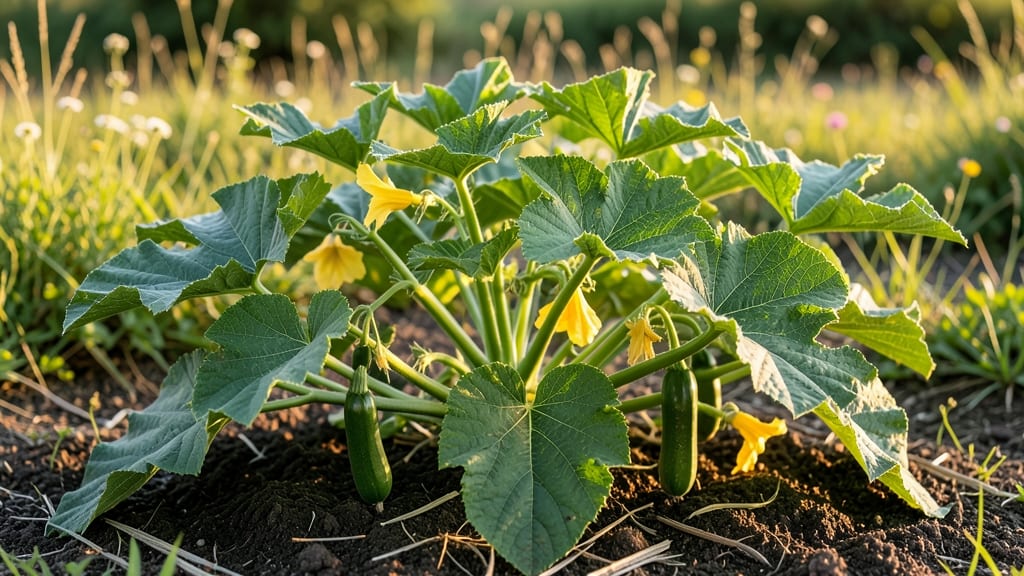
Mastering zucchini squash leaf identification at first glance saves you from wasting weeks on the wrong plant. 🌿 The difference between a thriving vine and a struggling one often comes down to leaf shape, color, and texture—details most gardeners overlook until pests or disease strike.
Zucchini leaves are broad with jagged edges, while squash varieties like straightneck or crookneck have slightly lobed or serrated leaves. A healthy leaf stays deep green and firm, but powdery mildew turns it grayish with a fuzzy coating, while bacterial wilt causes yellowing and wilting in just days.
Squash bugs leave brown eggs on undersides, and cucumber beetles chew ragged holes near leaf edges. When you spot these early, you can act fast—remove infected leaves, apply neem oil, or introduce beneficial insects. The result? Plants that stay productive all season, with fewer surprises at harvest time.
A quick leaf check now prevents a whole garden meltdown later. This works for both backyard plots and container gardens. Once you train your eye, you’ll spot problems before they spread—and that’s the difference between a bountiful harvest and a frustrating loss.
📚 In This Guide
- What you need
- Instructions
- Tips and common mistakes
- Wrapping up and next steps
What you need
- ● Fresh zucchini and squash plants (or high-quality reference photos if you’re practicing indoors 📸). Aim for at least 3-5 mature leaves per plant type for comparison.
- ○ Magnifying glass (optional but helpful for spotting fine details like vein patterns or hair texture). A 10x magnification works best.
- ● Notebook or smartphone with a camera to sketch or snap photos of leaf features (shape, edges, undersides, etc.).
- ● Ruler or measuring tape (for noting leaf length/width—zucchini leaves often exceed 12 inches, while squash can vary!).
- ● Field guide or printed chart of zucchini/squash leaf traits (download our free visual cheat sheet!).
- ● Gloves (if handling prickly or unknown plants—safety first! 🛡️).
- ● Small pruning shears (to gently snip a leaf for closer inspection without harming the plant).
- ● Leaf press kit (to preserve samples for future reference—great for gardeners!).
- ● UV flashlight (to check for fluorescence patterns in veins under blacklight—some squash varieties glow!).
How to tell zucchini and squash leaves apart in minutes
No more guessing—just a quick leaf-by-leaf method to identify your summer squash plants.
🌿 Step 1: Examine Leaf Shape and Edges
Start by comparing the overall leaf shape. Zucchini leaves tend to be broader and more rounded, almost like a shield with slightly wavy edges. Squash leaves, especially summer squash varieties, are usually more lobed or jagged—think of a rough-edged hand with fingers pointing outward. Hold a leaf up to the light; zucchini leaves often have a smoother, more uniform texture while squash leaves may appear slightly bumpier or more irregular.
Here's the thing—this is where most gardeners get confused. Both can look similar at first glance, so grab a few leaves from each plant and lay them side by side. You'll quickly notice that zucchini leaves tend to have softer, more rounded lobes, while squash leaves often have sharper, more defined points. If you're still unsure, move to the next step.
🌱 Step 2: Check the Stem and Leaf Attachment
The way leaves attach to the stem is a dead giveaway. Zucchini leaves typically have a broader base where they connect to the vine, almost like a heart-shaped attachment. Squash leaves, on the other hand, usually have a narrower, more pointed base that tapers down the stem. Run your finger along the stem where the leaf meets it—you'll feel the difference in how they grip the vine.
Real talk: this is the moment that matters. If you're growing both in the same garden, this trick saves you from harvesting the wrong plant. Zucchini stems often feel slightly thicker at the leaf attachment, while squash stems tend to be more uniform in diameter. Pay attention to how the leaf "cups" the stem—zucchini leaves do this more dramatically.
☀️ Step 3: Observe Leaf Color and Surface Texture
Zucchini leaves are usually a rich, deep green with a slightly glossy finish, almost like they've been polished. Squash leaves, especially summer varieties, often have a matte, slightly duller green and may appear lighter in color when viewed from above. Hold a leaf up to the sky—zucchini leaves reflect light more intensely, while squash leaves absorb it.
Don't skip this (I learned the hard way). Look closely at the leaf veins. Zucchini leaves have more prominent, raised veins that create a textured, almost sculpted look. Squash leaves tend to have flatter, less pronounced veins, giving them a smoother appearance. This difference becomes even more noticeable when the leaves are young and still unfolding.
✂️ Step 4: Compare Flower and Fruit Clusters
While not a leaf identification method, this is the ultimate confirmation. Zucchini plants produce single, large flowers that grow directly from the vine, followed by single zucchini fruits hanging alone. Squash plants, especially summer varieties, often have clusters of smaller flowers and multiple fruits growing in groups. If you're still unsure, check the flowers—zucchini blooms are bold and solitary, while squash blooms come in loose, branching clusters.
This is where it all comes together. If you've examined the leaves and stems but remain unsure, the flowers and fruit arrangement will seal the deal. Just remember: zucchini = one flower, one fruit; squash = multiple flowers, multiple fruits. This visual cue alone can save you from a lot of confusion down the road.
Tips & tricks for perfect summer squash leaf identification
When you're standing in your garden staring at two plants that look eerily similar, these tricks will help you tell them apart without a second guess.
Leaf Shape Comparison: Grab a few leaves from each plant and lay them side by side on a flat surface. The key difference lies in the edges—zucchini leaves have rounded lobes with wavy edges, while squash leaves have sharper, more angular points. Think of it like comparing a smooth pebble to a jagged rock. This is especially helpful when leaves are young and still unfolding, as the shape distinction becomes more pronounced.
Stem Attachment Test: Run your thumb along where the leaf meets the stem. Zucchini leaves attach with a broader, heart-shaped base that almost "cups" the stem, while squash leaves have a narrower, tapering connection. This tactile difference is a game-changer when visual cues aren't enough. I've used this trick to identify plants in shady garden corners where leaf color wasn't as distinct.
Veins and Texture Trick: Hold a leaf up to strong sunlight and examine the veins. Zucchini leaves have raised, prominent veins that create a textured, almost sculpted look, while squash leaves have flatter veins that give them a smoother appearance. This subtle difference becomes more obvious when you compare multiple leaves from each plant at the same time.
Flower and Fruit Confirmation: While not a leaf-specific method, checking the flowers and fruit clusters is the ultimate confirmation. Zucchini plants produce single, large flowers followed by single fruits, while squash plants have clusters of smaller flowers and multiple fruits growing together. This visual cue alone can save you from harvesting the wrong plant when you're in a hurry.
Pro Tips for Zucchini Squash Leaf Identification
- When you're standing in your garden staring at two plants that look eerily similar, these tricks will help you tell them apart without a second guess.
- Leaf Shape Comparison: Grab a few leaves from each plant and lay them side by side on a flat surface.
- Stem Attachment Test: Run your thumb along where the leaf meets the stem.
Frequently asked questions
Got questions about zucchini and squash leaf identification? You’re not alone! Here are some of the most common queries gardeners have when trying to tell these plants apart—plus quick answers to save you time in the garden.
How can I quickly tell zucchini leaves from squash leaves at a glance?
Look for leaf texture and shape: Zucchini leaves are rougher, darker green, and more jagged with deep lobes, while squash leaves (like butternut or pumpkin) tend to be smoother, lighter, and more rounded. Hold them up to sunlight—zucchini leaves often cast a sharper shadow due to their serrated edges!
When is the best time of day to identify leaves for accuracy?
Morning is ideal! Leaves are fully hydrated and less wilted after dew has evaporated, making it easier to spot texture and vein patterns. Avoid midday when heat can cause leaves to curl or droop, obscuring key details. Pro tip: Pinch a leaf gently—healthy leaves spring back quickly!
What if my plant’s leaves look like a mix of zucchini and squash?
You might be dealing with a hybrid variety or a cross-pollinated plant! Check the fruit shape next: Zucchini fruits are cylindrical and ribbed, while squash fruits are often rounder or more oblong. If you’re unsure, snap a photo and compare it to a leaf identification chart.
Can I eat the leaves if I can’t tell which plant they’re from?
Most squash and zucchini leaves are edible and nutritious (rich in iron and calcium!), but avoid bitter or yellowing leaves—they can taste harsh or be toxic. Young leaves are best for stir-fries or pestos. When in doubt, cook them thoroughly to reduce any potential bitterness.
Why do my zucchini/squash leaves look different than in pictures?
Several factors can alter leaf appearance:
- Pests: Aphids or squash bugs cause yellowing, curling, or holes.
- Disease: Powdery mildew creates white, powdery patches.
- Nutrients: Yellowing veins may signal magnesium deficiency.
- Variety: Some heirloom squash (like Delicata) have distinctly ribbed leaves.
Isolate affected plants and check for common issues.
Wrapping up and next steps
Mastering zucchini and squash leaf identification puts you in control of your garden’s health and harvest! 🌱 Whether you’re distinguishing between Cucurbita pepo or Cucurbita moschata, these visual cues will save you time and effort. Now that you’ve got the know-how, why not take the next step?
🌿 Ready to Grow?
Start by labeling your plants or snapping photos of their leaves for future reference. If you’re feeling adventurous, try growing a few varieties side by side—it’s a fun way to sharpen your skills! Happy gardening! 🌟