
Plants
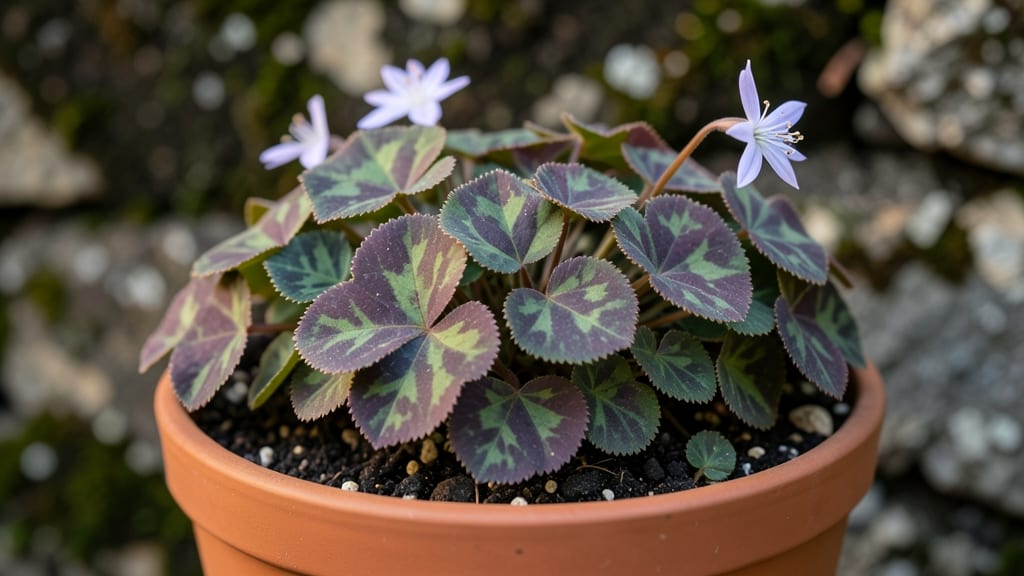
That three-leaf plant with jagged edges you’re wondering about might be Oxalis triangularis—the shamrock plant with striking purple undersides. 🌿 I’ve grown mine for years, and it’s one of those plants that looks delicate but thrives with minimal fuss.
The key is recognizing its triangular leaves and understanding its light and soil needs, which are very different from clover or toxic lookalikes.
The secret to happy shamrock plants lies in bright, indirect light and well-draining soil that stays slightly moist but never soggy. Most people overwater, causing those dreaded yellow leaves, but once you nail the balance, you’ll see new purple-tinged leaves emerging in just a few weeks.
It’s also a great plant for propagation—just divide those clumps in spring and watch them multiply.
You’ll end up with a plant that blooms with delicate pink or white flowers and adds a pop of color to shady corners. The jagged edges aren’t just pretty—they help distinguish it from toxic wood sorrel, which has smooth-edged leaves and a sour taste.
With the right care, your plant will stay lush, vibrant, and ready to spread its charm.
Whether you’re growing it in containers or tucked into garden beds, this plant adapts well to partial shade and cooler climates. Just keep an eye out for aphids, and you’re golden. Let’s get those leaves looking their sharpest!
Understanding Leaf Edge Irregularities
If your plant’s leaves are developing jagged edges instead of smooth, rounded ones, it’s usually a sign that something in its environment or care routine needs adjustment. These irregularities can transform a lush, healthy leaf into a frilly or serrated mess—but don’t worry, they’re often fixable!
Below, we break down the most common causes, why they happen, and how to address them.
When roots sit in soggy soil for too long, they struggle to absorb oxygen, leading to stress. This stress triggers the plant to produce jagged or uneven leaf edges as a defense mechanism. Overwatering also dilutes essential nutrients in the soil, weakening the plant’s ability to maintain smooth leaf growth.
- Signs to watch for:
- Yellowing leaves (chlorosis)
- Mushy stems or roots
- Soil that stays damp for days after watering
- Actionable fixes:
- Let the top 1–2 inches of soil dry out before watering again.
- Repot into a container with drainage holes and use well-draining soil.
- Consider a moisture meter to track soil conditions accurately.
Plants crave consistency—too much direct sunlight can scorch edges, while too little light weakens growth, leading to jagged or stunted leaves. Sudden changes in light (like moving a plant from shade to full sun) can also cause stress, resulting in irregular leaf development.
- Signs to watch for:
- Brown or crispy leaf edges (sunburn)
- Leaves growing toward a light source (etiolation)
- Slow or stunted growth
- Actionable fixes:
- Gradually acclimate plants to brighter or dimmer conditions over 1–2 weeks.
- Use sheer curtains to filter harsh afternoon sun.
- Rotate the plant weekly for even light exposure.
Plants are sensitive to their environment, and sudden drops in temperature or low humidity can cause cellular stress. Cold drafts (from AC vents or open windows) or dry air (common in heated homes) can lead to jagged edges as the plant conserves moisture and energy.
This is especially true for tropical or moisture-loving species.
- Signs to watch for:
- Dry, brittle leaf edges
- Curling or wilting leaves
- Slow recovery after handling
- Actionable fixes:
- Keep plants away from drafts, vents, or heaters.
- Use a humidifier or place a tray of water near the plant.
- Group plants together to create a microclimate with stable humidity.
Jagged edges can also signal a lack of key nutrients, particularly nitrogen, calcium, or boron. Nitrogen deficiency often causes stunted growth and rough leaf textures, while calcium or boron deficiencies can lead to distorted or jagged edges due to poor cell wall development.
Common deficiencies and their effects:
| Nutrient | Deficiency Signs | Solution |
|---|---|---|
| Nitrogen (N) | Pale yellow leaves, slow growth, jagged edges | Use a balanced fertilizer (e.g., 10-10-10) or compost. |
| Calcium (Ca) | Distorted new growth, brown tips, jagged edges | Add crushed eggshells or calcium-rich fertilizer. |
| Boron (B) | Thickened, cracked, or jagged leaf edges | Apply a boron supplement (follow package instructions). |
While less common, pests like spider mites, aphids, or fungal infections can physically damage leaf edges, causing them to appear jagged or notched. These pests often feed on sap or create wounds that disrupt normal growth patterns.
- Signs to watch for:
- Tiny webs or sticky residue (honeydew)
- Visible insects on undersides of leaves
- Black sooty mold (a fungal side effect of pests)
- Actionable fixes:
- Isolate the plant and inspect for pests with a magnifying glass.
- Wipe leaves with soapy water or use neem oil for organic pest control.
- Prune heavily damaged leaves and dispose of them.
Not all jagged-edged leaves are a cause for concern! Some plants, like Heuchera (Coral Bells) or certain Sedum varieties, naturally develop serrated or lobed leaves as part of their genetic makeup. If your plant is thriving otherwise, it might simply be a unique feature rather than a stress response.
- How to tell if it’s natural:
- All leaves (old and new) have jagged edges.
- The plant grows vigorously with no other symptoms.
- It matches the description of its species (check seed packets or plant tags).
Quick Fixes for Jagged Leaf Problems
If your three-leafed plant is sporting unsightly jagged edges, don’t panic—most issues are fixable with a few targeted adjustments. Below, we’ve mapped the most common causes to practical solutions, plus prevention tips to keep your plant thriving. Let’s get those leaves smooth and healthy again!
Fix: Let the soil dry out between waterings and upgrade your pot.
- 🔥 Step 1: Check moisture by sticking your finger 1–2 inches into the soil. If it’s damp, wait 2–3 days before watering again.
- 🍳 Step 2: Ensure your pot has drainage holes—if not, repot into one with holes or add a layer of pebbles at the bottom.
- 👨🍳 Step 3: Use a well-draining potting mix (like cactus or succulent blend) to prevent root rot.
- ⏰ Pro Tip: Water in the morning so excess moisture evaporates during the day.
Prevention: ✔️ Use a moisture meter to avoid guesswork. ✔️ Choose pots made of terracotta (breathable material).
Fix: Adjust light conditions and protect tender leaves.
- 🔥 Step 1: Move your plant to a spot with indirect sunlight (e.g., near a window with sheer curtains).
- 🍳 Step 2: If outdoors, provide afternoon shade to prevent scorching.
- 👨🍳 Step 3: Gradually acclimate your plant to brighter light over 1–2 weeks to avoid shock.
Prevention: ✔️ Rotate the pot weekly for even growth. ✔️ Use light-colored pots to reflect excess heat.
Fix: Create a stable, plant-friendly environment.
- 🔥 Step 1: Keep your plant in a consistent temperature range (60–75°F / 15–24°C).
- 🍳 Step 2: Increase humidity with a pebble tray (fill a tray with water and place the pot on top) or a humidifier.
- 👨🍳 Step 3: Avoid drafts from AC vents, heaters, or open windows.
Prevention: ✔️ Group plants together to create a microclimate. ✔️ Mist leaves lightly in the morning (avoid evening misting to prevent fungal issues).
Fix: Isolate, clean, and treat infestations ASAP.
- 🔥 Step 1: Isolate the plant to prevent pests from spreading.
- 🍳 Step 2: Wipe leaves with a soapy water solution (1 tsp mild dish soap + 1 quart water) using a soft cloth.
- 👨🍳 Step 3: Spray with neem oil (1 tsp neem oil + 1 quart water + a drop of dish soap) every 3–4 days for 2 weeks.
- ⏰ Pro Tip: Check the undersides of leaves—that’s where pests hide!
Prevention: ✔️ Inspect new plants before bringing them indoors. ✔️ Encourage beneficial insects (like ladybugs) to keep pests in check.
Fix: Fertilize correctly and amend the soil.
- 🔥 Step 1: Use a balanced liquid fertilizer (10-10-10 or 20-20-20) diluted to half-strength every 4–6 weeks in growing season.
- 🍳 Step 2: For magnesium deficiency, add Epsom salt (1 tbsp per gallon of water) monthly.
- 👨🍳 Step 3: Repot if the plant has been in the same soil for over a year—fresh soil = more nutrients.
Prevention: ✔️ Over-fertilizing causes burns—always follow package instructions! ✔️ Test soil pH (ideal: 6.0–7.0 for most plants).
If the damage is severe, prune the jagged leaves to redirect energy to new growth:
- 🔪 Use clean, sharp scissors to trim affected edges.
- 🌱 Remove no more than ⅓ of the leaf to avoid stressing the plant.
- 💡 Dispose of pruned leaves in the trash (not compost) to prevent pest spread.
Remember: Patience is key! Some plants take 4–6 weeks to show improvement after adjustments. Keep an eye on your plant’s progress and tweak care as needed. 🌿✨
Frequently asked questions
Is my 3-leaf plant with jagged edges the same as a lucky shamrock?
The classic Oxalis triangularis (shamrock plant) has those signature triangular leaves with jagged edges, but it’s not the same as the traditional Irish clover. The shamrock variety often has purple undersides and grows in clusters, while true clover leaves are smooth-edged and grow in groups of three rounded leaflets.
Why are my plant’s edges turning brown and jagged?
Brown, jagged edges usually mean overwatering or low humidity. Let the top 1–2 inches of soil dry out between waterings, and try placing the pot on a pebble tray with water to boost humidity. Avoid cold drafts, which can also cause browning.
Can I grow this plant indoors year-round?
Yes! These plants thrive indoors with bright, indirect light (like an east or north-facing window). They prefer cooler temps (60–75°F) and tolerate low light better than harsh sun. Just keep soil lightly moist and avoid direct heat sources like radiators.
How do I tell if my plant is healthy or dying?
Healthy plants have vibrant green leaves (or purple undersides), firm stems, and new growth. If leaves yellow, wilt, or develop black spots, it’s time to adjust watering, check for pests, or repot. A thriving plant should bounce back quickly with proper care.
Is this plant toxic to pets?
Most Oxalis triangularis varieties are non-toxic to cats and dogs, but always confirm with your vet. Some lookalikes (like wood sorrel) contain oxalates, so double-check your plant’s ID. Keep pets away while eating to be safe.