
Pests and Diseases
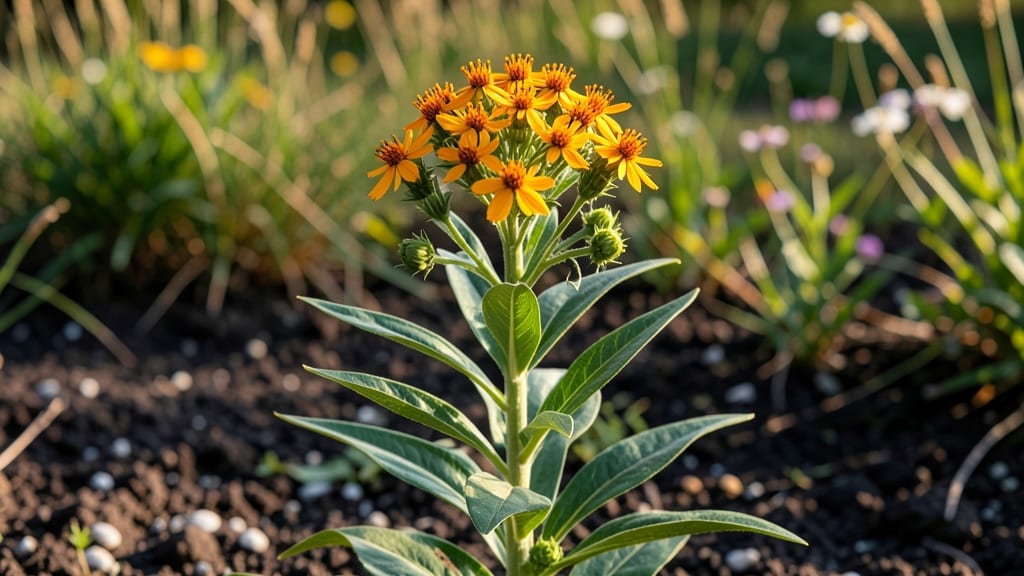
That 4-pointed leaf deformity is no coincidence—it’s a dead giveaway from a tiny sap-sucking pest that’s been quietly wrecking your hostas. 🌿 I’ve seen this exact damage on my own plants, and the culprit isn’t what you’d expect.
It’s not a disease or nutrient issue—it’s a sneaky little critter that thrives in shade and humidity, where hostas love to grow.
The moment you spot those four-pointed, curled leaves, you’ll know it’s hosta leaf miner or slug damage—but the real troublemaker is usually aphids or spider mites feeding on new growth. The good news?
These pests are easy to spot once you know what to look for, and the fixes are simple: a strong spray of water, neem oil, or introducing ladybugs can turn the tide in under a week.
What you’ll end up with is smooth, healthy hosta leaves—no more jagged edges or stunted growth. The key is acting fast before the damage spreads to other plants. I’ve saved entire garden beds this way, and you can too with just a few targeted treatments.
Works for hostas, ferns, and other shade-loving plants. Here’s how to identify the exact pest and stop it in its tracks—before it ruins your garden’s star performers.
Root Causes of Abnormal Leaf Growth
When your hostas start sprouting leaves with an unusual four-pointed shape instead of their typical rounded or heart-like form, it’s often a sign of stress or pest activity.
Understanding the why behind this transformation helps you take precise action. Below, we break down the most common culprits and their scientific triggers.
Sometimes, a 4-pointed leaf isn’t caused by pests or disease but by natural genetic variation. Hostas, like many plants, can occasionally produce sport mutations—random changes in their DNA that alter leaf shape. This is more common in:
- Hybrid varieties: Crossbreeding different hosta species (e.g., Hosta sieboldiana × Hosta plantaginea) can yield offspring with irregular leaf structures.
- Seed-grown plants: Unlike vegetatively propagated hostas (which are clones), seedlings may inherit unpredictable traits, including lobed or pointed leaves.
- Older plants: As hostas age, their growth hormones (like auxins) can become unbalanced, leading to deformities.
How to check: If the deformation is isolated to one or two leaves and the rest of the plant thrives, it’s likely genetic. No treatment is needed—just enjoy the unique foliage!
Slugs and snails are notorious for chewing leaves unevenly, but their saliva contains enzymes that can disrupt cell growth in hostas. When they target young, tender leaves:
- They remove tissue asymmetrically, causing regrowth to form jagged or pointed edges.
- Their mucus trails can block stomata (leaf pores), starving cells of gas exchange and leading to malformed new growth.
- Repeated attacks stress the plant, triggering a survival response where leaves grow in a more compact, spiky shape.
Actionable fix: Set up beer traps (bury a container filled with beer near the plant) or apply copper barriers to deter slugs. Inspect leaves for:
- ✅ Silver slime trails (slugs)
- ✅ Irregular holes with smooth edges (snails)
Tiny pests like aphids and spider mites don’t just drain sap—they inject toxic saliva that warps leaf development. Here’s how:
| Pest | How They Cause 4-Pointed Leaves | Visual Clues |
|---|---|---|
| Aphids | Cluster on new growth, injecting viruses (like Cucumber Mosaic Virus) or disrupting cytokinin hormones, which control cell division. | Sticky honeydew, curled or puckered leaves, black sooty mold. |
| Spider Mites | Feed on chlorophyll-rich cells, causing necrosis (dead tissue) that forces regrowth into sharp, lobed shapes. | Fine webbing on undersides, bronzing or stippled leaves. |
Treatment: Blast pests off with a strong stream of water (💦), then apply neem oil or insecticidal soap to break their life cycle.
Hostas are shade-lovers, and when they’re pushed beyond their comfort zone, their leaves can deform as a survival tactic. Key triggers:
- Extreme heat: Temperatures above 85°F (29°C) cause oxidative stress, where free radicals damage cell membranes. The plant compensates by growing thicker, pointed leaves to reduce water loss.
- Inconsistent watering: Drought stress triggers the hormone abscisic acid (ABA), which signals leaves to curl and harden into a more drought-resistant shape.
- Poor soil drainage: Roots suffocating in compacted or waterlogged soil can’t absorb nutrients, leading to mineral deficiencies (like magnesium or nitrogen) that distort growth.
Quick fixes:
- 🌳 Provide afternoon shade with a lightweight shade cloth (30–50% coverage).
- 💧 Water deeply 2–3x/week (check soil moisture 2 inches down—it should be damp, not soggy).
- 🔄 Amend soil with compost or perlite to improve aeration.
Hostas are heavy feeders, but too much of a good thing (or the wrong nutrients) can burn roots and warp leaves. Common offenders:
- Excess nitrogen (N): While nitrogen fuels leafy growth, too much (e.g., from synthetic fertilizers) can overstimulate cell division, leading to lobed or pointed leaves as the plant struggles to distribute resources.
- Salt buildup: Overusing fertilizers with high sodium/potassium (like Miracle-Gro) can disrupt osmosis in root cells, causing physiological drought and deformed growth.
- Herbicide drift: Glyphosate or 2,4-D (common in lawn weed killers) can mimic plant hormones, leading to abnormal leaf shapes.
Solution:
- ✅ Flush soil with water to leach out salts (apply 1 inch/week for 2 weeks).
- ✅ Switch to organic fertilizer (like fish emulsion) and half the recommended dose.
- ✅ Test soil pH—hostas prefer 6.0–7.5. Adjust with lime (to raise) or sulfur (to lower).
Quick Fixes for Four-Pointed Leaf Damage
If your hostas or other plants are under siege by the four-pointed leaf (a sneaky sap-sucking pest), don’t panic—there are effective ways to tackle this tiny menace. Below, we’ll break down solutions by the most common causes of infestation and damage, along with prevention tips to keep your garden pest-free.
Cause: Four-pointed leaf beetles thrive in dense foliage where plants are weak and struggling.
How to Fix It:
- 🌿 Prune aggressively – Remove heavily infested leaves and trim back overgrown plants to improve airflow.
- 🌱 Replant spacing – Give plants at least 12–18 inches between them to reduce hiding spots.
- 🌱 Mulch properly – Use organic mulch (like straw or shredded leaves) to suppress weeds and deter pests.
Prevention Tip: 💡 Rotate crops—if you grow hostas, lilies, or ferns year after year, switch to unrelated plants in the same spot to break pest cycles.
Cause: Severe infestations may require targeted pesticides for fast results.
How to Fix It:
- 🔪 Neem oil spray – A natural, organic option that disrupts beetle life cycles. Mix 2 tbsp neem oil + 1 tsp mild soap + 1 gallon water, then spray early morning or late evening (avoid direct sun).
- 🛡️ Insecticidal soap – Effective on young larvae. Spray every 5–7 days until infestation clears.
- 💊 Systemic pesticides (last resort) – If beetles persist, use imidacloprid (follow label instructions carefully).
⚠️ Warning: Avoid spraying when bees are active—opt for early morning or dusk applications.
Cause: Small infestations can be handled by hand before they spread.
How to Fix It:
- 🕵️♂️ Scout daily – Check undersides of leaves and new growth for tiny beetles or eggs (they look like tiny white specks).
- 🧼 Drop them in soapy water – Fill a bucket with soapy water and drop beetles/eggs in immediately.
- 🪲 Use a strong stream of water – Blast infested areas with a hose nozzle to dislodge beetles.
Pro Tip: 🌡️ Timing matters—early morning is best when beetles are sluggish.
Cause: Without proper garden hygiene, four-pointed leaf beetles return year after year.
How to Fix It:
- 🍂 Clean up debris – Remove fallen leaves, mulch, and plant waste where beetles hide over winter.
- 🌱 Plant pest-repellent companions – Marigolds, garlic, and chrysanthemums deter beetles naturally.
- 🛡️ Install row covers – Use floating row covers over young plants to block adults from laying eggs.
🎯 Bonus Tip: Encourage beneficial insects—ladybugs and lacewings eat four-pointed leaf larvae!
Final Reminder: Consistency is key—check plants weekly during growing season and act fast at the first sign of damage. With these steps, your hostas (and other favorites) will stay healthy and pest-free! 🌿✨
Frequently asked questions
What plants commonly develop four-pointed leaves?
Hostas are the most famous, but you’ll also see this deformity in ferns, lilies, and shade-loving perennials like astilbe. The issue typically appears on new growth when plants are stressed by pests, environmental factors, or nutrient imbalances.
Is a four-pointed leaf always a sign of pest damage?
Not always! Sometimes it’s genetic variation (especially in hybrid plants) or natural aging. Check if only 1-2 leaves are affected while the rest stay healthy. If the whole plant shows signs, pests or environmental stress are likely culprits.
How do I tell if spider mites (not beetles) are causing the four-pointed leaves?
Look for fine webbing on leaf undersides and bronzing/stippling on upper surfaces. Spider mites leave tiny yellow dots where they feed, while beetles create larger, irregular holes and leave behind frass (tiny black pellets).
Can over-fertilizing cause four-pointed leaves?
Too much nitrogen (especially from synthetic fertilizers) can overstimulate growth, leading to deformed leaves. Always half the recommended dose and test your soil’s pH—hostas prefer 6.0-7.5. Organic options like fish emulsion are gentler.
Will pruning fix four-pointed leaves?
Only if the damage is from physical stress (like slugs or beetles). Remove heavily damaged leaves to redirect the plant’s energy, but don’t prune healthy growth—this can stress the plant further. Focus on treating the root cause first.