
Pests and Diseases
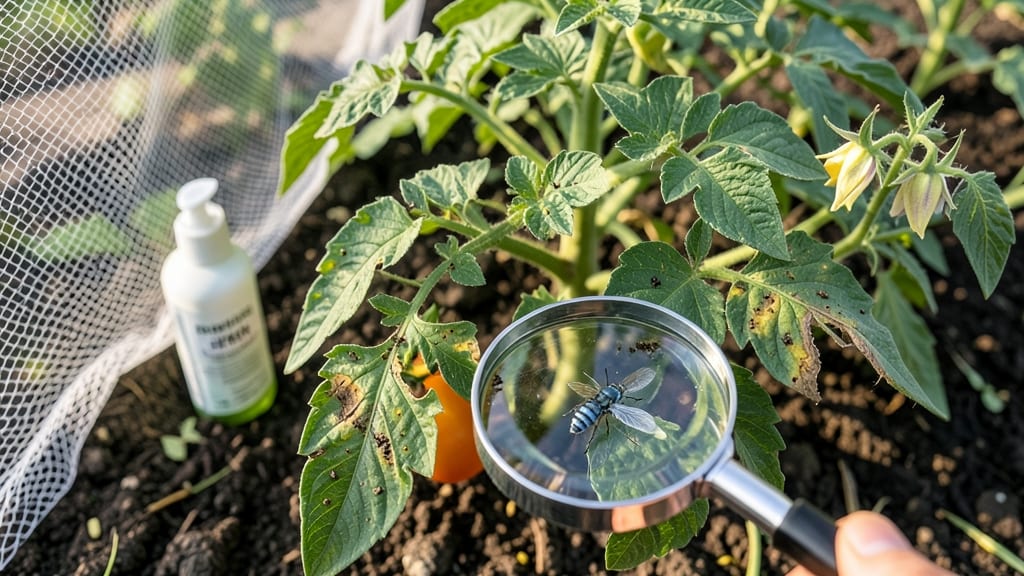
Blotch leaf miners turn your tomato and pepper leaves into a serpentine mess—white blotches that spread like ink on paper. 🌿 I’ve battled these tiny pests for years, and the key to stopping them fast is acting before they skeletonize your plants.
The damage starts small but escalates quickly, so organic sprays like neem oil or insecticidal soap become your first line of defense. These pests thrive in warm, humid conditions, which means your summer garden is prime real estate for them. The good news?
A single targeted spray in the early stages can stop the infestation before it takes hold. I’ve seen complete turnarounds in just 7-10 days with consistent treatment, and the right mix of organic controls keeps them from returning season after season.
By the end of this, you’ll know exactly which sprays to use, when to apply them, and how to prevent future outbreaks. Your plants will stay lush and productive, and those pesky white trails will become a thing of the past.
The secret lies in timing and consistency—catch the miners early, and you’ll avoid the worst damage. Most gardeners overlook the first signs, but those tiny white blotches are your warning.
A quick spray with neem oil (mixed properly) disrupts their life cycle, while introducing beneficial insects like parasitic wasps adds long-term protection.
This method works for tomatoes, peppers, brassicas, and even ornamentals. No more watching your harvest shrink because of unseen pests. You’ll be back to enjoying healthy, thriving plants in no time.
Root Causes Of Leaf Damage
Blotch leaf miners—those tiny, destructive larvae—don’t just appear out of nowhere. Their presence is almost always tied to specific conditions in your garden or greenhouse. Understanding these triggers is the first step to stopping them before they wreak havoc on your plants.
Below, we break down the key factors that turn your foliage into a buffet for these pests.
Healthy plants are naturally resistant to many pests, including leaf miners. But when plants are stressed, their defenses drop, making them prime targets. Here’s what weakens them:
- Poor nutrition: A lack of essential nutrients (especially nitrogen, phosphorus, and potassium) leaves plants vulnerable. Leaf miners thrive on plants that are already struggling to grow.
- Overcrowding: When plants compete for sunlight, water, and air circulation, their leaves become thinner and more susceptible to larval feeding.
- Water stress: Both overwatering (leading to root rot) and underwatering (causing drought stress) create ideal conditions for miners to exploit weakened foliage.
Actionable fix: Regularly fertilize with a balanced organic formula (like compost tea or fish emulsion) and prune to improve airflow. 💡 Pro tip: Mulch around plants to retain moisture and reduce stress.
Leaf miners don’t strike at random—their life cycles are highly predictable, and outbreaks often coincide with specific seasonal patterns:
- Warm, humid seasons: Miners (like the Liriomyza species) thrive in temperatures between 65–85°F (18–30°C). If your area has prolonged warmth and high humidity, larvae will hatch and feed aggressively.
- New growth phases: Young, tender leaves are a favorite snack for miners because they’re easier to penetrate. Spring and early summer are peak times for infestations.
- Adult fly activity: Female miners lay eggs on the undersides of leaves. If adults are present (often unnoticed), their offspring will soon follow, causing visible blotches.
Actionable fix: Monitor plants during warm, humid periods and inspect undersides of leaves for tiny white eggs or serpentine mines. 🌡️ Pro tip: Use yellow sticky traps to catch adult flies before they lay eggs.
Not all plants are equally appealing to leaf miners. These pests have specific favorites, and once they find a suitable host, they’ll stick around:
| High-Risk Plants | Why They’re Targeted |
|---|---|
| Tomatoes, peppers, eggplants | Soft, broad leaves provide easy access for larvae to tunnel. |
| Cucumbers, melons, squash | Fast-growing vines offer abundant food sources for prolonged feeding. |
| Herbs (basil, parsley, cilantro) | Delicate leaves are prime real estate for egg-laying females. |
| Houseplants (pothos, philodendron) | Indoor environments with stable warmth and humidity create ideal conditions. |
Actionable fix: Rotate crops annually to disrupt miner life cycles and avoid planting high-risk species too close together. ✨ Pro tip: Interplant with marigolds or nasturtiums—their strong scents can deter adult flies.
By addressing these core causes—plant health, seasonal timing, and host preferences—you can create an environment where leaf miners struggle to survive. The next step? Organic sprays and traps to kick them out for good.
Quick Fixes for Leaf Damage
Now that you understand what’s causing those unsightly blotches and tunnels in your leaves, it’s time to take action! The good news is that with the right approach, you can restore your plants to their healthy, vibrant selves—without relying on harsh chemicals.
Below are practical, organic solutions tailored to the root causes of leaf miner damage, along with prevention tips to keep your garden thriving long-term.
The first line of defense? Early intervention. Leaf miners start as tiny eggs, and once they hatch, they burrow into leaves, making them nearly impossible to remove without damaging the plant. Here’s how to act fast:
- 🍳 Inspect leaves daily (especially undersides) for early signs like tiny white eggs or serpentine trails.
- 👨🍳 Snip or pluck infested leaves with gloves—drop them into a sealed bag and dispose of them in the trash (not compost).
- 🥘 Focus on new growth first, as miners often target tender leaves.
- ⏰ Time it right: Do this in the early morning when pests are least active, and repeat every 2–3 days until no more eggs or larvae are visible.
Pro Tip: 💡 Use a hand lens (magnifying glass) to spot eggs before they hatch—this can save your plants from a full-blown infestation!
Once larvae are present, you’ll need a multi-pronged approach to suffocate them and deter future attacks. These DIY sprays are safe for plants, pets, and people:
🔪 Neem Oil Spray (Best for All Stages)
Neem oil disrupts the life cycle of leaf miners by smothering eggs and larvae while repelling adults. It’s also a fungicide, so it’s a two-for-one solution!
How to Make It:
- Mix 1 tbsp neem oil + 1 tsp mild liquid soap (like castile soap) in 1 quart of water.
- Add 1 tsp horticultural oil (optional, for extra stickiness).
- Stir well and spray thoroughly on both sides of leaves, especially undersides.
- Reapply every 5–7 days until no new damage appears.
When to Use: 🌡️ Early morning or late evening (avoid direct sunlight, which can burn leaves).
🥗 Kaolin Clay Spray (Physical Barrier)
This white, clay-based spray coats leaves, making them unappealing and difficult for miners to penetrate. It also reflects sunlight, reducing stress on plants.
How to Make It:
- Mix 2 tbsp kaolin clay powder (like Surround WP) with 1 gallon of water.
- Add 1 tsp soap to help it stick.
- Shake well and spray evenly on leaves.
- Reapply after rain or every 7–10 days.
Bonus: 🎯 Works well on vegetables, fruits, and ornamentals—safe for edible plants!
🍎 Insecticidal Soap (For Active Larvae)
If you catch an infestation early, insecticidal soap can drown larvae on contact. It’s fast-acting but must be reapplied frequently.
How to Use:
- Buy a pre-mixed soap (like Safer® Insect Killing Soap) or mix 1.5 tbsp castile soap in 1 quart of water.
- Spray directly on larvae (you’ll see them moving in tunnels).
- Reapply every 2–3 days for 2 weeks.
Caution: ⚠️ Avoid spraying in direct sunlight—it can harm plants.
The best way to stop leaf miners for good is to break their life cycle and make your garden less inviting. Try these proactive steps:
💡 Garden Hygiene
- 🍂 Remove debris (fallen leaves, mulch) where miners overwinter.
- 🌿 Rotate crops if growing vegetables—miners target the same plants year after year.
- 🪴 Prune regularly to improve airflow and reduce hiding spots.
🌿 Natural Predators
Encourage beneficial insects that eat leaf miners:
- 🐞 Parasitic wasps (like Diglyphus isaea) lay eggs inside miner larvae—release them near infested plants.
- 🐸 Ladybugs and lacewings also help—plant dill, fennel, or marigolds to attract them.
- 🐍 Birds and spiders eat adult miners—install birdhouses or spider-friendly plants.
🌡️ Soil and Plant Health
Healthy plants resist pests better! Boost defenses with:
- 💧 Consistent watering (avoid drought stress).
- 🌱 Balanced fertilizer (too much nitrogen attracts pests).
- 🍅 Companion planting (e.g., basil near tomatoes deters miners).
🛡️ Physical Barriers
- 🍅 Row covers (fine mesh) over young plants block adult flies from laying eggs.
- 🌿 Yellow sticky traps catch adult miners before they reproduce.
| Step | Action | Frequency |
|---|---|---|
| Inspect | Check leaves daily for eggs/larvae | Every 2–3 days |
| Remove | Snip infested leaves | As needed |
| Spray | Neem oil or kaolin clay | Every 5–7 days |
| Encourage | Release parasitic wasps or plant predator-friendly flowers | Once (or seasonally) |
| Prevent | Clean garden, rotate crops, use row covers | Ongoing |
By combining immediate action with long-term prevention, you’ll eliminate blotch leaf miners and keep your plants lush and pest-free. Start today—your garden will thank you! 🌿💚
Frequently asked questions
How can I tell if my plants have blotch leaf miners vs. other leaf damage?
Look for serpentine white trails or blotchy brown patches between leaf veins—these are classic miner signs. Unlike fungal spots (which appear random), miner damage follows precise paths where larvae feed. Check leaf undersides for tiny white eggs or small holes where larvae enter.
Will neem oil work if I only spray the tops of leaves?
No! Adult miners lay eggs on leaf undersides, so you must spray both sides thoroughly. For best results, apply neem oil in the evening when pests are less active. Reapply every 5-7 days until no new damage appears.
Can I still eat produce from plants with leaf miners?
Yes, but focus on lower leaves first since miners typically start at the top. Wash produce thoroughly before eating. Avoid heavily infested leaves—they may have higher pesticide residue if you've used chemical treatments.
How do I know if my infestation is severe enough for chemical controls?
If you see more than 20% leaf damage or miners on multiple plant types, consider pyrethrin-based sprays as a last resort. For organic gardens, combine neem oil with parasitic wasps instead—this two-pronged approach often works better than chemicals alone.
Why do I keep getting miners even after treating my plants?
Miners often return because adults emerge from overwintering pupae in soil/debris. Clean up fallen leaves, rotate crops, and use yellow sticky traps to catch new adults before they lay eggs. Consistent early morning inspections catch reinfestations fast.