
Planting
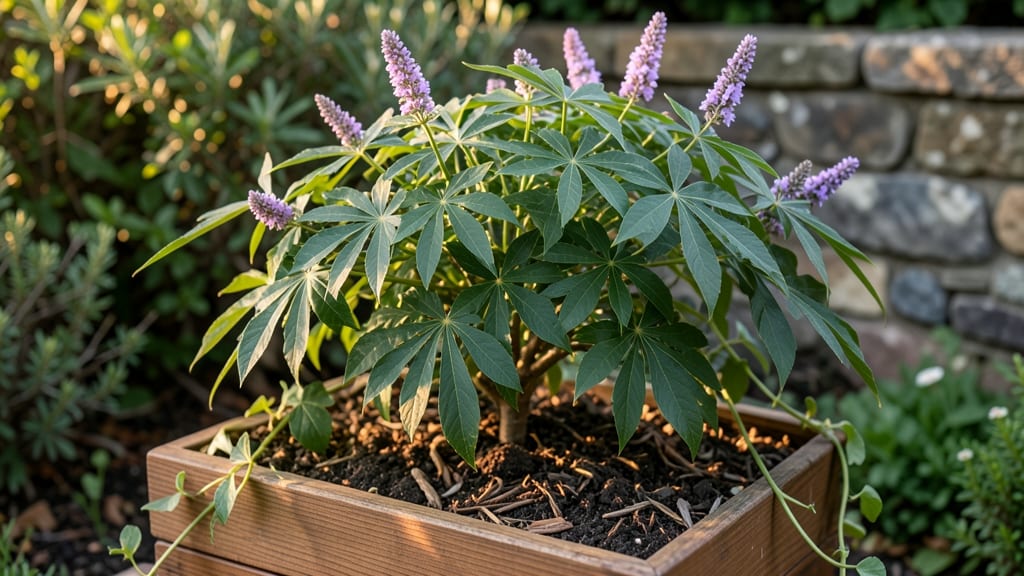
That five-leaf climbing plant reaching for your balcony railing is a game-changer for small spaces. 🌿 I’ve grown Virginia creeper and Boston ivy in containers for years—they turn bare walls into lush green backdrops without needing a yard.
The key is matching their fast growth to the right setup, and I’ll show you exactly how.
These plants thrive in morning sun to partial shade, so they’re perfect for patios or north-facing balconies. Use well-draining potting mix with organic compost (avoid heavy clay), and space vines 12–18 inches apart to prevent overcrowding.
A 5-gallon container works for small varieties, while larger climbers need 10+ gallons to support their weight.
Water when the top inch of soil feels dry, and fertilize monthly with a balanced liquid feed during spring and summer. Prune leggy stems in early spring to encourage bushier growth—just snip back to a leaf node.
With the right care, you’ll have a year-round green curtain that even attracts birds and butterflies.
Bonus: These plants handle urban air pollution better than many others, making them ideal for city gardens. Troubleshoot yellow leaves by checking drainage, and watch for spider mites—just spray with water to deter them. Ready to transform your space?
Root Causes Behind Leaf Loss
Understanding why your climbing vine (like a Hoya, Philodendron, or Monstera) suddenly drops its leaves—or worse, fails to develop new ones—can feel like solving a botanical mystery.
But don’t worry! Most issues stem from a few key factors. Let’s break them down with science-backed explanations so you can diagnose and fix the problem like a pro.
The Problem: Soggy soil is the #1 enemy of healthy vines. When roots sit in waterlogged conditions, they suffocate, leading to root rot—a fungal infection that cuts off nutrient and water flow. Without proper oxygen, roots decay, and your plant sheds leaves as a survival mechanism.
Why It Happens:
- Compacted or heavy soil (like clay) doesn’t drain well, trapping excess moisture.
- Overzealous watering (especially in low-light conditions) tricks roots into thinking they’re drowning.
- No drainage holes in pots force water to pool at the bottom, creating a breeding ground for pathogens.
Actionable Fix:
- Test your soil: Stick your finger 2 inches deep—if it’s damp, wait before watering. Aim for the "dry-top" method: Water only when the top inch feels dry.
- Upgrade your pot: Use containers with drainage holes and switch to a well-aerated mix (e.g., 60% potting soil, 30% perlite, 10% orchid bark).
- Terracotta to the rescue: These pots wick away moisture faster than plastic.
The Problem: Vines like Philodendron hederaceum or Pothos thrive in bright, indirect light, but too much direct sun (or a dark corner) can shock them into dropping leaves. Think of it like sunburn—too much UV damage triggers leaf loss as a protective response.
Why It Happens:
- Direct sunlight (especially midday rays) causes photoxidative stress, where chlorophyll breaks down faster than the plant can repair it.
- Low light weakens photosynthesis, leading to nutrient deficiencies and leaf drop as the plant conserves energy.
- Sudden moves (e.g., bringing a shade-loving vine into harsh light) can cause transpiration shock, where leaves lose moisture faster than roots can supply it.
Actionable Fix:
- Find the Goldilocks zone: Most tropical vines love bright, filtered light (east or north-facing windows). If outdoors, dappled shade is ideal.
- Acclimate gradually: Move plants slowly over 1–2 weeks if relocating, especially in summer.
- Rotate occasionally: Turn pots weekly to ensure even growth and prevent lopsided light exposure.
The Problem: Tropical vines are temperature-sensitive and thrive in stable, humid conditions. Extreme heat, cold drafts, or dry air trigger stress responses, including leaf drop.
Why It Happens:
- Cold drafts (from AC vents, doors, or winter windows) cause physiological drought, where roots can’t absorb water fast enough.
- Low humidity (below 40%) leads to transpiration stress, drying out leaves from the edges inward (a classic sign of browning tips).
- Heatwaves (above 90°F/32°C) can denature enzymes in leaves, halting growth and causing wilting or drop-off.
Actionable Fix:
- Monitor your microclimate: Ideal temps are 65–80°F (18–27°C). Avoid placing vines near heaters, vents, or cold windows.
- Boost humidity: Use a pebble tray, humidifier, or mist leaves lightly (but not in direct sun to prevent fungal issues).
- Group plants together: They create a mini humid environment through transpiration.
The Problem: Leaves may drop due to starvation (lack of key nutrients) or burn (too much fertilizer). Think of it like eating nothing but candy—you’ll crash!
Why It Happens:
- Nitrogen deficiency (pale, yellowing leaves) weakens the plant’s ability to produce new foliage.
- Potassium/magnesium shortages (brown leaf edges) disrupt water regulation and energy transfer.
- Over-fertilizing (especially with synthetic blends) salts the soil, preventing roots from absorbing water and nutrients.
Actionable Fix:
- Feed lightly: Use a balanced liquid fertilizer (10-10-10 or 20-20-20) every 4–6 weeks in growing season (spring–fall). Dilute to half-strength to avoid burn.
- Flush the soil: Once a month, run water through the pot for 10 minutes to leach out excess salts.
- Diagnose visually:
- Yellow leaves? → Nitrogen deficiency (add compost or fish emulsion).
- Brown edges? → Potassium/magnesium (use Epsom salt spray or a balanced fertilizer).
The Problem: Hidden invaders like spider mites, thrips, or fungal pathogens (e.g., powdery mildew) sap your vine’s energy, leading to premature leaf drop.
Why It Happens:
- Spider mites (tiny red pests) suck sap, causing yellow stippling and leaf fall.
- Fungal infections (like Phytophthora root rot) thrive in overwatered, stagnant soil.
- Aphids or mealybugs excrete honeydew, fostering sooty mold and weakening the plant.
Actionable Fix:
- Inspect regularly: Check undersides of leaves and new growth for webs, sticky residue, or white cottony clusters.
- Treat early:
- Pests: Spray with neem oil or insecticidal soap (repeat weekly for 2–3 weeks).
- Fungus: Apply copper fungicide or baking soda spray (1 tsp baking soda + 1 quart water + drop of soap).
- Quarantine new plants for 2 weeks to prevent outbreaks.
The Problem: When roots circle the pot or outgrow their space, they can’t absorb nutrients efficiently, leading to stunted growth and leaf drop.
Why It Happens:
- Small pots restrict root expansion, causing oxygen deprivation and competition for resources.
- Hardwater or compacted roots (from repotting too late) strangle growth.
Actionable Fix:
- Check for root escapees: If roots circle the pot like a pretzel, it’s time to uproot and repot.
- Repot every 1–2 years (spring is best) into a container 2 inches larger with fresh soil.
- Loosen roots gently during repotting to encourage outward growth.
Pro Tip: 💡 Keep a plant journal! Track watering, light, and changes—patterns will reveal the exact trigger for leaf loss. Most vines recover quickly once the root cause is fixed!
Quick Fixes for Climbing Vine
Reviving a struggling 5-leaf climbing plant (like the lush Parthenocissus quinquefolia or Hedera helix) starts with addressing its core needs—light, water, and support. Below, we’ve mapped out practical solutions for common issues, from yellowing leaves to stunted growth, along with prevention tips to keep your vine thriving long-term.
Cause: Too much or too little moisture stresses the plant, causing leaves to wilt, yellow, or develop brown edges.
Fix It:
- Check the Soil 🌱
- Stick your finger 1–2 inches deep into the soil. If it’s soggy, the plant is overwatered. If dry, it’s thirsty.
- Test: Lift the pot—if it feels heavy, drain excess water immediately.
- Adjust Your Watering Routine 💧 - Overwatered? Let the top 2–3 inches of soil dry out before watering again. Use a pot with drainage holes and a cache pot (tray) to catch excess. - Underwatered? Water deeply until it drains from the bottom, then empty the tray.
Repeat every 7–10 days (adjust for humidity/climate).
- Boost Airflow 🌬️
- Trim crowded leaves or move the plant to a bright, indirect spot (e.g., near a window but not in direct sun). Poor airflow traps moisture, inviting fungus.
Prevention Tips: ✅ Use well-draining soil (mix potting soil with perlite or orchid bark). ✅ Water in the morning so excess evaporates by night. ✅ Mist leaves lightly 2–3 times a week in dry climates.
Cause: Climbing plants like Parthenocissus need bright, indirect light to grow strong. Too little light = weak stems and sparse leaves.
Fix It:
- Move It Closer to Light ☀️
- Place near an east- or north-facing window. If indoors, supplement with a grow light (12–14 hours/day) if natural light is limited.
- Pro Tip: Rotate the pot quarter-turn weekly for even growth.
- Prune Strategically ✂️
- Trim overly long or bare stems to encourage bushier growth. Cut just above a leaf node (where leaves grow).
- Pinch back new growth in early spring to redirect energy to thicker vines.
- Fertilize Lightly 🌱
- Use a balanced liquid fertilizer (10-10-10) once a month during spring/summer. Dilute to half-strength to avoid burning roots.
Prevention Tips: 💡 Avoid deep shade—even bathrooms or dim corners can stunt growth. 💡 Train vines early by gently tying them to a trellis or wall to encourage upward growth.
Cause: Soft-bodied pests suck sap, causing sticky residue (honeydew), curled leaves, or black sooty mold.
Fix It:
- Isolate and Inspect 🔍
- Move the plant away from others to prevent spread. Check undersides of leaves and stems for pests.
- Blast Off Pests 💦 - For small infestations: Spray leaves with soapy water (1 tsp mild dish soap + 1 quart water). Repeat every 3–4 days. - For stubborn pests: Use neem oil spray (1 tsp neem oil + 1 quart water + drop of dish soap).
Spray evenly and reapply weekly.
- Encourage Natural Predators 🐞
- Release ladybugs or lacewings (available at garden centers) to eat aphids naturally.
Prevention Tips: ✨ Wipe leaves monthly with a damp cloth to remove eggs/honeydew. ✨ Quarantine new plants for 2 weeks before introducing them to your collection.
Cause: Dry air or minerals in tap water cause crispy, brown edges on leaves.
Fix It:
- Increase Humidity 🌧️
- Place the pot on a pebble tray filled with water (ensure the pot sits above the water).
- Use a humidifier nearby or group plants together.
- Switch to Filtered Water 🚰
- If your water is hard (high in minerals), use rainwater, distilled water, or filtered water to water the plant.
- Trim Damaged Leaves ✂️
- Snip off brown tips with clean scissors to redirect energy to healthy growth.
Prevention Tips: 💡 Mist leaves 2–3 times a week in dry climates. 💡 Flush the soil every 2 months with water to leach out excess salts.
Cause: Some climbing plants (like Parthenocissus) focus on vine growth before flowering. Others need more sunlight to produce berries.
Fix It:
- Maximize Sun Exposure ☀️
- Move outdoors in spring/summer for 4–6 hours of morning sun. Avoid harsh afternoon sun, which can scorch leaves.
- For indoor plants: Place near a south-facing window or under a grow light.
- Be Patient ⏳
- Young vines (under 2 years) may not flower. Provide consistent care for 1–2 years before expecting blooms.
- Fertilize for Blooms 🌸
- Switch to a phosphorus-rich fertilizer (e.g., 5-10-5) in early spring to encourage flowering.
Prevention Tips: 🎯 Avoid over-fertilizing—too much nitrogen = leafy growth, fewer flowers. 🎯 Prune after flowering to promote next year’s blooms.
Cause: Overwatering + poor drainage = mushy, black roots and wilting leaves.
Fix It:
- Act Fast ⏰
- Remove the plant from the pot and rinse roots with water to wash away soil.
- Trim black/mushy roots with sterilized scissors.
- Repot in Fresh Soil 🌱
- Use a clean pot with fresh, well-draining soil (add perlite or orchid bark).
- Avoid watering for 3–5 days to let roots heal.
- Prevent Future Rot 🛡️
- Water only when the top 2 inches of soil are dry.
- Ensure the pot has drainage holes and use a terracotta pot (breathes better than plastic).
Prevention Tips: 🔥 Never let the plant sit in saucers of water—empty trays after watering. 🔥 Use fungicide (like copper-based spray) if repotting after rot.
Frequently asked questions
What are the most common types of 5-leaf climbing plants?
The two most popular varieties are Virginia Creeper (Parthenocissus quinquefolia) and Boston Ivy (Parthenocissus tricuspidata). Both feature distinctive five leaflets per compound leaf and are excellent for covering walls or trellises. Virginia Creeper turns brilliant red in fall, while Boston Ivy offers vibrant purple berries.
Can I grow a 5-leaf climbing plant indoors?
Yes, but choose dwarf varieties like Boston Ivy 'Veitchii' or Virginia Creeper 'Engelmannii'. These stay manageable in 10–15 gallon containers and thrive near east or north-facing windows. Use a well-draining potting mix and supplement with grow lights if natural light is limited. Expect slower growth indoors compared to outdoor conditions.
How do I train a climbing vine with 5 leaves?
Start by attaching young vines to a trellis, fence, or wall using soft plant ties or twine. Gently weave the vines through the support structure, securing them every 12–18 inches as they grow. Prune leggy stems in early spring to encourage bushier growth, and remove any dead or crossing vines to improve airflow and light penetration.
Are 5-leaf climbing plants toxic to pets?
Both Virginia Creeper and Boston Ivy are non-toxic to cats and dogs according to the ASPCA. However, the berries may cause mild stomach upset if ingested in large quantities. If you have pets, monitor their interest in chewing the leaves or berries, especially during the fruiting season when berries are most tempting.
How fast do 5-leaf climbing plants grow?
These vines are fast growers, typically adding 3–6 feet per year under ideal conditions. In optimal climates (USDA zones 3–9), they can reach 30–50 feet when given proper support. For container-grown plants, growth slows to 1–2 feet per year, making them more manageable for patios and balconies.