
Planting
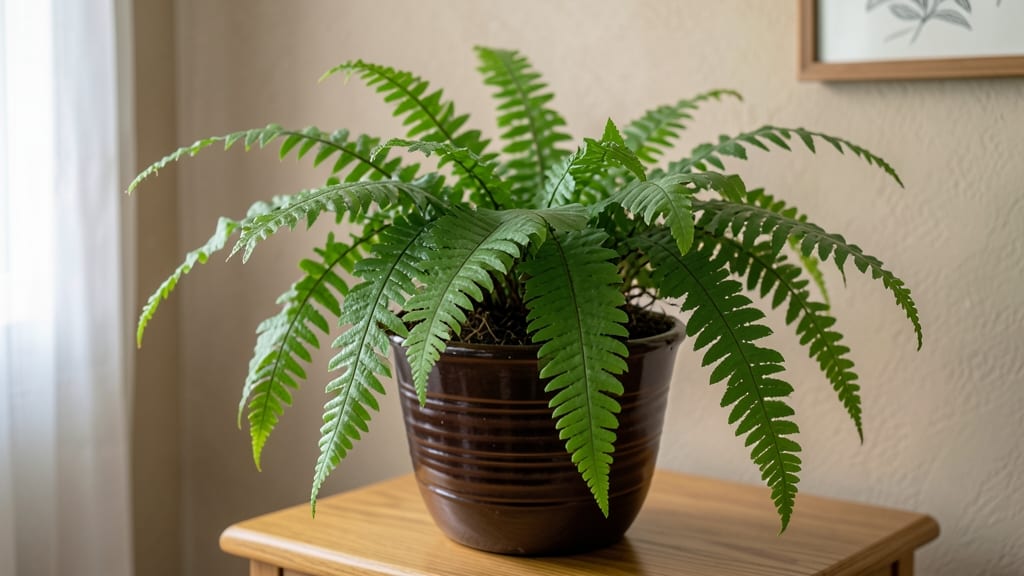
Growing a 5-leaf shiny plant fast means starting with the right species—like young potato plants, coleus, or heuchera. 🌱 These plants shoot up with glossy leaves that catch the light, making them perfect for adding instant color to your indoor space.
The secret isn’t fancy care; it’s matching their natural speed with simple conditions they love.
Most beginners overthink light, but these plants thrive in bright, indirect sunlight—think near an east-facing window or under a grow light for 6-8 hours a day. Water when the top inch of soil feels dry, and use well-draining potting mix to keep roots happy.
Within 4-6 weeks, you’ll see those shiny leaves popping with vibrant colors, whether you’re growing them in pots or tucked into garden beds.
Propagation is where the real magic happens. Snip a healthy stem with 3-5 leaves, dip it in rooting hormone (optional but helpful), and place it in moist soil. Keep it warm and humid, and within 2-3 weeks, you’ll have a new plant ready to grow.
This method lets you multiply your collection without spending a dime.
Common issues like yellowing leaves or slow growth usually mean too much water or not enough light. Adjust your care, and you’ll keep these fast growers thriving all season long. Perfect for beginners and experienced gardeners alike!
Root Causes Of Leaf Shine Loss
Understanding why your glossy-leaved plant loses its signature shine is the first step to restoring its vibrant health. The 5-leaf shiny plant (often Pilea peperomioides or similar glossy foliage varieties) thrives on precise care, and deviations can dull its leaves.
Below are the most common culprits—each with a scientific twist and actionable fixes.
Why it happens: Excess moisture triggers anaerobic conditions in the soil, where roots struggle to absorb oxygen. This stress forces the plant to prioritize survival over leaf wax production (the natural, reflective coating that gives it that mirror-like shine). Overwatering also promotes fungal growth (like Phytophthora), which clogs root pores and disrupts nutrient uptake—directly impacting leaf luster.
Key signs:
- Yellowing edges or brown, mushy roots when checked.
- Soil that stays soggy for days after watering.
- Leaves developing a dull, waterlogged appearance (like a foggy window).
Fix it:
- Test the soil: Stick your finger 1–2 inches deep—if it’s damp, wait. Aim for 60% dryness between waterings.
- Upgrade drainage: Use a pot with drainage holes and a mix of 60% potting soil, 20% perlite, and 20% orchid bark to prevent compaction.
- Water wisely: Use the "soak-and-dry" method—water thoroughly until it drains, then empty the saucer. Repeat every 7–10 days (adjust for humidity).
Why it happens: Shiny-leaved plants (like Pilea) rely on moderate, indirect light to maintain their cuticular wax layer—a protective, reflective coating. Too little light weakens photosynthesis, reducing energy for wax production. Too much direct sun causes sunburn, where cells rupture and leak sap, leaving a sticky, dull residue.
Key signs:
- Bleached or crispy patches on leaves (sunburn).
- Leaves growing leggy (stretching toward light) with dull, pale undersides.
- New growth lacking shine (old leaves may still glisten).
Fix it:
- Ideal light: Bright, indirect light (e.g., 2–3 feet from an east-facing window). Avoid south/west-facing windows unless filtered with a sheer curtain.
- Rotate weekly: Turn the pot ¼ turn to ensure even growth.
- Supplement if needed: Use a grow light (12–14 hours/day) if natural light is dim (e.g., winter or north-facing rooms).
Why it happens: These plants originate in humid, stable climates (tropical forests). Sudden changes—like dry air from HVAC or cold drafts—disrupt the stomatal function (tiny leaf pores). When stomata close to retain moisture, the leaf’s transpiration rate drops, causing wax layers to degrade. Low humidity also attracts spider mites, which pierce cells and leave a dull, webbing-covered surface.
Key signs:
- Brown tips or edges (a classic humidity deficit symptom).
- Sticky residue (honeydew from pests like aphids).
- Leaves curling inward (attempting to reduce surface area).
Fix it:
- Humidity hack: Place the pot on a pebble tray with water or use a humidifier (aim for 50–60% humidity).
- Avoid drafts: Keep away from AC vents, doors, or windows that drop temps below 60°F (15°C).
- Mist lightly: Use room-temperature water in the morning to mimic dew (but avoid wetting leaves at night—fungal risk!).
Why it happens: A dull leaf isn’t always about water or light—nutrient deficiencies (especially magnesium or calcium) weaken the cell walls, making leaves soft and prone to damage.
Meanwhile, sap-sucking pests (like mealybugs or scale) inject toxins that disrupt chlorophyll production, turning leaves mottled and lackluster.
Key signs:
- Yellow veins (magnesium deficiency) or purple stems (phosphorus deficiency).
- White cottony patches (mealybugs) or sticky leaves (aphids).
- New leaves emerging dull (old leaves may still shine).
Fix it:
- Fertilize smart: Use a balanced liquid fertilizer (10-10-10) once a month in spring/summer. Dilute to half-strength to avoid salt buildup.
- Inspect leaves: Wipe down leaves with a soapy sponge (1 tsp mild soap per gallon of water) to remove pests.
- Neem oil spray: Apply weekly for 2 weeks to smother pests and deter future infestations.
Why it happens: Plants like Pilea have delicate root systems. Repotting too often (every 6 months) or disturbing roots during transplant shocks the plant, triggering transpirational stress. The plant diverts energy to root recovery instead of wax production, leading to dull, wilted leaves for weeks.
Key signs:
- Leaves dropping post-repot.
- New growth stunted or yellowing at the base.
- Soil pulling away from the pot edges (roots not anchoring).
Fix it:
- Repot only when needed: Check roots—if they’re circling the pot or poking through drainage holes, repot into a 1-inch-larger container.
- Gentle handling: Loosen roots before placing in new soil to minimize breakage.
- Post-repot care: Keep the plant in bright, indirect light and avoid watering for 3–5 days to reduce shock.
Fixing Common Glossy Leaf Plant Woes
Got a 5-leaf shiny plant (like Pothos, Philodendron, or Syngonium) that’s not thriving? Don’t panic! Most issues—from dull leaves to droopy stems—have simple fixes. Below, we’ll tackle the most common problems with practical, step-by-step solutions and prevention tips to keep your plant lush and vibrant.
Cause: Soggy soil from overwatering or a pot without drainage holes traps moisture, leading to root rot. Fix: 🔥 Step 1: Check the Soil – Stick your finger 1-2 inches deep into the soil. If it’s damp, wait before watering again. 🍳 Step 2: Repot if Needed – If the roots smell foul or look mushy, remove the plant gently, trim the rotten roots with sterilized scissors, and repot in fresh, well-draining soil (mix potting soil with perlite or orchid bark). 👨🍳 Step 3: Adjust Watering – Water only when the top 1-2 inches of soil are dry. Use a pot with drainage holes and a cache pot (tray) underneath to catch excess water. 🥘 Step 4: Improve Airflow – Move your plant to a spot with indirect light and gentle breezes (e.g., near a window with a fan).
💡 Prevention Tip: Use a moisture meter or terracotta pot (dries out faster) to monitor soil moisture.
Cause: Crispy edges or limp stems often mean underwatering, but they can also signal root-bound plants or low humidity. Fix: 🔥 Step 1: Soak the Roots – Place the pot in a tray of water for 15-20 minutes to rehydrate the soil. Avoid soggy soil afterward. 🍳 Step 2: Check for Root Bound – If roots circle the pot’s bottom, it’s time to upgrade to a slightly larger pot (1-2 inches wider). 👨🍳 Step 3: Boost Humidity – Mist the leaves 2-3 times a week or place a pebble tray with water nearby. Grouping plants together also helps! 🥘 Step 4: Trim Damaged Leaves – If leaves are too crispy, snip them off at the base with clean scissors to encourage new growth.
🌡️ Prevention Tip: Water deeply but less frequently—better to underwater slightly than drown the roots.
Cause: Tap water with fluoride or chlorine can scorch leaves, while dry air (common in winter) causes brown tips. Fix: 🔥 Step 1: Use Filtered or Rainwater – If your tap water is hard, collect rainwater or use a water filter (like a Brita) to reduce chemicals. 🍳 Step 2: Wipe Leaves Weekly – Dust and residue trap moisture, so gently wipe leaves with a damp microfiber cloth. 👨🍳 Step 3: Increase Humidity – Place a humidifier nearby or mist leaves daily (avoid getting water in the crown). 🥘 Step 4: Prune Affected Areas – Trim brown tips with sterilized scissors, leaving healthy green tissue.
✨ Pro Tip: Group plants together to create a mini humid microclimate!
Cause: Stretching vines or small leaves mean your plant isn’t getting enough indirect light (6-8 hours/day). Fix: 🔥 Step 1: Move to Brighter Light – Place near an east or north-facing window. Avoid direct sun, which can scorch leaves. 🍳 Step 2: Rotate the Pot – Turn the plant quarter-turn weekly so all sides get even light. 👨🍳 Step 3: Supplement with Grow Lights – If natural light is weak, use a LED grow light (12-14 hours/day) 6-12 inches away. 🥘 Step 4: Fertilize Lightly – Use a balanced liquid fertilizer (like 10-10-10) every 4-6 weeks in spring/summer.
🎯 Prevention Tip: If leaves look pale or stems stretch, it’s time to relocate—gradually adjust to avoid shock.
Cause: Sticky residue, tiny webs, or white cottony spots mean pests are sucking plant sap. Fix: 🔥 Step 1: Isolate the Plant – Move it away from others to prevent spreading. 🍳 Step 2: Wipe Off Pests – Use a soapy water solution (1 tsp mild soap per quart of water) and cotton swab to remove bugs. 👨🍳 Step 3: Spray with Neem Oil – Mix 1 tsp neem oil + 1 tsp dish soap + 1 quart water, spray every 5-7 days until pests vanish. 🥘 Step 4: Introduce Beneficial Insects – Release ladybugs or lacewings (available at garden centers) for natural pest control.
💡 Prevention Tip: Inspect new plants before bringing them home and quarantine them for 2 weeks.
Final Thought: Most glossy-leafed plants are forgiving—they bounce back with the right care! Start with soil checks, light adjustments, and humidity tweaks, and you’ll see new growth in weeks. 🌿✨
Frequently asked questions
What are the most common types of 5-leaf shiny plants?
The most popular varieties include Pilea peperomioides (Chinese money plant), young Coleus varieties, Heuchera (coral bells), and early-stage potato plants. These all feature those signature glossy, five-leaf formations that make them so eye-catching! Each has slightly different care needs, but they all thrive in bright, indirect light.
How do I know if my plant needs more light?
Watch for leggy stems or leaves growing farther apart than normal—this is your plant stretching toward light. If the leaves also become smaller or lose their shine, it’s definitely time to move it to a brighter spot (like an east-facing window) or add a grow light for 6-8 hours daily.
Can I propagate my 5-leaf shiny plant from cuttings?
Snip a healthy stem with 3-5 leaves, remove the lower leaves, and place it in water or moist soil. For faster results, dip the cut end in rooting hormone. Keep it in warm, humid conditions (like a sealed plastic bag with holes) and you’ll see roots in 2-3 weeks!
Why are my plant's leaves turning yellow?
Yellowing leaves usually mean overwatering or poor drainage. Let the top 1-2 inches of soil dry out between waterings and ensure your pot has drainage holes. If the yellowing is at the tips, it might also signal low humidity—try misting leaves or placing a pebble tray with water nearby.
How often should I fertilize my shiny-leaved plant?
During spring and summer, feed with a balanced liquid fertilizer (like 10-10-10) every 4-6 weeks. In fall and winter, cut back to once every 8-12 weeks since growth slows. Always dilute fertilizer to half-strength to avoid burning delicate roots.