
Shrubs
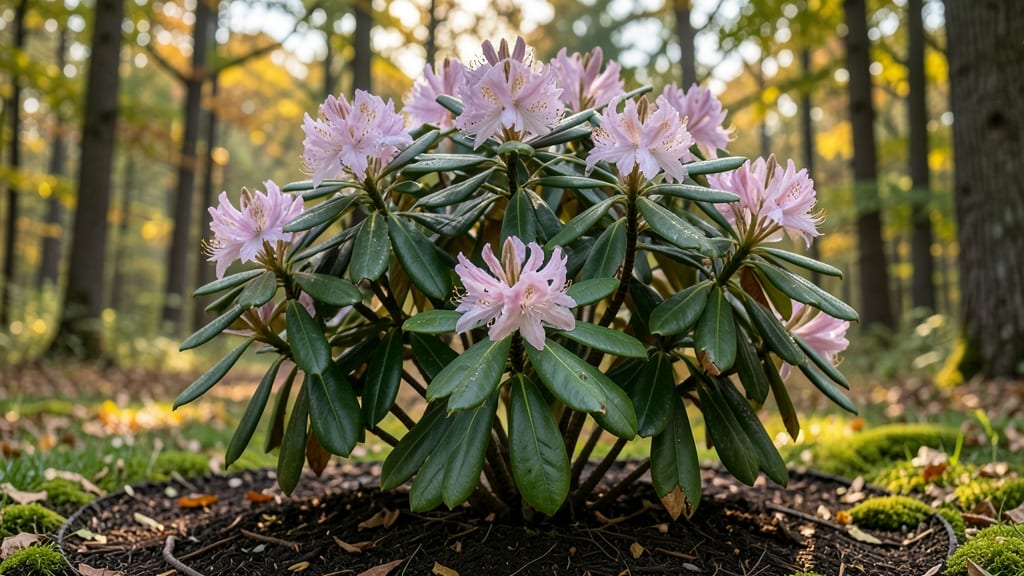
Growing big leaf rhododendrons unlocks a year-round display of deep green, leathery foliage that turns brilliant red in fall. 🌿 I’ve learned the hard way that these acid-loving shrubs demand specific care—or they’ll sulk with yellowing leaves and sparse blooms.
The secret lies in mimicking their Pacific Northwest forest home: rich, acidic soil, consistent moisture, and dappled shade.
These shrubs thrive in USDA zones 6-9, where cool summers and mild winters keep them happy. In-ground plantings need well-draining, organic soil mixed with peat moss or pine bark, while containers require acidic potting mix and regular leaching to prevent salt buildup.
Watering is critical: keep roots moist but never soggy, especially during the first two years after planting.
Pruning is minimal—just remove dead or crossing branches in late winter or early spring. Fertilize lightly in early spring with an acid-loving plant formula, and avoid high-nitrogen feeds that encourage leaf growth over flowers.
With the right conditions, your rhododendron will reward you with glossy foliage year-round and clusters of fragrant spring blooms.
For beginners, pair with companion plants like ferns, azaleas, or hellebores to create a lush, low-maintenance woodland garden. And if you’re propagating, semi-hardwood cuttings in summer root easily with a little patience. The key? Pay attention to soil pH—these shrubs won’t forgive alkaline conditions.
📚 In This Guide
- What you need
- Instructions
- Tips and common mistakes
- Wrapping up and next steps
What you need
- ● Big leaf rhododendron plant: 1–3 mature plants (for established gardens) or 10–20 seeds (for propagation)
- ● Variety tip: Choose cold-hardy types like Rhododendron macrophyllum or R. ‘Lavender Lakes’ for vibrant foliage.
- ● Soil: 5+ gallons of acidic, well-draining potting mix (pH 4.5–6.0)
- ○ Optional: Peat moss or pine bark fines (1 part per 2 parts regular soil) to boost acidity.
- ● Container (if potted): 1–2 10–15 gallon containers with drainage holes (terracotta or plastic)
- ● Grow bags (for temporary root protection in colder climates).
- ● Fertilizer: Slow-release acid-loving plant fertilizer (e.g., Osmocote or Miracle-Gro Azalea, Camellia & Rhododendron)
- ● 1 tbsp per plant at planting time; repeat every 3 months.
- ● Mulch: 2–3 inches of pine straw or wood chips (avoid cedar—it’s too acidic!).
- ● Garden tools: Trowel or small shovel
- ● Pruning shears (sterilized with rubbing alcohol)
- ● Gloves (to protect from sap and thorns)
- ● pH testing kit: Digital or liquid test kit to monitor soil acidity.
- ● Watering can or hose: With a gentle spray nozzle (avoid overhead watering to prevent fungal issues).
- ● Sunlight assessment: Partial shade spot (4–6 hours of dappled sun daily).
- ○ Optional (but helpful!): Soil amendments: Sulfur or cottonseed meal to adjust pH if needed.
- ● Plant support: Stakes or cages for young/floppy stems.
- ● Shade cloth (30–50% coverage) for hot climates.
Step-by-Step instructions for planting and cultivating big leaf rhododendrons
Here's how to establish these acid-loving beauties for vibrant foliage that thrives season after season.
🪴 Step 1: Select the Perfect Planting Site
Big leaf rhododendrons demand partial shade—think morning sun with afternoon shade or dappled light under tall trees. Avoid full sun spots, which scorch delicate leaves. I test locations by observing how nearby plants grow: if they thrive with 4-6 hours of filtered light, it's ideal. The soil must stay consistently moist but never soggy, so slopes or low spots work best.
Dig a hole twice as wide as the root ball but no deeper—this prevents root suffocation. Amend the native soil with 2-3 inches of organic matter like composted leaves or pine needles. The goal is acidic soil (pH 4.5-6.0), so test your soil first. If it's alkaline, mix in sulfur or peat moss to adjust before planting.
🌱 Step 2: Plant with Proper Spacing and Soil Care
Space plants 6-10 feet apart—crowding invites disease and weakens growth. Place the root ball in the hole so the top sits 1 inch above soil level (never deeper). This prevents waterlogging at the stem. Gently backfill with amended soil, pressing lightly to eliminate air pockets but avoiding compaction.
Water deeply right after planting to settle the soil and eliminate air gaps. Mulch with 3 inches of pine bark or wood chips to retain moisture and acidify the soil over time. Keep mulch 6 inches away from the stem to prevent rot. I always water again after mulching to help it settle properly.
☀️ Step 3: Maintain Ideal Growing Conditions
Water 2-3 times weekly during the first growing season, keeping soil evenly moist but never waterlogged. Big leaf rhododendrons hate dry spells—wilting leaves mean it's time to water. Once established, they tolerate moderate drought but still need 1 inch of water weekly during dry periods. I check soil moisture by sticking my finger 2 inches deep; if dry, it's time to water.
Fertilize in early spring with an acid-forming fertilizer (like rhododendron-specific formula) to encourage lush foliage. Avoid high-nitrogen fertilizers—they burn roots. I also spray foliage with chelated iron annually to prevent yellowing leaves, a common sign of iron deficiency in alkaline soils.
✂️ Step 4: Prune for Health and Shape
Prune right after flowering (late spring) to shape the plant and remove dead or crossing branches. Use clean, sharp pruners to make cuts just above a leaf node. Never prune more than 1/3 of the plant in one season—this stresses the shrub. I always remove any suckers at the base immediately; they drain energy from the main plant.
Watch for yellowing leaves or leaf drop—these signal overwatering, poor drainage, or soil pH issues. If leaves curl, it's often too much sun or dry soil. Adjust care based on these clues. Big leaf rhododendrons reward patience with glossy, evergreen foliage that stays vibrant year-round.
Tips & tricks for perfect big leaf rhododendron cultivation
Between us, these acid-loving shrubs are finicky but worth every ounce of attention—they'll reward you with that signature lush foliage for decades. Here's what I've learned after watching mine thrive (and occasionally struggle) through seasons.
Site Selection Wisdom: That 4-6 hours of filtered light in Step 1 is non-negotiable. I've seen plants in full morning sun develop crispy leaf edges by afternoon—trust me, it's not pretty. Look for locations where nearby hostas or ferns already thrive; they share similar shade preferences. And if your yard only offers full sun, consider planting near a north-facing wall where indirect light dominates.
Soil Preparation Secret: The 2-3 inches of organic matter we're adding isn't just filler—it's your acid buffer system. For alkaline soils (pH above 6.0), I recommend mixing in elemental sulfur at a rate of 1 pound per 100 square feet along with the peat moss. This takes 2-3 months to adjust pH, so test again before planting. Pro tip: Save your coffee grounds—they're a free, slow-release acidifier when worked into the soil.
Watering Strategy: The 2-3 times weekly watering during the first season might seem excessive, but think of it as establishing a moisture reserve. I've found that watering deeply at the same time each morning (like 8 AM) creates predictable soil conditions. For established plants, that 1 inch weekly during dry periods should come from rainfall whenever possible—only supplement with irrigation if you haven't had measurable rain for 7-10 days.
Pruning Precision: When you're pruning right after flowering in late spring, focus on creating an open center that allows air circulation. I always make my cuts at a 45-degree angle just above a leaf node—this encourages new growth from that exact spot. And here's a game-changer: use sterilized pruners (wipe with rubbing alcohol between cuts) to prevent spreading disease through open wounds on the plant.
Pro Tips for Big Leaf Rhododendron
- Between us, these acid-loving shrubs are finicky but worth every ounce of attention—they'll reward you with that signature lush foliage for decades.
- Site Selection Wisdom: That 4-6 hours of filtered light in Step 1 is non-negotiable.
- Soil Preparation Secret: The 2-3 inches of organic matter we're adding isn't just filler—it's your acid buffer system.
Frequently asked questions
Got questions about growing big leaf rhododendrons?
Here are answers to the most common ones—from planting to pruning—so you can keep your shrubs thriving .
How do I know if my soil is acidic enough for big leaf rhododendrons?
Test your soil’s pH with a kit (aim for 4.5–6.0). If it’s too alkaline, amend with sulfur or peat moss 2–3 months before planting. Rhododendrons are acid-loving, so avoid lime or wood ash!
When is the best time to plant big leaf rhododendrons?
Plant in early spring or fall (avoid summer heat or winter frost). This gives roots time to establish before extreme temperatures. If transplanting, water deeply before and after planting to reduce shock.
Can I prune big leaf rhododendrons, and when?
Prune right after flowering (late spring) to shape the shrub. Avoid heavy pruning—these plants bloom on old wood. Remove dead or crossing branches with clean, sharp shears. Never prune in fall or winter.
What pests or diseases should I watch for?
Common issues include lace bugs (silver spots on leaves), root rot (from overwatering), and powdery mildew (white fungal growth). Treat pests with neem oil and ensure well-draining soil to prevent rot.
Are there drought-tolerant alternatives to big leaf rhododendrons?
If your climate is dry, consider dwarf azaleas (like ‘George L. Taber’) or leatherleaf viburnum. These still thrive in acidic soil but handle moderate drought better. Just mulch well to retain moisture!
Wrapping up and next steps
The big leaf rhododendron is a stunning, low-maintenance shrub that rewards gardeners with vibrant foliage and fragrant blooms—when given the right care! 🌿 By mastering its love for acidic soil, consistent moisture, and partial shade, you’ll unlock year-round beauty that brightens any landscape.
Whether you’re a beginner or a seasoned gardener, these secrets make growing big leaf rhododendrons both achievable and rewarding.
Ready to transform your garden? Start by testing your soil’s pH and prep your planting site this weekend—your rhododendron’s future lushness depends on it! 🌱