
Plants
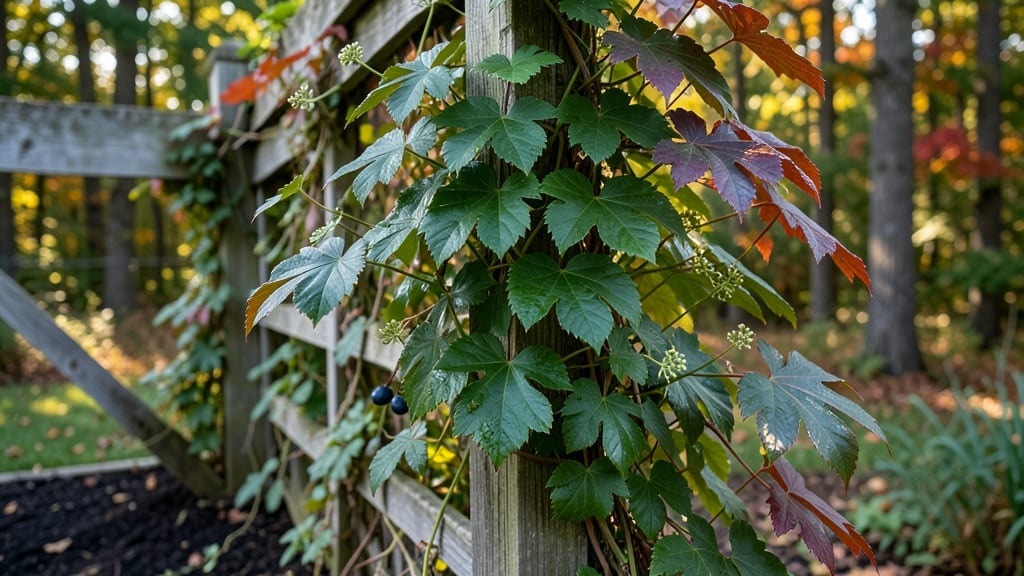
Ohio’s forests hide a 5-leaf vine treasure—Virginia creeper—that thrives where others fail. 🌿 This native climber blankets shady banks with brilliant fall reds, supports birds with berries, and handles Ohio’s wet springs and dry summers like a champ.
No fussy soil or full sun required—just patience and a sturdy trellis or fence.
The secret to happy vines starts with planting in early spring after the last frost (around mid-April in most of Ohio). Dig a hole twice as wide as the root ball, mix in compost, and water deeply.
Virginia creeper tolerates clay soil and partial shade, making it perfect for under trees or along north-facing walls. Just avoid soggy spots—roots need good drainage.
By late summer, you’ll see glossy leaves turning fiery red, then black berries that feed birds through winter. Prune in early spring to shape it or remove dead vines, but avoid heavy cuts—this plant rewards neglect.
Japanese beetles might nibble, but they rarely cause real damage, and the vines bounce back stronger.
Ohio gardeners love Virginia creeper for its low-maintenance charm and wildlife benefits. It’s not invasive like some non-natives, and it outcompetes weeds once established. Perfect for shady corners, privacy screens, or even ground cover—just give it space to sprawl. Let’s get yours growing!
Root Causes of Leaf Loss
The five-leaf vine (Parthenocissus quinquefolia), a beloved native plant in Ohio, sometimes struggles with leaf issues—whether it’s premature yellowing, browning, or complete defoliation. While this hardy vine thrives in many conditions, several key factors can trigger stress or disease, leading to leaf problems.
Understanding these causes helps you take corrective action before the plant declines.
The five-leaf vine is adaptable, but it prefers well-draining, slightly acidic to neutral soil (pH 6.0–7.5). When soil conditions are off, the plant struggles to absorb nutrients and water efficiently, leading to leaf discoloration or drop.
- Compacted or Clay Soil:
Ohio’s heavy clay soils can suffocate roots, reducing oxygen flow. Without proper aeration, roots weaken, and the vine can’t transport nutrients to the leaves, causing yellowing (chlorosis) between veins.
Fix it: Amend soil with organic matter like compost or leaf mold to improve structure. In established plantings, aerate the soil annually with a garden fork.
- Nutrient Deficiencies:
Nitrogen, iron, and magnesium deficiencies are common culprits. Nitrogen deficiency shows as pale green or yellow leaves, while iron deficiency (often in alkaline soils) causes yellowing between veins.
Fix it:
- Test soil pH and amend with sulfur if too alkaline (pH >7.5).
- Apply a balanced fertilizer (e.g., 10-10-10) in early spring.
- For iron deficiency, use chelated iron supplements or apply composted leaves.
- Waterlogged Roots:
While five-leaf vine tolerates some moisture, soggy soil for prolonged periods leads to root rot (Phytophthora or Pythium fungi). Affected leaves turn brown and crispy at the edges.
Fix it: Ensure proper drainage by planting on a slight mound or amending soil with perlite. Avoid overwatering, especially in containers.
Ohio’s variable climate—from scorching summers to harsh winters—can stress five-leaf vines, particularly when they’re young or established in marginal conditions.
- Extreme Heat or Drought:
Leaves may curl, scorch (brown edges), or drop during prolonged heatwaves or drought. The vine conserves water by shedding foliage.
Fix it:
- Mulch heavily (3–4 inches) with wood chips to retain moisture.
- Water deeply 1–2 times per week during dry spells (avoid wetting leaves to prevent fungal issues).
- Winter Desiccation:
Ohio’s cold, windy winters can dry out leaves, causing them to turn brown and brittle—even though the vine is deciduous. This is common in exposed sites.
Fix it: Plant in a location with winter wind protection (e.g., near a fence or building). Avoid pruning in late summer/fall, as new growth is more vulnerable to cold.
- Sudden Temperature Shifts:
Rapid changes (e.g., a late frost after buds swell in spring) can shock the vine, leading to leaf drop or stunted growth.
Fix it: Monitor weather forecasts and cover young plants with frost cloth if a late frost is predicted.
While resilient, five-leaf vines can fall prey to pests and diseases, especially in Ohio’s humid summers. These issues often manifest as leaf spots, holes, or premature drop.
- Japanese Beetles:
Adult beetles chew irregular holes in leaves, skeletonizing foliage. Heavy infestations weaken the vine, causing it to drop leaves early.
Fix it:
- Handpick beetles into soapy water early in the day.
- Apply neem oil or insecticidal soap as a preventive spray.
- Plant trap crops like roses nearby to lure beetles away.
- Spider Mites:
These tiny pests thrive in dry, hot conditions, sucking plant sap and causing stippling (tiny yellow/white dots) on leaves. Severe infestations lead to leaf drop.
Fix it:
- Blast off mites with a strong spray of water.
- Use horticultural oil or miticides like Neem.
- Increase humidity around the plant with a nearby water source.
- Fungal Diseases (Anthracnose, Powdery Mildew):
Overhead watering or poor air circulation encourages fungi like Colletotrichum (anthracnose), which causes dark, sunken spots on leaves. Powdery mildew appears as white, powdery patches, often in shaded, humid areas.
Fix it:
- Prune for airflow and avoid wetting leaves when watering.
- Apply fungicides like copper-based sprays or baking soda mix (1 tsp baking soda + 1 quart water + a drop of soap).
- Remove and destroy infected leaves promptly.
Sometimes, leaf loss stems from human error or physical trauma. Five-leaf vines are tough, but they still need proper support and handling.
- Mechanical Injury:
Trimming too late in the season (after buds form) or using dull tools can damage the vine, leading to stress and leaf drop. Even heavy snow or hail can bruise leaves.
Fix it:
- Prune in late winter or early spring (before buds swell).
- Use sharp, sterilized pruners to make clean cuts.
- Support heavy vines with a trellis to prevent wind/ice damage.
- Transplant Shock:
Moving established vines without proper root care can stress the plant, causing leaf yellowing or drop. Roots are easily damaged during transplanting.
Fix it:
- Water deeply 2–3 days before transplanting.
- Dig a wide hole and amend soil with compost.
- Prune 1/3 of the foliage before transplanting to reduce stress.
- Improper Pruning:
Over-pruning or removing too many leaves at once can disrupt photosynthesis, leading to weak growth and leaf loss.
Fix it: Limit pruning to 1/3 of the vine per year, focusing on dead, diseased, or crossing branches.
Practical fixes for failing 5-Leaf vines
When your five-leaf vine (or Parthenocissus quinquefolia) starts struggling in Ohio’s unique climate or soil, don’t panic—most issues have simple, effective solutions. Whether it’s poor growth, leaf discoloration, or pests, these step-by-step fixes will help your vine thrive again.
We’ve mapped common problems to their fixes, plus prevention tips to keep your vine lush and healthy for years.
If your vine isn’t growing as expected, it’s often due to poor soil, lack of sunlight, or root issues.
🔥 Check the Soil Conditions
- Test the pH: Five-leaf vines prefer slightly acidic to neutral soil (pH 6.0–7.5). Use a soil test kit (available at garden centers) to check.
If the soil is too alkaline (high pH), amend it with sulfur or peat moss to lower the pH. - Improve Drainage: Compacted or clay-heavy Ohio soil can suffocate roots.
Mix in compost or sand to loosen the soil and improve aeration. - Fertilize Lightly: Use a balanced, slow-release fertilizer (10-10-10) in early spring. Avoid over-fertilizing—too much nitrogen can harm the plant.
🍳 Provide the Right Light
- Five-leaf vines thrive in partial shade but can tolerate full shade. If your vine is in deep shade (e.g., under dense trees), it may grow slowly.
Try thinning nearby foliage or transplanting to a sunnier spot with dappled light. - Avoid harsh afternoon sun, which can scorch leaves in hot Ohio summers.
👨🍳 Prune for Health
- Remove dead or diseased vines in early spring to encourage new growth.
- Trim back overgrowth to improve airflow and reduce stress on the plant.
💡 Pro Tip: If your vine isn’t growing at all, check for root rot—a common issue in waterlogged soil. If the roots smell foul or look mushy, transplant to a well-draining area immediately.
Yellow leaves (chlorosis) or premature leaf drop are usually signs of nutrient deficiencies, pests, or environmental stress.
🌡️ Address Nutrient Deficiencies
- Iron or magnesium deficiency? Yellowing between leaf veins is a classic sign. Apply chelated iron or Epsom salt (magnesium sulfate) to the soil.
- Nitrogen deficiency? Older leaves turn yellow first. Use a nitrogen-rich fertilizer (like blood meal) in early spring.
🐜 Deal with Pests
- Spider mites or aphids: These tiny pests suck sap, causing leaves to curl or drop.
Spray with neem oil or insecticidal soap every 5–7 days until they’re gone. - Japanese beetles: Handpick them in the morning or use milky spore powder as a long-term preventative.
✨ Adjust Watering Habits
- Overwatering leads to root rot, while underwatering causes leaf scorch.
Water deeply 1–2 times per week, ensuring the top 2–3 inches of soil stay moist but not soggy. - Mulch around the base (with shredded bark or wood chips) to retain moisture and regulate soil temperature.
💡 Pro Tip: If leaves are yellow with brown edges, it could be salt buildup from tap water. Use rainwater or distilled water for watering until the issue improves.
Once your five-leaf vine is back on track, keep it healthy long-term with these easy maintenance habits:
| Issue | Prevention Tip |
|---|---|
| Poor Soil | Amend soil with compost annually to improve fertility and drainage. |
| Pests | Encourage beneficial insects (like ladybugs) by planting companion flowers. |
| Disease | Space vines 3–5 feet apart for airflow and remove fallen leaves to prevent fungal growth. |
| Overgrowth | Prune in late winter to shape the vine and remove weak stems. |
| Dehydration | Mulch heavily in summer to retain moisture, especially in Ohio’s heat. |
Final Thought: Five-leaf vines are hardy and low-maintenance, but they do best when given the right conditions. With these fixes, your vine should bounce back quickly—and with a little care, it’ll reward you with vibrant foliage and fast growth for seasons to come! 🌿✨
Frequently asked questions
Is Virginia creeper invasive in Ohio?
No, Virginia creeper (Parthenocissus quinquefolia) is a native Ohio plant and not considered invasive in this region. Unlike non-native vines, it doesn’t aggressively spread or outcompete native ecosystems. However, it can become overgrown in gardens if not pruned—so regular trimming keeps it manageable while supporting local wildlife.
How fast does Virginia creeper grow in Ohio?
This vine grows moderately fast, typically adding 3-6 feet per year under ideal conditions (partial shade, well-draining soil). In Ohio’s climate, growth may slow slightly in hot, dry summers but rebounds quickly with proper watering. Give it time—full coverage on a trellis or fence can take 3-5 years.
Can I grow Virginia creeper in containers?
Yes! Virginia creeper thrives in large containers (15+ gallons) with well-draining potting mix. Choose a pot with drainage holes and place it where vines can trail over the edge. Water when the top 1-2 inches of soil dry out, and fertilize lightly in spring. Just be prepared for faster growth than in ground plantings—prune regularly to control size.
Why are my Virginia creeper leaves turning brown?
Brown leaves usually signal overwatering, underwatering, or fungal issues. Check soil moisture—roots need consistent moisture but hate soggy conditions. If leaves have yellow edges with brown tips, it’s often salt buildup from tap water. Switch to rainwater and adjust watering frequency. For fungal spots, prune affected leaves and apply copper fungicide.
Does Virginia creeper attract wildlife?
The black berries (though toxic to humans) are a winter food source for birds like robins and cedar waxwings. Deer and rabbits usually avoid it, making it a great low-maintenance wildlife garden plant. The dense foliage also provides shelter for small creatures during storms.