
Pests and Diseases
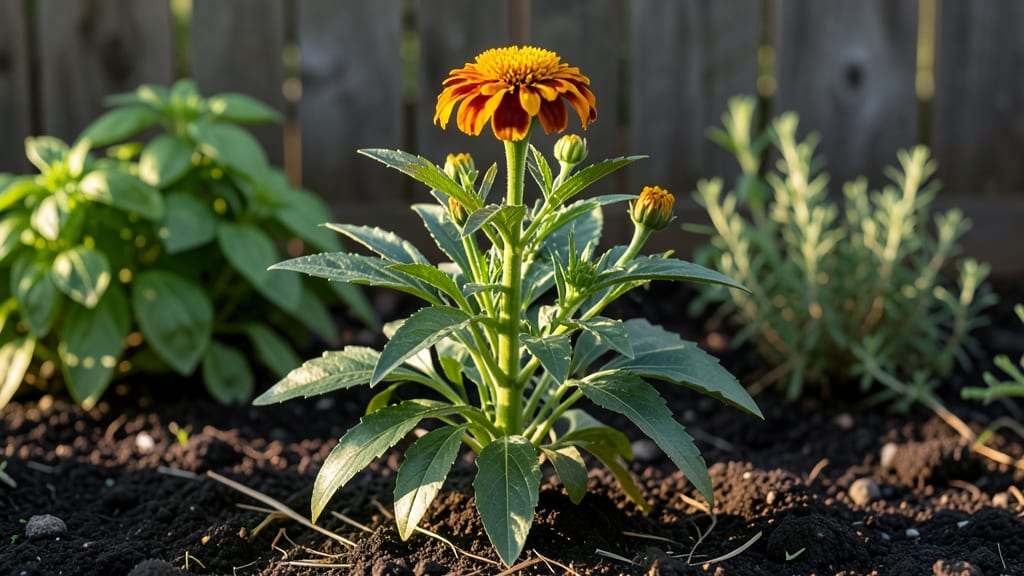
The African marigold leaf doesn’t just add bold color—it’s nature’s pest-repelling secret weapon. 🌿 I’ve watched them turn my garden from a buffet for aphids and whiteflies into a fortress where pests think twice before landing. The key? Understanding their dual role as both decorative powerhouses and biological protectors.
When those deep green, slightly fuzzy leaves start showing signs of stress—yellowing, curling, or tiny webs—it’s usually a sign of overwatering, fungal pressure, or pest buildup. The good news?
Most issues fix with simple adjustments: better airflow, targeted sprays of neem oil, or companion planting with basil to deter pests before they take hold.
Healthy African marigolds create a shield for your veggies and flowers. Their strong scent confuses pests like nematodes while attracting beneficial insects. A single plant can protect a 4-foot radius, making them the ultimate low-maintenance bodyguard for your garden.
Whether you’re battling aphids or just want to keep your garden thriving, these marigolds work harder than any chemical spray. Let’s get your foliage—and your harvest—back in top shape.
📚 In This Guide
- What you need
- Instructions
- Tips and common mistakes
- Wrapping up and next steps
What you need
- ● African marigold leaves: 1–2 cups (fresh or dried). Pro tip: Harvest from healthy, pesticide-free plants for the strongest effects! 🌱
- ● Water: 1 quart (for spray) or as needed (for mulch). Use filtered or rainwater if possible.
- ● Container: A clean glass jar, spray bottle (16–32 oz), or bucket for mixing.
- ● Cheesecloth or fine mesh strainer: To filter out debris from your homemade spray.
- ○ Gloves (optional): Protect your hands if handling large quantities of leaves or mulch.
- ● Pruners or sharp scissors: For harvesting leaves cleanly.
- ○ Mortar and pestle (or blender): To crush leaves for a stronger infusion (optional but effective!).
- ○ Essential oils (optional): 5–10 drops of neem, peppermint, or citrus oil to boost repellent power.
- ● Labeling tape: To mark your homemade spray if storing for later use.
- ● Compost bin: For disposing of leftover leaves or stems.
How to grow and use African marigold leaves for natural pest control
Here’s my go-to method for cultivating and leveraging these vibrant, pest-deterring powerhouses—no chemicals required.
🌱 Step 1: Select and Plant African Marigold Seeds
Start with high-quality African marigold seeds, which produce bold, dark foliage and deep orange blooms. Plant them ¼ inch deep in well-draining soil after the last frost, when soil temperatures reach 60°F. I like to sow seeds in 4-inch pots first, as they need warmth to germinate—70-75°F is ideal. Keep the soil consistently moist but never soggy, and expect sprouts in 7-14 days.
Once seedlings develop 2-3 sets of true leaves, transplant them 12-18 inches apart in full sun. African marigolds thrive in 6-8 hours of direct sunlight daily, so choose a warm, sunny spot in your garden. This spacing ensures strong root development and maximizes their pest-repelling potential.
☀️ Step 2: Maintain Optimal Growing Conditions
Water African marigolds at the base to avoid wetting the leaves, which can lead to fungal issues. Aim for 1 inch of water per week, adjusting for rainfall. You’ll know they’re well-watered when the top inch of soil feels dry to the touch. These plants are drought-tolerant once established, but consistent moisture during the first 4-6 weeks ensures robust growth.
Fertilize lightly with a balanced, organic fertilizer (like 10-10-10) every 4-6 weeks during the growing season. Too much nitrogen promotes leafy growth at the expense of flowers, which are key for attracting beneficial insects like ladybugs and lacewings. Watch for yellowing leaves—this often signals overwatering or nutrient imbalance.
🌿 Step 3: Harvest and Use Leaves for Pest Control
Harvest leaves in the late afternoon when essential oils are most concentrated. Simply pinch off individual leaves or small stems, leaving at least ⅓ of the plant intact to maintain vigor. African marigold leaves contain alpha-terthienyl, a compound that deters nematodes, aphids, and even mosquitoes. Crush a few leaves and scatter them around susceptible plants or in garden beds to create a natural barrier.
For a stronger effect, blend harvested leaves into a tea by steeping 1 cup chopped leaves in 1 gallon of water for 24 hours. Strain and spray the liquid on plants, focusing on undersides of leaves where pests hide. Reapply every 7-10 days or after rain. This method works best when combined with companion planting—place marigolds near tomatoes, peppers, or roses to amplify their protective benefits.
✂️ Step 4: Prune and Overwinter for Next Season
Deadhead spent blooms regularly to encourage continuous flowering and prevent self-seeding, which can become invasive. Prune leggy stems back by ⅓ in early summer to promote bushier growth. African marigolds are annuals, but you can extend their life by cutting back faded plants in fall and composting the leaves—their pest-repelling properties persist even after harvest.
In colder climates, save seeds from mature plants by allowing a few flowers to go to seed. Collect and store them in a cool, dry place until next spring. If you’re in a mild-winter region, mulch plants with 2-3 inches of straw to protect roots from frost. Their hardy nature means they’ll often resprout in spring, giving you an early jump on pest control.
Tips & tricks for growing African marigold leaves
These practical insights will help you cultivate thriving African marigolds that maximize their pest-repelling potential.
Seedling Success: When starting seeds in 4-inch pots, place them on a seedling heat mat set to maintain 70-75°F soil temperatures. This warmth accelerates germination from the standard 7-14 days window to as little as 5-7 days in ideal conditions. Use clear plastic domes or plastic wrap to create a mini greenhouse effect, but remove them once sprouts emerge to prevent damping-off disease.
Sunlight Strategy: The 6-8 hours of direct sunlight requirement is non-negotiable for African marigolds, but here's the secret: supplement with reflective surfaces like white garden markers or aluminum foil placed near the plants. This bounces extra light onto the foliage, particularly important if you're growing in partial shade situations. Monitor leaf color—pale green indicates insufficient light.
Watering Wisdom: The 1 inch of water per week guideline works for established plants, but seedlings need more frequent moisture. Water gently using a spray bottle or fine rose attachment to avoid disturbing the soil surface. In Step 2, when you're establishing plants, aim for soil that stays consistently moist at the top inch level—this encourages strong root development without promoting fungal issues from overwatering.
Harvest Timing: For maximum pest-repelling effectiveness, harvest leaves when they're fully mature but before they yellow. The late afternoon timing in Step 3 works because essential oils peak in concentration after the sun's daily heat cycle. When making the leaf tea, use a cheesecloth-lined strainer to catch fine particles—this prevents clogging your spray nozzle and ensures even distribution of the active compounds.
Pro Tips for African Marigold Leaf
- These practical insights will help you cultivate thriving African marigolds that maximize their pest-repelling potential.
- Seedling Success: When starting seeds in 4-inch pots, place them on a seedling heat mat set to maintain 70-75°F soil temperatures.
- This bounces extra light onto the foliage, particularly important if you're growing in partial shade situations.
Frequently asked questions
Got questions about using African marigold leaves to protect your garden?
You’re not alone! Here are some of the most common queries—plus quick, practical answers to keep your plants thriving.
How do I harvest African marigold leaves for pest control?
Pick mature, healthy leaves (avoid wilted or yellowing ones) in the morning when essential oils are strongest. Use clean scissors or pinch them off at the stem. Store in a paper bag in the fridge for up to 5 days, or dry them for long-term use. Pro tip: Crush leaves slightly to release their pest-repelling compounds!
How long does it take for African marigold leaves to work against pests?
Results vary, but you’ll often see a noticeable reduction in aphids, nematodes, and whiteflies within 1–3 weeks of consistent application. For soil-dwelling pests (like nematodes), mix chopped leaves into the soil and wait 4–6 weeks for full benefits. Patience pays off—keep reapplying as needed!
Can I use African marigold leaves if I don’t have fresh plants?
Dried leaves work too—just crush them into a powder and sprinkle around plant bases or steep in water for a pest-repelling spray. You can also find commercial marigold-based pesticides (like neem-oil blends) in garden stores. Bonus: Save seeds from your plants for next year’s pest defense!
Will African marigold leaves harm my plants or beneficial insects?
When used correctly, they’re non-toxic to plants and pets (though large quantities may cause mild stomach upset if ingested). However, avoid overapplying near beneficial insects like ladybugs or bees—focus on problem areas instead. Always do a patch test on a small plant section first!
What’s the best way to store leftover African marigold leaves?
For short-term use, wrap leaves in a damp paper towel and refrigerate (lasts ~5 days). For long-term storage, dry them in a shady, well-ventilated area (like a mesh bag), then crush into a powder. Store in an airtight container away from direct sunlight—this keeps their potency for up to a year!
Still stumped? Drop your question in the comments—we’re happy to help your garden glow pest-free!
Wrapping up and next steps
Discovering the pest-repelling power of African marigold leaves 🌿 is like unlocking a natural secret weapon for your garden! These vibrant leaves aren’t just beautiful—they’re a game-changer for keeping unwanted critters at bay, without harsh chemicals.
Whether you’re a seasoned gardener or just starting, integrating them into your pest-control toolkit is simple, effective, and eco-friendly.
Ready to transform your garden? Start small—plant a few African marigolds near your veggies or sprinkle crushed leaves around your plants. Watch as your garden thrives naturally, and soon, you’ll be sharing these green tips with fellow plant lovers! 🌱