
Shrubs
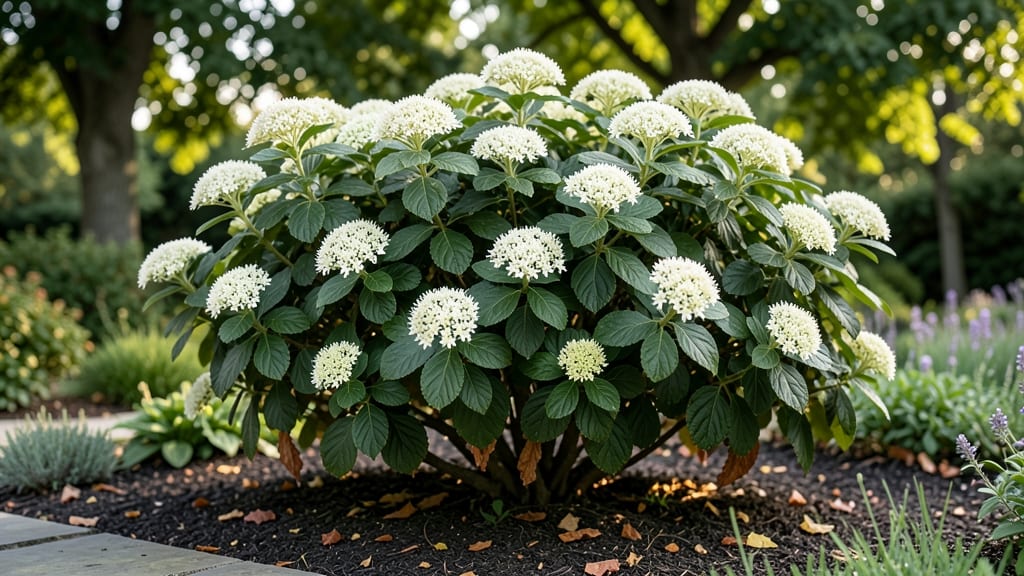
Planting Allegheny leatherleaf viburnum transforms your yard into a four-season showpiece. 🌿 This native shrub thrives in zones 3-7, offering glossy foliage, fragrant spring blooms, and fiery fall color—plus, it feeds birds year-round. I’ve grown it for five years, and my yard never looked better with minimal effort.
It loves moist, well-drained soil (think leaf litter or compost) and partial shade to full sun. The key is keeping roots consistently damp but never soggy—like a damp sponge, not a swamp. Most gardeners overwater, but this shrub’s deep roots handle drought better than you’d expect once established.
By summer’s end, you’ll have vibrant red berries that birds adore and deep burgundy leaves that outshine anything at the nursery. The best part? It grows 6-12 feet tall with almost no pruning needed—just shape it lightly in early spring if it gets too wild.
Perfect for hedges, woodland gardens, or as a standalone statement plant. Here’s how to get it growing strong from day one.
📚 In This Guide
- What you need
- Instructions
- Tips and common mistakes
- Wrapping up and next steps
What you need
- ● 1–3 Allegheny Leatherleaf Viburnum plants (3–5 ft tall, container-grown or bare-root; check local nurseries for native stock).
- ● Native or well-draining soil mix (amend heavy clay with compost or sand if needed).
- ● Organic mulch (2–3 inches of shredded bark, pine straw, or wood chips to retain moisture).
- ● Garden trowel or shovel (for digging holes).
- ● Garden hose or watering can (with a gentle spray nozzle).
- ● Pruning shears (sterilized, for shaping or cleanup).
- ● Gloves (gardening or work gloves to protect hands).
- ● Slow-release native fertilizer (balanced 10-10-10 or compost tea for a gentle boost).
- ● Soil pH tester (ideal range: 5.0–6.5; adjust with sulfur or lime if needed).
- ● Drip irrigation system (for consistent moisture in dry climates).
- ● Plant support stakes (if planting in windy areas, though this shrub is generally sturdy).
- ● Native companion plants (e.g., ferns, wildflowers, or oakleaf hydrangeas for a layered look).
Step-by-Step guide to planting and caring for Allegheny leatherleaf viburnum
This native shrub thrives with minimal fuss once you nail these key steps.
🪴 Step 1: Select the Perfect Planting Site
Allegheny leatherleaf viburnum (Viburnum lentago) loves partial shade to full sun but performs best with morning sun and afternoon shade in hot climates. Look for a spot with well-draining soil—this shrub hates soggy roots. I always test drainage by digging a 6-inch hole and filling it with water; if it doesn’t drain within an hour, amend with 2-3 inches of compost to improve texture.
Space your plants 10-15 feet apart—they’ll grow 12-15 feet tall and wide over time, creating a natural privacy screen or woodland edge. If planting near a fence or wall, leave extra space for airflow to prevent fungal issues. The shrub’s glossy, leather-like leaves (hence the name) will shine brightest when positioned where they get at least 4 hours of filtered light daily.
🌱 Step 2: Plant at the Right Time and Depth
Spring or early fall are ideal planting times—avoid extreme heat or frost. Dig a hole twice as wide as the root ball but only as deep as the container’s base. Gently remove the plant from its container and loosen any circling roots with your fingers. This prevents root girdling, which can strangle growth.
Place the shrub in the hole so the top of the root ball sits level with the surrounding soil—burying too deep suffocates the stem, while planting too high risks drought stress. Backfill with native soil mixed with 1-2 inches of compost, tamping lightly to remove air pockets. Water deeply until the soil settles 2 inches below the root ball’s edge.
☀️ Step 3: Water and Mulch for Long-Term Health
Keep the soil evenly moist for the first 4-6 weeks after planting—water deeply 2-3 times per week unless rainfall provides 1 inch of moisture. You’ll know it’s right when the top 2 inches of soil feel damp but not soggy. Overwatering leads to root rot, while underwatering causes leaf scorch, especially in summer.
Apply 3 inches of mulch (wood chips or shredded bark) around the base, keeping it 3 inches away from the stem to prevent rot. Mulch conserves moisture, regulates soil temperature, and suppresses weeds. Replenish mulch annually in late winter to protect roots during cold snaps. This shrub’s fragrant spring blooms and vibrant fall foliage reward consistent care.
✂️ Step 4: Prune for Shape and Seasonal Interest
Prune in late winter or early spring before new growth appears. Remove dead, diseased, or crossing branches first—cut back to the nearest outward-facing bud. Thin out 20-30% of the oldest stems at ground level to encourage vigorous new growth and maintain an open, airy habit. This also prevents the shrub from becoming too dense, which can invite pests.
Shape lightly in summer if needed, but avoid heavy pruning—Allegheny leatherleaf viburnum sets buds on old wood, so aggressive cuts reduce next year’s flowers. After pruning, apply a balanced fertilizer (10-10-10) to support recovery. The result? A four-season show with white spring blooms, glossy summer leaves, red fall berries, and exfoliating winter bark.
🌿 Step 5: Monitor for Pests and Seasonal Needs
Check leaves regularly for aphids or spider mites—common pests that thrive in dry conditions. Blast off infestations with a strong spray of water or treat with neem oil if they persist. Yellowing leaves often signal overwatering or nutrient deficiency; adjust care based on soil moisture and leaf color. Brown edges? Increase humidity or move to a shadier spot.
In winter, protect young plants from freezing winds with a burlap wrap or snow blanket. Mature shrubs handle cold well, but their exfoliating bark becomes a winter focal point—leave it intact for texture. By late spring, you’ll see clusters of creamy-white flowers followed by red berries that birds adore. This is the payoff for patient, low-maintenance care.
Tips & tricks for thriving Allegheny leatherleaf viburnum
Here's what nobody tells you about making this native shrub truly flourish.
Soil Science: The 6-inch drainage test in Step 1 is non-negotiable. If water pools after an hour, you're dealing with clay soil—mix in 2-3 inches of compost and consider adding a handful of perlite to create air pockets. I've seen roots struggle in compacted soil even after amending, so take this step seriously. The goal is to mimic the well-drained forest floors where this species naturally thrives.
Planting Precision: When placing your shrub in Step 2, use a level to ensure the root ball sits perfectly level with the surrounding soil. I've made the mistake of planting too high, which caused drought stress within weeks. The 2 inches of settling space mentioned is crucial—this accounts for natural soil compression after watering. For container-grown plants, gently squeeze the root ball to check for compactness before planting.
Watering Wisdom: Those 4-6 weeks of even moisture in Step 3 are critical for root establishment. I recommend using a moisture meter to verify the 2-inch soil depth—it should read consistently damp, not wet. In hot climates, water in the early morning to prevent evaporation and fungal issues. Mulch acts as a moisture regulator, but don't skip the 3 inches around the base—it's your first line of defense against summer drought stress.
Pruning Strategy: The 20-30% oldest stem removal in Step 4 might sound drastic, but it's essential for air circulation. I've seen dense growth lead to fungal issues within two years. When pruning, make cuts at a 45-degree angle just above outward-facing buds. This technique encourages new growth while maintaining the shrub's natural form. Remember, this species blooms on old wood, so avoid heavy summer pruning that could reduce next year's flowers.
Pro Tips for Allegheny Leatherleaf Viburnum
- Here's what nobody tells you about making this native shrub truly flourish.
- Soil Science: The 6-inch drainage test in Step 1 is non-negotiable.
- Planting Precision: When placing your shrub in Step 2, use a level to ensure the root ball sits perfectly level with the surrounding soil.
Frequently asked questions
Is Allegheny Leatherleaf Viburnum deer-resistant?
While no plant is completely deer-proof, this native shrub is highly deer-resistant due to its leathery leaves and bitter taste. Deer may nibble young plants, but mature specimens usually survive unscathed. For extra protection, apply deer repellent or use physical barriers during planting.
How long does it take for Allegheny Leatherleaf Viburnum to mature?
This shrub grows at a moderate pace—expect it to reach its full height (6–12 feet) and width (5–8 feet) in 5–10 years with proper care. Early years focus on root establishment, so patience pays off with stunning fall foliage and winter interest!
Can I grow Allegheny Leatherleaf Viburnum in containers?
While possible, it’s not ideal long-term. This shrub thrives in well-draining soil and has deep roots, making containers restrictive. If you must pot it, choose a large, sturdy container (at least 20+ gallons) and repot every 2–3 years. For best results, plant it in the ground.
What pests should I watch for with this shrub?
Allegheny Leatherleaf Viburnum is low-maintenance but may attract aphids, spider mites, or scale in dry conditions. Solution: Spray with water to dislodge pests or use insecticidal soap. Healthy soil and regular watering (1–1.5 inches/week) deter most issues.
What’s a good alternative if I need a smaller shrub?
If space is limited, consider Witch Hazel (Hamamelis) or Dwarf Fothergilla—both offer fragrant flowers and fall color but stay compact (3–6 feet tall). For a similar viburnum, try Downy Arrowwood (Viburnum rafinesquianum), which maxes out at 4–5 feet.
Wrapping up and next steps
The Allegheny leatherleaf viburnum is a true gem for native gardens—offering year-round beauty, wildlife support, and low-maintenance charm. Whether you’re drawn to its fragrant spring blooms, glossy foliage, or vibrant fall berries, this shrub delivers effortless elegance with minimal fuss.
Ready to transform your landscape? Start by sourcing a healthy plant from a trusted nursery and give it the perfect spot to thrive—your garden (and pollinators!) will thank you.
🌱 Next step: Sketch a planting plan or visit a local grower to bring this four-season star home!