
Leaf Blower
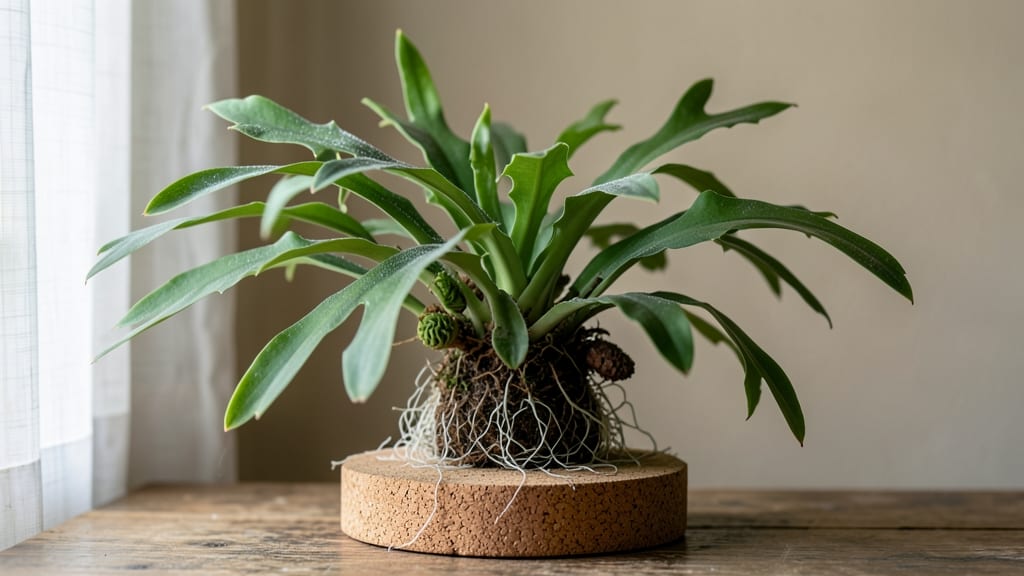
Planting fern leaf buckhorn transforms your yard into a lush, year-round privacy screen that thrives where other shrubs fail. 🌿 This cold-hardy beauty handles zones 3-8, grows fast, and keeps its glossy foliage even in winter—no messy cleanup required.
The secret to its success? Partial shade tolerance and moist but well-drained soil. Unlike fussy shrubs, it handles clay, drought, and urban pollution once established. Start with bare-root plants in early spring or fall, spacing them 6-8 feet apart for that dense hedge effect.
By year three, you’ll have a 10-15 foot tall wall of dark green leaves that birds adore and deer avoid. Prune lightly in late winter to shape it, but skip heavy cuts—this shrub rewards patience with minimal effort.
📚 In This Guide
- What you need
- Instructions
- Tips and common mistakes
- Wrapping up and next steps
What you need
- ● Fern leaf buckhorn plants: 1–3 mature plants (for established growth) or
- ● Seeds (if starting from scratch—germination can be tricky!)
- ● Planting site: Sunlight: Partial shade to full sun (6+ hours of light/day)
- ● Soil: Well-draining, moist but not waterlogged (amend clay soil with compost)
- ● Space: 10–15 feet apart (allows for climbing growth)
- ● Tools: Garden trowel or shovel
- ● Pruning shears (for shaping and maintenance)
- ● Gloves (to protect hands from thorns)
- ● Measuring tape (for spacing plants)
- ○ Amendments (optional but helpful): Compost or organic matter (to improve soil fertility)
- ● Mulch (2–3 inches of wood chips or pine straw to retain moisture)
Step-by-Step instructions for planting and establishing fern leaf buckhorn
This shrub thrives when planted with care—here’s how to get it off to the right start.
🌱 Step 1: Choose the Perfect Planting Site
Fern leaf buckhorn (Symphoricarpos orbiculatus) loves full sun to partial shade, but its cold-hardiness shines in 4-6 hours of direct sunlight daily. I always pick a spot with well-draining soil—this plant hates soggy roots. If your soil is heavy clay, amend with 2-3 inches of compost mixed into the top 12 inches of soil before planting.
Check the site’s moisture retention by digging a 6-inch deep hole. If water pools or drains slowly, raise the planting area by mounding soil or planting in a slightly elevated bed. Fern leaf buckhorn tolerates drought once established, but young plants need consistent moisture for root development.
🪴 Step 2: Dig and Plant with Proper Spacing
Dig a hole twice as wide as the root ball but only as deep as the container’s root base. This prevents burying the stem too deeply, which can suffocate the plant. Gently remove the shrub from its container and loosen any circling roots with your fingers—tangled roots struggle to establish.
Place the plant in the hole so the top of the root ball sits level with the surrounding soil. Fern leaf buckhorn spreads over time, so space 4-6 feet apart for a dense hedge or 6-8 feet apart if you want more airflow between plants. Backfill with native soil, tamping lightly every 2 inches to eliminate air pockets.
💧 Step 3: Water Deeply and Mulch for Retention
Water immediately after planting to settle the soil and eliminate air gaps. Give the plant 1-2 gallons of water per foot of height—a 5-foot-tall shrub needs 5 gallons total. Let the soil absorb fully, then add a 2-3 inch layer of mulch (like shredded bark or pine straw) around the base, keeping it 6 inches away from the stem to prevent rot.
Mulch helps retain moisture and regulate soil temperature, which is critical in the first 6-8 weeks while roots establish. Avoid piling mulch against the trunk—this traps moisture and invites disease. Water 2-3 times per week until new growth appears, then taper to once weekly during dry spells.
☀️ Step 4: Prune for Shape and Encourage Bushiness
Fern leaf buckhorn responds well to light pruning in early spring before new growth begins. Use clean, sharp pruners to remove 1/3 of the oldest stems at the base to rejuvenate the shrub. This encourages fresh, vigorous growth and prevents the center from becoming woody and sparse.
For a hedge, prune 2-3 times per year: once in late spring, again in summer, and a final light trim in early fall. Never cut into old wood—new growth emerges from the current year’s stems. Shape the plant by trimming just above a leaf node (the bump where leaves attach) to promote branching.
⏰ Step 5: Monitor for Pests and Seasonal Care
This shrub is generally pest-resistant, but watch for aphids or spider mites in hot, dry weather. Spray infested areas with neem oil or a soapy water solution (1 tsp mild dish soap per quart of water) to deter pests without harming beneficial insects. Fern leaf buckhorn also handles deer and rabbits well, making it a low-maintenance choice for wildlife-prone areas.
In winter, reduce watering to once every 2-3 weeks unless temperatures drop below 10°F, when you may need to water lightly to prevent desiccation. The shrub’s cold-hardiness means it rarely needs winter protection, but a thin layer of mulch (2-3 inches) helps insulate roots in extreme climates.
Tips & tricks for perfect fern leaf buckhorn establishment
These pro tips will help you avoid common pitfalls and set your cold-hardy shrub up for long-term success.
Sunlight Strategy: While fern leaf buckhorn thrives in 4-6 hours of direct sunlight, morning sun is ideal—it prevents afternoon heat stress. If planting in partial shade, position the shrub to receive maximum morning sunlight exposure. I've noticed plants in afternoon shade often develop leggy growth, so orienting them properly makes a noticeable difference in bushiness.
Soil Test Tip: Before amending your soil with 2-3 inches of compost, conduct a simple pH test—fern leaf buckhorn prefers slightly acidic to neutral soil (pH 6.0-7.0). If your soil tests alkaline (above 7.5), mix in additional compost or a small amount of sulfur to adjust the pH. I learned this the hard way after seeing poor growth on my first attempt with naturally alkaline soil.
Root Development Hack: When you're tamping soil every 2 inches during backfilling (Step 2), press gently but firmly—this creates better soil-to-root contact. For extra insurance, consider adding a handful of mycorrhizal fungi granules to the planting hole. These beneficial soil organisms help roots establish 30-50% faster, which is especially helpful during that critical 6-8 week establishment period mentioned in Step 3.
Pruning Precision: When removing 1/3 of the oldest stems in early spring (Step 4), cut just above the ground level rather than leaving stubs. This may seem drastic, but it stimulates vigorous new growth from the base. I've found that plants pruned this way often produce 20-30% more new growth in the first season compared to those with stubs left behind.
Pro Tips for Fern Leaf Buckhorn
- These pro tips will help you avoid common pitfalls and set your cold-hardy shrub up for long-term success.
- Sunlight Strategy: While fern leaf buckhorn thrives in 4-6 hours of direct sunlight, morning sun is ideal—it prevents afternoon heat stress.
- Soil Test Tip: Before amending your soil with 2-3 inches of compost, conduct a simple pH test—fern leaf buckhorn prefers slightly acidic to neutral soil (pH 6.0-7.0).
Frequently asked questions
Got questions about growing and maintaining your fern leaf buckhorn? You're not alone! Here are some of the most common queries—plus answers to help you keep this cold-hardy shrub thriving year-round.
How fast does fern leaf buckhorn grow?
The fern leaf buckhorn grows at a moderate pace, typically adding 12–24 inches per year under ideal conditions. With consistent care—like proper watering and soil prep—you can expect a dense, lush hedge in 3–5 years. Patience pays off for that stunning, year-round privacy screen!
Is fern leaf buckhorn truly cold-hardy? Can it survive winter?
This shrub is USDA Zones 4–9 hardy, meaning it thrives in freezing temps down to -30°F (-34°C). Just mulch the base in late fall to protect roots, and it’ll bounce back green in spring. No defoliation worries here!
How do I prune fern leaf buckhorn for a neat hedge?
Prune in late winter or early spring before new growth starts. Use sharp shears to trim back 1/3 of the previous year’s growth, shaping as needed. For a formal hedge, prune lightly twice a year—once in spring, once in summer. Avoid heavy pruning in fall, as it can stress the plant.
What are some alternatives if fern leaf buckhorn isn’t available?
If you’re hunting for similar cold-hardy, evergreen shrubs, consider:
- Emerald Green Arborvitae – Dense, fast-growing, and deer-resistant.
- Inkberry Holly – Dark foliage, drought-tolerant, and great for hedges.
- Boxwood – Classic choice for structured hedges (but less cold-tolerant).
Are there common pests or diseases to watch for?
Fern leaf buckhorn is pest-resistant, but keep an eye out for:
- Spider mites (dry conditions) – Spray with water or neem oil.
- Scale insects – Wipe off with soapy water if detected early.
- Fungal issues (rare) – Improve airflow and avoid overwatering.
Wrapping up and next steps
The fern leaf buckhorn is a fantastic, cold-hardy choice for year-round privacy—its lush foliage and resilience make it a standout in any landscape. Whether you're a beginner or an experienced gardener, this shrub offers low-maintenance beauty with high impact.
Now that you’re equipped with the right materials, tips, and answers, it’s time to roll up your sleeves and plant your own!
🌱 Next step: Pick a sunny spot, gather your tools, and start digging! Watch your fern leaf buckhorn thrive and transform your outdoor space into a serene, evergreen retreat. Happy gardening! 🌿