
Aphids
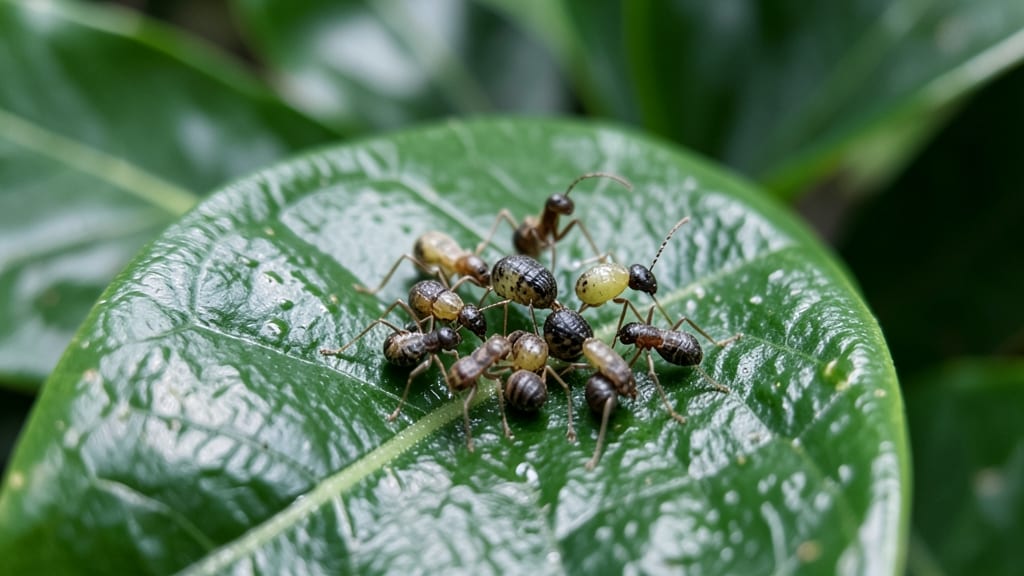
Aphids on fiddle leaf figs ruin that glossy, showstopping foliage faster than you can say "plant emergency." 🌿 I've battled these tiny green invaders on my own fiddle leaf, and the key is acting fast—before they turn your plant into a sticky, curled mess.
These sap-sucking pests multiply like weeds, but with the right organic spray, you can wipe them out in minutes without harming your plant.
The worst part? You might not notice them until your plant looks sad—yellowing leaves, sticky residue (that's honeydew), and new growth that just won't open. I learned the hard way that waiting too long means the aphids win.
The good news? A simple mix of neem oil and water (or insecticidal soap) applied directly to the pests does the trick—no harsh chemicals needed.
Within 24 hours of treatment, you'll see the aphids drop off, and your fiddle leaf will start bouncing back. The leaves will unfurl, regain their deep green shine, and new growth will emerge stronger than before.
The secret is consistency: check the undersides of leaves weekly and reapply spray if needed.
This method works for other houseplants too—just adjust the spray concentration for sensitive varieties. The key is early action, so don't wait until your plant is struggling. Let's get that fiddle leaf back to its showstopping best!
Root Causes of Fiddle Leaf Fig Aphids
Aphids on your Ficus lyrata (fiddle leaf fig) aren’t just a random annoyance—they’re often a sign that your plant’s environment or health has shifted in ways that make it an aphid buffet. Understanding the why behind these tiny pests is the first step to stopping them before they take over.
Let’s break down the most common triggers, backed by science, so you can address the real issue and restore your plant’s balance.
Aphids thrive where plants are stressed or growing too vigorously. Fiddle leaf figs, with their lush, broad leaves, can become aphid magnets if they’re:
- Too young or newly transplanted: Young plants have tender, nutrient-rich growth that aphids find irresistible. Their soft stems and leaves are easy targets for aphid mouthparts to pierce.
- Over-fertilized with nitrogen: While nitrogen fuels leafy growth, too much makes plants soft and sugary—a aphid’s dream. Excess nitrogen also weakens the plant’s natural defenses, like antioxidant production, which helps repel pests.
- Root-bound or pot-bound: When roots circle the pot or become compacted, the plant struggles to absorb water and nutrients efficiently. This stress reduces chlorophyll production, making leaves less resilient and more attractive to aphids.
💡 Pro Tip: If your fiddle leaf fig has stunted growth or yellowing leaves alongside aphids, it’s likely overcrowded. Repot it into a container 1-2 inches larger and use a well-draining mix to reduce stress.
Aphids are opportunistic pests that multiply rapidly when conditions align with their preferences. For fiddle leaf figs, these include:
| Factor | Why It Attracts Aphids | How to Adjust |
|---|---|---|
| High humidity (60%+) | Aphids love moisture because it keeps their waxy outer layer hydrated and slows natural predators (like ladybugs). Humid air also dilutes plant defenses like volatile organic compounds (VOCs) that repel pests. | Use a hygrometer to monitor levels and aim for 40-50% humidity. Improve airflow with a small fan or open windows. |
| Warm temperatures (70-80°F) | Aphids are cold-blooded and reproduce faster in warmth. A fiddle leaf fig in a sunny window (especially south-facing) can become a aphid breeding ground if temps spike. | Move your plant 5-10 feet from direct sunlight or use sheer curtains to diffuse light. Ideal temps: 65-75°F. |
| Recent rain or overwatering | Excess moisture on leaves creates a sticky residue (honeydew) that aphids feed on. Overwatering also drowns beneficial soil microbes, reducing the plant’s natural pest resistance. | Let the top 1-2 inches of soil dry between waterings. Use a pot with drainage holes and a mix with perlite or orchid bark. |
✨ Key Insight: Aphids often hit in spring and early summer because these conditions peak during those seasons. Staying proactive with preventative sprays (like neem oil) during these times can cut infestations before they start.
Fiddle leaf figs in sterile indoor environments (like homes with no outdoor plants) rarely host aphid predators. Without these natural checks, aphid populations explode exponentially. Common missing defenders include:
- Ladybugs and lacewings: These insects devour aphids at all life stages. A single ladybug can eat 5,000 aphids in its lifetime!
- Parasitic wasps: Tiny wasps lay eggs inside aphids, killing them from within. They’re highly effective but often absent indoors.
- Ground beetles and spiders: These hunt aphids on the soil surface and leaves, respectively.
🔥 Action Step: If your plant is indoors-only, introduce beneficial insects like ladybugs or lacewing larvae (available at garden centers). For outdoor fiddle leaf figs, plant companion flowers (e.g., marigolds, dill, or yarrow) to attract predators naturally.
By addressing these root causes—whether it’s plant stress, environmental factors, or missing predators—you’ll not only eliminate existing aphids but also prevent future infestations. The next step? Discover an organic spray fix that works in minutes.
Quick Fixes for Tiny Leaf Invaders
Aphids on your fiddle leaf fig might feel like a losing battle, but with the right approach, you can banish them fast—without harsh chemicals. Below, we’ve mapped out practical, organic solutions tailored to the root cause of your infestation.
Whether it’s overcrowded leaves, weak defenses, or a sudden pest party, these fixes will restore your plant’s health in minutes to days.
Cause: Aphids love hiding in dust, sap, or tightly packed foliage where they’re protected. Fix:
- 🍳 Rinse with water – Hold your fig in the shower (or use a gentle stream from the sink) and spray both sides of each leaf with lukewarm water. This washes away dust, eggs, and weak aphids.
- 👨🍳 Wipe with neem oil soap – Mix 1 tsp neem oil + 1 tsp mild dish soap + 1 quart water in a spray bottle. Spray thoroughly (focus on undersides and new growth) and reapply every 3–4 days until aphids vanish.
- ⏰ Pro tip: Do this first thing in the morning—aphids are sluggish then, making them easier to dislodge.
Cause: Stressed or nutrient-deficient fiddle leaf figs attract aphids because they’re easier to feed on. Fix:
- 💡 Fertilize lightly – Use a balanced, organic fertilizer (like fish emulsion or worm castings) diluted to half-strength. Over-fertilizing can attract pests, so less is more!
- 🌡️ Adjust care habits –
- Light: Ensure your fig gets bright, indirect light (no harsh sun).
- Water: Let the top 1–2 inches of soil dry between waterings—aphids thrive in soggy conditions.
- Humidity: If your air is dry, mist leaves daily or place a pebble tray under the pot.
- ✨ Prevention hack: Prune yellow or damaged leaves—they’re aphid magnets!
Cause: Aphids multiply fast, and a small cluster can turn into a sticky, sap-covered nightmare in days. Fix:
- 🔪 Manual removal (for small outbreaks) –
- Wear gloves (aphids secrete a sticky residue called honeydew).
- Squish adults with your fingers or a soft brush (focus on stems and leaf undersides).
- Drop them in soapy water—never release them outside (they’ll just reinfest nearby plants).
- 🥘 DIY insecticidal spray (for medium infestations) –
- Option 1: Alcohol spray – Mix 1 part rubbing alcohol + 3 parts water + 1 tsp soap. Spray directly on aphids (they’ll dry out in minutes).
- Option 2: Garlic spray – Blend 3 garlic cloves + 1 quart water, strain, and add 1 tsp soap. Spray every 2–3 days (aphids hate the smell!).
- 🎯 Long-term trap: Sticky traps – Place yellow sticky cards near your plant to catch flying aphids and their allies (like whiteflies).
Once your fiddle leaf fig is aphid-free, prevent a comeback with these habits: - 🔍 Inspect weekly – Check new growth and leaf undersides for tiny green/black specks. - 🌿 Introduce predators – Ladybugs, lacewings, and parasitic wasps love eating aphids.
Buy them online or attract them with dill or fennel plants nearby. - 🚫 Quarantine new plants – Keep any fresh additions separate for 2 weeks to avoid hitchhiking pests. - 💧 Avoid overwatering – Damp soil = aphid buffet.
Stick to the finger test (insert your finger 1 inch deep—if it’s dry, it’s time to water).
Remember: Patience is key—some fixes take 5–7 days to fully work. But with consistent care, your fiddle leaf fig will bounce back stronger and aphid-proof! 🌿✨
Frequently asked questions
How do I know if my fiddle leaf fig has aphids?
Look for tiny green, black, or brown bugs clustered on new growth or leaf undersides. You’ll also spot sticky honeydew residue on leaves or surfaces below. Check stems and leaf joints—aphids love hiding there!
Will neem oil harm my fiddle leaf fig?
No, when used correctly! Dilute 1 tsp neem oil + 1 tsp mild soap in 1 quart water. Spray foliage (avoid soil) and reapply every 3-4 days. Always test a small leaf area first. Neem is safe for fiddle leaf figs—just avoid overusing it.
How long does it take to eliminate aphids?
With consistent treatment (neem oil or insecticidal soap), you’ll see results in 24-48 hours. For severe infestations, it may take 5-7 days to fully eradicate them. Reapply sprays until no new aphids appear for a week.
Can I use dish soap to kill aphids?
Yes! Mix 1 tablespoon mild dish soap + 1 quart water in a spray bottle. The soap breaks down aphid protective layers. Spray directly on pests—avoid overusing as it can dry leaves. Reapply every 2-3 days until gone.
Why do aphids keep coming back?
They often return due to underlying plant stress (overwatering, poor light, or over-fertilizing). Check your care routine—aphids thrive on weak plants. Also, new eggs may hatch, so keep treating until 2 weeks after seeing the last aphid.