
Plants
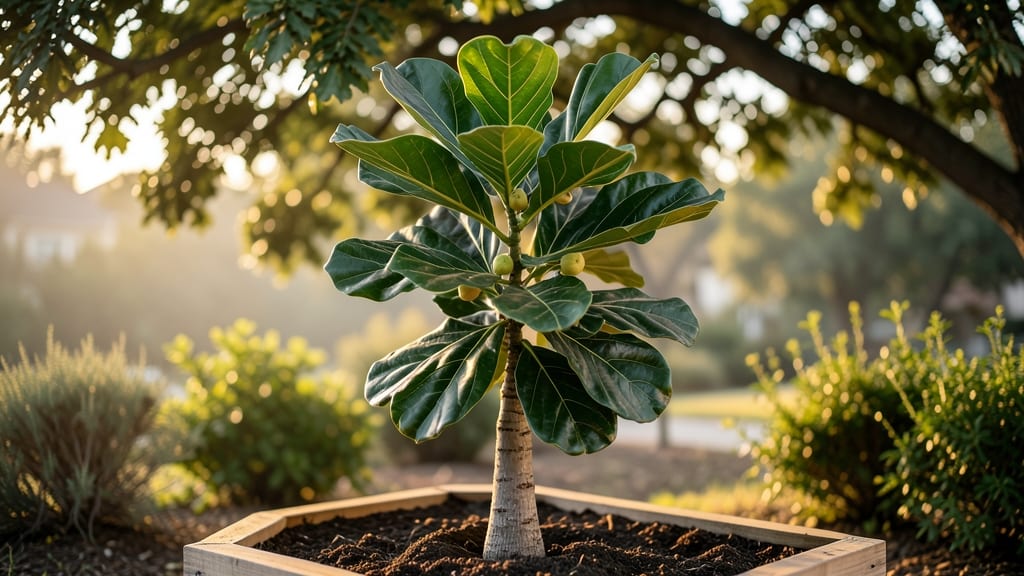
The fiddle leaf fig outdoor plant can thrive outdoors with the right conditions—bold, glossy leaves that outshine any indoor display. 🌿 I’ve grown mine in containers for years, and the key is balancing sun, water, and protection from harsh weather.
Too much direct sun or cold snaps will stress the plant, but with simple adjustments, it becomes a low-maintenance star of your patio or garden.
The trick is morning sun and afternoon shade, especially in hot climates. Well-draining soil mixed with perlite keeps roots happy, and a 5-gallon container gives enough stability for windy days. Water only when the top inch of soil feels dry—overwatering is the fastest way to kill this tropical beauty.
Humidity matters too; misting or a pebble tray helps if your air feels dry.
By summer’s end, your fiddle leaf fig will reward you with lush, vibrant growth that rivals indoor plants. Prune leggy stems in spring to encourage bushier shape, and fertilize lightly every 6-8 weeks during growing season.
The best part? You’ll spend less time fussing and more time admiring its striking foliage.
For colder climates, bring it indoors before 40°F nights—these plants can’t handle frost. In heat zones, shade cloth protects leaves from scorching. Whether you’re in a city balcony or rural garden, this guide keeps your fiddle leaf fig thriving all year with minimal effort.
Root Causes Of Outdoor Struggles
When your fiddle leaf fig (or any tropical plant) struggles outdoors, it’s usually due to a mismatch between its native environment and your local conditions. Let’s break down the real culprits—and why they throw your plant’s health off balance.
Fiddle leaf figs (Ficus lyrata) hail from West African rainforests, where temperatures stay consistently warm (65–85°F) and humidity hovers near 60–80%. When you move it outdoors, sudden shifts—like chilly nights, scorching sun, or brutal wind—can shock its system.
- Cold Stress: Below 50°F, metabolic processes slow, leading to leaf drop, brown edges, or even root rot if soil stays damp.
- Heat Shock: Direct midday sun (especially in Zone 9+) can cause leaf scorch (crispy, papery edges) or wilting as the plant loses moisture faster than it can absorb.
- Wind Burn: Gusts dry leaves out like a hairdryer, causing brown patches or curling—common in exposed patios or breezy balconies.
Actionable Fix: Acclimate gradually! Start with dappled shade (like under a tree) and 1–2 hours of morning sun, then slowly increase exposure. Use a lightweight breathable cover (like a sheer fabric) to shield from wind.
Outdoor conditions dramatically alter how your fiddle leaf fig drinks. Rain, evaporation, and soil type can turn your watering routine upside down—fast.
| Problem | Why It Happens | Signs to Watch For |
|---|---|---|
| Overwatering | Heavy rain + poor drainage = soggy roots (anaerobic conditions trigger rot). | Yellow leaves, mushy stems, foul-smelling soil. |
| Underwatering | Hot/dry winds + fast-draining soil = root desiccation. | Drooping leaves, crispy edges, soil pulling away from pot. |
| Inconsistent Moisture | Rainfall followed by dry spells causes root stress (like a rollercoaster!). | Leaf drop, stunted growth, wilting despite water. |
Pro Tip: 🌡️ The Finger Test works best—stick your finger 1–2 inches into the soil. If it’s dry, water; if damp, wait. Self-watering pots or mulch (like bark chips) help retain moisture without drowning roots.
Fiddle leaf figs crave bright, indirect light—but outdoors, "bright" can mean direct, harsh rays that fry leaves. Meanwhile, deep shade (like under a dense canopy) starves them of energy.
- Too Much Sun: UV damage causes bleached patches or sunburnt edges (think of a human sunburn, but on leaves).
- Too Little Sun: Leggy growth (long, weak stems) or small, pale leaves signal etiolation—the plant stretches toward light like a sleepy cat reaching for sunlight.
Solution: 🌿 East or North Exposure is ideal. If you’re in a high-sun area, use a 50% shade cloth or place it 6+ feet from windows. Rotate the pot quarter-turn weekly for even growth.
Outdoor soil isn’t always fertile or well-draining—and fiddle leaf figs hate soggy feet. Plus, nutrients leach out faster in outdoor conditions.
- Compacted or Clay Soil: Poor drainage leads to root rot (fungus thrives in waterlogged conditions).
- Nutrient Depletion: Rain washes away nitrogen, phosphorus, and potassium (key for lush leaves).
- pH Problems: Outdoor soil can be too acidic or alkaline, locking out micronutrients like iron or magnesium (causing yellowing between veins).
Fix It: Repot every 1–2 years with well-draining mix (50% potting soil, 30% perlite, 20% orchid bark). Fertilize lightly in growing season (spring–fall) with a balanced liquid fertilizer (e.g., 20-20-20, diluted to half strength).
Outdoors, your fiddle leaf fig becomes a buffet for bugs and fungi. Common invaders include:
- Spider Mites 🕷️: Dry conditions trigger these tiny pests, causing webbing and stippled leaves.
- Scale Insects 🐌: Sticky residue (honeydew) on leaves = a scale infestation.
- Fungal Diseases 🍄: Overhead watering or humidity spikes lead to powdery mildew (white dust) or root rot.
Prevention:
- Inspect leaves weekly (flip them over—pests love the undersides!).
- Blast off pests with a strong spray of water or neem oil solution.
- Avoid wetting foliage when watering—water at the base instead.
If your fiddle leaf fig is root-bound or in a tiny pot, outdoor elements amplify stress. Roots need space to breathe and access to nutrients.
- Root-Bound Stress: Circling roots strangle themselves, reducing water/nutrient uptake.
- Pot Size Mismatch: Too small? Roots dry out fast. Too large? Soil stays wet too long.
Quick Fix: Repot every 2–3 years into a container 1–2 inches larger in diameter. Ensure drainage holes—no exceptions! Use a cache pot (a decorative outer pot with a saucer) to hide the functional pot while keeping roots happy.
Revive Your Outdoor Fiddle Leaf Fig
Bringing your fiddle leaf fig (🌿) back to life after outdoor challenges is totally doable—even if it’s looking a little worse for wear. Below, we’ll tackle the most common issues with practical fixes and prevention tips to keep your plant happy and thriving in outdoor conditions.
Cause: Direct midday sun or harsh winds can scorch leaves, causing them to turn brown and crispy at the edges.
Fix: 🔥 Move it to shade – Relocate your fiddle leaf fig to a spot with dappled sunlight (like under a tree or a patio umbrella). Avoid full sun, especially during peak hours (10 AM–4 PM). 🍳 Gradual acclimation – If your plant was indoors, harden it off by moving it outside for 1–2 hours daily, gradually increasing exposure over 1–2 weeks. 👨🍳 Protect from wind – Place it near a wall or fence to block gusts, or use a breathable mesh screen if needed. 🥘 Trim damaged leaves – Use sterilized scissors to snip off brown, crispy leaves at the base. This helps the plant focus energy on new growth.
Prevention Tips: ✨ Morning sun is best – Position your plant where it gets bright, indirect light in the morning and afternoon shade. 🌡️ Monitor leaf color – If new leaves develop brown spots, it’s a sign of too much sun—move it sooner rather than later. 🎯 Use a grow light – If outdoor shade is limited, supplement with a full-spectrum LED grow light for 4–6 hours daily.
Cause: Fiddle leaf figs are sensitive to moisture levels. Overwatering causes root rot, while underwatering leads to dehydration.
Fix: 🔥 Check the soil – Stick your finger 1–2 inches deep into the soil. If it’s dry, water thoroughly. If it’s soggy, hold off and let it dry out. 🍳 Repot if needed – If roots are mushy or smelly, repot in fresh, well-draining soil (a mix of potting soil + perlite/pumice). Trim any black, rotten roots with sterilized scissors. 👨🍳 Adjust watering schedule –
- Outdoor plants: Water once a week (or when the top 1–2 inches of soil are dry).
- Hot/dry climates: May need daily misting for humidity, but avoid soggy soil.
🥘 Improve drainage – Ensure the pot has drainage holes and use a cache pot (a decorative outer pot with a saucer) to prevent waterlogging.
Prevention Tips: 💡 Use a moisture meter – A cheap tool can help you track soil moisture accurately. 🔥 Water in the morning – This allows excess moisture to evaporate before nightfall, reducing rot risk. 🌡️ Group plants together – Creates a microclimate with higher humidity, reducing wilting.
Cause: Yellowing leaves can signal root rot (from overwatering) or a lack of nitrogen, magnesium, or iron.
Fix: 🔥 Flush the soil – If overwatered, leach excess salts by running water through the pot for 5–10 minutes. 🍳 Fertilize properly –
- For deficiency: Use a balanced liquid fertilizer (10-10-10) every 4–6 weeks in growing season (spring–fall).
- For magnesium/iron: Apply Epsom salt (1 tsp/gallon of water) or a chelated iron supplement monthly.
👨🍳 Repot with fresh soil – If roots are unhealthy, refresh the soil with a high-quality potting mix blended with orchid bark or coconut coir for aeration. 🥘 Adjust watering – Let the top 3 inches of soil dry out between waterings.
Prevention Tips: ✨ Test soil pH – Fiddle leaf figs prefer slightly acidic soil (6.0–6.5). Use a soil test kit if yellowing persists. 🎯 Rotate the pot – Ensures even light exposure, preventing one-sided nutrient depletion. 💪 Use worm castings – Adds natural nutrients and improves soil structure over time.
Cause: Outdoor plants attract pests like spider mites (tiny webs), mealybugs (cottony clusters), or scale (bumpy brown spots).
Fix: 🔥 Isolate the plant – Move it away from other plants to prevent spreading. 🍳 Wipe down leaves – Use a soapy water solution (1 tsp mild dish soap + 1 quart water) and a soft cloth to remove pests. 👨🍳 Targeted treatments:
- Spider mites: Spray with neem oil (1 tsp neem oil + 1 quart water) every 3–5 days for 2 weeks.
- Mealybugs/scale: Dab with rubbing alcohol (70% isopropyl) on a cotton swab or use horticultural oil.
🥘 Introduce beneficial insects – Release ladybugs or predatory mites to eat pests naturally.
Prevention Tips: 💡 Inspect regularly – Check undersides of leaves weekly for early signs of pests. 🔥 Avoid over-fertilizing – Excess nitrogen attracts pests—stick to a balanced schedule. 🌡️ Use reflective mulch – Helps deter pests by creating an unfavorable environment.
- Acclimate slowly – Never move a fiddle leaf fig directly from indoors to full sun—it’ll fry!
- Monitor humidity – If your area is dry, mist leaves 2–3 times a week or use a pebble tray.
- Prune strategically – Trim yellow or damaged leaves to encourage new, healthy growth.
- Watch for signs of stress – Drooping, leaf loss, or slow growth? Adjust care immediately!
With these fixes, your fiddle leaf fig will bounce back stronger and enjoy outdoor life without the drama. 🌟 Happy gardening!
Frequently asked questions about growing fiddle leaf figs outdoors
How do I prepare my fiddle leaf fig for outdoor placement?
Start by hardening off your plant over 7-10 days—place it outside for 1-2 hours daily, gradually increasing exposure. Choose a 5-gallon container with drainage holes and use a well-draining mix (50% potting soil, 30% perlite, 20% orchid bark). Position it where it gets morning sun and afternoon shade to avoid leaf scorch.
What's the best way to protect my fiddle leaf fig from harsh weather?
Use a breathable mesh screen or sheer fabric cover to shield from wind, and move it to a sheltered spot during storms. For cold snaps below 50°F, bring it indoors or wrap the pot in bubble wrap (leave top uncovered). In extreme heat (90°F+), provide 50% shade cloth to prevent leaf burn.
How often should I water my outdoor fiddle leaf fig?
Check soil moisture daily—water when the top 1-2 inches feel dry. Outdoor plants typically need water every 5-7 days, but adjust for climate: water daily in extreme heat (with mulch to retain moisture) and reduce in rainy seasons. Always water at the base, never overhead, to prevent fungal issues.
Why are my fiddle leaf fig's leaves turning yellow outdoors?
Yellowing often signals overwatering or nutrient deficiency. Check for soggy roots—if present, repot with fresh, well-draining soil. For deficiencies, use a balanced fertilizer (10-10-10) every 6-8 weeks during growing season. Also test soil pH—fiddle leaf figs prefer 6.0-6.5. If yellowing persists, consider Epsom salt (1 tsp/gallon) for magnesium.
Can I grow a fiddle leaf fig outdoors in cold climates?
Yes, but with precautions! Bring it indoors before temperatures drop below 50°F at night. For year-round outdoor growth in Zone 9-11, plant in a large container and use a heat lamp during cold snaps. In colder zones (Zone 8 or below), grow it as an annual or overwinter indoors with supplemental grow lights.