
Pests and Diseases
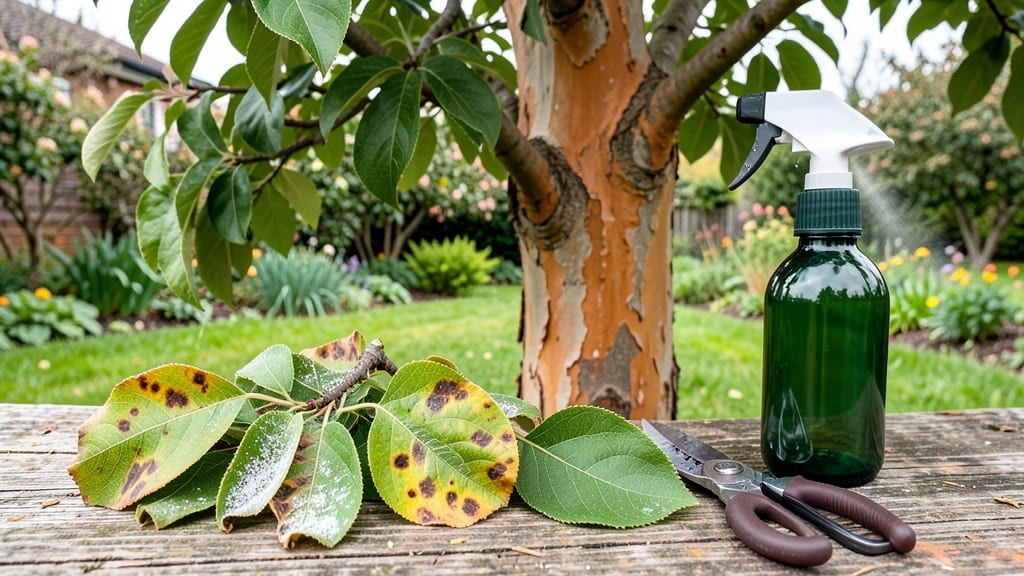
When your apricot tree’s leaves start looking like confetti—spotted, curled, or coated in white powder—you’re dealing with leaf disease. 🌿 I’ve battled these same issues with my mature apricot, and the key is catching it early and acting fast before the whole tree checks out.
Most apricot leaf diseases (leaf spot, powdery mildew, bacterial blight) thrive in damp conditions, so pruning for airflow and removing fallen leaves cuts down on their spread. The good news?
Organic fixes like neem oil or copper fungicide work well when applied at the first sign of trouble—before the disease gets a foothold. You’ll see new growth emerge within weeks if you tackle it right, with leaves staying crisp and green instead of turning into a sad, spotted mess.
The secret is consistency: check your tree weekly during wet seasons and act at the first hint of trouble. This works for home gardens, orchards, or even container-grown apricots. Let’s get that tree back to producing those sweet, juicy fruits without the leaf drama.
Root Causes Of Leaf Problems
Understanding why apricot trees develop leaf diseases is the first step toward prevention and treatment. These issues often stem from a mix of biological, environmental, and cultural factors. Below, we break down the key reasons your apricot tree’s leaves may be struggling.
Fungi are the most common culprits behind apricot leaf diseases. These microscopic organisms thrive in moist, warm conditions and can spread rapidly if left unchecked.
- **Pathogens like Taphrina deformans (the cause of peach leaf curl, which also affects apricots) overwinter on infected buds, leaves, or bark.
When spring arrives, spores germinate and infect new growth, leading to distorted, curled, or discolored leaves. - Botryosphaeria and Venturia fungi cause brown spots, leaf blight, or premature leaf drop.
These fungi often enter through wounds or weak points in the tree’s bark. - Powdery mildew** (Podosphaera spp.) thrives in humid conditions, forming white, powdery patches on leaves. While it rarely kills the tree, it weakens it by reducing photosynthesis.
💡 Pro Tip: Fungal spores spread via wind, rain, and even garden tools. Prune infected branches in dry weather and sterilize tools with a 10% bleach solution to prevent cross-contamination.
Bacterial infections are aggressive and can devastate apricot trees quickly. Unlike fungi, bacteria multiply rapidly in wet conditions and often enter through natural openings like stomata or wounds.
- Bacterial leaf spot (Xanthomonas or Pseudomonas species) causes dark, water-soaked spots that enlarge and merge. Infected leaves may drop prematurely, leaving the tree vulnerable to secondary infections. - Fire blight (Erwinia amylovora), though more common in pears and apples, can also affect apricots.
It causes blackened, oozing cankers on branches and leaves, often starting at the tips.
⚠️ Warning: Bacterial diseases spread through splashing water, so avoid overhead irrigation during wet periods. Remove and destroy infected plant debris immediately to stop the spread.
Apricot trees are hardy, but extreme or inconsistent environmental conditions can weaken their defenses, making them susceptible to diseases.
- Excessive moisture (from overwatering, poor drainage, or rainy seasons) creates ideal conditions for fungal and bacterial growth. Roots may suffocate, leading to nutrient deficiencies that stress the tree. - Temperature swings—especially late frosts or early heat waves—can shock the tree.
Cold damage weakens cell walls, making them easier targets for pathogens. - Poor air circulation in dense plantings traps humidity near the foliage, promoting fungal spores. Prune to open the canopy and allow sunlight to dry leaves quickly.
🌿 Fix It: Improve drainage with organic matter like compost, space trees for airflow, and water deeply but infrequently to encourage strong root growth.
A tree struggling with nutrient imbalances is far more vulnerable to diseases. Apricot trees require a balanced diet to maintain healthy leaves and strong resistance.
- Nitrogen deficiency leads to pale, yellowing leaves (chlorosis), weakening the tree’s ability to fight infections.
While nitrogen is essential for growth, an excess can also promote soft, susceptible tissue. - Magnesium or iron deficiencies cause interveinal chlorosis (yellowing between leaf veins), reducing photosynthesis and making leaves more prone to stress-related diseases. - Zinc or boron shortages can stunt growth and delay healing of wounds, giving pathogens an easy entry point.
📊 Test Your Soil: Conduct a soil test to identify deficiencies. Amend the soil with organic matter like worm castings or composted manure, and use chelated micronutrients if needed.
Insects and mites don’t just feed on apricot leaves—they create wounds that invite infections. Their saliva can also introduce harmful bacteria or fungi.
- Aphids excrete honeydew, a sugary substance that fosters sooty mold (Capnodium spp.), a black fungal growth that smothers leaves and blocks sunlight.
- Scale insects and spider mites weaken leaves by sucking sap, making them brittle and prone to fungal infections like powdery mildew.
- Borers (e.g., shot hole borers) tunnel into branches, creating entry points for wood-rotting fungi like Botryosphaeria.
🛡️ Prevention: Introduce beneficial insects like ladybugs or lacewings, and apply neem oil or insecticidal soap as a preventive spray in early spring.
Even well-intentioned gardening habits can inadvertently invite leaf diseases. Here’s how:
- Over-fertilizing with nitrogen promotes lush but weak growth, which is more susceptible to pathogens.
- Ignoring pruning hygiene—leaving dead wood or crossing branches—creates wounds and reduces airflow, both of which encourage disease.
- Planting in low-lying areas where cold air settles can expose roots to frost heave or waterlogging, stressing the tree.
- Using contaminated tools or mulch can transfer spores from infected plants to healthy ones.
✨ Best Practice: Prune during the dormant season, sanitize tools between cuts, and choose well-draining sites with full sun exposure.
Fixing Foliage Fails: Organic Cures for Apricot Leaf Troubles
When your apricot tree’s leaves start looking sad—spotted, curled, or covered in strange growths—it’s time to roll up your sleeves and take action. The good news? Most apricot leaf diseases respond well to organic, proactive care.
Below, we’ve mapped out targeted solutions based on the most common causes, from fungal infections to nutrient deficiencies. Think of this as your step-by-step guide to restoring your tree’s health without harsh chemicals.
Fungi thrive in damp, shady conditions, turning leaves into a buffet of decay. Here’s how to starve them out:
🔥 Step 1: Prune for Better Airflow
Fungal spores love crowded branches where moisture lingers. Prune immediately to remove infected leaves (bag and discard them!) and thin out dense foliage to improve airflow.
- 👨🍳 Tools: Sterilize pruners with rubbing alcohol between cuts.
- ⏰ When: Do this on a dry, sunny day to reduce humidity.
🍳 Step 2: Apply Fungicidal Sprays (Organic Edition)
Preventative sprays create a protective barrier. Mix these homemade or store-bought options:
| Solution | How to Use |
|---|---|
| Baking Soda Spray (1 tsp baking soda + 1 quart water + dash of soap) | Spray every 7–10 days during wet seasons. Avoid direct sun to prevent leaf burn. |
| Neem Oil (2 tbsp neem oil + 1 tsp soap + 1 quart water) | Apply at dusk for 2 weeks. Reapply after rain. |
| Copper Fungicide (organic spray, follow label) | Use as a last resort for severe infections. Rotate with neem oil. |
🌡️ Step 3: Adjust Growing Conditions
Fungi love humidity. Break the cycle with these tweaks:
- 💡 Water at the base (avoid overhead sprinkling).
- ✨ Mulch with straw (2–3 inches) to reduce soil splashing.
- 🎯 Space trees 6+ feet apart for airflow.
If leaves are pale, curled, or falling prematurely, your tree might be starving for key nutrients. Here’s how to feed it right:
📊 Diagnose the Deficiency
Match symptoms to solutions with this quick guide:
| Symptom | Likely Cause | Fix |
|---|---|---|
| Yellow lower leaves | Nitrogen deficiency | Apply compost tea or fish emulsion (follow label). |
| Purple/yellow edges | Phosphorus shortage | Use bone meal (sprinkle and water in). |
| Yellow veins, brown spots | Potassium or magnesium | Mix Epsom salt (1 tbsp/gallon water) or wood ash (lightly spread). |
💪 Boost Soil Health
Feed your tree with natural amendments:
- 🥗 Compost: Work 2–3 inches into the topsoil annually.
- 🍎 Worm castings: Sprinkle around the drip line for slow-release nutrients.
- 🌿 Avoid over-fertilizing: Too much nitrogen burns roots. Test soil first!
Pests weaken leaves, making them prime targets for disease. Smother them early with these tactics:
🔪 Manual Removal + Traps
Start with the simplest (and most satisfying) methods:
- 👨🍳 Blast off pests: Spray leaves with a hose (not pressure washer) to dislodge aphids/mites.
- 🕷️ Sticky traps: Hang yellow cards coated with petroleum jelly near the tree.
- 🐛 Handpick larvae: Drop sawfly caterpillars into soapy water.
🍳 Organic Sprays
For stubborn infestations, try these:
- Insecticidal soap: Spray directly on pests (reapply every 5–7 days).
- Garlic/chili spray: Blend 1 bulb garlic + 1 tbsp cayenne + 1 quart water. Strain and spray.
- Ladybugs: Release beneficial insects (buy online or from garden centers).
An ounce of prevention saves a pound of cure. Protect your apricot tree long-term with these habits:
- 💡 Plant in full sun: At least 6–8 hours of sunlight daily.
- 🌡️ Monitor humidity: Avoid overwatering; let soil dry between waterings.
- ✨ Rotate sprays: Alternate neem oil, copper, and baking soda to prevent resistance.
- 🎯 Inspect weekly: Catch problems early with a handheld magnifying glass.
- 🍂 Fall cleanup: Remove and destroy all fallen leaves/debris to break disease cycles.
With consistent care, your apricot tree can bounce back—and thrive. The key is acting fast, staying vigilant, and letting nature do the heavy lifting with organic tools. Your tree (and future fruit!) will thank you.
Frequently asked questions
What are the most common signs of apricot leaf disease?
Look for yellowing leaves, brown or black spots, curled edges, or white powdery coatings. Dark, water-soaked patches often signal bacterial infections, while curled, distorted leaves typically indicate fungal issues like peach leaf curl. Check both upper and lower leaf surfaces for early signs.
Can I save my apricot tree if it already has severe leaf disease?
Yes, but you must act fast! Prune infected branches immediately and apply neem oil or copper fungicide within 48 hours. For bacterial infections, remove all infected leaves and sterilize tools. Severe cases may require multiple treatments over 2-3 weeks to fully recover.
How often should I spray my apricot tree for prevention?
Apply preventive sprays every 7-10 days during spring and fall when conditions are most favorable for disease. Use a mix of baking soda spray and neem oil on dry, sunny days. Stop spraying when temperatures exceed 85°F to avoid leaf burn.
Will removing infected leaves really help stop the spread?
Removing infected leaves breaks the disease cycle by eliminating spores and bacteria. Always bag and discard infected leaves (don't compost them), and sterilize pruners with rubbing alcohol between cuts. This reduces pathogen levels by up to 70% in severe outbreaks.
What's the best time of year to treat apricot leaf diseases?
Start treatments in early spring before new leaves emerge, and continue through fall when humidity rises. Late summer is critical for fungal diseases like powdery mildew. Avoid treating when temperatures exceed 80°F or during heavy rain forecasts.