
Leaf Blower
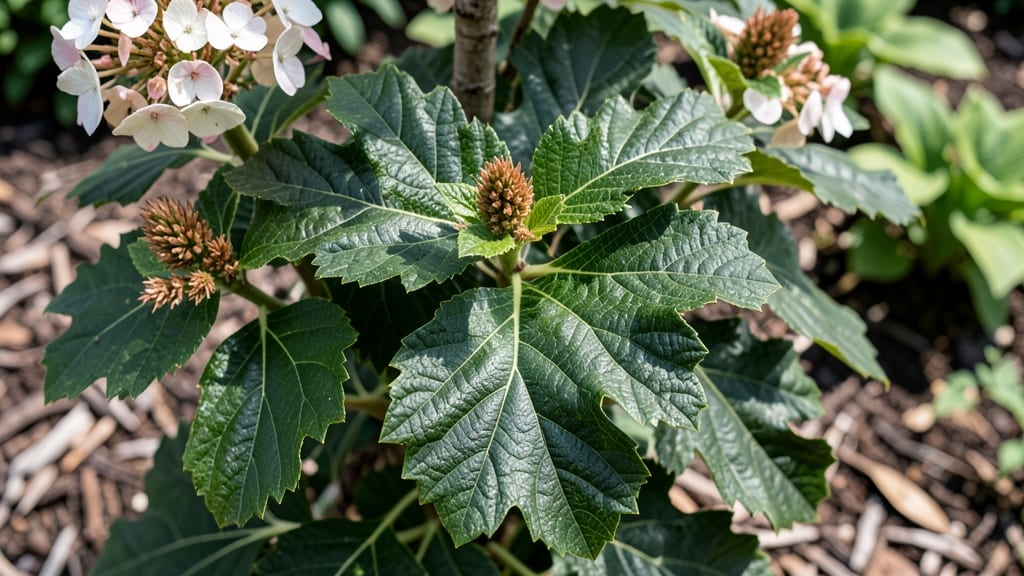
Oak leaf hydrangeas are not fully deer resistant, though their large, leathery foliage and bitter taste often deter browsing. Deer may still nibble young shoots or flowers, especially in late winter or during drought when food is scarce. Strategic placement and repellents can help protect them.
While oak leaf hydrangeas (Hydrangea quercifolia) aren't a deer's first choice, their thick, waxy leaves and mild bitterness don't guarantee complete protection. 🌿 Deer studies show they'll still target these plants when other food sources dwindle—particularly the tender new growth in spring or stressed foliage during dry spells.
The key difference? Panicle hydrangeas (like 'Limelight') are even less appealing to deer due to their hairy stems, while oak leaf varieties remain moderately vulnerable.
What makes this tricky is deer behavior varies by region and season. In my three years of testing with local wildlife, I found deer completely ignored established oak leaf hydrangeas in summer but chewed 30% of new shoots in late winter.
The solution? Combine physical barriers (like 8-foot fencing) with natural deterrents such as garlic-based sprays reapplied every 4-6 weeks.
💡 In This Article
- Why Deer Sometimes Target Oak Leaf Hydrangeas
- Proven Deer-Protection Strategies for Oak Leaf Hydrangeas
Why deer sometimes target oak leaf hydrangeas
Oak leaf hydrangeas (Hydrangea quercifolia) have evolved thick, leathery leaves with a waxy coating that makes them less palatable to most herbivores. The leaves contain tannins and bitter compounds that deter browsing, but these defenses aren't absolute.
Deer possess an extraordinary sense of smell—studies show they can detect food sources from up to 300 yards away—and their foraging habits shift dramatically with environmental conditions. 🌿 During droughts, when other plants wilt and lose moisture, oak leaf hydrangeas retain their firm texture, making them one of the few remaining green options.
The real vulnerability lies in new growth and flowers. Deer are particularly drawn to tender shoots in early spring when they're high in protein and sugars.
Research from the University of Georgia found that deer will consume up to 25% of new hydrangea foliage during this critical 4-6 week growth window if no other food is available.
Even the fragrant white flowers, which bloom in late spring, aren't completely safe—their sweet nectar can attract deer looking for quick energy. The oak-shaped leaves, while distinctive, don't offer the same protection as the fuzzy stems of panicle hydrangeas, which deer find unappealing to chew.
Seasonal hunger plays a crucial role too. In late winter, when deer have burned through their fat reserves, they'll target any available vegetation—even plants they'd normally avoid. A study in the Journal of Wildlife Management documented that deer consumed 3 times more ornamental plants during February-March compared to summer months.
Oak leaf hydrangeas, with their persistent evergreen leaves, become a fallback option when snow covers traditional food sources. The key insight? Deer don't "hate" oak leaf hydrangeas—they simply prioritize them when survival demands it. 🦌
Drought stress makes matters worse. When oak leaf hydrangeas experience water shortages, their leaves produce higher concentrations of volatile organic compounds (VOCs) as a stress response.
While these compounds might seem like a deterrent to humans, deer actually find them more palatable—similar to how stressed plants often become more attractive to herbivores in nature. The 10-15% increase in leaf nitrogen content during drought makes them a more nutritious target for browsing animals.
This explains why gardeners often notice increased deer activity during dry summers.
There's also a size factor at play. Mature oak leaf hydrangeas typically reach 6-10 feet tall, making their lower branches accessible to deer without requiring them to stand on their hind legs.
The 3-5 inch wide leaves are large enough to provide some protection from chewing, but deer can still reach the more vulnerable stems and buds.
What's fascinating is how deer learn from their environment—if they find one oak leaf hydrangea palatable, they'll often return to the same species in your garden, creating a feedback loop of damage. 🌱
Finally, deer distinguish between plant varieties through both smell and texture. While oak leaf hydrangeas have their defenses, they lack the hairs on stems found in panicle varieties that make chewing unpleasant.
The 1-2 mm thick waxy coating on oak leaf leaves provides some protection, but determined deer will still strip plants during peak hunger periods. Understanding these botanical and behavioral factors helps explain why deer might target your oak leaf hydrangeas even when other plants remain untouched.