
Pests and Diseases
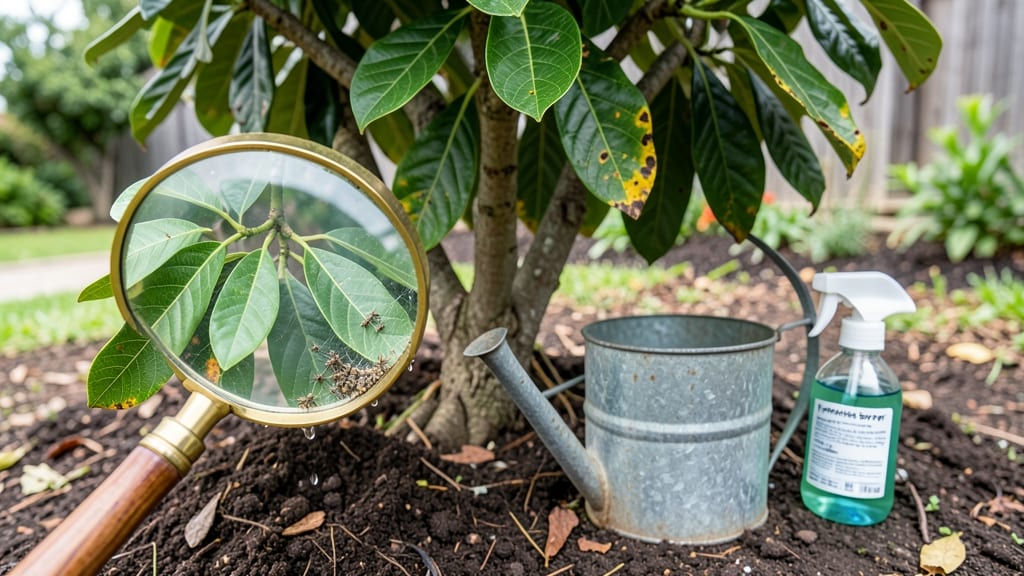
Your avocado tree’s leaves are sending SOS signals—the leaf problems are yellowing, spotting, or curling before your eyes. 🌿 I’ve seen this happen after ignoring tiny signs, and by the time you notice, the damage spreads faster than you’d expect. The good news?
Most issues are fixable with early action, whether it’s fungal spots, spider mites, or nutrient starvation. The first step is identifying the problem: check the undersides of leaves for webbing (mites), look for dark brown spots with yellow halos (fungus), or examine stems for sawdust-like frass (sap-sucking pests).
Avocados are tough, but they’re not invincible—especially when stressed by drought or overwatering. A simple inspection with a magnifying glass saves weeks of frustration later. Once you spot the issue, solutions are straightforward: prune affected leaves immediately, apply neem oil for pests, or adjust your watering schedule.
I’ve revived trees that looked doomed in just 3-4 weeks of targeted care. The key is acting before the problem becomes a full-blown crisis. This works for both container-grown trees and in-ground avocados. Let’s turn those sad leaves into lush, vibrant foliage again—before the pests or disease take over.
Why it happens
Avocado trees are resilient, but their leaves can develop issues due to a mix of environmental stressors, biological threats, and even cultural mismanagement. Understanding the why behind these problems is the first step to restoring your tree’s health.
Below, we break down the most common culprits—from microscopic invaders to overlooked care habits—that trigger leaf distress in avocado trees.
🦠 Pathogen Infections: The Silent Invaders
Fungal, bacterial, and viral pathogens are often the unseen villains behind avocado leaf problems. These microbes exploit weak spots in your tree’s defenses, often triggered by poor growing conditions or physical damage.
- Fungal Diseases (e.g., Phytophthora, Anthracnose): Fungi thrive in wet, humid conditions and can cause leaf spots, wilting, or premature drop. Phytophthora, for example, clogs the tree’s vascular system, cutting off water and nutrient flow, which manifests as yellowing or brown, crispy edges on leaves. Anthracnose creates dark, sunken lesions with a fuzzy texture, often starting on older leaves.
- Bacterial Spot (Xanthomonas campestris): This bacteria leaves behind water-soaked, greasy-looking spots that expand and merge, creating large necrotic areas. It spreads rapidly in warm, rainy weather and can defoliate branches if untreated.
- Viral Infections (e.g., Avocado Sunblotch): Viruses like Sunblotch are transmitted by sap-sucking insects (e.g., mealybugs) or contaminated tools. Infected leaves develop yellow or red blotches that may appear sunburned, but the damage is internal—stunting growth and reducing fruit quality.
💡 Pro Tip: If you suspect a pathogen, act fast. Prune infected leaves before spores spread, and sterilize tools with 70% rubbing alcohol. Fungicides (e.g., copper-based sprays) or bactericides (e.g., copper hydroxide) can help, but prevention—like improving airflow and avoiding overhead watering—is key.
🐜 Pest Pressure: When Leaves Become a Buffet
Pests don’t just nibble leaves—they drain sap, inject toxins, or lay eggs that trigger stress responses. Avocado leaves are a magnet for several persistent invaders:
Pest
Damage Signs
Avocado Mites (Oligonychus perseae)
Tiny yellow/brown speckles, stippling, or webbing on undersides of leaves.
These microscopic arachnids pierce cells to feed on sap, causing chlorosis (yellowing). They thrive in dry, hot conditions and multiply rapidly when natural predators (e.g., ladybugs) are absent.
Mealybugs
Cottony white masses, sticky "honeydew" residue, and sooty mold (black fungal growth).
Mealybugs inject toxins while feeding, stunting leaf growth. Their honeydew attracts ants, which protect the pests in exchange for sugar—creating a mutualistic nightmare for your tree.
Scale Insects
Bumpy, waxy shells on leaves/stems; yellowing leaves; premature leaf drop.
Scale insects suffocate leaves by covering them in protective wax, blocking sunlight. Heavy infestations disrupt photosynthesis, leading to nutrient deficiencies (e.g., yellowing between veins).
Avocado Thrips
Silver streaks, curled or distorted leaves, and tiny black fecal specks.
Thrips rasp leaf surfaces, disrupting cell structure and causing scarring. They also spread tospoviruses, worsening leaf damage.
🔥 Key Trigger: Pests often explode in populations when trees are stressed—whether from drought, overwatering, or poor soil. Inspect leaves regularly, especially on the undersides, and use horticultural oil or neem oil to smother eggs and adults. Introduce beneficial insects like lacewings or parasitic wasps for long-term control.
🌡️ Environmental Stressors: When Conditions Go Wrong
Avocado trees are tropical natives, but they’re not immune to environmental extremes. Leaf problems often stem from suboptimal growing conditions that weaken the tree’s ability to fend off pests or diseases.
- Water Issues:
- Overwatering: Leads to root rot (Phytophthora), oxygen deprivation, and yellowing leaves with brown edges. Avocado roots need well-draining soil—soggy conditions suffocate them.
- Underwatering: Causes leaf scorch (brown, crispy edges) and wilting. Avocados prefer consistent moisture but hate "wet feet."
- Nutrient Deficiencies:
- Nitrogen (N) Deficiency: Leads to pale green or yellow leaves, starting on older foliage. Nitrogen fuels growth, so a lack of it stunts leaf development.
- Magnesium (Mg) Deficiency: Causes interveinal chlorosis (yellowing between veins). Avocados need magnesium for chlorophyll production, and it’s often leached from sandy soils.
- Zinc (Zn) Deficiency: Results in small, distorted leaves with white or yellow patches. Zinc is critical for enzyme function in new growth.
- Temperature and Sun Exposure:
- Cold Stress: Avocados are tender to frost. Temperatures below 28°F (-2°C) can cause leaf blackening or drop, while winter chill (if excessive) may trigger browning or curling.
- Sunburn: Young or thin leaves exposed to intense afternoon sun can develop bleached or necrotic patches. This is common in transplanted trees not yet acclimated.
- Poor Airflow: Dense foliage or overcrowded trees create humid microclimates, perfect for fungal diseases like powdery mildew (white, talcum-like coating) or leaf spot.
🌡️ Fix It Fast: Adjust watering to 1–1.5 inches per week (deep but infrequent), test soil pH (ideal: 6.0–7.0), and fertilize with a balanced NPK (e.g., 6-6-6) + micronutrients like magnesium sulfate (Epsom salt). For sunburn, provide
Quick Fixes for Avocado Leaf Issues
Reviving your avocado tree’s health starts with identifying the root cause—and acting fast. Below, we’ve broken down practical, step-by-step solutions for the most common avocado leaf problems, from pests to diseases, plus prevention tips to keep your tree thriving. 🌿✨
If tiny critters are munching on your leaves, early intervention is key. Here’s how to evict them:
🔥 Spider Mites & Scale: Suffocate & Scrub Signs: Yellowing leaves, fine webbing (mites), or sticky residue (scale). Fix: 1. Isolate the tree to prevent spreading. 🛑 2. Blast off pests with a strong spray of water (use a hose nozzle) to dislodge them.
- Apply neem oil (1 tsp per quart of water) or insecticidal soap—spray both sides of leaves and repeat every 5–7 days for 2–3 weeks.
- Introduce beneficial insects like ladybugs or lacewings (they love mites).
💡 Pro Tip: Prune heavily infested branches and dispose of them in sealed bags—don’t compost!
🍳 Mealybugs & Whiteflies: Drown Them in Soap Signs: Cottony white clusters (mealybugs) or tiny white flies when leaves are shaken. Fix: 1. Mix a DIY soap spray: 1 tbsp dish soap + 1 tsp horticultural oil in 1 quart of water.
Shake well! 2. Spray directly on pests (early morning or late evening to avoid burning leaves). 3. Repeat weekly until gone. For stubborn cases, use systemic insecticide (like imidacloprid).
⏰ Prevention: Yellow sticky traps near the tree catch whiteflies before they multiply.
Moisture-loving fungi and bacteria turn leaves into a sad, mushy mess. Cut off the water supply and clean up:
🍄 Anthracnose & Root Rot: Prune & Sanitize Signs: Dark, sunken spots on leaves (anthracnose) or yellowing, wilting leaves (root rot). Fix: 1. Remove infected leaves/branches with sterilized pruners (wipe with rubbing alcohol between cuts). 🔪 2. Improve drainage: Amend soil with perlite or sand to prevent waterlogging.
- Apply copper fungicide (follow label rates) or baking soda spray (1 tbsp baking soda + 1 quart water + few drops of soap).
- Water at the base only (avoid overhead sprinkling) and prune for airflow.
🌡️ Prevention: Space trees 15+ feet apart to reduce humidity buildup.
🥗 Leaf Spot: The Bleach Bath Method Signs: Small brown/black spots with yellow halos. Fix: 1. Rake up fallen leaves (they spread spores). 2. Spray with a bleach solution (1 tbsp bleach + 1 gallon water) once (only for severe cases—rinse leaves afterward).
- Use fungicide like chlorothalonil (follow instructions).
- Avoid wetting leaves when watering.
💡 Pro Tip: Mulch with straw (not wood chips) to keep soil dry but still retain moisture.
Yellowing leaves? Your avocado might be starving or overfed. Fix the imbalance:
| Problem | Likely Cause | Solution |
|---|---|---|
| Yellow leaves (new growth) | Nitrogen deficiency | Apply balanced fertilizer (6-6-6) in spring/fall. Avoid over-fertilizing! |
| Brown leaf edges | Magnesium deficiency | Epsom salt spray (1 tbsp per gallon of water, spray leaves). |
| Purple stems/leaves | Phosphorus deficiency | Use a bone meal or phosphorus-rich fertilizer (like 5-10-10). |
✨ Prevention:
- Test soil every 2 years (avocados hate soggy or compacted soil).
- Mulch with compost (2–3 inches) to slowly release nutrients.
- Water deeply but infrequently—avocados hate "wet feet." 💧
- Prune in late winter to improve airflow and sunlight penetration.
- Monitor regularly (check undersides of leaves weekly for early signs).
- Rotate pesticides if pests return (avoid resistance).
🎯 Final Reminder: Act fast! Most leaf problems worsen in 7–10 days—don’t wait for the tree to look like a sad, brown skeleton. 😅
Need more help? Drop a comment below with a photo—we’ll diagnose your tree’s woes! 📸🌱
Frequently asked questions about avocado leaf issues
Why are my avocado leaves turning yellow with brown edges?
This is often a sign of overwatering or root rot from poor drainage. Avocado roots need well-draining soil and consistent moisture, not soggy conditions. Check if the soil stays damp for more than 48 hours after watering and amend with perlite or sand if needed.
What do those tiny brown speckles on my leaves mean?
Those speckles are likely avocado mites, which thrive in dry, hot conditions. These pests suck sap, causing yellowing and webbing on leaf undersides. Treat with neem oil spray (1 tsp per quart of water) applied every 5-7 days for 2-3 weeks, and introduce beneficial insects like ladybugs for long-term control.
How do I know if my avocado has a fungal infection?
Look for dark, sunken spots (Anthracnose) or water-soaked patches that expand (bacterial spot). Fungal issues often appear after humid weather or poor airflow. Prune infected leaves immediately, sterilize tools with rubbing alcohol, and apply copper fungicide or a baking soda spray (1 tbsp baking soda + 1 quart water + soap) to prevent spread.
Can I save my avocado tree if half the leaves are dropping?
Yes, but act fast! Leaf drop often signals stress from pests, disease, or environmental factors. First, identify the cause (check for webbing, spots, or wilting). Then, adjust care immediately: prune damaged leaves, improve drainage, and apply targeted treatments (neem oil for pests, fungicide for diseases). With quick action, many trees recover within 3-4 weeks.
What's the best way to prevent avocado leaf problems?
Focus on proactive care: water deeply but infrequently (1-1.5 inches per week), mulch with compost, and prune for airflow. Test soil every 2 years (ideal pH: 6.0-7.0) and fertilize with balanced NPK (6-6-6) in spring/fall. Regularly inspect leaf undersides for early pest signs and use yellow sticky traps to catch whiteflies before they multiply.