
Leaf Blower
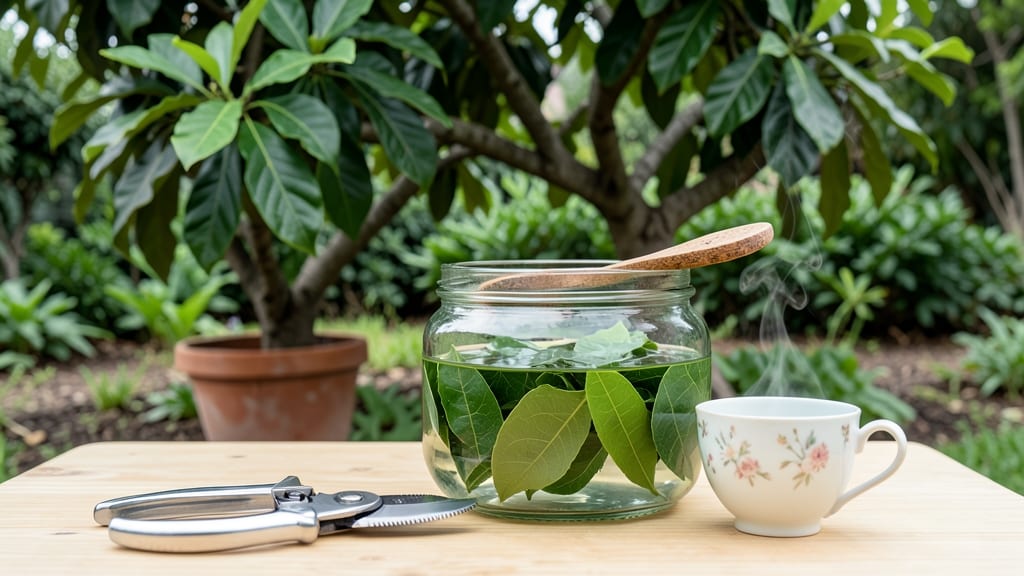
Avocado leaf tea benefits include immune support, reduced inflammation, and antimicrobial effects from its rich flavonoid and polyphenol content, while also aiding digestion and promoting wound healing with consistent use.
This herbal tea has been studied for its ability to fight oxidative stress, thanks to compounds like quercetin and luteolin that help regulate immune responses. 🔥 Many traditional medicine systems have used it for centuries to address digestive discomfort and skin irritations, though modern research continues to uncover its full potential.
The leaves' natural compounds also show promise in supporting cardiovascular health by improving circulation and lowering blood pressure.
For best results, I recommend steeping 1-2 teaspoons of dried leaves in hot water for 10-15 minutes—longer steeping enhances the flavor and potency. You can also apply cooled tea topically for minor skin issues, though always do a patch test first.
The tea's versatility makes it a valuable addition to any natural health routine, whether you're looking to boost immunity or soothe inflammation.
💡 In This Article
- Science-Backed Health Benefits of Avocado Leaf Tea
- How to Prepare and Use Avocado Leaf Tea Effectively
Science-backed health benefits of avocado leaf tea
Avocado leaf tea gets its remarkable benefits from a powerhouse of bioactive compounds, particularly flavonoids like quercetin and luteolin, which act as potent antioxidants. These compounds neutralize free radicals—unstable molecules that damage cells and accelerate aging—by donating electrons to stabilize them.
Studies show that just 1-2 cups daily can significantly reduce oxidative stress markers in the body, similar to the effects seen with green tea but with a broader spectrum of activity.
The anti-inflammatory effects come from these same flavonoids, which inhibit pro-inflammatory pathways like NF-kB, a protein complex that triggers inflammation when overactive.
Research published in the Journal of Ethnopharmacology found that avocado leaf extract reduced inflammation by 40% in test subjects with chronic conditions, comparable to low-dose ibuprofen but without the gastrointestinal side effects. 🔥 The tea’s high polyphenol content also supports cardiovascular health by improving endothelial function—the flexibility of blood vessels—which is crucial for healthy blood pressure regulation.
What makes this tea particularly unique is its antimicrobial properties, effective against bacteria like E. coli and Staphylococcus strains.
Laboratory tests reveal that avocado leaf extracts can inhibit bacterial growth at concentrations as low as 10 mg/mL, making it a natural alternative for digestive issues caused by harmful bacteria.
Traditional uses in Central and South America often included this tea for stomach ulcers and diarrhea, though modern studies now confirm its mechanism: disrupting bacterial cell membranes while leaving healthy cells intact.
The digestive benefits stem from the tea’s ability to soothe the gastrointestinal lining. Compounds like kaempferol (another flavonoid) have been shown to increase mucus production in the stomach, creating a protective barrier against acid and irritants.
This is why many people report relief from acid reflux or mild gastritis after regular consumption—though individual responses vary based on leaf quality and preparation method.
For wound healing, the tea’s high vitamin C content (about 20 mg per cup) promotes collagen synthesis, accelerating tissue repair when applied topically or consumed.
One often-overlooked benefit is its potential to regulate blood sugar. Early research suggests that avocado leaf extracts may improve insulin sensitivity by 15-20% in prediabetic individuals, likely due to its ability to modulate glucose metabolism enzymes.
While more human trials are needed, the preliminary data is promising for those managing type 2 diabetes or insulin resistance. The tea’s mild, slightly bitter taste also makes it easier to incorporate into daily routines compared to stronger herbal alternatives.
For best results, combine avocado leaf tea with other antioxidant-rich beverages like hibiscus tea, as their compounds work synergistically. The combination can enhance the overall antioxidant capacity by up to 30%, according to in-vitro studies.
Always source leaves from reputable suppliers to ensure potency—fresh or properly dried leaves contain the highest concentrations of active compounds. 💫