
Diseases
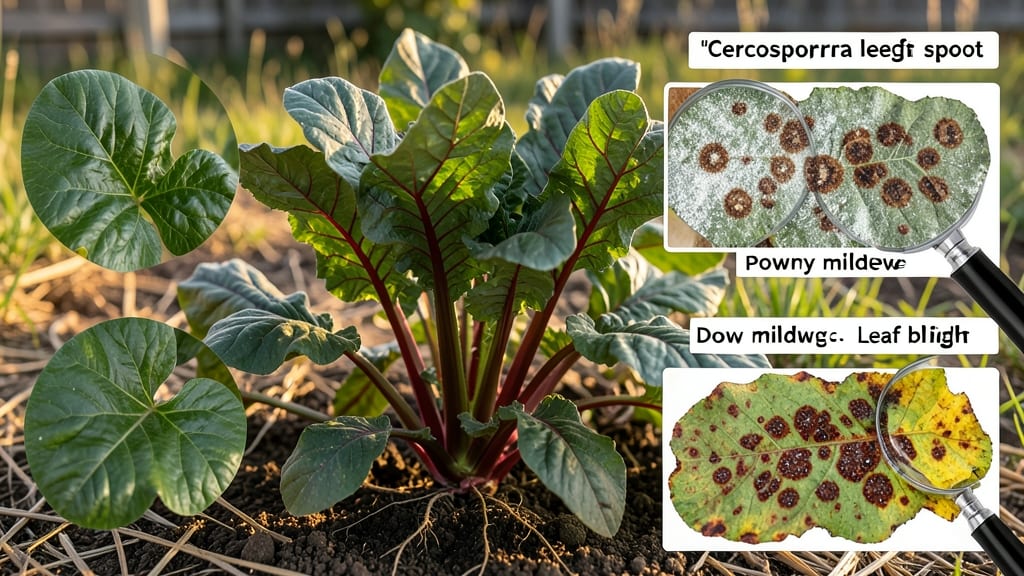
Spotting those first suspicious signs of beet leaf diseases can turn a thriving harvest into a frustrating mess—unless you act fast. 🌱 I’ve seen Cercospora leaf spot, powdery mildew, and downy mildew ruin entire beds, but the right moves can save your crop before it’s too late.
The key? Recognizing the signs early and knowing which treatments work best for each disease.
Most beet diseases start with tiny discolored spots or fuzzy white patches that spread when conditions are damp and humid. My biggest mistake was waiting until the leaves looked terrible before acting—now I check plants weekly after rain.
Proper spacing and air circulation go a long way in prevention, but even the best-laid plans need a backup when fungus strikes.
You’ll learn how to distinguish between common diseases, when to pull infected leaves, and which organic sprays (like neem oil or copper fungicide) work best. The goal isn’t just to treat—it’s to keep your beets healthy enough to produce those sweet, earthy roots you planted for.
With the right approach, you can cut losses by 80% or more.
Whether you’re growing in raised beds or open soil, these strategies adapt easily. The sooner you spot trouble, the sooner you can stop it—before your harvest turns into a pile of sad, spotted leaves. Let’s get your beets back on track.
Root Causes of Beet Leaf Problems
Understanding why beet leaf diseases strike is the first step to protecting your crop. These issues rarely happen in isolation—they’re often the result of a perfect storm of environmental, biological, and agricultural factors. Let’s break down the key culprits and why they create the ideal conditions for trouble.
Fungal diseases are the most common threat to beet leaves, and they thrive when moisture lingers on foliage. Here’s why:
- Humidity & Rainfall: Fungi like Cercospora (which causes leaf spot) and Peronospora (downy mildew) love damp conditions. When leaves stay wet for 12+ hours, spores germinate and infect tissue.
Heavy dew or overhead irrigation creates a fungal buffet. - Poor Air Circulation: Dense plantings or crowded rows trap moisture near leaves, giving fungi a cozy environment.
Fungal spores spread via wind or splashing water, but they need high humidity to establish infections. - Weakened Plants: Stressed beet plants (from drought, nutrient deficiencies, or transplant shock) have thinner cell walls, making them easier targets for fungal invasion.
Pro Tip: 🌡️ Monitor leaf wetness duration with a hygrometer—aim to keep it below 6 hours daily during peak growing seasons.
Bacterial diseases (e.g., Xanthomonas leaf spot) exploit even tiny openings in plant tissue. Here’s how they gain entry:
- Physical Damage: Hail, insect feeding (like flea beetles), or rough handling during harvesting create entry points for bacteria. A single wound can become a gateway for systemic infection. - Contaminated Water: Overhead irrigation with bacterial-laden water (from reused containers or untreated sources) splashes pathogens onto leaves.
Drip irrigation is safer but still risks contamination if tools are dirty. - Warm, Wet Conditions: Bacteria thrive in temperatures 70–85°F (21–29°C) with high humidity. These conditions soften plant tissues, making them more susceptible to invasion.
Pro Tip: ✨ Use copper-based sprays (like Bordeaux mixture) as a preventive barrier—copper disrupts bacterial cell membranes.
Insects don’t just eat beet leaves—they pave the way for secondary infections. Here’s how:
- Flea Beetles & Aphids: These pests chew leaves, creating tiny wounds that let fungi and bacteria slip in.
Their honeydew (sugary waste) also feeds sooty mold, which blocks sunlight and stresses plants. - Thrips & Mites: They damage leaf surfaces, reducing the plant’s ability to repel pathogens.
Their feeding scars disrupt the waxy cuticle, making leaves more permeable. - Root Feeders (Wireworms, Grubs): While they attack below ground, their stress weakens the plant’s immune response, making aboveground foliage easier prey for diseases like powdery mildew.
Pro Tip: 🎯 Use row covers early in the season to block pests before they cause damage—physical barriers are the most effective prevention.
Beet leaves aren’t just attacked—they’re often too tired to fight back. These factors weaken resistance:
- Extreme Temperatures: Sudden heatwaves or cold snaps shock plants, disrupting photosynthesis and nutrient uptake. Weakened leaves can’t produce enough phenolic compounds (natural antifungals). - Nutrient Imbalances: A lack of magnesium (causes interveinal chlorosis) or potassium (weakens cell walls) makes leaves more vulnerable.
Over-fertilizing with nitrogen also promotes lush, soft growth that’s prime real estate for pathogens. - Soil Compaction: Poor drainage or hardpan prevents roots from accessing water/nutrients, leading to stunted growth and thin leaves. Compacted soil also traps moisture, inviting fungal growth.
Pro Tip: 💡 Conduct a soil test before planting—amend with compost or organic matter to improve drainage and nutrient availability.
Diseases linger in the soil and debris. Here’s how past problems resurface:
- Monoculture Fatigue: Growing beets (or related crops like spinach) in the same spot year after year depletes beneficial microbes and leaves behind disease-causing pathogens. - Old Crop Residue: Leaving infected plant debris in the field provides a food source and shelter for overwintering fungi/bacteria.
For example, Rhizoctonia survives in old root fragments. - Contaminated Tools/Seeds: Pruners, gloves, or even seed coatings can carry pathogens from one planting to the next. Sanitize tools with 70% alcohol between uses.
Pro Tip: 🔄 Rotate crops with non-host plants (like brassicas or legumes) and practice clean tillage to bury debris at least 12 inches deep.
Water is essential, but how you deliver it makes all the difference:
- Overhead Irrigation: Watering from above spreads spores and bacteria splash-style, contaminating healthy leaves.
It also keeps foliage wet longer than necessary. - Inconsistent Watering: Drought stress weakens plants, while sudden overwatering creates anaerobic soil conditions that promote root rot (Pythium, Phytophthora). - Salinity Buildup: Using poor-quality water (high in salts or chemicals) damages leaf tissue, making it easier for pathogens to invade.
Pro Tip: 🌊 Switch to drip irrigation or soaker hoses to deliver water at the soil level—this keeps leaves dry and reduces disease spread.
Pesticides and fertilizers can backfire if not used correctly:
- Fungicide Resistance: Over-relying on single-mode fungicides (like benzimidazoles) can create resistant strains of pathogens. Always rotate chemistries. - Herbicide Drift: Off-target spray can burn leaf tissue, creating wounds for secondary infections.
Use buffer zones and apply herbicides on calm days. - Excessive Fertilizer: Too much synthetic nitrogen promotes rapid, weak growth that’s prone to disease. Balance with organic amendments like compost or fish emulsion.
Pro Tip: 🔥 Follow the 4R nutrient stewardship principle: Right source, Right rate, Right time, Right place—never more than needed.
Quick Fixes for Beet Leaf Troubles
When beet leaf diseases strike, acting fast is key to saving your crop. Below, we’ve mapped out practical solutions for the most common issues—from fungal infections to pest damage—along with prevention tips to keep your plants healthy. Think of this as your emergency guide for beet leaf care!
Fungal diseases like downy mildew and powdery mildew thrive in damp, humid conditions. Here’s how to treat and prevent them:
1️⃣ Prune and Clean Infected Leaves 🔪
- Remove affected leaves immediately—don’t compost them! Place them in a sealed bag and dispose of them far from your garden.
- Sanitize pruners with rubbing alcohol between cuts to prevent cross-contamination.
2️⃣ Apply Fungicidal Sprays 💦
- Neem oil (1 tsp per quart of water) or baking soda spray (1 tbsp baking soda + 1 tsp dish soap + 1 quart water) work well for early-stage infections.
- For severe cases, use copper-based fungicides (follow label instructions).
- Spray undersides of leaves—this is where downy mildew loves to hide!
3️⃣ Improve Air Circulation 🌬️
- Space plants 12–18 inches apart to reduce humidity buildup.
- Avoid overhead watering—use drip irrigation or water at the base instead.
💡 Prevention Tip:
Rotate crops yearly to break fungal cycles—never plant beets (or other greens) in the same spot two years in a row.
Pests like aphids, flea beetles, and spider mites weaken beet leaves, making them vulnerable to disease. Here’s how to evict them for good:
1️⃣ Blast Off Pests with Water 💦
- Strong spray from a hose (early morning) dislodges aphids and spider mites.
- Soap spray (1 tsp mild liquid soap + 1 quart water) suffocates soft-bodied pests—reapply every 3–5 days.
2️⃣ Introduce Beneficial Insects 🐞
- Ladybugs devour aphids, while lacewings target flea beetles. Buy them online or attract them with dill or fennel in your garden.
- Predatory mites (like Phytoseiulus persimilis) eat spider mites—apply them at dusk when they’re most active.
3️⃣ Use Row Covers for Flea Beetles 🛡️
- Floating row covers block flea beetles while allowing light and water through. Install them before planting for best results.
💡 Prevention Tip:
Plant traps crops like radishes or mustard greens nearby—pests will go for those instead!
If leaves turn yellow, crispy, or wilt, your beets may be suffering from heat stress, overwatering, or root damage. Here’s how to bring them back:
1️⃣ Check the Roots 🌱
- Gently loosen soil around the base to see if roots are rotting (mushy brown) or dry and shriveled.
- If roots are healthy but leaves are wilting, water deeply but less often (beets hate soggy soil).
2️⃣ Provide Shade & Mulch ☀️
- Shade cloth (30–50%) can protect plants during heatwaves.
- Mulch with straw or grass clippings (2–3 inches deep) to retain moisture and cool roots.
3️⃣ Fertilize Lightly 🌿
- Too much nitrogen causes leafy growth at the expense of roots. Use a balanced fertilizer (5-5-5) or compost tea instead.
💡 Prevention Tip:
Harvest during cool hours (early morning) to reduce stress on mature plants.
Yellowing leaves or stunted growth? Your beets might be hungry for key nutrients. Here’s how to diagnose and fix common deficiencies:
| Symptom | Likely Cause | Solution |
|---|---|---|
| Yellow lower leaves | Nitrogen deficiency | Side-dress with compost or fish emulsion |
| Purple stems/leaves | Phosphorus deficiency | Add bone meal or rock phosphate |
| Crispy edges | Calcium or magnesium | Sprinkle crushed eggshells or use Epsom salt (1 tbsp/gallon) |
| Weak, pale leaves | Iron deficiency (chlorosis) | Apply chelated iron or use iron sulfate |
💡 Prevention Tip:
Test your soil every 2–3 years—knowing your pH (6.0–7.0 is ideal for beets) prevents guesswork!
The best cure is a healthy garden.
Here’s your disease-fighting checklist: ✅ Rotate crops annually. ✅ Water at the base (never overhead). ✅ Inspect leaves weekly—catch problems early! ✅ Keep tools clean to avoid spreading pathogens. ✅ Plant disease-resistant varieties (like ‘Detroit Dark Red’ for mildew resistance).
By following these steps, your beet leaves will stay lush, disease-free, and ready for harvest! 🚜💚
Frequently asked questions
What are the most common signs of fungal diseases on beet leaves?
Look for powdery white patches (powdery mildew), yellow spots with dark borders (Cercospora leaf spot), or purple-gray fuzzy growth on undersides (downy mildew). These diseases thrive in damp conditions, so check leaves after rain or overhead watering. Early detection is key—remove infected leaves immediately and improve airflow.
Can I still harvest beets if the leaves have diseases?
Yes, but focus on the roots! Beet roots typically stay healthy even when leaves show disease. Pull the entire plant if the root looks soft or mushy (sign of root rot). Otherwise, harvest the roots and compost the diseased foliage far from your garden to prevent spreading pathogens.
How often should I spray preventative treatments on my beets?
Apply organic sprays like neem oil or baking soda mix every 7–10 days during humid seasons, or after heavy rain. For chemical fungicides, follow label instructions—usually every 14 days. Prevention works best when combined with proper spacing (12–18 inches apart) and avoiding overhead watering.
Will crop rotation really help prevent beet leaf diseases?
Rotating with non-host plants (like brassicas or legumes) breaks fungal cycles in the soil. Avoid planting beets in the same spot for 2+ years. Pair this with removing old debris and testing soil health—healthy soil builds natural resistance against pathogens.
What’s the fastest way to tell if my beet plants have bacterial vs. fungal disease?
Check for water-soaked spots (bacterial) vs. powdery or fuzzy growth (fungal). Scrape a spot—if it oozes yellow liquid, it’s bacterial (like Xanthomonas). Fungal spots usually have raised edges and don’t ooze. Copper sprays work for both, but bacterial infections often require stronger antibiotics.