
Trees
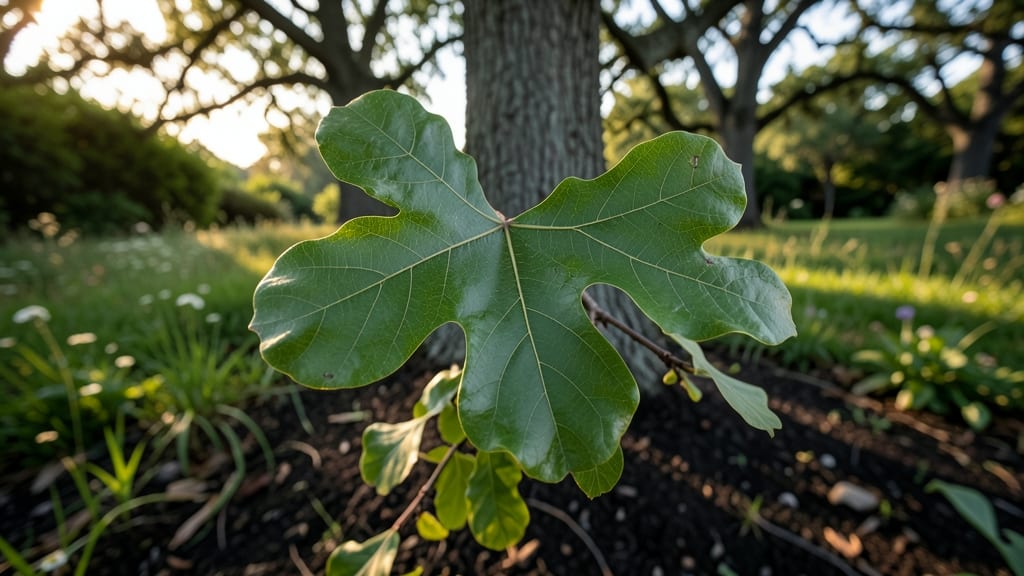
Spotting a live oak tree leaf identification takes just seconds once you know the telltale signs—leathery texture, rounded lobes, and that classic deep green color that shines like polished metal. 🌿 I’ve spent years studying these trees, and I can tell you the first thing that gives them away is how the leaves feel: thick, almost rubbery, with a waxy coating that repels water.
Younger leaves start out lighter, almost yellow-green, but mature into that signature glossy dark hue within a season.
The edges are smooth but slightly wavy, never jagged like some oaks, and the lobes—there are usually 3-5 of them—are broad and blunt, not pointed. Look at the underside too: it’s paler and covered in tiny hairs when young, though they fade as the leaf ages.
These traits alone set live oaks apart from their lookalikes like willows or even other oak species.
But here’s where it gets interesting—when leaves start showing yellowing, brown spots, or curling, that’s your tree crying for help. Too much water? Not enough? Or maybe those pesky oak leaf blisters are moving in.
I’ll show you how to tell the difference between normal seasonal changes and real problems so you can act before it’s too late.
Whether you’re a homeowner admiring your yard’s centerpiece or a nature enthusiast out for a walk, mastering these leaf traits means you’ll never mistake a live oak again.
And once you spot them, you’ll start noticing how they change with the seasons—proof that even the most iconic trees have stories to tell.
Understanding Leaf Changes in Live Oaks
Live oak trees (Quercus virginiana) are iconic for their glossy, leathery leaves, but their appearance can shift due to natural processes, environmental stress, or pests. Below, we break down the key reasons why live oak leaves might look different than expected—from seasonal shifts to serious threats.
Live oak leaves undergo predictable changes tied to the tree’s life cycle and climate. These variations are usually harmless and even beneficial for the tree’s health.
- New Growth Flushes:
Live oaks often produce new leaves in spring (March–May) and sometimes after summer storms. These younger leaves are lighter green, softer, and more elongated than mature foliage. This is normal—older leaves thicken and darken as they age.
💡 Pro Tip: If new leaves appear yellow or curled, check for fungal spores or overwatering. - Fall Color Transition:
While live oaks are evergreen, their leaves may turn brown or bronze in late autumn or winter due to cold stress or drought. Unlike deciduous trees, they rarely drop all leaves but may shed older ones to conserve energy.
✨ Fact: Healthy live oaks retain most leaves year-round in mild climates (Zones 7–10). - Sun vs. Shade Leaves: Leaves on sun-exposed branches tend to be smaller, thicker, and darker green (to reduce water loss), while shade leaves are larger and lighter. This isn’t a problem—it’s the tree’s way of optimizing photosynthesis.
Extreme or prolonged environmental conditions can alter leaf appearance, often as a survival mechanism. These changes are usually reversible if conditions improve.
| Cause | Leaf Symptoms | What’s Happening |
|---|---|---|
| Drought | Brown edges, curled upward, premature drop | The tree conserves water by reducing leaf surface area and shutting down transpiration. Deep roots may help, but prolonged dryness weakens the tree. |
| Overwatering | Yellowing (chlorosis), mushy texture, black spots | Root rot or anaerobic soil (lack of oxygen) prevents nutrient uptake. Live oaks prefer well-draining soil—soggy conditions suffocate roots. |
| Temperature Extremes | Scorched brown patches (heat) or frost-bitten tips (cold) | Live oaks thrive in 70–90°F ranges. Heat stress causes protein denaturation in cells, while frost damages cell membranes. |
| Poor Soil Nutrition | Pale yellow leaves, stunted growth | Deficiencies in iron, nitrogen, or magnesium disrupt chlorophyll production. Live oaks often need acidic soil (pH 5.0–6.0) for optimal nutrient absorption. |
🔥 Actionable Fix: Test soil pH and amend with compost or sulfur if too alkaline. For drought, deep water 1–2x/week (not daily shallow watering).
When leaves deviate from their healthy dark green and leathery texture, pests or pathogens are often the culprits. These issues require intervention to prevent tree decline.
- Oak Leaf Gall Wasps
Symptoms: Small, wart-like galls on leaves (often along veins) or curled, stunted leaf growth.
Why It Happens: Female wasps lay eggs in leaf tissue, triggering abnormal cell growth as a protective response. Galls don’t kill the tree but can weaken it over time.
🎯 Solution: Prune and destroy heavily infested leaves in fall/winter (wasps are dormant). Avoid pesticides—natural predators help control populations. - Fungal Infections (e.g., Anthracnose)
Symptoms: Dark brown spots with yellow halos, leaf drop, or velvety mold on undersides.
Why It Happens: Fungi like Apiognomonia quercina thrive in wet, humid conditions, entering leaves through stomata (pores). They block nutrient transport, causing tissue death.
💡 Pro Tip: Improve air circulation by thinning dense branches and avoid overhead watering. - Oak Leaf Miner
Symptoms: Blotchy, white or brown trails inside leaves (larvae feeding), followed by premature leaf drop.
Why It Happens: Moth larvae burrow between leaf layers, disrupting photosynthesis. Heavy infestations can defoliate branches.
🔪 Treatment: Apply horticultural oil in late winter/early spring to smother eggs. Remove and destroy infested leaves.
⚠️ Warning: If you see oozing sap, dieback, or wilting, the issue may be bacterial leaf scorch or root rot—contact an arborist immediately.
Quick Fixes for Leaf Issues
When your live oak tree’s leaves start looking off, acting fast can make all the difference. Below are practical solutions tailored to common problems—from pests to diseases—along with prevention tips to keep your tree thriving. 🌿🔍
Cause: Chewing insects (like oak leaf rollers, lace bugs, or gypsy moths) or sap-suckers (such as scale insects) can distort, discolor, or skeletonize leaves.
How to Fix It: 🔥 Handpick or Prune – Remove heavily infested leaves or branches (wear gloves!). Drop them in soapy water to kill pests. 🍳 Spray Neem Oil – Mix 1 tbsp neem oil + 1 tsp mild soap in 1 quart of water. Spray undersides of leaves (where pests hide) every 5–7 days. Best for early-stage infestations. 👨🍳 Introduce Beneficial Insects – Ladybugs and lacewing larvae devour aphids and mites. Buy them online or attract them with native plants like dill or yarrow. 🔪 Use Insecticidal Soap – For severe cases, spray a commercial soap (like Safer®) on a cloudy day to avoid burning leaves.
Prevention Tips: ✅ Monitor Regularly – Check leaves monthly, especially in spring/summer. ✅ Encourage Biodiversity – Plant companion species like marigolds to repel pests naturally. ✅ Avoid Overwatering – Pests love stressed trees. Water deeply but infrequently.
Cause: Fungi like anthracnose, powdery mildew, or leaf spot thrive in humid conditions, causing brown spots, yellowing, or white powdery coatings.
How to Fix It: 💡 Prune for Airflow – Thin out dense branches to improve circulation. Remove and destroy (don’t compost!) infected leaves. 🌡️ Apply Fungicide – Use copper-based or sulfur sprays (like Bonide®) every 2–3 weeks during wet seasons. 🎯 Water at the Base – Avoid overhead watering, which spreads spores. Use drip irrigation or soaker hoses.
Prevention Tips: ✨ Space Trees Properly – Live oaks need 30–50 feet of clearance to prevent crowding. 🌧️ Rake Up Debris – Clean fallen leaves in fall to remove fungal overwintering sites.
Cause: Wilting, crispy edges, or yellowing leaves often signal poor water management.
How to Fix It: 🔥 Check Soil Moisture – Stick your finger 2–3 inches deep. If dry, water deeply (1–2 inches per week). If soggy, let it dry out. 🥘 Mulch Like a Pro – Spread 2–4 inches of organic mulch (wood chips) around the base (but not touching the trunk) to retain moisture. ⏰ Adjust Watering Schedule – Young trees need weekly watering; mature oaks may only need it every 2–3 weeks.
Prevention Tips: 💡 Test Your Soil – Use a DIY kit to check pH and drainage. Live oaks prefer slightly acidic (6.0–7.0) and well-draining soil. 🌱 Group Plants Strategically – Pair oaks with drought-tolerant companions like yuccas or agaves to reduce competition.
Cause: Lack of nitrogen, iron, or magnesium leads to chlorosis (yellowing between veins) or stunted growth.
How to Fix It: 📊 Soil Test First – Send a sample to a local extension office for a $20–$50 analysis. Results guide fertilizer choices. 💪 Use Slow-Release Fertilizer – For nitrogen deficiency, apply a balanced 10-10-10 or oak-specific fertilizer in early spring. 🥗 Add Organic Amendments – Mix compost or worm castings into the top 6 inches of soil for micronutrients.
Prevention Tips: ✅ Fertilize Annually – Feed in late winter before new growth starts. ✅ Avoid Synthetic Overload – Too much fertilizer burns roots. Follow package rates precisely.
Pro Tip: 🌟 When in doubt, consult a certified arborist. Some issues (like oak wilt) require professional treatment to save the tree. Act early—your live oak’s health depends on it!
Frequently asked questions
How can I tell the difference between live oak leaves and willow leaves?
Live oak leaves are thick, leathery, and glossy with 3-5 rounded lobes and smooth edges, while willow leaves are long, narrow, and flexible with serrated edges. Live oak leaves also have a waxy coating that repels water, making them feel almost rubbery to the touch.
Why do some live oak leaves turn brown in winter?
This is normal for live oaks in colder climates! While they’re evergreen, leaves may turn brown or bronze in late autumn due to cold stress or drought. Healthy trees retain most leaves year-round in mild climates (Zones 7–10), but older leaves may drop to conserve energy.
What do oak leaf gall wasps look like, and how do I get rid of them?
Oak leaf gall wasps create small, wart-like galls on leaves (often along veins) or cause curled, stunted growth. To remove them, prune and destroy heavily infested leaves in fall/winter (when wasps are dormant). Avoid pesticides—natural predators help control populations.
Can I grow live oak trees from acorns?
Yes! Collect acorns in fall, plant them 1 inch deep in well-draining soil, and keep them moist. Germination takes 2-3 months. Live oaks grow slowly, so be patient—they may take years to develop their signature glossy leaves.
Why are my live oak leaves curling at the edges?
Curled edges often signal drought stress, pest damage, or fungal infections. Check for brown spots (fungus) or tiny holes (insects). Water deeply 1-2x/week and inspect leaves for pests. If symptoms persist, consult an arborist for treatment options.