
Pests and Diseases
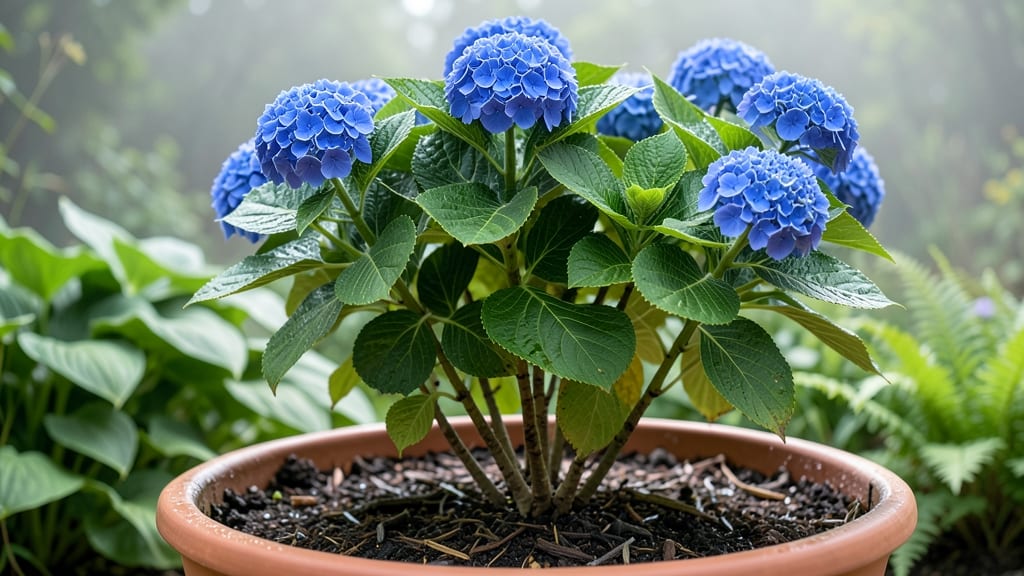
My big leaf hydrangea nearly gave up on me last summer—until I learned the secret about soil pH. 💧 Those stunning blue blooms depend on more than just water and sunlight; the right acidity level transforms drooping heads into lush, vibrant clusters.
The moment I adjusted my garden’s soil pH, my plant perked up and started producing blooms so full they weighed down the stems.
Big leaf hydrangeas thrive in partial shade (morning sun, afternoon shade) and moist, well-draining soil—think of them as the divas of the garden. They’re not fussy about soil type, but they will reward you with bigger blooms if you amend the soil with compost or peat moss.
And here’s the game-changer: soil pH between 5.5 and 6.0 turns those flowers blue, while a higher pH (6.5+) shifts them toward pink. Test your soil, and you’ll see the difference in just a few weeks.
Pruning is where most gardeners trip up—cutting at the wrong time or too aggressively can leave you with sparse blooms. Prune right after flowering (late summer or early fall) to encourage next year’s buds.
For established plants, remove one-third of the oldest stems at the base to make room for new growth. With the right care, you’ll end up with blooms so abundant they’ll make your neighbors jealous—and that’s a promise.
Pair your hydrangea with companion plants like astilbes (for texture) or ferns (for shade-loving harmony). Mulch around the base to retain moisture and keep roots cool. If your blooms start wilting or turning brown, check your watering—hydrangeas hate soggy roots but also can’t handle drought.
A drip irrigation system keeps moisture consistent without overwatering, and a weekly foliar spray in hot weather prevents stress. Trust me, once you master these basics, your hydrangea will thank you with blooms that last from summer through fall.**
📚 In This Guide
- What you need
- Instructions
- Tips and common mistakes
- Wrapping up and next steps
What you need
- ● Big leaf hydrangea plants – Choose healthy, disease-free specimens (bare-root or potted). Quantity: 1-3 plants per desired location.
- ● Well-draining potting mix or garden soil – Specs: Amend garden soil with compost (30-50%) for optimal drainage and nutrient retention.
- ● Slow-release fertilizer – Type: Balanced (10-10-10) or hydrangea-specific (high in phosphorus for blooms). Amount: 2-3 tbsp per plant.
- ● pH testing kit – Type: Liquid or soil test strips to monitor pH (aim for 5.2–5.5 for blue blooms or 6.0–7.0 for pink).
- ● Aluminum sulfate or hydrated lime – Purpose: Adjust soil pH (aluminum sulfate lowers pH; lime raises it). Amount: Follow kit instructions (typically 1-2 lbs per 100 sq ft).
- ○ Mulch (optional but recommended) – Type: Pine bark or shredded leaves (2-3 inches thick) to retain moisture and regulate temperature.
- ● Garden gloves – Protect your hands from thorns and soil.
- ● Trowel or spade – For digging planting holes (Size: 2x wider and deeper than the root ball).
- ● Pruning shears – Specs: Sharp, clean shears (disinfect with rubbing alcohol between cuts).
- ● Watering can or hose with a gentle nozzle – Deep watering is key! Aim for 1–1.5 inches per week.
- ● Wheelbarrow or bucket – For mixing soil amendments.
- ● Measuring cup or scale – For precise fertilizer/pH adjuster application.
- ● 🌡️ Morning sunlight: Test soil pH in the morning for the most accurate readings.
- ● ✨ Rainy days: Avoid adjusting pH or fertilizing during heavy rain—it washes away amendments!
- ● 🎯 Pruning timing: Deadhead spent blooms in early summer to encourage new flowers.
Step-by-step instructions for cultivating big leaf hydrangeas
Here's the method I've perfected over seasons to coax vibrant blooms from even the most neglected plants.
☀️ Step 1: Select the Perfect Planting Location
Big leaf hydrangeas thrive in partial shade—think morning sun with afternoon shade or dappled sunlight through trees. I always plant mine where they receive 4-6 hours of direct sun maximum, especially in hotter climates. The key is avoiding midday sun, which scorches leaves and stresses the plant.
Test your spot by observing how sunlight moves across it throughout the day. If you see bright, unfiltered sun hitting the area after 10 AM, choose a different location. These plants reward patience with larger, more vibrant blooms when protected from intense afternoon rays.
🪴 Step 2: Prepare the Soil with pH-Balanced Amendments
Big leaf hydrangeas are famously finicky about soil pH—aim for 5.2-6.0 for blue blooms or 6.0-7.0 for pink. I test my soil first using a simple pH test kit (available at garden centers). If your soil reads above 6.5, amend with elemental sulfur or peat moss to lower the pH gradually.
Mix 2-3 inches of organic compost into the top 12 inches of soil to improve drainage and fertility. Avoid garden soil from your yard—it's often too dense and compacted. The goal is well-draining yet moisture-retentive soil that mimics their native woodland conditions.
💧 Step 3: Plant at the Right Depth and Water Thoroughly
Dig a hole twice as wide as the root ball but only as deep—planting too deep suffocates the roots. Gently loosen the root ball if it looks compacted, then place the hydrangea in the hole so the top of the root ball sits level with the surrounding soil. This prevents water from pooling around the stem.
Backfill with your amended soil, pressing lightly to remove air pockets. Water deeply immediately after planting—1-2 gallons for each plant—to settle the soil and eliminate air gaps. Mulch with 2-3 inches of shredded bark around the base (but not touching the stem) to conserve moisture and regulate soil temperature.
✂️ Step 4: Prune Strategically for Season-Long Blooms
Big leaf hydrangeas bloom on old wood, so pruning timing matters. I wait until late winter or early spring (just as new growth begins) to trim. Remove dead or crossing branches first, then cut back any stems that died over winter to just above a strong bud. Never prune more than 1/3 of the plant in one season.
For shaping, focus on opening the center of the plant to improve airflow. Avoid heavy pruning in fall—this removes next year's flower buds. If you notice drooping blooms, check for overwatering or underwatering first before considering pruning adjustments.
🌿 Step 5: Maintain Consistent Moisture and Fertility
Water deeply once weekly during the growing season, aiming for 1-1.5 inches of water per week. Let the top 2 inches of soil dry out between waterings to prevent root rot. I use a soaker hose to deliver water slowly at the base, avoiding wetting the foliage—this reduces fungal diseases.
Feed with a balanced, slow-release fertilizer (10-10-10) in early spring, then switch to an acid-loving plant formula (like cottonseed meal) in mid-summer to support blooming. Avoid high-nitrogen fertilizers—they promote lush foliage at the expense of flowers. Monitor for yellowing leaves, which often signals iron deficiency in acidic soils.
Tips & tricks for cultivating big leaf hydrangeas
These little-known details make all the difference between struggling hydrangeas and showstopping blooms.
Lighting Strategy: I've learned the hard way that morning sun with afternoon shade is non-negotiable. If your garden gets intense afternoon sun, consider planting near a north-facing wall or under deciduous trees that provide summer shade. The 4-6 hours of morning light gives them just enough energy without the stress of midday heat—think of it as their golden hour.
Soil Science: That 2-3 inches of organic compost in the top 12 inches of soil isn't just about nutrients—it's about creating the right texture. I sift mine through a mesh bag to avoid clumps, then mix it thoroughly with the native soil. For clay-heavy soils, add 10% perlite to improve drainage while maintaining moisture retention. The goal is a soil that crumbles easily when dry but holds water like a sponge.
Pruning Precision: When cutting back stems to just above a strong bud in late winter, look for buds that face outward—they'll create a fuller plant. I always make my cuts at a 45-degree angle about 1/4 inch above the bud to prevent water from pooling. This small detail makes a huge difference in preventing rot and encouraging new growth. Remember, you're shaping next year's blooms with every cut.
Watering Wisdom: That 1-1.5 inches of water weekly might sound simple, but timing matters. I water in the early morning when evaporation is lowest, and I always check the soil moisture by sticking my finger 2 inches deep. If it feels dry, it's time to water. The key is consistency—hydrangeas hate moisture fluctuations, which is why drooping blooms often signal either underwatering or overwatering. A simple rain gauge helps track your weekly totals.
Pro Tips for Big Leaf Hydrangea
- These little-known details make all the difference between struggling hydrangeas and showstopping blooms.
- Lighting Strategy: I've learned the hard way that morning sun with afternoon shade is non-negotiable.
- Soil Science: That 2-3 inches of organic compost in the top 12 inches of soil isn't just about nutrients—it's about creating the right texture.
Frequently asked questions
Got questions about keeping your big leaf hydrangea thriving? You’re not alone! Here are some of the most common concerns—plus quick fixes to keep those lush blooms happy and healthy.
Why are my big leaf hydrangea blooms drooping, even with plenty of water?
Drooping can signal overwatering (root rot) or underwatering (stress). Check soil moisture—it should feel like a damp sponge, not soggy or bone-dry. Also, ensure proper drainage and mulch to retain moisture. If blooms stay limp, prune leggy stems to encourage new growth.
How do I fix pink blooms when I want blue?
Big leaf hydrangeas change color based on soil pH! For blue blooms, amend soil with elemental sulfur (lowers pH). For pink, add lime (raises pH). Test soil pH every 6 months—aim for 5.2–5.5 for blue and 6.0+ for pink. Pro tip: Hydrangeas take 4–6 weeks to show color changes after pH adjustments.
What pests should I watch for on big leaf hydrangeas?
Keep an eye out for:
- Japanese beetles (skeletonized leaves)—handpick or use neem oil.
- Aphids (sticky residue)—blast off with water or spray insecticidal soap.
- Spider mites (yellowing leaves)—increase humidity and treat with horticultural oil.
When is the best time to prune big leaf hydrangeas?
Prune right after flowering (late summer to early fall) to shape the plant and remove dead blooms. Avoid pruning in spring—you’ll cut off next year’s buds! Use clean, sharp shears and cut back to healthy leaf nodes for bushier growth.
Can I grow big leaf hydrangeas in containers?
Choose a large container (15+ gallons) with drainage holes and use well-draining potting mix. Move pots to partial shade in summer to prevent leaf scorch. Fertilize monthly with a balanced formula (10-10-10) and refresh soil every 2–3 years to prevent nutrient depletion.
Wrapping up and next steps
Revitalizing your big leaf hydrangea is all about patience, observation, and a little scientific know-how! By mastering pH-balanced care, proper pruning, and pest prevention, you’ll transform those droopy blooms into lush, vibrant displays that steal the show. 🌿✨
Ready to take action? Start by testing your soil’s pH this weekend—your hydrangea’s future blooms depend on it! And if you’re feeling ambitious, share your progress with fellow gardeners for extra tips and encouragement. Happy gardening!