
Pruning
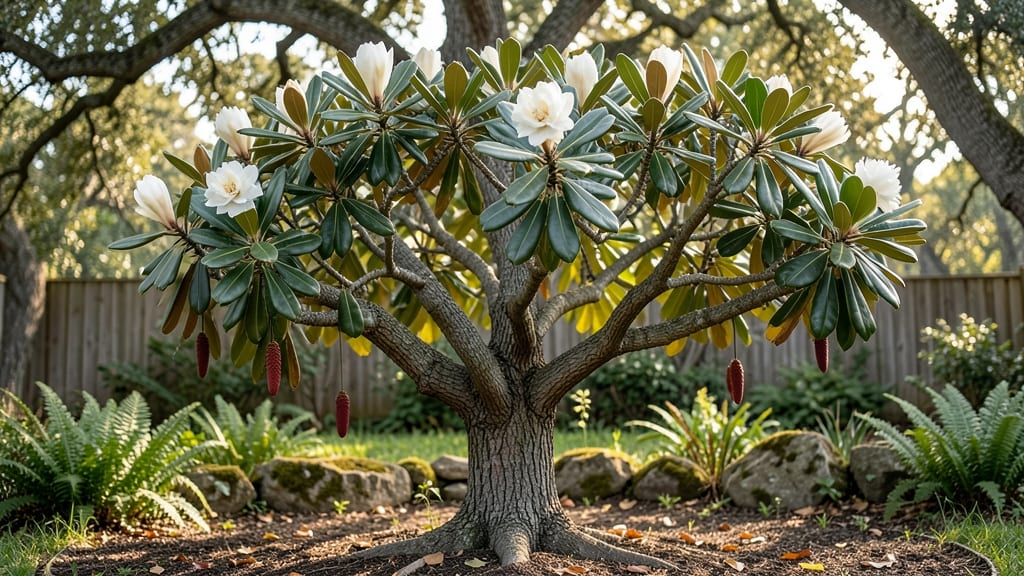
The big leaf magnolia tree delivers year-round drama with towering leaves and fragrant blooms that outshine most shade trees. 🌿 I planted mine in a moist corner of my yard, and within three years, it became the showstopper—no pruning required beyond an annual cleanup.
The secret lies in its natural shape and adaptability to various soils, making it a low-maintenance giant for any landscape.
This Southern native thrives in partial shade to full sun, handling humidity like a champ while tolerating clay or sandy soil. Just avoid waterlogged spots—its roots need good drainage to prevent fungal issues.
The large, glossy leaves (up to 2 feet long!) create a tropical vibe, and those creamy-white flowers in late spring are intensely fragrant enough to perfume an entire yard.
Once established, it’s nearly self-sufficient: water deeply once a week during dry spells, and that’s it. Prune only to remove dead branches or shape it lightly after flowering.
The real magic? Its evergreen foliage in warm climates or stunning winter silhouette in colder zones—no other tree delivers this much year-round interest with so little effort.
Watch for scale insects or leaf spot in humid summers, but these are easily treated with horticultural oil or fungicide. With proper placement, your big leaf magnolia will reward you with decades of lush, fragrant beauty—and zero guilt over neglecting it.
📚 In This Guide
- What you need
- Instructions
- Tips and common mistakes
- Wrapping up and next steps
What you need
- ● Pruning shears: Bypass pruners (sharp, 6–8" blades) for small branches.
- ● Loppers: 16–24" bypass loppers for thicker branches (up to 2" diameter).
- ● Pruning saw: Curved-tooth saw for branches over 2" in diameter.
- ● Disinfectant: 70% isopropyl alcohol or 10% bleach solution (for tool sterilization).
- ● Gloves: Heavy-duty gardening gloves (to protect from thorns and sap).
- ○ Tree wound dressing: Pruning sealant (optional, but helpful for larger cuts).
- ● Ladder or step stool: Sturdy, extendable ladder (if tree exceeds 10 ft tall).
- ● Extension pole pruners: For high branches without a ladder.
- ● Safety glasses: To shield eyes from debris.
- ● Work apron: With pockets for tools and gloves.
- ● Tree bag or tarp: To collect fallen leaves/debris for composting.
- ● Knowledge of the tree’s current health (check for dead/diseased branches).
- ● Awareness of local weather (prune on a dry, calm day).
- ● Basic understanding of magnolia pruning principles (e.g., avoid over-pruning).
How to plant and care for a big leaf magnolia tree
Here's the straightforward approach I've used to grow these stunning trees with minimal fuss.
🌱 Step 1: Choose the Perfect Planting Location
Big leaf magnolias thrive in full sun to partial shade, with at least 6 hours of direct sunlight daily. I always pick a spot where the tree will receive morning sun and afternoon shade, especially in hotter climates. The roots need well-draining soil—if your yard has heavy clay, amend with 2-3 inches of compost mixed into the top 12 inches of soil before planting.
Dig a hole twice as wide as the root ball but only as deep as the container it came in. This prevents planting too deep, which can suffocate the roots. Loosen the sides of the hole with a shovel to help roots spread easily. I like to water the hole thoroughly before planting to settle the soil and eliminate air pockets.
🪴 Step 2: Plant Your Big Leaf Magnolia Correctly
Remove the tree from its container and gently loosen any circling roots at the bottom—this encourages outward growth instead of a tangled root ball. Place the tree in the hole so the top of the root ball sits level with the surrounding soil (never buried deeper). The trunk flare, where roots meet the trunk, should be visible above the soil line.
Backfill the hole with the native soil you dug out, firming it gently around the roots in 3-inch layers. Water deeply after each layer to eliminate air gaps. Once planted, create a 2-inch deep watering basin around the base to direct water straight to the roots. I always add 3-4 inches of mulch (like pine straw or wood chips) over the basin, keeping it 6 inches away from the trunk to prevent rot.
☀️ Step 3: Water and Fertilize for Strong Growth
Water your magnolia deeply once a week for the first two months, ensuring the soil stays moist but not soggy. You'll know it's right when the top 2 inches of soil feel damp but not waterlogged. After the initial period, reduce watering to every 10-14 days unless your area experiences extreme heat or drought. Big leaf magnolias are drought-tolerant once established, so don’t overwater—they hate "wet feet."
Fertilize once in early spring with a balanced, slow-release fertilizer (like 10-10-10) applied around the drip line. I spread ½ cup per inch of trunk diameter over the soil and water it in well. Avoid fertilizing in late summer or fall, as new growth won’t harden off before winter. You’ll see strong, healthy foliage within a season if the soil and water are just right.
✂️ Step 4: Prune Only When Necessary
Big leaf magnolias are low-maintenance, but you’ll want to prune dead, diseased, or crossing branches in late winter or early spring before new growth begins. Use clean, sharp pruners to make cuts just outside the branch collar—the swollen area where the branch meets the trunk. This ensures the wound heals properly and reduces the risk of disease.
Never prune in summer when the tree is flowering or in fall when it’s preparing for dormancy. If you accidentally prune at the wrong time, don’t worry—magnolias are forgiving. Just focus on keeping the tree healthy, and it’ll bounce back. You’ll notice new growth emerging from the pruned areas within 4-6 weeks, signaling the tree is recovering well.
🌿 Step 5: Protect and Enjoy Year-Round Beauty
These trees are drought-tolerant once established, but they still appreciate regular mulching to retain moisture and regulate soil temperature. Refresh the mulch layer every spring, adding 1-2 inches to keep weeds down and roots cool. Big leaf magnolias are also deer-resistant, making them a great choice for rural or wooded properties.
Watch for scale insects or spider mites in hot, dry weather—you’ll spot them as tiny white bumps on leaves or webbing between branches. Treat infestations early with neem oil or horticultural oil applied in early morning or late evening to avoid harming beneficial insects. With minimal care, your magnolia will reward you with fragrant blooms in spring, lush foliage in summer, and stunning fall color before the leaves drop for winter.
Tips & tricks for perfect big leaf magnolia planting and care
Here's what nobody tells you about growing these majestic trees with less stress.
Location Intelligence: In Step 1, when choosing your planting spot, avoid areas where water pools after rain. Big leaf magnolias despise soggy roots—even if they're drought-tolerant once established, they'll struggle in consistently wet soil. I've seen trees planted in low spots develop root rot within just two years. If your yard has natural drainage issues, consider creating a raised bed or planting on a gentle slope.
Root Ball Prep: Before planting in Step 2, soak the root ball for about 15-20 minutes in a bucket of water. This helps rehydrate the roots after container life and gives them an immediate drink when you plant. I also like to trim any circling roots with clean pruners—these can strangle the tree if left tangled. Just be gentle; you're not trying to remove all roots, just the most problematic ones.
Mulching Strategy: The 3-4 inches of mulch in Step 2 is perfect, but here's the secret: spread it in a donut shape, keeping it 6 inches away from the trunk. This prevents moisture from sitting against the bark, which can cause rot. I use pine straw because it breaks down slowly and mimics the natural forest floor environment these trees love. Refresh it every spring as mentioned, but don't let it pile up—too much mulch can suffocate roots.
Watering Watch: During the critical first two months in Step 3, check soil moisture by sticking your finger 2 inches into the soil. If it feels dry at that depth, it's time to water. I've learned this the hard way—overwatering is just as bad as underwatering. The goal is consistently moist soil, not soggy. Once established, you'll notice the tree's leaves become darker green and more leathery, signaling it's thriving without your constant attention.
Pro Tips for Big Leaf Magnolia Tree
- Here's what nobody tells you about growing these majestic trees with less stress.
- Location Intelligence: In Step 1, when choosing your planting spot, avoid areas where water pools after rain.
- Root Ball Prep: Before planting in Step 2, soak the root ball for about 15-20 minutes in a bucket of water.
Frequently asked questions
Got questions about caring for your big leaf magnolia tree? You're not alone! Here are some of the most common concerns—and straightforward answers—to help you keep your tree thriving with ease.
How often should I prune my big leaf magnolia tree?
Pruning is minimal for this beauty! Lightly trim dead or crossing branches in late winter or early spring (before buds swell) to encourage healthy growth. Avoid heavy pruning—big leaf magnolias respond best to small, strategic cuts rather than drastic shaping. Pro tip: Never prune in fall, as it can stimulate tender new growth vulnerable to frost damage.
Can big leaf magnolias handle cold winters?
Yes! These trees are hardy to USDA Zones 4-9, making them great for most U.S. climates. Young trees may need winter protection (like burlap wraps) in colder zones, but mature trees typically thrive without extra care. Just avoid pruning in winter—wait until after the last frost to prevent shock.
Why aren’t my big leaf magnolia leaves turning the expected deep green?
Pale or yellowing leaves often signal nutrient deficiencies (like iron or nitrogen) or overwatering. Test your soil and amend with compost or a balanced fertilizer in early spring. Yellowing edges? Check for underwatering—these trees prefer moist, well-draining soil. Pro tip: Mulch around the base to retain moisture and regulate soil temperature.
How fast do big leaf magnolias grow, and when will they bloom?
Growth is moderate: 12–24 inches per year under ideal conditions. Blooms appear in late spring to early summer (May–June), with large, fragrant white flowers that last 1–2 weeks. Patience pays off—young trees may take 3–5 years to bloom, but they’re worth the wait!
What’s a good alternative if I want a low-maintenance tree with fewer blooms?
If you love the big leaf magnolia’s ease but want fewer flowers, consider:
- Southern magnolia (Magnolia grandiflora): Evergreen with glossy leaves and fewer blooms.
- Saucer magnolia (Magnolia × soulangeana): Stunning early spring blooms, but slightly more pruning needed.
- Cucumber tree (Magnolia acuminata): Fast-growing with minimal care.
Wrapping up and next steps
The big leaf magnolia tree is a stunning, low-maintenance addition to any landscape, offering year-round beauty with minimal pruning effort. Its glossy leaves, fragrant blooms, and striking fall color make it a standout—perfect for both beginners and seasoned gardeners.
With just a few simple steps, you can keep it thriving for decades!
Ready to elevate your outdoor space? Start by assessing your tree’s needs—whether it’s a light trim or a deeper pruning session. Grab your tools, follow the tips, and enjoy the rewards of a healthy, vibrant magnolia that turns heads all year long! 🌿✨