
Companion Plants
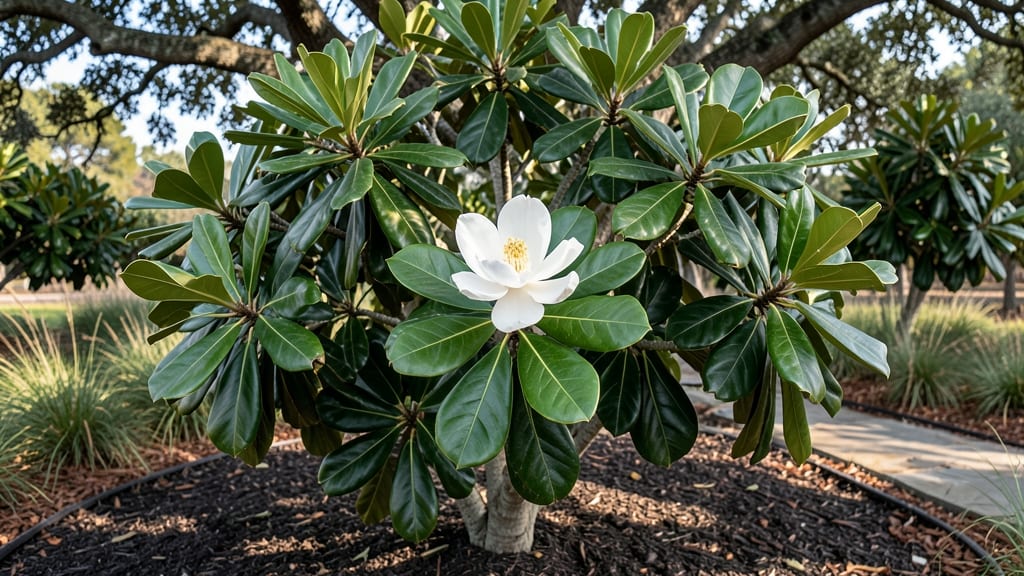
Big leaf plants identification can feel like solving a puzzle—until you spot the right clues. 🌿 I've spent years sorting through tropical foliage, and the key is always in the leaf shape, vein pattern, and growth habit. A single glance at a glossy, heart-shaped leaf might make you think "philodendron," but it could just as easily be a hosta or even a toxic castor bean. The trick is narrowing it down: Is the leaf lobed like a maple? Smooth-edged like a peace lily? Or velvety-textured like a caladium? Misidentifying plants leads to wrong care—overwatering a peace lily will kill it, while a castor bean needs dry soil. And yes, some big-leafed plants are deadly if ingested, so knowing the difference matters more than you'd think. By the end, you'll recognize the top 20 varieties at a glance—from the bold elephant ear's arrowhead leaves to the delicate lacework of a Swiss cheese plant. The visual guide breaks it down by size, color, and even petiole (that's the leaf stem) to eliminate guesswork. This isn't just about naming plants—it's about giving them the right home. Whether you're troubleshooting a mystery plant or picking out new foliage for your collection, you'll never second-guess again.
Root Causes Behind Leaf Growth
Big, bold leaves aren’t just a visual statement—they’re often a direct response to your plant’s environment, genetics, or even its health. Understanding why leaves grow abnormally large (or why they’re mistaken for one species when they’re another) helps you diagnose issues faster.
Here’s a breakdown of the science behind leaf expansion and misidentification.
Some plants are simply hardwired to produce large leaves as part of their species traits. This is especially true for tropical or fast-growing varieties, where broad leaves maximize photosynthesis in shady or humid conditions.
- Examples: Monstera deliciosa (Swiss cheese plant) and Alocasia (elephant ear) naturally develop massive, textured leaves due to evolutionary adaptations for low-light environments.
- Why it matters: If your plant has big leaves but thrives otherwise, it’s likely just being itself. However, sudden leaf size changes (e.g., a small Philodendron suddenly sprouting oversized foliage) could signal stress.
- Actionable tip: 💡 Compare your plant’s leaves to reliable databases (like iNaturalist or PlantNet) to confirm its species. Take notes on vein patterns, leaf edges, and undersides—they’re key identifiers!
Waterlogged soil triggers a survival response: plants expand leaf surface area to absorb more light (and energy) to compensate for root stress. This often leads to:
- Yellowing or wilting despite damp soil.
- Leaves growing larger but thinner (like Pothos leaves stretching unnaturally).
- Root rot (check for mushy, black roots).
Science behind it: Excess water dilutes soil nutrients, forcing the plant to prioritize leaf growth over root development. The larger leaves are a last-ditch effort to photosynthesize efficiently.
Fix it: 🔥 Step 1: Let the soil dry out completely between waterings (stick your finger 2 inches deep—if it’s wet, wait).
Step 2: Repot in a container with drainage holes and use a well-draining mix (e.g., 60% potting soil, 30% perlite, 10% orchid bark).
Step 3: If root rot is severe, trim affected roots with sterilized scissors and treat with a hydrogen peroxide (3%) solution for 10 minutes to prevent fungal spread.
Light is the primary driver of leaf size—too little or too much throws a plant’s growth hormones (auxins) out of balance. Here’s how:
| Light Condition | Leaf Response | Why It Happens |
|---|---|---|
| 🌿 Low light | Leaves grow larger, darker, and thinner (e.g., Snake Plant leaves stretching upward). | The plant maximizes surface area to capture scarce light. Chlorophyll production increases, but leaves become weaker (higher risk of tearing). |
| 🔥 Direct sun (too much) | Leaves may yellow, crisp, or develop brown edges but shrink (not grow big). However, some tropical plants (like Calathea) grow larger leaves in bright, indirect light to balance humidity needs. | Excess UV stress triggers ethylene gas production, which can stunt growth or cause abnormal expansion in heat-loving species. |
Actionable fix: 🌡️ Move your plant to bright, indirect light (e.g., near an east-facing window). For tropicals, use a grow light 12 inches away for 6–8 hours/day if natural light is insufficient.
Plants like Ferns or Philodendrons grow larger leaves in high humidity because their stomata (pores) stay open longer to absorb moisture. Conversely, dry air can cause leaves to curl or thicken as a protective measure.
- Cold stress: Sudden temperature drops (below 60°F/15°C) can cause leaf puckering or stunted growth in tropicals.
- Heat stress: Temperatures above 90°F (32°C) may lead to leaf bleaching or premature wilting, but some desert plants (like Agave) grow thicker, bigger leaves to store water.
Science: Abscisic acid (a plant hormone) spikes in response to temperature/humidity swings, altering cell division in leaves. This can lead to asymmetrical growth or variegation loss.
Fix it: ✨ Use a hygrometer to aim for 40–60% humidity (higher for tropicals). Group plants together or use a pebble tray with water. For cold snaps, move plants away from drafts (e.g., AC vents, windows).
Leaf size is a direct reflection of nitrogen levels—the primary nutrient for leafy growth. But other nutrients play a role too:
- ⚠️ Nitrogen deficiency: Leaves grow smaller, pale, and yellow (chlorosis).
- ⚠️ Nitrogen excess: Leaves grow oversized, dark green, and floppy (e.g., Spinach or Coleus plants).
- ⚠️ Phosphorus/magnesium deficiency: Leaves may develop dark spots or purple undersides while growing larger to compensate.
Why it happens: Excess nitrogen promotes rapid cell division in leaves, but roots can’t keep up, leading to weak stems and disease susceptibility.
Fix it: 🎯 Use a balanced fertilizer (e.g., 10-10-10 NPK ratio) diluted to half-strength. For tropicals, feed every 4–6 weeks in spring/summer; skip fertilizing in fall/winter. If soil is compacted, aerate it to improve nutrient absorption.
Quick Fixes for Leafy Plant Woes
Got a mystery plant with big, bold leaves but unsure how to care for it? Don’t stress—most issues with large-leafed varieties (like the ones in our visual guide) can be solved with simple tweaks.
Below, we’ve mapped common problems to practical fixes, plus prevention tips to keep your plants thriving. 🌿💚
Cause: Big-leafed plants (e.g., Monstera deliciosa, Philodendron) hate soggy roots but also despise dry soil. Fix:
- Test the soil: Stick your finger 1–2 inches deep. If damp, hold off on watering. If bone-dry, it’s time to hydrate.
- Adjust your routine: Water only when the top 2–3 inches of soil feel dry. Use a well-draining pot with holes.
- Drainage upgrade: Add perlite or orchid bark to heavy soil mixes to improve airflow.
Prevention Tip: 💡 Group plants with similar water needs (e.g., tropicals together) to avoid confusion. A moisture meter ($10) takes the guesswork out of it!
Cause: Tap water minerals (chlorine, fluoride) or direct afternoon sun can crisp edges. Fix:
- Flush the soil: Run water through the pot for 30 seconds to leach out salts. Repeat monthly.
- Switch to filtered/rainwater if your tap water is hard.
- Move to indirect light: East-facing windows or sheer curtains protect leaves from harsh rays.
Prevention Tip: ✨ Wipe leaves occasionally with a damp cloth to remove dust, which blocks light and stresses plants.
Cause: Big-leaf plants (like Calathea or Alocasia) wilt when roots are crowded or dehydrated. Fix:
- Check the roots: Gently remove the plant from its pot. If roots are circling tightly, it’s time to repot into a container 2 inches larger.
- Soak the roots: Place the plant in a bowl of water for 10–15 minutes to rehydrate before replanting.
- Trim dead roots with sterilized scissors to encourage new growth.
Prevention Tip: 🌱 Repot every 1–2 years or when you see roots escaping drainage holes. Use fresh potting mix with compost.
Cause: Dusty leaves or dry air attract sap-sucking pests, common on Ficus elastica or Aglaonema. Fix:
- Isolate the plant to prevent spread.
- Blast pests off with a strong stream of water, then wipe leaves with 70% isopropyl alcohol (diluted 1:1 with water).
- Spray neem oil solution (1 tsp neem oil + 1 quart water + drop of dish soap) weekly for 2 weeks.
Prevention Tip: 🔥 Increase humidity with a pebble tray or humidifier—pests love dry conditions!
Cause: Big-leaf plants (e.g., Rhododendron, Hosta) grow slowly in low light or poor soil. Fix: - Boost light: Move to a bright, indirect spot (e.g., near a north or east window).
Supplement with a grow light 12 hours/day if needed. - Fertilize lightly: Use a balanced liquid fertilizer (10-10-10) every 4–6 weeks in spring/summer. Cut back in fall/winter. - Refresh the soil: Top-dress with compost or worm castings annually for nutrients.
Prevention Tip: 📊 Rotate your plant every few weeks so all leaves get equal light exposure.
Cause: Overhead watering or poor airflow leads to powdery mildew or root rot in plants like Peace Lily. Fix:
- Prune affected leaves with sterilized scissors, cutting back to healthy tissue.
- Improve airflow: Space plants apart and use a fan on low setting (4–6 hours/day).
- Apply fungicide: Mix 1 tsp baking soda + 1 quart water + drop of soap, then spray weekly until clear.
Prevention Tip: 🌡️ Water at the base (not overhead) and avoid letting leaves stay wet overnight.
Pro Tip for All Issues: 🎯 When in doubt, mimic their natural habitat! Most big-leaf plants thrive in humid, shaded understories—think dappled light and moist (not soggy) soil. Adjust your care to match!
Frequently asked questions
How do I tell if my big-leafed plant is tropical or hardy?
Look at the leaf texture and growth pattern. Tropical plants like Monstera or Alocasia have glossy, soft leaves and grow best in humid, warm conditions. Hardy plants (e.g., Hosta or Rhododendron) often have thicker, waxy leaves and can tolerate cooler temperatures. Check the undersides too—tropicals often have hairy stems or veins.
Why does my plant have big leaves but looks unhealthy?
Big leaves alone don’t mean a plant is thriving! Look for other clues: Yellowing leaves often signal overwatering, while brown edges may mean dry air or too much sun. If leaves are thin and weak, your plant might need more light or nutrients. Always check the roots—mushy roots mean root rot from overwatering.
Can I use a plant ID app to confirm my big-leafed plant?
Apps like PlantNet or PictureThis work well for big-leafed plants. Take clear photos of the leaf shape, veins, and underside, plus any flowers or stems. For tricky cases, compare your photos to our visual guide—focus on details like leaf edges (lobed vs. smooth) and growth pattern (climbing vs. bushy).
Are there big-leafed plants that are toxic to pets?
Yes! Philodendron, Dieffenbachia, and Castor Bean all have large leaves but are toxic if ingested. Look for white variegation (common in toxic varieties) or red stems (like in Dieffenbachia). Keep these away from cats/dogs—symptoms include drooling, vomiting, or mouth irritation. Always research before bringing a new plant home!
How do I care for a big-leafed plant I found outside?
First, confirm it’s not invasive (e.g., English Ivy or Japanese Honeysuckle). If it’s safe, repot it in well-draining soil and place it in bright, indirect light. Water only when the top 2 inches of soil are dry. Avoid fertilizing for 4–6 weeks to let it adjust. Label it with your ID notes!