
Flowers
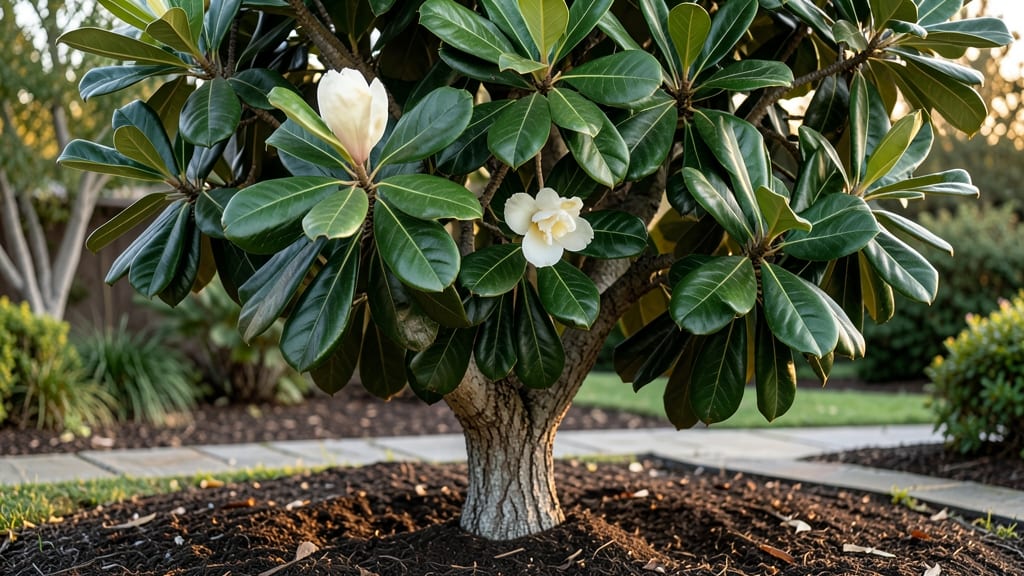
The bigleaf magnolia flower brings old-world drama to your yard with its 12-inch-wide blooms and glossy, tropical leaves—yet it’s shockingly low-maintenance once established. 🌿 I planted mine last spring, and now it’s the star of my shade garden, thriving where nothing else would grow.
The key? Understanding its slow-and-steady nature and the few non-negotiables it demands.
This Southern native loves moist, well-draining soil and partial shade, but don’t let that fool you—it’s tougher than it looks. My first mistake was planting it too deep; now I know to keep the graft union (that little bump near the base) 2-3 inches above soil level.
The fragrance alone makes it worth the wait—those creamy-white flowers smell like a cross between gardenia and honey, and they appear in late spring when most gardens are still waking up.
By year three, your magnolia will reward you with bold, leathery leaves that stay vibrant all summer and showstopping blooms that last nearly two weeks. The trade-off?
Patience—it takes 3-5 years to reach its full 40-foot height, but the shade it provides in those early years is a game-changer for heat-sensitive plants below. Think of it as a living umbrella with perfume.
Here’s the secret to keeping it happy: mulch like it’s 1950 (thick, organic layers to protect roots), water deeply but infrequently (once a week in summer, less in winter), and prune only to remove dead wood—never to shape it.
The fewer cuts, the better. Your neighbors will ask how you got such a "perfect" tree, and you’ll just smile while it keeps blooming effortlessly.
📚 In This Guide
- What you need
- Instructions
- Tips and common mistakes
- Wrapping up and next steps
What you need
- ● Bigleaf magnolia plant: 1–3 Magnolia macrophylla saplings (3–5 ft tall for faster growth) OR
- ● Seeds (if starting from scratch—germination can take 1–2 years!)
- ● Planting site: Well-draining soil (sandy loam ideal)
- ● Full sun to partial shade (6+ hours of sunlight daily)
- ● Space: 20–30 ft between trees (they grow big!)
- ● Fertilizer: Balanced, slow-release fertilizer (10-10-10 or 8-3-9 ratio)
- ○ Optional: Organic compost (for nutrient-rich soil)
- ● Garden shovel or trowel (for planting)
- ● Pruning shears (sterilized, sharp)
- ● Mulch (2–3 inches of pine bark or wood chips)
- ● Watering can or hose (with adjustable nozzle)
- ○ Optional but helpful: Soil pH tester (ideal range: 5.0–6.0)
- ● Tree stake (if planting in windy areas)
- ● Drip irrigation system (for consistent moisture)
- ● Patience! Bigleaf magnolias grow slowly (1–2 ft per year) but reward you with stunning 12-inch flowers.
- ● Check local climate: Thrives in USDA Zones 5–9 (cold-hardy but dislikes soggy roots).
- ● If planting seeds, stratification (cold treatment) is required—ask your supplier for details!
Step-by-step guide to planting and cultivating bigleaf magnolias
Here’s how to establish these majestic trees with confidence—minimal fuss, maximum reward.
🌱 Step 1: Choose the Perfect Planting Site
Bigleaf magnolias thrive in partial shade to full sun, but they’re far more forgiving of shade than heat. I always pick a spot with morning sun and afternoon shade—this prevents leaf scorch while still encouraging strong growth. The soil should drain well, but don’t stress if it’s not perfect; magnolias tolerate clay as long as it’s not waterlogged.
Dig a hole twice as wide as the root ball but only as deep. The top of the root ball should sit 1-2 inches above ground level—this prevents water pooling around the stem. If your soil is heavy clay, mix in 2-3 inches of compost into the bottom of the hole to improve drainage.
☀️ Step 2: Plant at the Right Time and Prepare the Root Ball
Fall is the ideal time to plant, but spring works too—just avoid extreme heat or frost. Before planting, soak the root ball for 15-20 minutes to hydrate the roots. This helps them establish faster once in the ground. Gently loosen any circling roots with your fingers; magnolias hate being root-bound.
Place the tree in the hole and backfill with native soil, tamping lightly every 6 inches to remove air pockets. Water deeply until the soil settles—you’ll see it sink about 1 inch. Mulch with 2-3 inches of organic mulch (like wood chips) and keep it 6 inches away from the trunk to prevent rot.
💧 Step 3: Water Deeply and Establish a Routine
Water twice a week for the first year, giving 10-15 gallons each time. You’ll know it’s enough when water drains 6 inches deep into the soil. After that, magnolias are drought-tolerant, but young trees need consistent moisture. Let the top 2 inches of soil dry out between waterings—this prevents root rot.
I always water in the early morning to reduce evaporation. Avoid overhead sprinklers—they can damage leaves and encourage fungal diseases. Instead, use a soaker hose or drip irrigation to deliver water directly to the roots.
✂️ Step 4: Prune for Health and Shape (When Needed)
Bigleaf magnolias rarely need pruning, but you can shape them lightly in late winter or early spring before new growth starts. Remove dead, diseased, or crossing branches with clean, sharp pruners. Cut just outside the branch collar—the swollen area where the branch meets the trunk—to promote faster healing.
Never prune in fall, as wounds take longer to heal and can invite pests. If you see suckers (shoots growing from the base), remove them immediately—they drain energy from the main tree. A little maintenance now means fewer headaches later.
🌿 Step 5: Fertilize Sparingly for Long-Term Growth
Young magnolias benefit from a balanced, slow-release fertilizer (like 10-10-10) applied in early spring. Use ½ cup per inch of trunk diameter, spread evenly in a circle around the dripline. Water deeply after fertilizing to help nutrients absorb. After the first year, fertilize only if growth slows—magnolias are heavy feeders but don’t need much.
Over-fertilizing causes weak, leggy growth and attracts pests. I test soil every 2-3 years—if phosphorus or potassium levels are high, skip the fertilizer entirely. Bigleaf magnolias grow 12-24 inches per year naturally; if yours isn’t, check for compacted soil or poor drainage first.
Tips & tricks for perfect bigleaf magnolia cultivation
Between us, these trees are the low-maintenance royalty of the garden world—once established, they practically grow themselves. Here's what nobody tells you about getting them off to the right start.
Root Ball Hydration: That 15-20 minute soak before planting isn't just about moisture—it's about giving your magnolia's roots a head start. I've seen trees planted without this step struggle for years with stunted growth. Use a bucket of water and let it drain completely before handling, so you're not dealing with soggy soil that can suffocate roots. The goal is damp but not dripping.
Soil Depth Secret: The 1-2 inch mound above ground level might seem counterintuitive, but it's crucial for preventing crown rot. I learned this the hard way after losing two trees to water pooling at the base. Think of it like building a tiny berm—this elevation helps rainwater flow away from the trunk rather than sitting against it. If your soil is particularly heavy, consider adding a layer of coarse sand at the bottom of the hole too.
Watering Wisdom: Those 10-15 gallons twice weekly might seem like a lot, but magnolias have deep root systems that need proper saturation. I test depth by pushing a metal rod into the soil—when it goes 6 inches without resistance, you've hit the mark. Pro tip: Use a rain gauge to measure your watering; you'll be surprised how much less you need once you know the actual volume reaching the roots.
Mulch Maintenance: That 2-3 inch layer of organic mulch isn't just decoration—it's a living system that regulates temperature and moisture. The key is keeping it 6 inches from the trunk to prevent rot, but don't let it become a mulch volcano. Refresh it annually, mixing in some compost to replenish nutrients. I've seen gardens where mulch piled up against trunks, creating perfect conditions for fungal diseases.
Pro Tips for Bigleaf Magnolia Flower
- Between us, these trees are the low-maintenance royalty of the garden world—once established, they practically grow themselves.
- Root Ball Hydration: That 15-20 minute soak before planting isn't just about moisture—it's about giving your magnolia's roots a head start.
- Soil Depth Secret: The 1-2 inch mound above ground level might seem counterintuitive, but it's crucial for preventing crown rot.
Frequently asked questions
When is the best time to plant a bigleaf magnolia?
The ideal time to plant is in early spring or fall when temperatures are mild (50–70°F). This gives roots time to establish before extreme heat or cold. Avoid planting in summer—young trees struggle with drought stress. Pro tip: If you must plant in summer, water deeply 2–3 times per week!
How long does it take for a bigleaf magnolia to flower?
Patience is key! Bigleaf magnolias typically take 5–10 years to produce their first flowers, depending on growing conditions. Young trees focus on root and foliage growth first. For faster blooms, choose established nursery-grown saplings (3–5 years old) and provide rich, well-drained soil.
Can bigleaf magnolias grow in containers?
While possible, they’re not ideal for containers long-term. These trees grow 20–40 feet tall and develop massive root systems. Use a large (20+ gallon) container with drainage holes and repot every 2–3 years. For best results, plant in the ground—containers limit their lifespan and flowering potential.
What pests or diseases should I watch for?
Bigleaf magnolias are generally low-maintenance, but keep an eye out for:
- Scale insects: Tiny bumps on leaves/stems (treat with horticultural oil).
- Magnolia scale: Sticky residue (use neem oil or insecticidal soap).
- Fungal issues (like powdery mildew): Improve air circulation and avoid overhead watering.
Why aren’t my bigleaf magnolia leaves turning green?
Yellow or pale leaves often signal nutrient deficiencies (like nitrogen or iron) or poor drainage. Test your soil and amend with compost or a balanced fertilizer (10-10-10). If soil is soggy, improve drainage by adding sand or organic matter. Quick fix: A foliar spray of chelated iron can help!
Wrapping up and next steps
The bigleaf magnolia flower is a stunning, low-maintenance beauty that brings timeless elegance to any garden. With its fragrant blooms and resilience, it’s perfect for both novice and experienced gardeners—just provide the right soil, sunlight, and occasional care.
Whether you’re planting one for its beauty or its symbolic strength, you’re investing in a trophy plant that thrives with minimal fuss.
Ready to grow your own? Start by selecting the perfect spot in your garden—then watch as this majestic tree rewards you with years of breathtaking blooms! 🌿✨