
Pests and Diseases
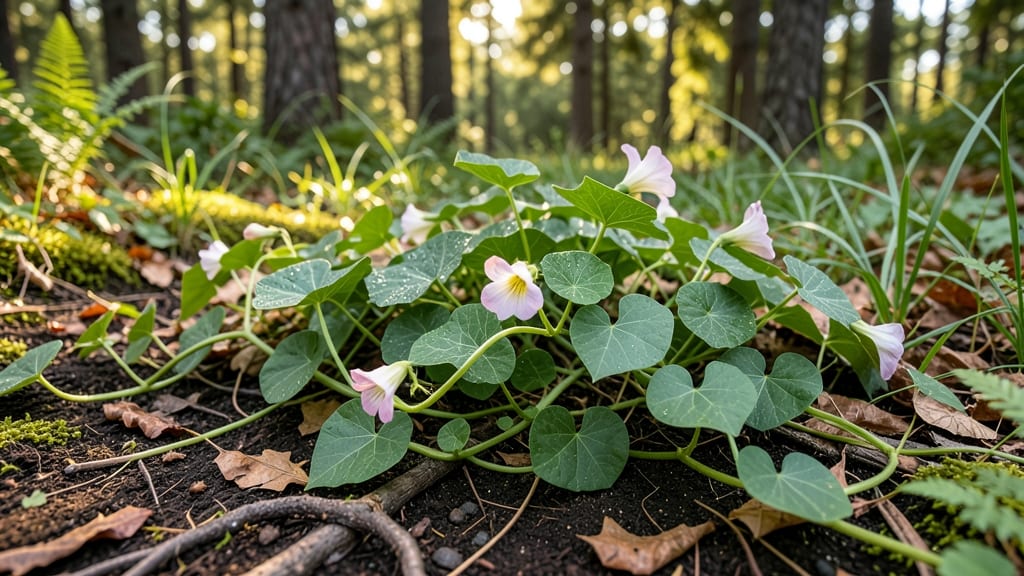
The shape of the bindweed leaf—those heart-shaped, pointed tips—is its unmistakable signature, and recognizing it early can save your garden from its relentless takeover.
I’ve seen gardeners mistake it for morning glory or sweet potato vine, but bindweed’s leaves are narrower, with a distinctive arrowhead shape and silvery undersides that give it away. The leaves grow in pairs along twisting stems that climb relentlessly, wrapping around anything in their path.
Unlike morning glory’s broader leaves, bindweed’s are more elongated, with a subtle heart shape that tapers to a point—almost like a lobed arrowhead. This subtle difference makes all the difference when identifying it early.
Once you recognize the pattern, you’ll notice how bindweed’s leaves change as the plant matures, becoming more pointed and less rounded. The key is catching it before those vines smother your prized plants—because by then, it’s already too late.
This isn’t just about weeds; it’s about understanding the plant’s behavior so you can outsmart it. Whether you’re clearing an infestation or just curious about its growth habits, these details are your first line of defense.
Genetics And Environmental Triggers
The bindweed leaf shape—whether it twists, curls, or maintains its classic heart-like form—isn’t just random. It’s a fascinating interplay of genetic programming and environmental stress.
Understanding these factors helps gardeners and ecologists predict growth patterns and intervene when needed. Let’s break down the key drivers behind bindweed’s leaf quirks.
Bindweed (Convolvulus arvensis) inherits its leaf shape from a mix of hereditary traits passed down through generations. Here’s how genetics play a role:
- Dominant vs. recessive genes: Some bindweed strains may carry genes that predispose leaves to twisting or curling as a default trait, even in ideal conditions. These traits can become more pronounced if the plant is stressed.
- Hybrid vigor: Cross-pollination between different bindweed variants can produce offspring with unpredictable leaf shapes, including distorted or asymmetrical forms. This is common in invasive species that adapt quickly to new environments.
- Juvenile vs. mature leaves: Young bindweed leaves often start heart-shaped and smooth, but as the plant matures, genetic signals may trigger twisting or lobed edges—a survival adaptation to maximize sunlight exposure.
Pro tip: 💡 If you’re dealing with bindweed in your garden, observing leaf patterns across generations can help you identify whether the issue is genetic or environment-related. Twisted leaves that persist even in controlled conditions likely stem from heredity.
Bindweed is a perennial survivor, thriving in a range of climates—but extreme temperatures can warp its leaf development. Here’s how:
- Cold stress: When temperatures drop below 40°F (4°C), bindweed may produce smaller, thicker leaves with jagged edges as a protective response. This is its way of minimizing water loss and conserving energy.
- Heat waves: Prolonged exposure to 90°F (32°C) or higher can cause leaves to curl inward or twist, a symptom of heat stress. The plant prioritizes shade protection over optimal growth, leading to deformed shapes.
- Rapid temperature swings: Nighttime frosts followed by scorching days can disrupt cell division in new leaves, resulting in lopsided or malformed growth. This is especially common in spring and fall.
Actionable fix: 🌡️ If your bindweed’s leaves are twisting due to temperature extremes, provide temporary shade cloth during heatwaves or mulch heavily in winter to insulate roots and stabilize soil temps.
Bindweed is drought-tolerant, but improper watering can drastically alter its leaf shape. Here’s how hydration levels impact growth:
| Condition | Leaf Response | Why It Happens |
|---|---|---|
| Underwatering | Thick, leathery leaves with curled edges | The plant conserves moisture by reducing surface area, leading to stunted, twisted growth. |
| Overwatering | Yellowing, drooping leaves with irregular shapes | Excess water drowns roots, causing oxygen deprivation and cell malformation. |
| Poor drainage | Asymmetrical leaves with dark spots | Waterlogged soil restricts nutrient uptake, leading to uneven growth patterns. |
Pro tip: 💦 Bindweed thrives in well-draining soil. If you’re battling twisted leaves, test your soil’s moisture retention—aim for consistently damp but not soggy conditions. Drip irrigation (rather than overhead watering) can prevent leaf distortion.
Bindweed is a nutrient scavenger, but when key elements are lacking, its leaves visually scream for help. Here’s how deficiencies manifest:
- Nitrogen (N) deficiency: Leaves turn yellow (chlorosis) and may twist or cup inward as the plant struggles to produce chlorophyll. New growth is often small and stunted.
- Potassium (K) deficiency: Leaf edges curl upward or develop brown, crispy tips, while the center remains green. This is a classic sign of poor water regulation.
- Magnesium (Mg) deficiency: Older leaves develop interveinal yellowing (between veins), leading to weak, distorted shapes as the plant can’t sustain proper cell structure.
- Phosphorus (P) deficiency: Growth slows, and leaves may appear dark green and twisted as the plant diverts energy to root development.
Solution: 🌱 Conduct a soil test to identify deficiencies. For quick fixes, apply compost, bone meal (for P), or potassium sulfate. Avoid over-fertilizing—bindweed absorbs nutrients aggressively and can outcompete nearby plants.
While bindweed is hardy, fungal infections and insect damage can distort its leaves. Here’s what to watch for:
- Fungal infections (e.g., powdery mildew, rust): Leaves may develop white patches, black spots, or twisted growth as fungi disrupt cell function. Humid conditions accelerate this.
- Viral infections (e.g., cucumber mosaic virus): Leaves can mosaic (patchy green/yellow) or stunt and twist as the virus interferes with protein synthesis.
- Insect damage (e.g., aphids, spider mites): Sap-sucking pests distort new growth, causing cupped, curled, or stunted leaves.
- Nematodes: These microscopic worms attack roots, leading to poor nutrient uptake and abnormal leaf shapes.
Action plan: 🔥 If you suspect pathogens or pests, isolate affected plants and treat with neem oil, insecticidal soap, or fungicides. Rotate crops if bindweed is recurring in the same spot.
Practical fixes for twisted bindweed growth
If your bindweed vines are twisting unnaturally or their leaves are warping into unexpected shapes, don’t panic—there are actionable steps to restore their health (or at least manage the damage).
Below, we break down the most common causes of distorted bindweed foliage and provide easy-to-follow solutions, plus prevention tips to keep your garden thriving. Let’s tackle this head-on!
If bindweed leaves appear twisted or stunted, root stress—often from compacted or waterlogged soil—could be the culprit. Roots struggle to absorb nutrients, leading to misshapen growth.
How to Fix It:
🔨 Aerate the Soil
- Use a garden fork or tiller to loosen compacted areas around the bindweed roots. Focus on the top 6–12 inches of soil.
- For heavy clay soil, mix in compost or sand to improve drainage.
💧 Improve Drainage
- If water pools after rain, create raised beds or swales to redirect excess moisture.
- Mulch with straw or wood chips (2–3 inches thick) to prevent soil crusting.
🌱 Boost Soil Health
- Add a balanced fertilizer (10-10-10) or organic matter like worm castings to replenish nutrients.
- Pro Tip: 💡 Test your soil’s pH—bindweed prefers slightly acidic to neutral soil (pH 6.0–7.0).
Chewing insects (like aphids, slugs, or Japanese beetles) or sap-sucking pests (e.g., spider mites) can distort bindweed leaves, causing curling, yellowing, or irregular shapes.
How to Fix It:
🐜 Handpick or Trap Pests
- Aphids/Slugs: Spray with a soapy water solution (1 tsp mild soap per quart of water) or set up beer traps for slugs.
- Japanese Beetles: Handpick them into soapy water or use neem oil as a deterrent.
🌿 Encourage Natural Predators
- Attract ladybugs, lacewings, or birds by planting companion flowers like marigolds or dill nearby.
🛡️ Apply Organic Sprays
- Neem oil or insecticidal soap (reapply every 5–7 days) can smother pests without harming plants.
- Pro Tip: 🌡️ Spray in the early morning or evening to avoid burning leaves in direct sunlight.
Twisted or pale leaves often signal a lack of essential nutrients, such as nitrogen (for leaf growth), magnesium (for chlorophyll), or iron.
How to Fix It:
🍽️ Diagnose the Deficiency
| Symptom | Likely Nutrient Missing | Quick Fix |
|---|---|---|
| Yellowing between veins | Magnesium | Epsom salt (1 tbsp/gallon of water) |
| Pale green/yellow leaves | Nitrogen | Blood meal or compost tea |
| Small, twisted new growth | Iron or zinc | Chelated iron supplement |
🌱 Fertilize Strategically
- Use a slow-release granular fertilizer in early spring to avoid overloading the plant.
- Pro Tip: ✨ For organic options, try fish emulsion (nitrogen-rich) or kelp meal (micronutrients).
Bindweed leaves may twist or wilt if the plant is stressed by inconsistent watering. Too much or too little moisture disrupts cell structure.
How to Fix It:
💦 Water Deeply and Infrequently
- Water at the base of the plant (not the leaves) to prevent fungal issues.
- Aim for 1–1.5 inches of water per week, adjusting for rain.
🌧️ Check Soil Moisture
- Stick your finger 1–2 inches into the soil—if it’s dry, water; if soggy, hold off.
- Pro Tip: 🎯 Use a moisture meter for accuracy, especially in containers.
Wind, hail, or even animals grazing on tender leaves can cause bindweed foliage to twist or deform as it grows.
How to Fix It:
🛡️ Shelter Sensitive Plants
- Install row covers or mesh screens during high-wind periods or after hail.
- Pro Tip: 💡 For pets or livestock, use chicken wire or fencing to keep them away.
🌿 Prune Damaged Growth
- Trim severely twisted or torn leaves to encourage new, healthy growth.
- Avoid pruning in extreme heat—wait for cooler mornings.
Once you’ve addressed the issue, keep these proactive steps in mind to prevent future leaf distortions:
- ✅ Rotate crops if bindweed is in your garden beds to avoid depleting the same nutrients.
- ✅ Mulch regularly to retain moisture and suppress weeds that compete with bindweed.
- ✅ Monitor for pests weekly, especially after rain (when aphids thrive).
- ✅ Test soil annually to catch deficiencies before they cause damage.
- ✅ Plant companion plants like basil or nasturtiums to deter pests naturally.
With these fixes, your bindweed should bounce back with straight vines and classic heart-shaped leaves in no time. Happy gardening!
Frequently asked questions about bindweed leaf shape
What’s the easiest way to tell bindweed leaves apart from morning glory?
Bindweed leaves are narrower with a more pronounced arrowhead shape—almost like a heart with pointed lobes—while morning glory leaves are broader and more rounded. Bindweed’s leaves also grow in pairs along twisting stems, whereas morning glory leaves are often single or alternate.
Why do bindweed leaves sometimes look twisted or curled?
Twisted bindweed leaves usually signal environmental stress, like extreme heat, poor drainage, or nutrient deficiencies. If the soil is too wet or dry, or lacks magnesium/nitrogen, leaves may curl or distort. Check soil moisture and test for deficiencies—Epsom salt can help if magnesium is lacking.
Can bindweed leaves change shape as the plant grows?
Yes! Young bindweed leaves start heart-shaped and smooth, but as the plant matures, they develop pointed lobes or slight twisting. This is normal—it’s how bindweed maximizes sunlight exposure. If leaves stay stunted or deformed, though, it’s worth checking for pests or soil issues.
Are bindweed leaves poisonous to pets or humans?
Bindweed leaves are not toxic to humans or pets, but they’re not edible either. While ingestion won’t harm animals, the plant’s invasive nature means it can smother other plants—so it’s best to remove it from gardens. Always supervise pets around unfamiliar plants, just in case.
How can I use bindweed leaf shape to identify it in early spring?
Look for silvery undersides and paired, arrowhead leaves along twisting vines—even before flowers appear. Young bindweed leaves are smaller but already show the classic shape. Compare them to other vines: sweet potato leaves are broader, while morning glory leaves are more rounded.