
Pests and Diseases
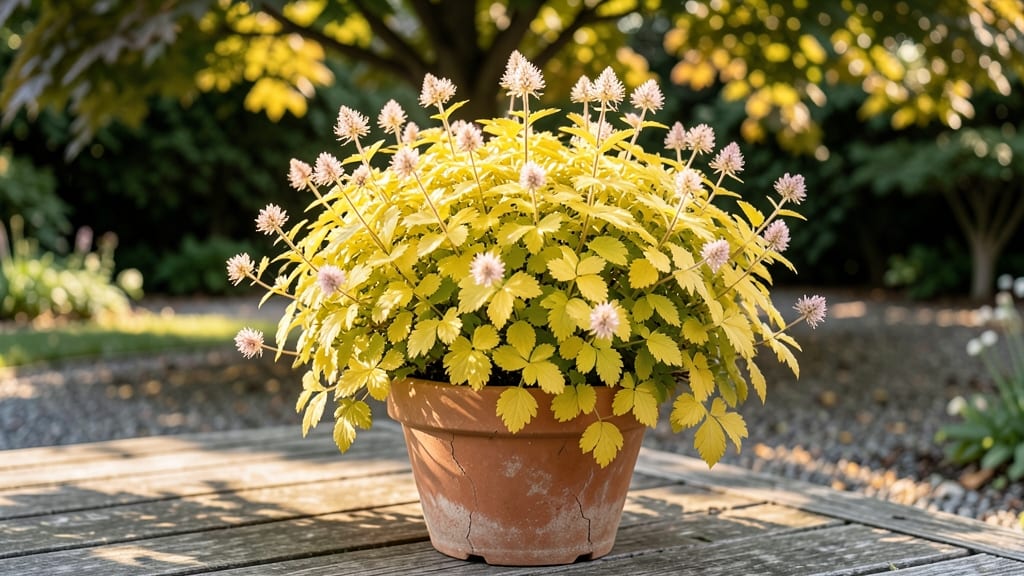
Birch leaf spirea thrives where most perennials struggle—its silvery foliage and delicate blooms make it a cold-hardy standout for tough climates. 🌿 I planted mine in a rocky spot where nothing else survived, and now it’s the star of my late-spring garden.
The key? Understanding its exact needs before digging in. This spirea loves full sun to partial shade and well-draining soil, whether sandy or rocky. Overwatering kills it faster than drought—just 1 inch of water per week keeps it happy.
Prune in early spring to shape it, and watch those feathery blooms appear by summer’s end. You’ll end up with a low-maintenance plant that spreads gracefully and attracts pollinators. The silvery leaves even glow in moonlight, making it a nighttime garden highlight.
Perfect for borders, slopes, or containers where other plants fail. Propagation is easy: softwood cuttings in summer or layering in fall. Just avoid heavy clay soil—this spirea’s roots hate soggy feet. With the right care, it’ll reward you for years with minimal effort.
📚 In This Guide
- What you need
- Instructions
- Tips and common mistakes
- Wrapping up and next steps
What you need
- ● Birch leaf spirea plant: 1 nursery-grown specimen (choose a healthy, well-established plant with vibrant foliage). Pro tip: Opt for bare-root or container-grown plants for easier transplanting!
- ● Well-draining soil: 1 bag (50 lbs) of blank">garden loam or blank">compost mix (amend heavy clay soil with perlite or sand to improve aeration).
- ● Organic mulch: 2–3 inches of blank">pine bark fines or blank">shredded leaves (helps retain moisture and regulate soil temperature).
- ● Slow-release fertilizer: 1 (10 lb) bag of blank">balanced 10-10-10 or blank">organic 5-5-5 (apply sparingly—over-fertilizing can harm roots!).
- ● Watering can or hose: With a gentle spray nozzle (avoid high-pressure streams that disrupt soil).
- ● Garden trowel or shovel: For digging holes (6–8 inches wide/deep).
- ● Pruning shears: Sharp, blank">bypass-style shears (sterilize with rubbing alcohol to prevent disease).
- ● Gloves: Heavy-duty work gloves (protects hands from thorns and soil-borne pathogens).
- ● Measuring tape or ruler: To ensure proper spacing (3–4 feet apart for mature plants).
- ● Soil pH test kit: Ensures your soil is slightly acidic to neutral (pH 6.0–7.0).
- ● Epsom salt (magnesium sulfate): 1 lb (boosts green foliage if leaves appear yellow).
- ● Drip irrigation system: For automated watering (especially useful in hot climates).
- ● Fungicide (copper-based): 1 quart (prevents powdery mildew in humid areas).
Step-by-Step instructions for planting and cultivating birch leaf spirea
This cold-hardy beauty thrives with minimal fuss—just follow these steps for silvery foliage that sparkles all season.
🌱 Step 1: Choose the Perfect Planting Location
Birch leaf spirea loves full sun to partial shade, with at least 4-6 hours of direct sunlight daily. The silvery foliage will deepen in color with more sun exposure, but it tolerates light shade if your climate runs hot. I always plant mine where they’ll get morning sun and afternoon shade in summer—this prevents leaf scorch while keeping the foliage vibrant.
This adaptable shrub handles a range of soil types, but it performs best in well-draining, slightly acidic soil with a pH between 5.0 and 7.0. Amend heavy clay with compost or sand to improve drainage, as soggy roots will cause root rot. Test your soil’s pH before planting—you can adjust it with sulfur (to lower pH) or lime (to raise it) if needed.
🪴 Step 2: Plant at the Right Time and Depth
Spring or early fall are the ideal times to plant birch leaf spirea, as the cooler temperatures help roots establish before summer heat or winter cold sets in. Dig a hole twice as wide as the root ball but only as deep as the container’s root base. This prevents burying the crown, which can lead to rot or stunted growth.
Gently remove the plant from its container and loosen any circling roots with your fingers. Place it in the hole so the top of the root ball sits 1 inch above ground level. Backfill with native soil mixed with a handful of compost, then water deeply to settle everything. The soil should feel moist but not waterlogged—you’ll see the surface settle slightly as it absorbs moisture.
☀️ Step 3: Water and Mulch for Healthy Establishment
Water newly planted spirea once a week for the first month, providing 1 inch of water per week (including rainfall). Check soil moisture by sticking your finger 2 inches deep—if it feels dry, it’s time to water. Overwatering is the biggest mistake here; soggy soil smothers roots and invites fungal diseases.
Apply a 2-3 inch layer of organic mulch around the base, keeping it 3 inches away from the trunk to prevent rot. I use shredded bark or pine needles, which also help acidify the soil slightly over time. Mulch retains moisture, regulates soil temperature, and suppresses weeds—just replenish it annually as it breaks down.
✂️ Step 4: Prune for Shape and Health
Prune birch leaf spirea immediately after flowering in early summer to maintain its airy, open form. Remove any dead, damaged, or crossing branches first—these can harbor pests or diseases. Then, cut back last year’s growth by one-third to encourage fresh, new growth that will bloom the following year.
For shaping, I use clean, sharp pruners to make cuts just above a set of leaves or buds. Avoid cutting into old wood, as it won’t regenerate. If your spirea gets too leggy, you can also prune it back harder in early spring before new growth begins. Just remember: the more you prune, the more compact (but potentially less floriferous) the plant will become.
🌿 Step 5: Monitor and Maintain for Long-Term Beauty
Fertilize lightly in early spring with a balanced, slow-release fertilizer (10-10-10 or similar) to support new growth. Avoid high-nitrogen fertilizers, which promote leafy growth at the expense of flowers. I skip fertilizer in the second year unless the plant looks particularly weak—birch leaf spirea is naturally low-maintenance.
Watch for pests like spider mites or aphids, which may appear on the silvery foliage. A strong spray of water usually dislodges them, or use an insecticidal soap if infestations persist. This shrub is generally disease-resistant, but if you notice leaf spots or powdery mildew, improve air circulation by pruning back crowded branches and avoid overhead watering.
Tips & tricks for perfect birch leaf spirea cultivation
These pro tips will help you coax out the most stunning silvery foliage from your birch leaf spirea—without the guesswork.
Sunlight Strategy: While 4-6 hours of direct sunlight is ideal, pay attention to your climate's intensity. In hotter regions, morning sun paired with afternoon shade prevents leaf scorch while maintaining that signature silvery hue. I've noticed the foliage takes on a deeper metallic sheen when given this balanced exposure—almost like it's catching the light differently.
Soil Prep Secret: Before planting, mix a handful of pine needles into your native soil—this naturally acidifies the soil while providing organic matter. The needles also release nutrients slowly as they decompose, which birch leaf spirea loves. For clay-heavy soils, I add perlite to improve drainage while maintaining that slightly acidic pH between 5.0 and 7.0.
Planting Depth Cue: The key to proper planting depth is the crown—it should sit just 1 inch above the surrounding soil level. I always use a small stick as a reference marker when backfilling, then water deeply to settle everything. This prevents crown rot while ensuring the roots have room to expand without restriction.
Pruning Timing: That one-third reduction of last year's growth in Step 4 should happen immediately after flowering in early summer. This timing encourages fresh growth that will bloom the following year while maintaining that airy, open form. I've found that pruning too late in summer can stimulate new growth that won't have time to harden off before winter.
Pro Tips for Birch Leaf Spirea
- These pro tips will help you coax out the most stunning silvery foliage from your birch leaf spirea—without the guesswork.
- Sunlight Strategy: While 4-6 hours of direct sunlight is ideal, pay attention to your climate's intensity.
- Soil Prep Secret: Before planting, mix a handful of pine needles into your native soil—this naturally acidifies the soil while providing organic matter.
Frequently asked questions
Got questions about birch leaf spirea? You’re not alone!
This cold-hardy beauty is a favorite, but gardeners often wonder about care, pests, and more. Here are answers to the most common queries to help your spirea thrive.
What’s the best time to plant birch leaf spirea?
Plant birch leaf spirea in early spring or early fall when soil is workable but not frozen. This timing gives roots time to establish before extreme heat or cold. Avoid planting in summer—heat stress can stunt growth. If you’re in a mild climate, fall planting (6–8 weeks before frost) is ideal for root development.
Are birch leaf spireas prone to pests or diseases?
Generally low-maintenance, but watch for aphids (tiny green bugs on new growth) and powdery mildew in humid climates. Treat aphids with a strong spray of water or insecticidal soap. For mildew, improve airflow by pruning nearby plants and avoid overhead watering. Most issues arise from overcrowding or poor drainage—so plant in well-draining soil!
How and when should I prune birch leaf spirea?
Prune in late winter or early spring (before new growth starts) to shape the plant and remove dead stems. Cut back one-third of the oldest stems to the ground each year to encourage fresh growth. Avoid heavy pruning in fall—it can leave the plant vulnerable to winter damage. For a bushier look, trim lightly after flowering in summer.
Can birch leaf spirea survive harsh winters?
This spirea is highly cold-hardy (zones 3–8) and thrives in winter. Its silvery foliage adds texture to snowy landscapes. To protect it further, mulch around the base with 2–3 inches of organic mulch (like shredded bark) after the ground freezes. Avoid heavy mulch piles—keep it loose for airflow.
What are some good alternatives if birch leaf spirea isn’t available?
If you love its airy foliage and cold tolerance, try:
- Stephanandra incisa (‘Crispa’): Similar silvery leaves, drought-tolerant.
- Deutzia (e.g., ‘Nikko’): Fragrant white flowers, great for hedges.
- Weigela (e.g., ‘Wine & Roses’): Bold foliage and spring blooms.
- Potentilla fruticosa: Hardy, with vibrant yellow flowers.
Wrapping up and next steps
Birch leaf spirea is a resilient, low-maintenance superstar for gardens—its silvery foliage and cold-hardy nature make it a dream plant for year-round interest. Whether you’re battling pests, diseases, or harsh winters, this guide has given you the tools to keep your spirea thriving.
Now that you’re armed with materials, troubleshooting tips, and expert advice, it’s time to roll up your sleeves and give your garden the glowing, airy beauty it deserves! 🌿✨
Next steps:
- Inspect your spirea regularly for early signs of stress or pests.
- Experiment with companion plants to boost its health naturally.
- Share your progress (or questions!) with fellow gardeners—community support makes all the difference! 🌱💬