
Leaf Blower
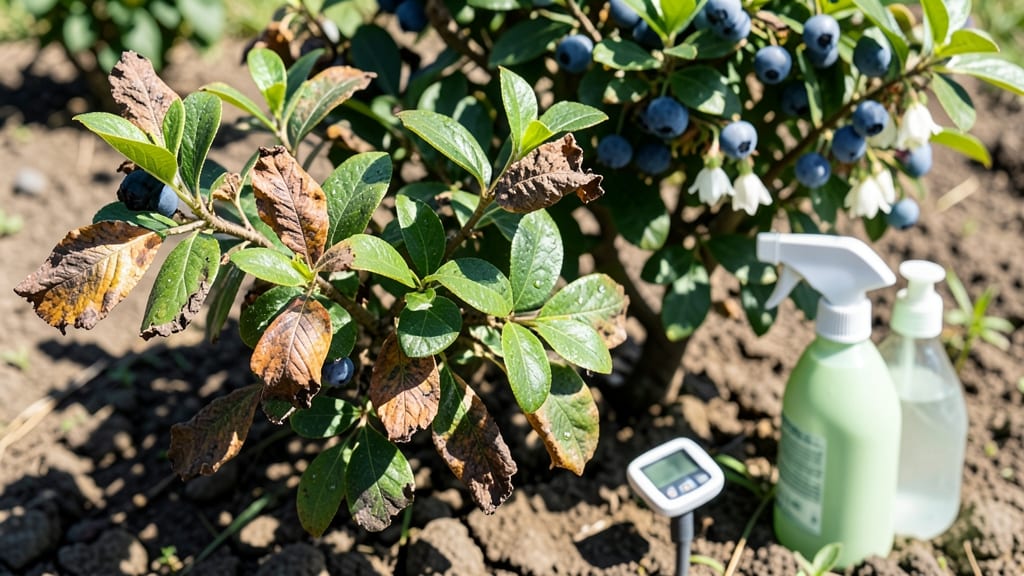
Blueberry leaf scorch turns your bushes into sad, crispy-edged shadows instead of lush, berry-producing powerhouses. 🌿 I’ve watched this disease turn vibrant foliage into brittle brown paper—until I discovered the spray that stops it in its tracks.
The fix isn’t complicated, but timing and the right mix make all the difference.
Leaf scorch starts with tiny brown spots along the edges that spread inward like a slow-motion fire. It’s not just ugly—it weakens plants, stunts growth, and cuts berry production by half.
The culprits? Fungal infections, drought stress, or too much afternoon sun. Even well-established bushes aren’t immune, which is why prevention matters more than cleanup.
Here’s the game-changer: a science-backed spray (copper fungicide or neem oil) applied at the first sign of stress. Combine it with deep watering (1–2 inches per week) and mulch to keep roots cool. Prune for airflow too—crowded branches trap moisture, inviting fungus back for round two.
You’ll see new green growth within 2–3 weeks of treatment, and next season’s harvest won’t skip a beat. The key? Catch it early, spray consistently, and adjust care habits. No more wilting bushes—just plump berries and happy plants.
Root Causes Of Leaf Discoloration
Understanding why your blueberry bushes develop those unsightly brown or blackened edges on their leaves is the first step to prevention. Leaf scorch—often mistaken for drought stress—is typically triggered by a mix of environmental and cultural factors.
Below, we break down the key culprits behind this common issue, backed by plant pathology science.
Blueberry leaves are delicate and prone to oxidative damage when exposed to prolonged high temperatures, especially during dry, windy conditions. Here’s how it happens:
- Transpiration Overload: When soil moisture is low, leaves lose water faster than roots can absorb it.
This causes water stress, leading to plasma membrane damage in leaf cells. 🔬 Studies show temperatures above 90°F (32°C) can trigger rapid water loss, even in well-watered plants. - UV Radiation Burn: Intense sunlight (especially in full-sun exposures) can cause photoxidative stress, breaking down chlorophyll and causing necrotic (dead) tissue along leaf edges. - Wind Desiccation: Strong winds increase evaporation rates, exacerbating moisture loss.
Blueberries grown in open fields or near heat-reflecting surfaces (like pavement or dark mulch) are at higher risk.
Actionable Fix: Provide afternoon shade (use shade cloth if needed) and mulch heavily (3–4 inches of organic mulch) to retain soil moisture and cool roots.
Inconsistent watering is the #1 preventable cause of leaf scorch in blueberries. These shrubs thrive on consistent moisture—here’s why erratic watering backfires:
- Fluctuating Soil Moisture: Blueberries have shallow root systems that dry out quickly.
Alternating between deep soaking and drought stress causes hydraulic failure in leaf cells, leading to brown, crispy edges. 💧 - Salt Buildup from Overwatering: Excessive irrigation (especially with hard water) leaves behind sodium and chloride deposits, which disrupt cellular function and cause marginal necrosis. - Root Zone Compaction: Poor drainage from clay-heavy soils or overwatering can suffocate roots, reducing their ability to uptake water efficiently.
Actionable Fix:
- Water deeply 1–2 times per week (1–1.5 inches per session).
- Use drip irrigation to deliver moisture directly to roots (avoids leaf wetting, which can spread fungal issues).
- Test soil moisture with a moisture meter—blueberries prefer 60–70% soil moisture at all times.
Blueberries are acid-loving plants (pH 4.5–5.5) with specific nutritional needs. When these are off, leaves burn from the inside out:
- Potassium Deficiency (K): Potassium regulates water balance and enzyme activity.
A deficiency causes leaf margins to brown while veins stay green—a classic scorch symptom. 📊 Soil tests often reveal low K in sandy or leached soils. - Magnesium Deficiency (Mg): Magnesium is central to chlorophyll production.
When levels drop, leaves develop interveinal chlorosis (yellowing between veins), followed by necrosis. - Boron Toxicity: While blueberries need boron (0.5–2.0 ppm), excess (from over-fertilization or contaminated water) causes leaf tip burn and crinkling.
Actionable Fix:
- Amend soil annually with peat moss or sulfur to maintain acidity.
- Apply a balanced fertilizer (e.g., 10-10-10) in early spring, followed by a potassium-rich supplement (like greensand) in summer.
- Avoid synthetic fertilizers high in sodium—opt for organic sources like wood ash (sparingly) or kelp meal.
While often misdiagnosed as environmental stress, pathogens can mimic scorch symptoms and worsen damage:
- Leaf Spot Diseases (Elsinoë spp., Colletotrichum spp.): These fungi thrive in humid conditions and cause dark, irregular spots that expand into scorched-looking patches. 🍄 Spores spread via rain splash or overhead watering. - Bacterial Leaf Scorch (Xylella fastidiosa): This vascular-blocking bacterium clogs plant xylem, preventing water transport.
Symptoms include yellowing, wilting, and crispy edges—often one-sided on leaves. - Powdery Mildew: While it causes white fungal growth, severe cases can lead to leaf desiccation, resembling scorch.
Actionable Fix:
- Prune infected leaves immediately and sterilize tools with 70% isopropyl alcohol.
- Avoid overhead watering—use drip systems to keep foliage dry.
- Apply copper fungicide (for bacterial/fungal issues) or neem oil (for mildew) preventatively in spring.
Blueberries are sensitive to chemical drift and soil contaminants, which can cause rapid leaf damage:
- Herbicide Drift: Glyphosate (Roundup) and 2,4-D (common in weed killers) can mimic drought stress, causing browning and curling even at low concentrations. 🚜
- Air Pollution: Ozone (O₃) and sulfur dioxide (SO₂) from industrial areas or vehicle exhaust trigger oxidative stress, leading to necrotic spots.
- Salt or Chemical Buildup: Overuse of de-icing salts (in urban gardens) or hard water irrigation leaves toxic residues that burn leaf tissue.
Actionable Fix:
- Buffer soil with compost to reduce chemical absorption.
- Test water for hardness—use rainwater or filtered water if local tap water is high in minerals.
- Plant windbreaks to shield bushes from polluted air currents.
Waterlogged roots starve for oxygen, leading to secondary stress responses that manifest as scorch:
- Anaerobic Conditions: Roots in soggy soil produce ethanol, which is toxic to cells.
This triggers systemic decline, including leaf margin necrosis. - Root Rot (Phytophthora): Fungal root rot blocks nutrient uptake, causing wilting and scorched leaves even when soil is moist. - Compacted Soil: Heavy foot traffic or machinery compaction restricts root growth, reducing the plant’s ability to absorb water and nutrients.
Actionable Fix:
- Raise beds or amend clay soil with perlite/sand to improve drainage.
- Aerate soil annually with a broadfork or gypsum amendments.
- Mulch heavily (4+ inches) to prevent soil crusting and insulate roots.
How to Fix It Quickly
Blueberry leaf scorch can feel like a slow-motion disaster—those crispy, brown edges spreading like wildfire across your bushes. But don’t panic! With the right approach, you can stop the damage, revive your plants, and even prevent future outbreaks.
Below, we’ve broken down cause-specific fixes, so you can tackle the root of the problem (literally) and restore your blueberries to their lush, healthy glory.
If your blueberries are battling fungal infections (like Gloeosporium or Botrytis), act fast with these steps:
🌿 Step 1: Prune the Damaged Leaves
- 🔪 Snip off any leaves with brown, scorched edges or black spots using sterilized pruners (wipe with rubbing alcohol between cuts).
- 🗑️ Remove and dispose of infected debris immediately—don’t compost it! Fungal spores can linger and reinfect.
💧 Step 2: Adjust Watering Habits
Fungi love damp, stagnant conditions. Fix it by:
- Watering early in the morning (before 10 AM) to let leaves dry quickly.
- Avoid overhead sprinkling—use a drip irrigation system or soaker hose instead.
- Improve drainage if your soil stays soggy.
Amend with compost or perlite to help water flow.
🍄 Step 3: Apply Fungicide Sprays
Use copper-based fungicides (like copper sulfate or copper hydroxide) or neem oil spray (a natural antifungal).
- 📅 Spray every 7–10 days for 4–6 weeks, especially after rain or heavy watering.
- Pro tip: Mix 1 tsp baking soda + 1 tbsp vegetable oil + 1 tsp dish soap per gallon of water for a DIY antifungal spray.
🌡️ Step 4: Boost Plant Immunity
Healthy blueberries fight infections better. Feed them with:
- A balanced fertilizer (10-10-10 or 5-5-5) in early spring.
- Compost tea (rich in beneficial microbes) every 4–6 weeks.
If your leaves are bleaching or crisping from too much sun, especially in hot climates, provide shade and hydration:
🌳 Step 1: Add Temporary Shade
- 🏖️ Use shade cloth (30–50% coverage) during peak sun (11 AM–3 PM).
- Plant taller shrubs or trees nearby for natural shade (but avoid blocking all sunlight—blueberries need 6+ hours of sun).
💦 Step 2: Deep Water Regularly
- Water deeply 2–3 times per week (1–2 inches per session) to keep roots hydrated.
- Mulch heavily (3–4 inches of wood chips or straw) to retain moisture and cool roots.
🌱 Step 3: Choose the Right Variety
Some blueberries (like ‘Duke’ or ‘Bluecrop’) tolerate heat better than others. If you’re in a hot zone, consider heat-resistant cultivars.
If fertilizer, herbicide drift, or harsh sprays caused the scorch, detoxify your plants ASAP:
💦 Step 1: Flush the Soil
- Water heavily for 2–3 days to leach out excess salts or chemicals.
- Avoid fertilizing for 4–6 weeks to let the soil recover.
🌿 Step 2: Apply Organic Matter
- Mix compost or worm castings into the top 6 inches of soil to bind harmful residues.
- 💡 Pro tip: Use kelp meal (a natural chelator) to help plants recover from chemical stress.
🚫 Step 3: Check Your Sprays
- Never apply herbicides near blueberries—even "safe" ones can drift.
- Use only blueberry-safe fungicides/pesticides (like horticultural oil or soap sprays).
Once you’ve treated the issue, lock in long-term protection with these habits:
✅ 🌱 Plant in the right spot – Partial shade (especially afternoon shade) helps in hot climates. ✅ 💧 Water consistently – Avoid letting soil dry out completely between waterings. ✅ 🍄 Monitor for fungi – Remove fallen leaves weekly to prevent spore buildup. ✅ 📅 Prune in late winter – This improves airflow and reduces fungal hotspots. ✅ 🔄 Rotate fungicides – If using chemicals, switch types seasonally to prevent resistance.
🎯 Final Thought: Blueberry leaf scorch is manageable—but the key is acting fast. Whether it’s fungi, sun, or chemicals, your bushes can bounce back with the right care. Start with pruning and water adjustments, then move to targeted treatments.
Before you know it, your blueberries will be thriving, not scorching! 🌿💙
Frequently asked questions about blueberry leaf scorch
What does blueberry leaf scorch look like at its earliest stage?
You’ll first notice tiny brown or black spots along the leaf edges that gradually expand inward. The tissue between veins often turns crispy while the veins stay green—a classic marginal necrosis pattern. These early signs appear on younger leaves first, especially during hot, dry weather.
Can I still harvest berries from bushes with leaf scorch?
Yes, but only if the scorch is mild and caused by environmental stress (like drought or sunburn). If fungal infections are present, avoid harvesting from affected branches—spores can contaminate the fruit. Always wash berries thoroughly before eating, regardless of leaf health.
How often should I spray fungicide to prevent leaf scorch?
For prevention, apply a copper fungicide or neem oil spray every 2–3 weeks during growing season (spring to summer). If treating an active infection, spray weekly for 4 weeks, then switch to monthly maintenance. Always spray in the early morning for best results.
Will pruning help stop leaf scorch from spreading?
Prune infected leaves immediately and remove any branches with more than 30% scorched foliage. Sterilize your pruners between cuts with rubbing alcohol to prevent cross-contamination. Thin out dense growth to improve airflow, which reduces humidity and fungal growth.
Can I use household items to treat blueberry leaf scorch?
Yes! For mild cases, mix 1 tsp baking soda + 1 tbsp vegetable oil + 1 tsp dish soap per gallon of water for a DIY fungicide. Spray on leaves every 7–10 days. For nutrient deficiencies, use Epsom salt (magnesium sulfate) or wood ash (potassium source)—but test soil first to avoid overcorrecting.