
Pruning
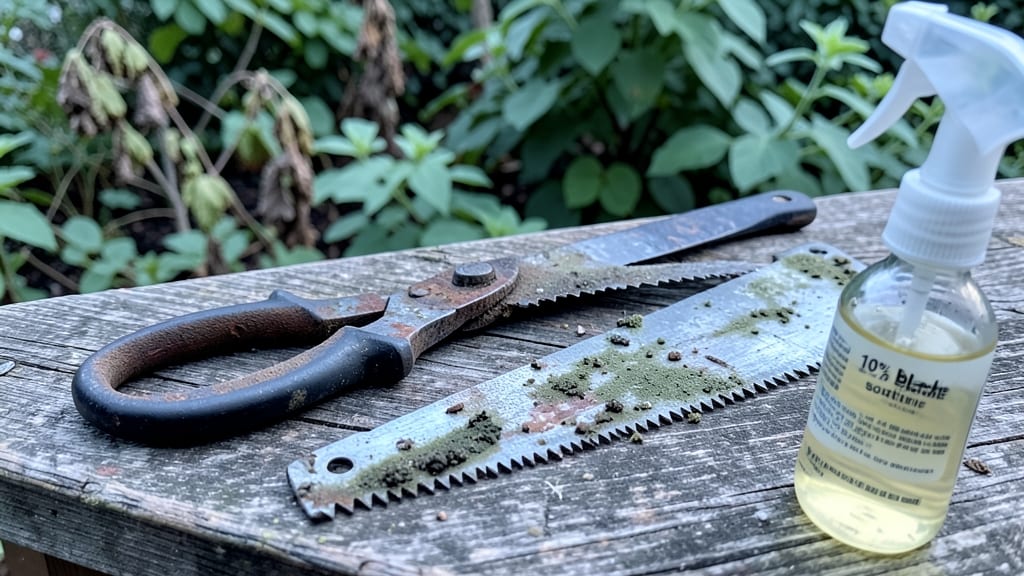
Maintaining broadleaf trees and shrubs through proper pruning ensures lush growth and vibrant health. These 10 expert techniques cover seasonal pruning strategies to keep your garden thriving year-round, from winter dormancy to summer blooming.
Winter Dormancy Pruning for Deciduous Trees
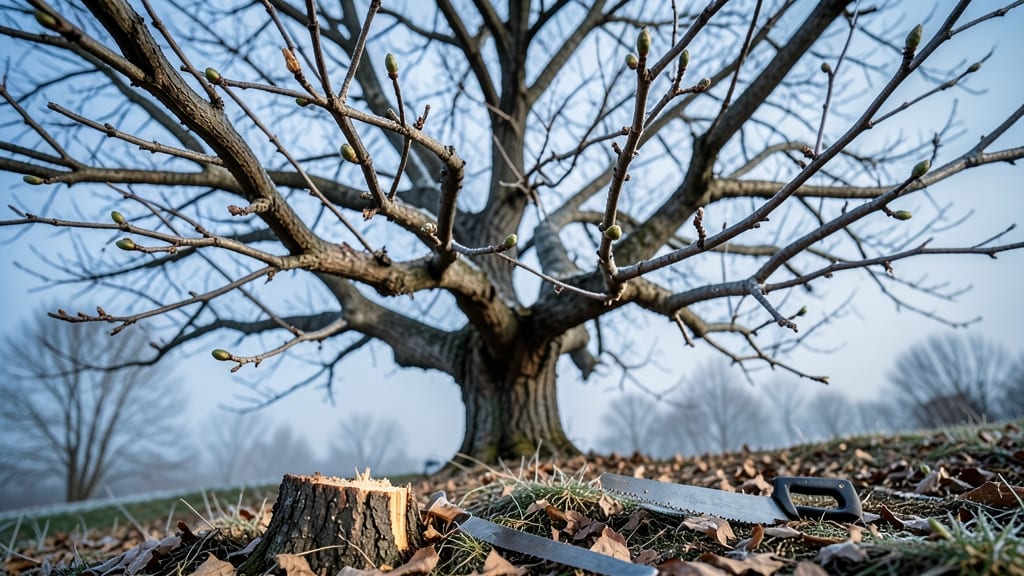
When your deciduous trees stand bare against winter’s chill, that’s your cue to prune—while they’re dormant. This late-winter task (just before buds swell) removes dead wood, shapes growth, and sets the stage for a healthier spring, all while minimizing stress on the tree.
Focus on cutting out dead, diseased, or crossing branches first—these are easy to spot without leaves. Next, thin the canopy by removing up to 25% of the smallest branches to improve airflow and sunlight penetration. Always use sharp, clean tools and seal larger cuts with pruning sealant to prevent pests. For young trees, this is also the perfect time to establish their structure.
This method is especially valuable for urban gardeners with limited space or those restoring neglected trees. A little winter work now means fewer surprises—and more blooms—come spring. ✨
Springtime Flowering Shrub Pruning Schedule
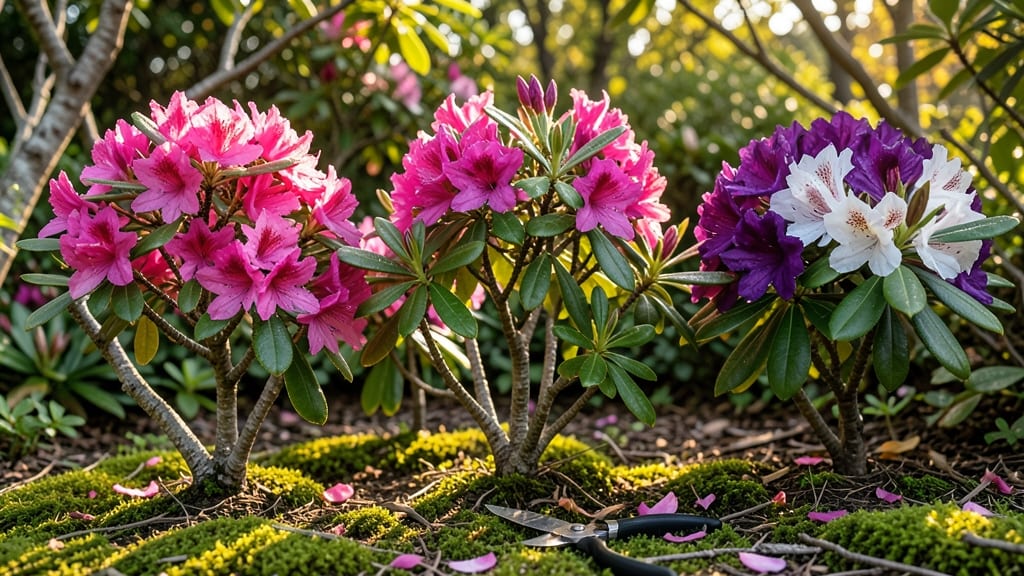
Spring-blooming shrubs like azaleas and rhododendrons rely on last year's growth to produce this year's flowers, so timing your pruning is crucial. Prune these beauties immediately after flowering—typically in late spring or early summer—to avoid cutting off next year's buds, which form on old wood.
Focus on removing only dead, crossing, or overgrown branches while shaping lightly. For hydrangeas that bloom on new wood, you can prune in late winter or early spring instead. Always use sharp, clean tools to prevent disease spread and maintain a natural, open shape for airflow.
This schedule works best for beginner gardeners who want stunning spring blooms with minimal effort. Just remember: patience and precision now mean more vibrant flowers next year! ✨
Summer Light Pruning for Foliage Health
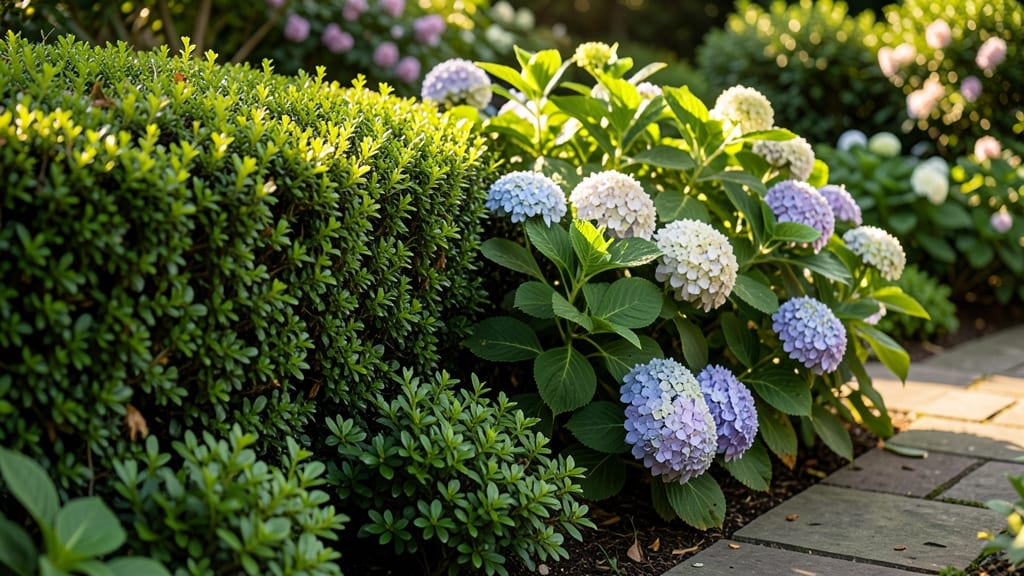
Summer is the time to step back and let your broadleaf shrubs shine—without overdoing it. Unlike winter or spring, heavy pruning now can shock plants like boxwoods and hydrangeas, stripping away their natural density and slowing growth. Instead, focus on light maintenance to keep foliage full and healthy.
Limit yourself to removing only 10-20% of the plant’s growth at a time, targeting just the tips of branches to encourage bushier growth. Avoid cutting into old wood, as new growth will emerge from the current season’s stems. For hydrangeas, deadhead spent blooms to redirect energy into foliage, while boxwoods benefit from shaping with hand pruners for clean lines. Always use sharp tools to prevent tearing leaves.
This approach is perfect for urban gardeners with limited time or those who want to avoid the stress of heavy pruning. A little attention now keeps your shrubs thriving all season. ✨
Renewal Pruning for Overgrown Shrubs
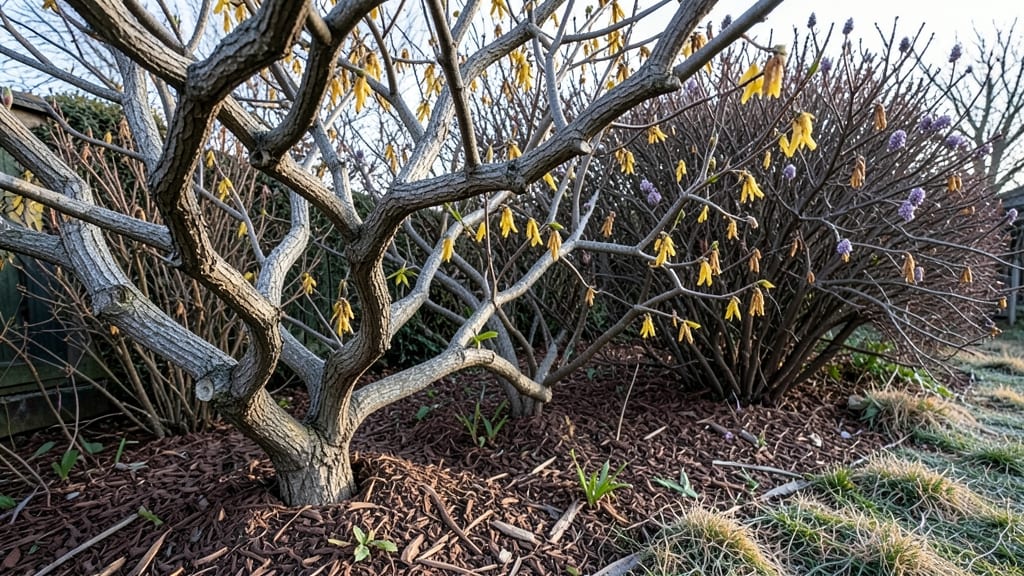
That unruly forsythia or lilac shrub taking over your garden? Instead of gradual trimming, try renewal pruning—a bold, one-season transformation that turns woody, overgrown shrubs into lush, youthful plants. This technique works best in late winter or early spring, just before new growth begins.
Cut back one-third to one-half of the oldest, thickest stems to the ground, focusing on the center of the shrub to improve airflow. The remaining branches will sprout fresh, vigorous growth from the base, creating a fuller, more compact shape. For shrubs like potentilla or spirea, this method also encourages bigger, showier blooms the following year.
This radical approach is perfect for gardeners with neglected shrubs who want dramatic results without years of incremental pruning. Just be patient—new growth may take 6–8 weeks to emerge, but the payoff is a rejuvenated plant that looks like it just left the nursery! 🌟
Thinning Out Dense Canopy Trees
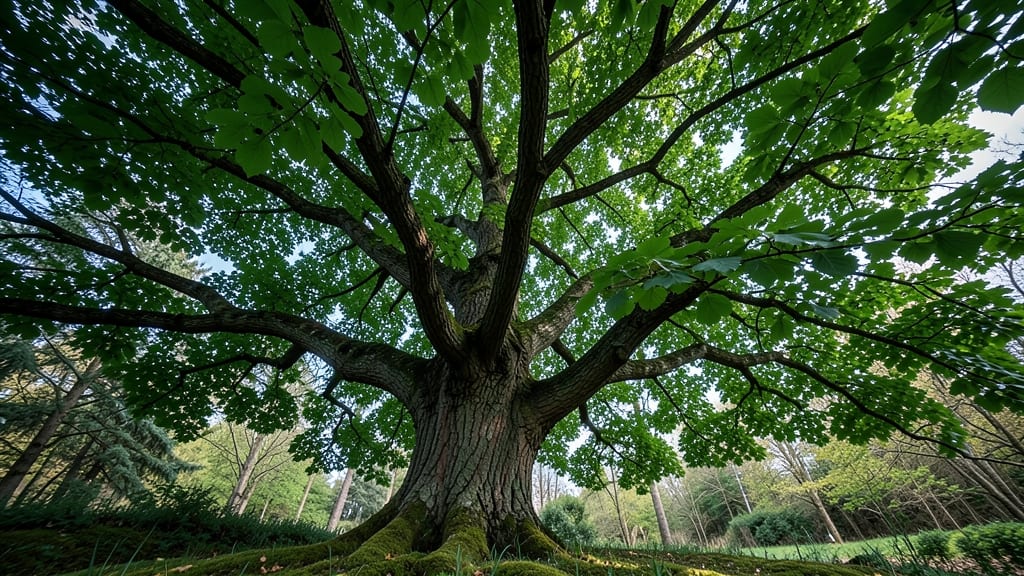
If your maple or beech tree looks like a solid wall of leaves with little sunlight reaching the ground, it’s time for strategic thinning. Unlike heavy pruning, which removes bulk, thinning opens the canopy by selectively removing entire branches—starting from the bottom up—to create air circulation and let light filter through.
Focus on branches that cross or rub against others, or those growing straight upward (called "water sprouts"). Use sharp pruners or a handsaw to make clean cuts just outside the branch collar, avoiding leaving stubs. Late winter or early spring is ideal, when the tree is still dormant but about to burst into growth—this minimizes stress and maximizes recovery.
This technique isn’t just for aesthetics; it prevents fungal diseases like powdery mildew and promotes even growth throughout the canopy. Perfect for homeowners with mature trees or arborists maintaining urban forests. 🌿
Hedge Trimming for Formal Garden Design
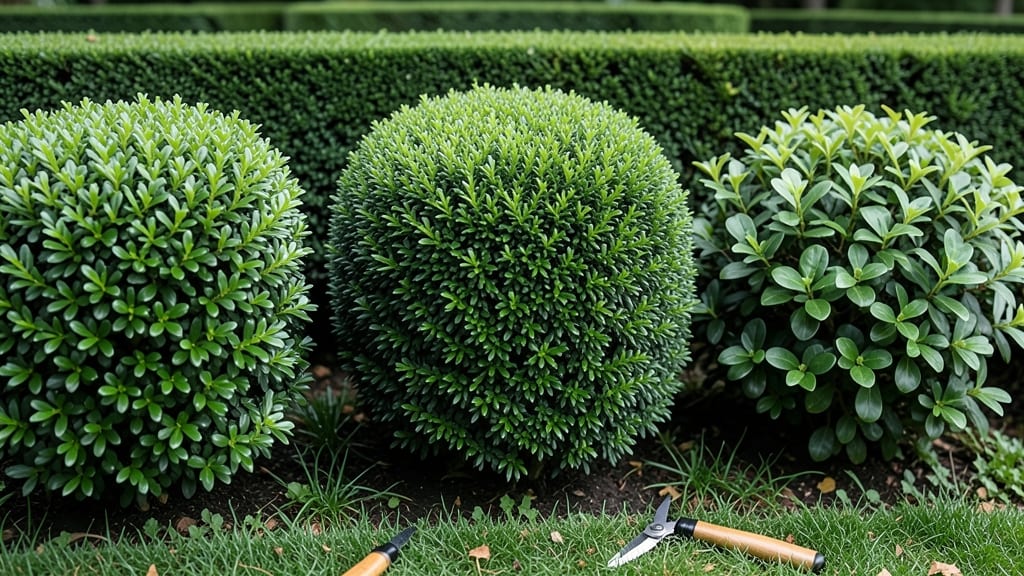
A perfectly manicured hedge isn’t just about looks—it’s the foundation of a formal garden design that exudes elegance and structure. Whether you’re working with boxwood, yew, or privet, precision trimming transforms these broadleaf shrubs into living art. The key lies in using the right tools and techniques to achieve clean, uniform lines that frame pathways, borders, and focal points.
Start with sharp, bypass pruners for clean cuts that heal faster and reduce dieback. Trim just outside the bud at a 45-degree angle to encourage outward growth, and use a string line as a guide for perfectly straight edges. For dense hedges, work in layers, trimming the top first, then the sides, and finally the bottom to avoid crushing lower branches. Most hedges need monthly maintenance during the growing season, but avoid heavy pruning in late summer to prevent tender new growth from winter damage.
This technique is ideal for gardeners who love structured landscapes or want to create a polished look with minimal fuss. With practice, your hedges will become the backbone of your garden’s design, offering year-round appeal. ✨
Deadheading Annuals and Perennial Shrubs
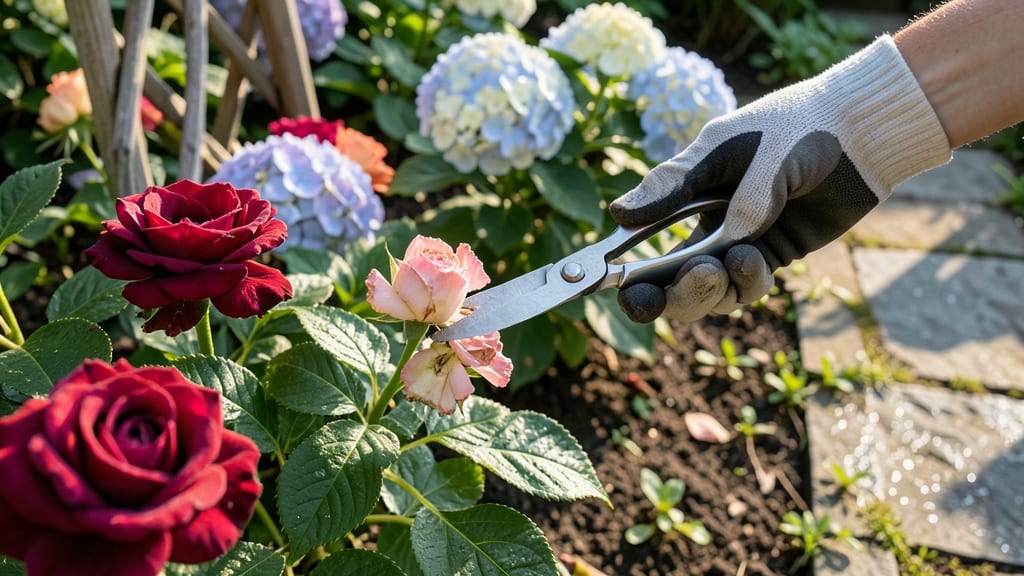
Want your roses and hydrangeas to bloom all season long? Deadheading—removing spent flowers—is the secret weapon. This simple technique redirects the plant’s energy from seed production to creating fresh buds, keeping your garden vibrant and full.
Use clean, sharp pruners to snip just above a leaf or bud, avoiding the woody stem. For annuals like zinnias, deadhead regularly to encourage nonstop blooms, while perennial shrubs like peonies benefit from removing faded flowers after they’ve finished blooming. This method works especially well for gardeners who love long-lasting color and want to extend their plants' peak performance.
Perfect for beginners and busy gardeners, deadheading takes just minutes but delivers dramatic results. Your garden will stay lush and inviting all season. 🌻
Root Pruning for Container-Grown Shrubs
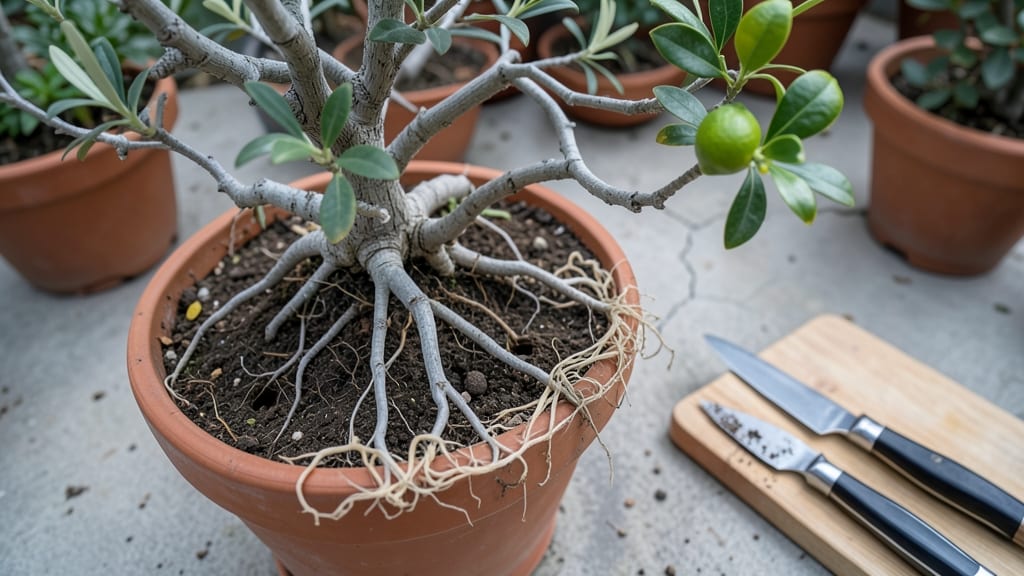
If your potted olive trees or dwarf citrus look stunted despite regular watering, root-bound stress might be the culprit. Root pruning is the secret to unlocking their full potential by encouraging outward root growth before repotting.
Use clean, sharp pruners to trim the outer 1/3 of roots when you notice roots circling the pot's bottom or sides. Focus on larger roots while leaving finer feeder roots intact. This process should be done every 2-3 years for container-grown broadleaf shrubs, ideally in early spring before active growth begins.
Urban gardeners with limited space will especially benefit from this technique, as it prevents transplant shock and maintains healthy root systems in confined pots. Your shrubs will reward you with stronger stems and more abundant foliage. 🌿
Storm Damage Repair Pruning
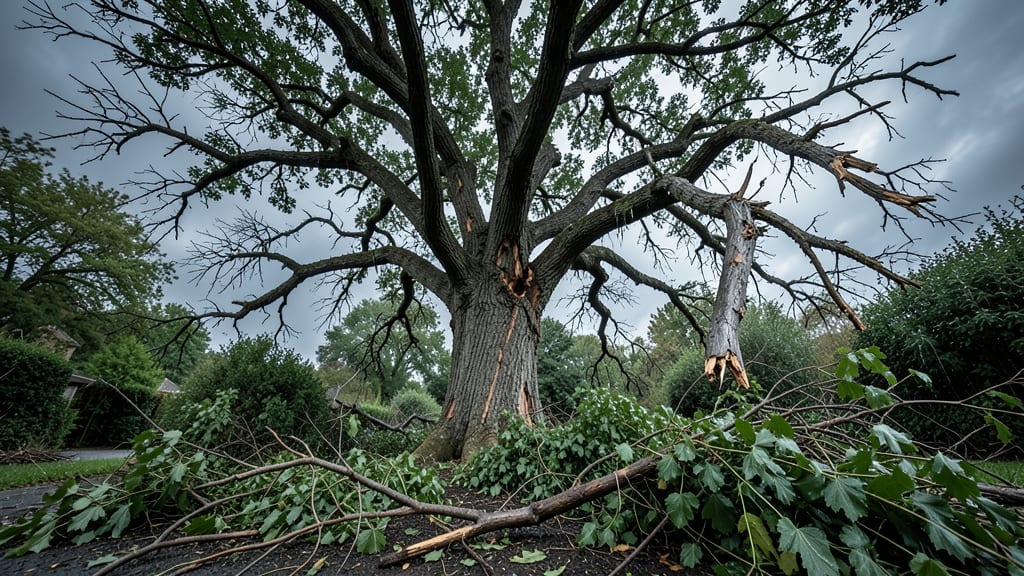
After a storm, your broadleaf trees and shrubs may look like they’ve been through a war—but don’t panic. The key to storm damage repair pruning is acting quickly to remove broken branches while preventing further harm or disease. Start by assessing the damage: remove any branches that are hanging or touching power lines immediately (call professionals if needed).
For safe removal, use sharp, clean tools like a pruning saw or loppers to make cuts just outside the branch collar (the swollen area where the branch meets the trunk). Avoid leaving stubs, as they invite rot and pests. Seal larger wounds with pruning sealant if the cut exposes wood wider than ½ inch in diameter. Work in dry conditions to minimize stress on the plant.
This method isn’t just for arborists—home gardeners can use it to save beloved ornamental trees or shrubs like crape myrtles or azaleas. Acting within a week of the storm gives your plants the best chance to recover without long-term damage. 💪
Seasonal Tool Maintenance for Pruning

Your pruning tools are the unsung heroes of a healthy garden—dull blades and dirty surfaces spread diseases like fire blight or powdery mildew between your broadleaf trees and shrubs, sabotaging all your hard work.
Start by cleaning tools after every use: wipe blades with a 10% bleach solution (1 part bleach to 9 parts water) or rub them with isopropyl alcohol to kill pathogens. Sharpen pruners and loppers 2-3 times per season using a file or sharpening stone, and oil hinges to prevent rust. For saws, replace teeth when they show more than ¼ inch of wear—dull teeth tear wood, inviting infections. Store tools in a dry, covered area to prolong their life.
This simple routine saves money, reduces plant stress, and keeps your garden thriving—especially for urban gardeners with limited space or those pruning shrubs like hydrangeas and roses. 💪