
How To
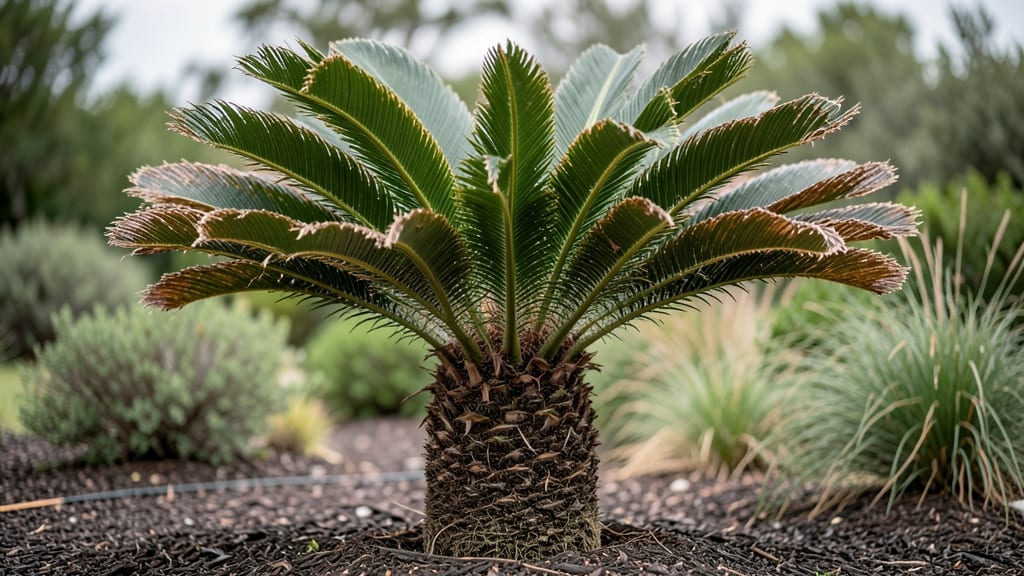
Your windmill palm’s brown leaf tips scream "iron deficiency" – and I’ve fixed it in my own yard. 🌿 The good news? This isn’t a death sentence, just a nutrient cry for help that responds fast to the right care.
Most gardeners blame underwatering first (it’s a common trap), but iron issues show up even when soil stays moist.
The real culprits are often hidden: too much salt from tap water, compacted soil blocking roots, or that pesky pH imbalance making iron unavailable. I’ve seen palms recover completely within 6-8 weeks of adjusting just one of these factors—no fancy fertilizers needed.
The key is diagnosing correctly before jumping to solutions.
Here’s what you’ll achieve: lush, vibrant fronds with no more crispy edges, stronger growth from the base, and a palm that looks like it belongs in a tropical paradise.
The fix takes 3 simple steps, and I’ll walk you through exactly what to check first—plus what to ignore (like those misleading online "cures").
Works for both indoor palms struggling by the window and outdoor palms taking the brunt of summer heat. Let’s get those tips turning green again—without guessing games or expensive treatments.
Root Causes of Leaf Tip Stress
When your Trachycarpus fortunei (windmill palm) starts showing brown, crispy tips, it’s usually a cry for help from the plant’s roots or environment. Understanding the why behind these symptoms is the first step to reviving your palm.
Below, we break down the most common triggers—each with a clear scientific explanation and actionable clues to identify the culprit.
The #1 enemy of windmill palms isn’t drought—it’s root suffocation. These palms thrive in well-draining soil, but when they sit in soggy conditions, their roots struggle to absorb oxygen. Without proper aeration, roots rot, and the palm can’t transport water and nutrients efficiently.
Brown tips appear as a last-resort survival mechanism: the plant sacrifices leaf edges to conserve moisture in the core.
How to spot it:
- 🌱 Yellowing fronds (not just brown tips) or a musty soil smell when you dig down 2–3 inches.
- 🚫 Puddles or soggy soil lingering for days after watering.
- 🕳️ Mushy, dark roots when you gently pull back the top layer of soil.
Science behind it: Root cells in anaerobic (oxygen-starved) soil produce ethylene gas, a stress hormone that triggers cell death in older leaf tissue—starting at the tips. Over time, this leads to nutrient translocation failure, where the palm can’t move iron (and other minerals) from old leaves to new growth.
Windmill palms are heavy iron feeders, especially in alkaline or sandy soils where iron binds tightly to soil particles and becomes unavailable. When iron levels drop below 2–3 ppm in the soil, the palm can’t produce chlorophyll properly.
This causes interveinal chlorosis (yellowing between veins) before the tips turn brown and brittle.
How to spot it:
- 🟡 Bright yellow leaves with green veins (classic iron deficiency pattern).
- 🌿 New fronds emerge pale before browning at the tips.
- 📉 Slow growth despite regular watering and fertilizer.
Science behind it: Iron is a cofactor in enzymes like nitrate reductase, which helps the palm convert nitrogen into proteins. Without enough iron, the palm’s metabolic processes stall, leading to oxidative stress in leaf cells. The tips brown as a result of lipid peroxidation—cell membrane damage from unchecked free radicals.
Windmill palms are tough, but they’re not fans of sodium, chlorine, or fluoride buildup in the soil. These salts (often from tap water, fertilizers, or city runoff) disrupt the palm’s ability to absorb water and nutrients.
The tips brown because the osmotic pressure in the soil becomes too high, forcing the plant to "seal off" damaged areas to prevent further toxin uptake.
How to spot it:
- 🧂 White crust on the soil surface after watering.
- 💦 Water beads up on leaves instead of absorbing (sign of high salt concentration).
- 🌱 Leaf edges scorch even if the soil is moist.
Science behind it: Excess salts create a hypertonic environment, where water is drawn out of root cells instead of into them. This triggers abscisic acid (ABA) production—a stress hormone that causes stomata (leaf pores) to close. Without proper gas exchange, the tips dry out and turn brown.
Windmill palms are cold-hardy (USDA Zones 7–11), but freezing temps or drying winds can desiccate leaf tips faster than the plant can compensate. Cold snaps cause ice crystal formation in leaf cells, rupturing membranes and leading to browning. Meanwhile, wind increases transpiration (water loss) without replenishing moisture from the roots.
How to spot it:
- ❄️ Brown tips appear after a frost or overnight dip below 25°F.
- 💨 Tips crisp like paper in dry, windy climates (common in coastal areas).
- 🌬️ Only the outer fronds are affected (wind damage is directional).
Science behind it: Cold stress activates lipid peroxidation in cell membranes, while wind stress causes hydraulic failure—the plant can’t pull enough water from the roots to replace what’s lost through the leaves. The tips, being the oldest and most vulnerable, bear the brunt of the damage.
Pro Tip: 🔍 Rule out one cause at a time—check soil moisture, test pH (ideal: 5.5–6.5), and inspect for salt crusts before jumping to conclusions. A simple DIY soil test kit (or vinegar test for alkalinity) can save your palm from guesswork!
Fixing Your Windmill Palm’s Brown Tips
Now that you know the likely causes behind those unsightly brown leaf tips on your windmill palm, let’s roll up our sleeves and get to work! Below are practical, step-by-step solutions tailored to each root issue—plus tips to keep your palm thriving long-term.
If soggy soil or compacted roots are to blame, your palm needs better airflow and water control—fast.
🔥 Step 1: Check the Soil Gently dig around the base (1–2 inches deep) to assess moisture. If it’s damp or smells musty, overwatering is the culprit.
🍳 Step 2: Improve Drainage
- Repot if needed: Move your palm to a container with drainage holes (terracotta pots work great). If it’s in-ground, amend the soil with perlite, sand, or orchid bark (20–30% mix).
- Raise the pot: Place it on elevated feet or a saucer to prevent water pooling.
👨🍳 Step 3: Adjust Watering Habits
- Let the top 2–3 inches of soil dry out between waterings (stick your finger in to test!).
- Water deeply but less often: Drench the soil until water runs out the drainage holes, then wait.
- Avoid wetting leaves: Water at the base only to prevent fungal issues.
🌡️ Pro Tip: If your palm is in-ground, consider mounding soil around the base to encourage better root aeration.
Windmill palms love light but can fry in harsh conditions. Here’s how to protect them:
🔥 Step 1: Gradual Acclimation If you recently moved your palm outdoors, harden it off over 7–10 days by slowly increasing sun exposure.
🍳 Step 2: Provide Partial Shade
- Morning sun + afternoon shade: Use a lightweight shade cloth (30–50%) or place near a dappled-light area (under trees).
- Indoor palms: Move them 5–10 feet from a south- or west-facing window to avoid direct rays.
👨🍳 Step 3: Wind Protection
- Group palms together to create a windbreak.
- Use a temporary barrier (like a bamboo screen) if strong winds are common.
✨ Pro Tip: Mist leaves lightly on hot days to reduce stress—but avoid soggy conditions!
Brown tips from iron or micronutrient deficiency need a targeted boost. Here’s how to fix it:
🔥 Step 1: Test Your Soil Grab a DIY soil test kit (or send a sample to a local extension office) to confirm deficiencies. Iron deficiency often shows as yellowing between veins (not just brown tips).
🍳 Step 2: Apply Iron Supplement
- Chelated iron spray: Mix 1 tsp chelated iron (like Ironite) in 1 gallon of water and spray foliage + soil monthly.
- Slow-release fertilizer: Use a palm-specific fertilizer (high in iron, zinc, and manganese) like Miracle-Gro Palm Food or Espoma Palm Tone.
👨🍳 Step 3: Adjust pH if Needed
- Test pH: Ideal range for windmill palms is 5.5–6.5. If your soil is too alkaline (pH >7), iron becomes unavailable.
- Lower pH naturally: Mix in sulfur, peat moss, or pine needles to acidify soil gradually.
🎯 Pro Tip: Avoid over-fertilizing—too much salt can burn roots! Follow package instructions and flush soil every 3 months with plain water.
If brown tips are paired with black spots, webbing, or sawdust-like frass, pests or fungus may be the villain.
🔥 Step 1: Inspect for Pests
- Spider mites: Tiny webs on undersides of leaves? Wipe leaves with a soapy water cloth (1 tsp mild soap + 1 quart water).
- Scale insects: Scrape off with a soft brush or use neem oil spray (1 tbsp neem oil + 1 quart water).
- Mealybugs: Blot with 70% isopropyl alcohol on a cotton swab.
🍳 Step 2: Treat Fungal Issues
- Prune infected fronds: Cut off brown/tattered leaves with sterilized scissors (rub with rubbing alcohol).
- Apply fungicide: Spray with copper fungicide or baking soda mix (1 tsp baking soda + 1 quart water + few drops of soap).
👨🍳 Step 3: Prevent Future Infestations
- Quarantine new plants for 2 weeks before introducing them.
- Keep area clean: Remove fallen leaves/debris where pests hide.
- Improve airflow: Space palms 3–4 feet apart to reduce humidity buildup.
💡 Pro Tip: Preventative sprays (like neem oil every 2 weeks) keep pests at bay!
Once your windmill palm is back in tip-top shape, keep it happy with these habits: ✅ Water wisely: Deep but infrequent—never let it sit in water. ✅ Fertilize seasonally: Spring & summer (avoid fall/winter). ✅ Prune regularly: Trim dead fronds to redirect energy to new growth. ✅ Monitor soil: Test every 6–12 months for pH/nutrient shifts. ✅ Rotate pots: If indoors, turn the pot ¼ turn monthly for even light exposure.
🎉 Result? A lush, vibrant windmill palm with no more brown tips—just healthy, fan-shaped fronds reaching for the sky! 🌴✨
Frequently asked questions
Why do my windmill palm's tips turn brown even when I water it regularly?
Overwatering is a common culprit! Windmill palms prefer well-draining soil, and soggy conditions suffocate roots, preventing proper nutrient absorption. Check if the top 2-3 inches of soil stay damp for days—this signals root suffocation. Brown tips often appear as the plant's survival response to conserve moisture.
Can I use regular tap water for my windmill palm?
Not ideal—tap water often contains chlorine, fluoride, and salts that build up in soil over time. These minerals disrupt nutrient uptake, leading to brown tips. Use filtered, rainwater, or distilled water instead. If you must use tap water, let it sit out for 24 hours before watering to reduce chlorine levels.
How do I know if my palm has iron deficiency or just dry tips?
Iron deficiency shows as yellowing between leaf veins (interveinal chlorosis) before browning appears. Dry tips from underwatering will have crispy, papery edges without yellowing. Test your soil—if pH is above 6.5, iron becomes unavailable even if present. Chelated iron sprays can help if confirmed deficient.
Will pruning brown tips help my windmill palm recover?
Yes! Pruning removes damaged tissue and redirects energy to healthy growth. Use clean, sterilized scissors to trim only the brown tips, never healthy green areas. Avoid cutting more than 1/3 of the frond at once. The plant will focus on producing fresh, vibrant fronds from the base.
How often should I fertilize a windmill palm with brown tips?
Start with a balanced palm fertilizer (like 8-2-12 NPK ratio) every 4-6 weeks during spring/summer. Avoid fertilizing in fall/winter when growth slows. If using chelated iron supplements, apply monthly until new green growth appears. Always flush soil with plain water after fertilizing to prevent salt buildup.