
Leaf Blower
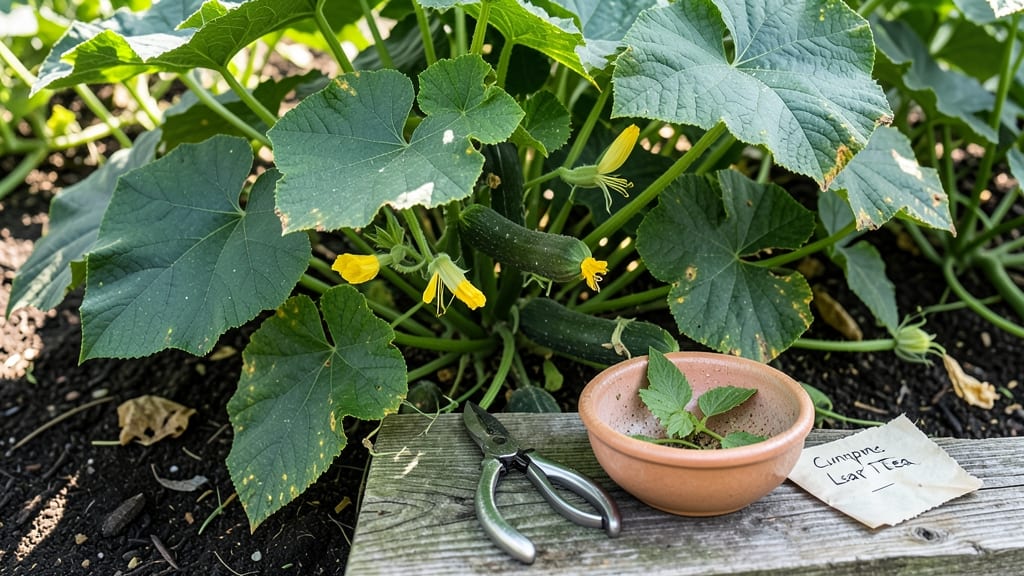
Making cucumber leaf tea involves steeping fresh or dried cucumber leaves in hot water to create a light, cooling herbal infusion known for its soothing properties and potential anti-inflammatory effects. For best results, use 1-2 teaspoons of dried leaves per cup.
Cucumber leaf tea has been used for centuries in traditional medicine, particularly in Asian cultures, where it's valued for its detoxifying and skin-clearing properties. 🌿 The leaves contain cucurbitacins, compounds that may help reduce inflammation, while their high water content makes this tea exceptionally hydrating—perfect for hot days or post-workout recovery.
Unlike regular cucumber juice, the tea captures the leaves' earthy, slightly bitter notes, which balance beautifully with honey or lemon for a refreshing twist.
What makes this tea unique is how versatile it is—you can enjoy it hot or iced, and it pairs wonderfully with other herbs like mint or chamomile.
I've found that brewing with fresh leaves yields a more vibrant flavor, but dried leaves work just as well when stored properly in an airtight container away from light. The key is to steep for 5-7 minutes to avoid bitterness while preserving the beneficial compounds.
💡 In This Article
- How to Grow and Harvest Cucumber Leaves for Tea
- Health Benefits and Culinary Uses of Cucumber Tea
How to grow and harvest cucumber leaves for tea
Cucumber leaves thrive in warm climates with well-draining soil and plenty of sunlight, making them ideal for home gardens or container growing.
The key to maximizing flavor and nutritional value lies in providing the right conditions: plant them in full sun (6-8 hours daily) and maintain soil temperatures between 70-90°F.
Use organic compost to enrich the soil, as cucumbers are heavy feeders that benefit from phosphorus and potassium for leafy growth. 🌱 What most gardeners overlook is the importance of consistent moisture—dry soil stresses the plant, leading to bitter leaves, while overwatering can cause fungal issues.
Harvesting leaves at the right stage ensures the best flavor profile. Young, tender leaves (about 3-5 inches long) are most flavorful and less bitter than mature ones.
The best time to pick is in the morning after the dew has dried, as the leaves contain the highest concentration of beneficial compounds. Always use clean, sharp scissors to avoid damaging the plant, and never take more than one-third of the leaves from a single vine to encourage regrowth.
For continuous harvests, space plants 2-3 feet apart to allow airflow and prevent disease.
Pest control is crucial for maintaining healthy leaves. Cucumber plants are susceptible to aphids and spider mites, which can taint the flavor. I've found that a neem oil spray (1 tablespoon per quart of water) applied weekly acts as both a repellent and growth booster.
Avoid chemical pesticides, as they can leave residues that transfer to your tea. 🌿 Another pro tip: interplant cucumbers with basil or marigolds, which naturally deter pests while enhancing the overall flavor of your harvest.
Preserving harvested leaves for later use requires proper drying techniques. Lay leaves flat on a mesh screen in a dark, well-ventilated area for 3-5 days until crisp but not brittle.
Store dried leaves in an airtight container away from light and humidity—they'll keep for up to 6 months while retaining their medicinal properties.
For a quicker method, use a food dehydrator at 95°F for 4-6 hours, which concentrates the flavors while preserving the cucurbitacins that give the tea its health benefits.
One common mistake is assuming all cucumber varieties produce equally flavorful leaves. Look for heirloom varieties like 'Straight Eight' or 'Lemon Cucumber,' which are prized for their tender, aromatic foliage. These varieties often yield leaves with a sweeter, more complex profile compared to commercial slicing cucumbers. 🍃 The trade-off?
They may produce fewer fruits, but the tea quality makes it worthwhile for dedicated growers.
For those without gardening space, consider growing cucumbers in hanging baskets or vertical towers. This method saves space while still providing the necessary sunlight and airflow. Just ensure the containers have drainage holes to prevent root rot—a frequent issue in urban gardening setups.
With the right care, you can harvest enough leaves for a year's supply of tea from just a few plants!