
Pruning
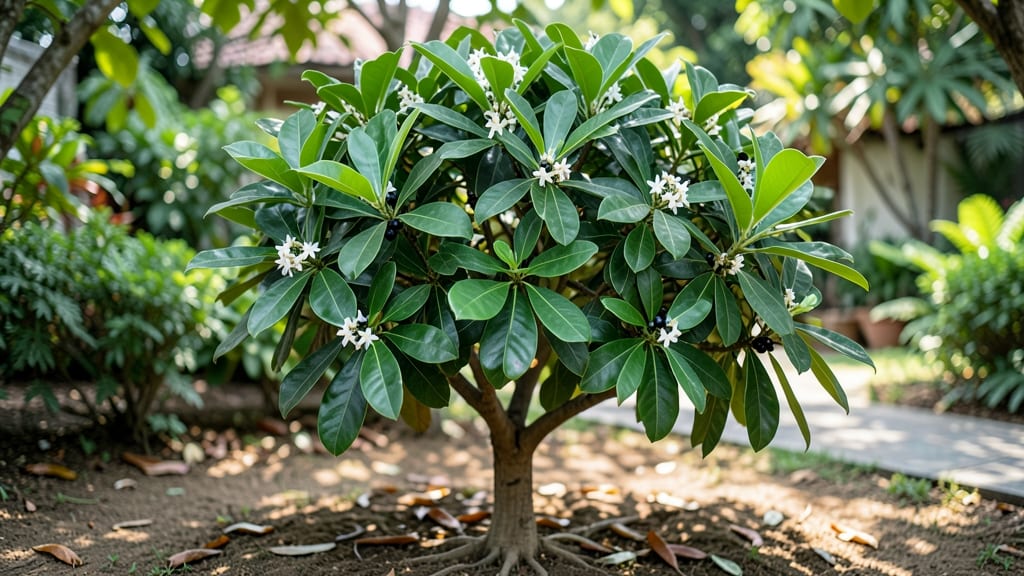
The curry leaf tree care secrets that keep this fragrant, fast-growing plant thriving year-round are simple yet transformative. 🌿 This glossy-leaved beauty rewards patience with an abundance of aromatic foliage, turning any kitchen or garden into a spice lover’s paradise—if you master the balance of light, water, and pruning.
The key is mimicking its natural tropical habitat: bright, indirect light, well-draining soil, and occasional deep watering. Most people overwater, thinking it needs more moisture than it actually does—yellow leaves are your first warning sign. A 5-gallon pot works for young plants, but mature trees need room to spread.
With proper care, you'll harvest fresh curry leaves for cooking within 12-18 months, and the plant will keep producing for decades. The aroma alone makes it worth the effort, but the culinary possibilities are endless. Works beautifully indoors near sunny windows or outdoors in warm climates.
Let's get yours growing strong!
📚 In This Guide
- What you need
- Instructions
- Tips and common mistakes
- Wrapping up and next steps
What you need
- ● Curry leaf sapling or seeds: Choose a healthy 1-2 year old sapling or fresh seeds (if propagating).
- ● Well-draining soil: Mix 3 parts garden soil + 1 part sand/perlite (pH 6.0-7.5).
- ● Pot (if potted): 12-18 inch diameter with drainage holes (terracotta or plastic).
- ● Pruning shears: Sharp, sterilized shears (for trimming and shaping).
- ● Watering can or hose: With a gentle spray nozzle for hydration.
- ● Fertilizer: Balanced 10-10-10 NPK or organic compost (every 2 months).
- ● Mulch: Organic mulch (e.g., straw or wood chips) to retain moisture.
- ● Sunlight access: Full sun (6+ hours/day) or bright indirect light (indoors).
- ● Growth regulator (e.g., seaweed extract) for bushier growth.
- ● Pest control: Neem oil or insecticidal soap (for aphids/spider mites).
- ● Humidity tray (for indoor plants in dry climates).
- ● Support stake (if growing tall outdoors).
- ● Soil moisture meter (to track hydration needs).
Step-by-Step instructions for growing a thriving curry leaf tree
Here’s my foolproof method for cultivating a curry leaf tree with vibrant, fragrant foliage year after year.
🪴 Step 1: Select the Right Container and Soil Mix
Curry leaf trees (Murraya koenigii) thrive in well-draining soil with a slightly acidic to neutral pH. Choose a 12-15 inch diameter pot with drainage holes—terracotta works best because it breathes and prevents root rot. I always use a mix of 50% potting soil, 30% perlite, and 20% coconut coir to mimic their native tropical conditions.
Fill the pot halfway with the mix, then gently tap the sides to settle it. The goal is a loose, airy medium that water drains through in 10-15 minutes. Avoid garden soil—it compacts and suffocates roots. Add a handful of slow-release organic fertilizer (like worm castings) to the bottom layer for steady nutrients.
🌱 Step 2: Plant and Position for Optimal Light
Remove the tree from its nursery pot and loosen the roots if they’re tightly bound. Place it in the prepared container, ensuring the root flare (where roots meet the stem) sits just above the soil line. Fill gaps with more mix, pressing lightly to eliminate air pockets but not compacting.
Curry leaf trees crave bright, indirect light—think 6-8 hours of morning sun and dappled afternoon shade. A south-facing window with sheer curtains works, but most homes won’t provide enough intensity. Supplement with a grow light 12-18 inches away for 14 hours daily. You’ll know the light is right when new leaves emerge dark green and glossy, not pale or stretched.
💧 Step 3: Master Watering for Consistent Growth
Water deeply once a week in summer, letting 2-3 inches of soil dry out between sessions. In winter, reduce to every 10-14 days—overwatering is the #1 killer. I check moisture by sticking my finger 2 inches deep; if it’s dry, it’s time to water. Always water at the base, avoiding leaves to prevent fungal spots.
Mist the foliage 2-3 times weekly with room-temperature water to replicate humidity. You’ll notice the leaves stay plump and vibrant instead of crisping at the edges. During dry spells, group the pot on a pebble tray with water to boost humidity naturally.
✂️ Step 4: Prune and Fertilize for Bushier Growth
Pinch back the tips of new growth when stems reach 6 inches to encourage branching. Use clean, sharp pruners to trim just above a leaf node at a 45-degree angle. Remove any yellow or leggy stems immediately—they sap energy from the plant. I prune every 3-4 months to maintain shape and density.
Feed with a balanced liquid fertilizer (10-10-10) every 4-6 weeks in spring and summer, cutting back to monthly in fall and none in winter. Flush the soil with water after fertilizing to prevent salt buildup. You’ll see richer green leaves and faster growth within weeks of consistent feeding.
⏰ Step 5: Overwinter for Year-Round Success
As temperatures drop below 50°F, move the tree indoors near a sunny window or grow light. Reduce watering to every 2 weeks and stop fertilizing entirely. Curry leaf trees are semi-dormant in winter—don’t force growth. You’ll know it’s happy if it holds its leaves without browning.
In late winter, wipe leaves with a damp cloth to remove dust and boost photosynthesis. Resume regular watering and fertilizing in early spring when new growth appears. With this routine, your tree will reward you with fragrant, harvestable leaves for years.
Tips & tricks for perfect curry leaf tree care
Real talk: Growing a thriving curry leaf tree isn't just about following steps—it's about understanding the little details that make all the difference between a struggling plant and a lush, fragrant beauty.
Soil Drainage Secret: The 10-15 minute drainage test in Step 1 is non-negotiable. If water pools on top after 15 minutes, your mix is too dense. Add more perlite or coconut coir—this prevents root rot, which is the silent killer of curry leaf trees. I've seen otherwise healthy plants die from soggy roots, so don't skip this check.
Lighting Insight: That 6-8 hours of morning sun in Step 2 is your sweet spot—direct afternoon sun will scorch the delicate leaves. I've learned this the hard way after watching leaves turn crispy from too much midday heat. If your window gets intense afternoon sun, use a sheer curtain to diffuse the light while still allowing plenty of brightness.
Humidity Hack: The 2-3 times weekly misting in Step 3 works wonders, but here's what nobody tells you—curry leaf trees love humidity so much they'll actually tell you when they need it. Watch for leaves that start curling at the edges; that's their way of saying "I need more moisture!" A pebble tray with water underneath the pot creates a natural humid microclimate without overwatering the soil.
Pruning Precision: When you pinch back those 6-inch stems in Step 4, you're not just shaping the plant—you're encouraging it to grow bushier and more productive. The key is to make your cuts just above a leaf node at a 45-degree angle. This creates a larger surface area for new growth to emerge, and it prevents water from pooling on the cut, which can lead to rot. I always sterilize my pruners with rubbing alcohol between cuts to prevent spreading any potential diseases.
Pro Tips for Curry Leaf Tree Care
- Real talk: Growing a thriving curry leaf tree isn't just about following steps—it's about understanding the little details that make all the difference between a struggling plant and a lush, fragrant beauty.
- Soil Drainage Secret: The 10-15 minute drainage test in Step 1 is non-negotiable.
- Lighting Insight: That 6-8 hours of morning sun in Step 2 is your sweet spot—direct afternoon sun will scorch the delicate leaves.
Frequently asked questions
Got questions about keeping your curry leaf tree thriving? Here are some of the most common ones—plus quick, expert-backed answers to keep your plant happy and healthy year-round.
How often should I prune my curry leaf tree?
Prune your curry leaf tree 2-3 times a year, focusing on shaping in late winter or early spring (before new growth) and light trimming after harvests. Avoid heavy pruning in fall—this can stress the tree before winter. Always use sterilized tools to prevent disease.
Can curry leaf trees survive winter outdoors?
In USDA Zones 9-11, curry leaf trees thrive outdoors year-round. For colder climates (Zones 7-8), grow them in containers and move them indoors before temps drop below 30°F (-1°C). If left outside, mulch heavily and protect with frost cloth.
Why are my curry leaves turning yellow?
Yellow leaves usually signal overwatering or nutrient deficiency. Let the top 2-3 inches of soil dry out between waterings, and fertilize every 4-6 weeks with a balanced, citrus-friendly formula. Check for pests like aphids or mites too—they can stress the tree.
Can I grow a curry leaf tree from cuttings?
Yes! Take 4-6 inch semi-hardwood cuttings in spring/summer, dip in rooting hormone, and plant in moist perlite or sand. Keep humidity high (use a plastic bag) and place in bright, indirect light. Roots should form in 4-8 weeks.
How do I harvest curry leaves without harming the tree?
Harvest leaves sparingly—never take more than 1/3 of the foliage at once. Use clean scissors to snip leaves from the tips of branches (avoid stripping whole stems). For continuous harvests, prune lightly after picking to encourage bushier growth.
What’s the fastest way to revive a struggling curry leaf tree?
Start with well-draining soil and adjust watering—most trees wilt from overwatering. Repot if roots are crowded, and give it morning sun (6+ hours). A foliar spray with neem oil can treat fungal issues, and a slow-release fertilizer boosts recovery.
Wrapping up and next steps
Caring for a curry leaf tree is a rewarding journey that brings fragrant foliage and culinary magic to your space! 🌿 With the right pruning techniques, well-draining soil, and a touch of sunlight, you’ll nurture a thriving plant year-round.
Remember, consistency is key—whether you’re shaping its growth or troubleshooting pests, your efforts will pay off in lush, aromatic leaves.
Ready to take the next step? Start small: pick one pruning session this week to refine your skills, then gradually expand your care routine. Before you know it, your curry leaf tree will be the star of your garden—or kitchen! 🌟