
Trees
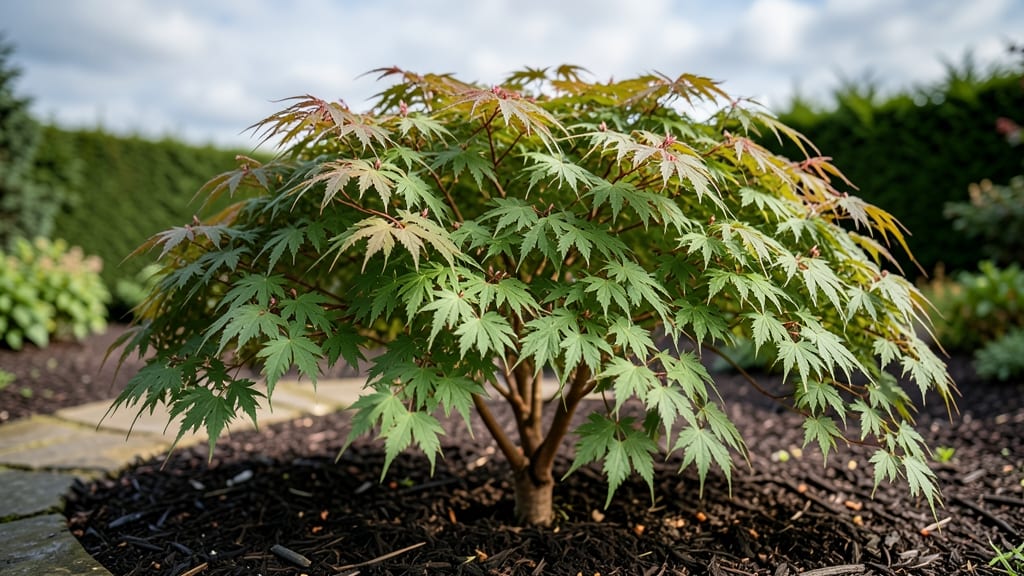
Your shade garden just got a showstopper with this delicate beauty. 🌿 The cutleaf Japanese maple (Acer palmatum 'Dissectum') transforms any dim corner into a lace-canopied dream—its finely divided leaves shimmer like sunlight through branches.
I planted mine under a mature oak where nothing else would grow, and now it's the star of the garden. This tree thrives where others falter, happy in partial to full shade and well-draining soil that mimics its woodland roots.
Watering is simple: keep the soil consistently moist but never soggy, especially during those first critical years. The real magic happens in spring and fall when the foliage turns fiery shades of orange and red, lasting well into winter.
You'll love how it refines any space—whether as a single specimen or layered with hostas and ferns. Pruning is minimal, just removing dead branches in late winter, but the payoff is year-round interest with minimal effort.
Even in tight spaces, it grows gracefully, reaching 6–10 feet tall with a spread of 5–8 feet. The best part? It's practically pest-proof and handles urban pollution better than many trees. For shade lovers who crave drama without the fuss, this is the tree that delivers. Let's get yours planted!
📚 In This Guide
- What you need
- Instructions
- Tips and common mistakes
- Wrapping up and next steps
What you need
- ● Cutleaf Japanese Maple (Acer palmatum 'Dissectum') – Choose a healthy, disease-free specimen (sapling, container-grown, or bare-root, depending on season).
- ● High-quality potting mix or well-draining soil – Aim for a blend of 50% garden soil, 30% compost, and 20% perlite or sand for optimal aeration.
- ● Organic mulch (e.g., shredded bark or pine needles) – 2–3 inches to retain moisture and protect roots.
- ● Slow-release fertilizer (10-10-10 or balanced organic) – 1–2 tablespoons per planting hole for young trees.
- ● Garden trowel or spade – For digging planting holes.
- ● Pruning shears or loppers – To trim dead branches or shape the tree.
- ● Watering can or hose with a gentle spray nozzle – Japanese maples hate soggy roots!
- ● Garden gloves – Protect your hands from thorns (some cultivars have them!).
- ○ Stakes & tree ties (optional) – Use if planting in windy areas.
- ● Epsom salt (magnesium sulfate) – 1 tablespoon per gallon of water monthly for vibrant foliage.
- ● Liquid seaweed fertilizer – Boosts root growth and stress resistance.
- ● Shade cloth (30–50%) – Protects young trees from harsh afternoon sun.
- ● Decorative rocks or bark mulch – Adds aesthetic appeal to the base.
How to plant and care for a cutleaf Japanese maple
This delicate beauty thrives with proper placement and gentle maintenance—here’s how to set it up for years of dramatic foliage.
🪴 Step 1: Choose the Perfect Planting Spot
Cutleaf Japanese maples need partial shade—think 4-6 hours of morning sun with afternoon shade to prevent leaf scorch. A spot under tall trees or on the north side of your home works perfectly. The soil should drain well but stay moist, so avoid low-lying areas where water pools.
Dig a hole twice as wide as the root ball but only as deep. The top of the root ball should sit 1 inch above ground level—this prevents root rot from sitting water. Loosen the edges of the hole with your hands or a trowel to encourage root spread.
🌱 Step 2: Plant with Care to Encourage Strong Growth
Remove the tree from its container and gently tease the roots apart if they’re circling. Place it in the hole so the root flare (where the roots meet the trunk) is visible above the soil line. Backfill with the native soil, pressing lightly to eliminate air pockets but not compacting too firmly.
Water deeply right after planting to settle the soil and remove any air gaps. The soil should feel evenly moist but not soggy. Mulch around the base with 2-3 inches of organic mulch, keeping it 6 inches away from the trunk to prevent rot. This helps retain moisture and protects roots in winter.
☀️ Step 3: Water and Fertilize for Lush Foliage
Water your cutleaf Japanese maple once a week during the first growing season, aiming for 1-2 gallons depending on the pot size. After that, water when the top 2 inches of soil feel dry—these trees are drought-tolerant once established but appreciate consistent moisture for vibrant leaves.
Fertilize lightly in early spring with a balanced, slow-release fertilizer (10-10-10). Avoid heavy feeding—too much nitrogen promotes leaf growth at the expense of the tree’s delicate structure. A handful of compost worked into the soil in spring is often enough to keep it thriving.
✂️ Step 4: Prune for Shape and Health
Prune in late winter or early spring before new growth begins. Remove any dead, diseased, or crossing branches first, cutting just outside the branch collar. Thin out crowded branches to improve airflow and prevent fungal issues—this tree’s lace-like foliage looks best when it gets plenty of light.
Shape the tree lightly if needed, but avoid heavy pruning. Cutleaf Japanese maples have stunning natural forms, and aggressive trimming can reduce the drama of their foliage. Always use clean, sharp pruners to make smooth cuts that heal quickly.
⏰ Step 5: Protect in Harsh Weather
Young trees benefit from winter protection in cold climates. Wrap the trunk with tree guard or burlap to shield it from wind and rodent damage. In extreme cold (<10°F), add a layer of mulch around the base to insulate the roots—just remember to pull it back in spring to avoid overheating.
If your area gets hot, dry summers, provide afternoon shade to prevent leaf burn. The cutleaf’s delicate foliage is stunning but sensitive—think of it as a shade-loving diva that rewards you with lace-like beauty when pampered just right.
Tips & tricks for perfect cutleaf Japanese maple care
Here's what nobody tells you about keeping these shade garden stars thriving for decades.
Sunlight Strategy: The 4-6 hours of morning sun is non-negotiable for vibrant foliage, but watch for afternoon sun sneaking in—even 30 minutes of direct afternoon rays can scorch those delicate leaves. I've seen maples go from stunning to sad in a week when moved to a south-facing spot. If your yard gets intense afternoon sun, consider a sheer curtain or lattice for gentle filtering.
Root Ball Placement: That 1-inch elevation above ground level isn't just about drainage—it's about preventing girdling as the tree matures. I learned this the hard way when a client's maple struggled for years from buried roots. Use a small mound of soil to achieve this elevation if your planting area doesn't allow it naturally. Also, the twice-as-wide hole gives roots room to spread without circling, which is crucial for stability.
Winter Protection Wisdom: The 10°F threshold for extra mulch is where many gardeners fail. I've seen maples survive -20°F winters with proper protection, but the key is consistency. Don't wait until the first frost—apply that 2-3 inches of mulch in late fall before temperatures drop below 40°F. And remember to remove the extra mulch in early spring (around March) to prevent overheating as temperatures rise.
Pruning Precision: Late winter pruning before new growth begins gives you the cleanest cuts for healing, but timing matters more than most realize. If you're in a mild climate where buds swell early, aim for just before you see any green showing. And never remove more than 25% of the foliage in one year—these trees are all about that dramatic lace-like structure, not dense growth. Use sharp pruners and make cuts just outside the branch collar for perfect healing.
Pro Tips for Cutleaf Japanese Maple
- Here's what nobody tells you about keeping these shade garden stars thriving for decades.
- Sunlight Strategy: The 4-6 hours of morning sun is non-negotiable for vibrant foliage, but watch for afternoon sun sneaking in—even 30 minutes of direct afternoon rays can scorch those delicate leaves.
- Root Ball Placement: That 1-inch elevation above ground level isn't just about drainage—it's about preventing girdling as the tree matures.
Frequently asked questions
Got questions about growing and caring for cutleaf Japanese maple? You’re not alone! Here are some of the most common queries—plus expert answers to help you nurture this showstopper in your garden.
How fast does a cutleaf Japanese maple grow?
Acutifolium varieties like the cutleaf Japanese maple grow at a moderate pace—typically 6 to 12 inches per year. Dwarf cultivars may grow just 3–6 inches annually. Patience pays off, as their delicate foliage matures beautifully over time. For faster growth, prioritize well-draining soil and consistent moisture during spring and summer.
Can cutleaf Japanese maples survive winter in cold climates?
These trees thrive in USDA Zones 5–8, making them ideal for snowy regions. Their hardiness depends on the variety—some, like ‘Green Cascade’, tolerate temps down to -20°F. Mulch heavily in late fall and avoid winter watering to prevent root damage. Young trees may need extra protection (e.g., burlap wraps) in harsh winters.
What’s the best way to prune a cutleaf Japanese maple?
Prune in late winter or early spring (before buds swell) to shape the tree and remove dead branches. Use sterilized tools and make clean cuts just above a bud or branch collar. Avoid heavy pruning—these trees respond poorly to aggressive trimming. Focus on thinning out crowded growth to improve airflow and light penetration.
Why are the leaves on my cutleaf Japanese maple turning brown or yellow?
Brown/yellow leaves often signal stress from overwatering, underwatering, or poor drainage. Check the soil—it should stay moist but not soggy. Yellowing edges may indicate nutrient deficiencies (try a balanced fertilizer in spring). If leaves curl or drop prematurely, your tree might be exposed to harsh sun or wind. Provide afternoon shade and windbreaks for better resilience.
Are there dwarf alternatives to cutleaf Japanese maples?
Yes! If space is limited, consider these compact options:
- ‘Bloodgood’ Japanese maple – Deep red foliage, 10–15 ft tall.
- ‘Emperor I’ – Dwarf variety with vibrant red leaves, stays under 6 ft.
- ‘Shishigashira’ – Unique “bunny ear” leaves, grows 8–10 ft tall.
Wrapping up and next steps
The Cutleaf Japanese Maple (Acer palmatum 'Dissectum') is a true gem for shade gardens, offering ethereal, lace-like foliage that dances with the seasons.
Its adaptability, disease resistance, and stunning seasonal colors make it a low-maintenance yet high-impact choice for any landscape—whether as a focal point or part of a layered garden design.
Ready to elevate your outdoor space? Start small: plant one as a specimen tree, or group a few for a whimsical woodland feel. Browse nurseries or check local growers to find your perfect variety—your garden’s next masterpiece awaits! 🌿✨