
Pests and Diseases
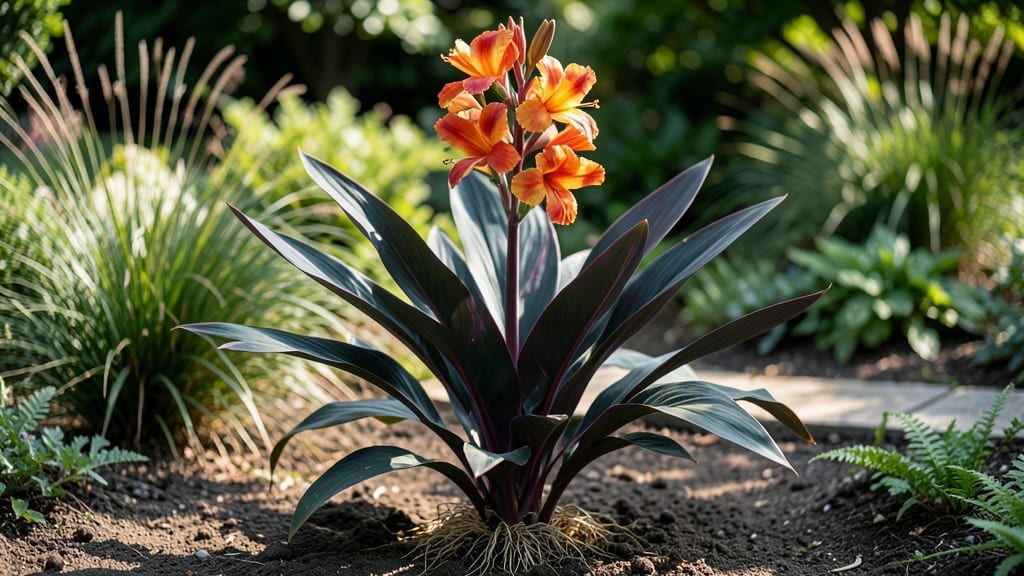
Your garden just got a bold statement piece—dark leaf canna lilies thrive where most plants fail, transforming shady corners into lush, tropical escapes. 🌿 I’ve grown them for years in my high-humidity zone, and they’ve never disappointed, even in spots with just 4-6 hours of filtered light daily.
The deep burgundy foliage contrasts stunningly with bright blooms, and their size makes them perfect for focal points or mass planting near ponds or patios.
These plants love rich, moist soil—think compost-amended garden beds or large containers with good drainage. They’re heavy feeders, so mix in a balanced fertilizer (10-10-10) at planting and again mid-season. Water consistently; let the top inch dry out between waterings, but never let them wilt.
In humid climates like mine, they handle heat better than most tropicals, but mulch helps retain moisture and keeps roots cool.
Propagate by dividing tubers in early spring—simply slice through the center with a clean knife, ensuring each piece has at least one eye (growth node). Plant them 2-3 inches deep in well-draining soil, and you’ll see shoots emerge within 2-3 weeks.
The real payoff? Fewer pests than other tropicals, though watch for spider mites in dry spells—just hose them off with water.
Design tip: Pair dark leaf cannas with silver foliage plants (like dusty miller) or bright blooms (like impatiens) to make them pop. They’re ideal for rain gardens, shaded borders, or container gardens where other plants struggle.
With minimal care, you’ll have a year-round tropical vibe—even after the blooms fade, the foliage stays striking until frost.
📚 In This Guide
- What you need
- Instructions
- Tips and common mistakes
- Wrapping up and next steps
What you need
- ● Dark leaf canna lily tubers: 3–5 healthy tubers (size: 2–3 inches in diameter) per plant. Choose firm, blemish-free tubers with visible growth buds.
- ● Well-draining potting mix: 5–10 gallons (depending on container size). Use a blend of peat moss, perlite, and compost (ratio: 40% peat, 30% perlite, 30% compost) for optimal aeration.
- ○ Containers (optional but recommended): For in-ground planting: Ensure soil is rich in organic matter and has a pH of 6.0–7.0.
- ● For containers: Use pots with drainage holes, 18–24 inches in diameter (one tuber per 2 gallons of soil).
- ● Slow-release fertilizer: 1–2 cups of balanced 10-10-10 or 20-20-20 granules per 5 gallons of soil. Apply at planting time.
- ● Mulch: 2–3 inches of pine bark or shredded leaves to retain moisture and suppress weeds.
- ● Watering can or hose with a gentle spray nozzle: For deep watering (1–2 inches per week, more in extreme heat).
- ● Pruning shears: Sharp, sterilized shears for trimming dead foliage or removing affected leaves.
- ● Neem oil: 1–2 tablespoons per gallon of water (for fungal issues like leaf spot or root rot). Spray every 7–10 days as a preventive.
- ● Insecticidal soap: Ready-to-use spray (e.g., Safer® Brand) for aphids, spider mites, or thrips. Apply when pests are first spotted.
- ● Copper fungicide: Liquid formulation (e.g., Bonide Copper Fungicide) for bacterial or fungal outbreaks. Use every 2–3 weeks during humid seasons.
- ● Garden gloves: Nitrile-coated for handling plants and applying treatments safely.
- ● Plastic sheeting or row covers: Lightweight fabric to protect new shoots from slugs or excessive rain if needed.
- ● Soil moisture meter: To monitor water levels and avoid over/under-watering.
- ● Systemic fungicide (e.g., Myclobutanil): For severe fungal threats like anthracnose.
- ● Compost tea: Homemade or store-bought to boost soil microbial activity and plant immunity.
- ● Stakes or cages: For tall varieties (though dark leaf cannas are typically sturdy).
Step-by-Step guide to growing dark leaf canna lilies
Here’s how to cultivate these dramatic tropical plants—where to plant, how to care, and when to expect those showstopping leaves.
🌱 Step 1: Select the Perfect Planting Location
Dark leaf cannas thrive in partial shade to full shade, making them ideal for under trees or on north-facing patios. Choose a spot with 4-6 hours of dappled sunlight—direct sun can scorch their deep purple-black foliage. I always test a location by placing a white sheet of paper where the plant will go; if it stays mostly cool to the touch by midday, it’s perfect.
These plants love humidity, so avoid windy areas. If your climate is dry, group them with other moisture-loving plants like ferns or hostas to create a microclimate. The soil should drain well but retain moisture—amend heavy clay with 2-3 inches of compost to improve aeration. I swear by adding a handful of perlite to the planting hole to prevent waterlogging.
🪴 Step 2: Plant Tubers at the Right Depth and Time
Plant canna tubers in early spring, after the last frost, when soil temperatures reach 65°F or warmer. Dig a hole 2-3 inches deeper than the tuber’s widest point—this ensures stability and encourages strong root growth. Place the tuber with the bud side (small bump) facing upward—this is where the first shoots will emerge.
Space tubers 18-24 inches apart to allow for their broad, dramatic leaves. Cover with 3 inches of soil, then water deeply to settle the roots. Avoid planting too early; cold soil slows growth and can rot tubers. You’ll know you’ve done it right when the first shoots break through the soil 3-4 weeks later—they’ll look like tiny, pointed leaves.
☀️ Step 3: Water and Fertilize for Lush Foliage
Dark leaf cannas need consistent moisture—water when the top 2 inches of soil feel dry. Let the soil dry slightly between waterings to prevent root rot, but never let it get bone-dry. I use a soaker hose to deliver water slowly at the base, avoiding wetting the leaves (which can promote fungal diseases). Mulch with 2-3 inches of shredded bark to retain moisture and keep roots cool.
Feed every 4-6 weeks with a balanced, water-soluble fertilizer (10-10-10) diluted to half strength. Stop fertilizing 6-8 weeks before the first frost to encourage tuber development. You’ll see the difference in leaf size and color within weeks—richer purples and deeper blacks signal happy plants.
✂️ Step 4: Prune and Protect for Long-Term Growth
Deadhead spent flower stalks by cutting them back to the base—this redirects energy to foliage growth. If leaves yellow or brown at the edges, it’s often a sign of overwatering or nutrient deficiency. Trim damaged leaves with clean, sharp pruners, leaving 1-2 inches of healthy stem to prevent disease entry.
In fall, when foliage yellows and dies back, cut stems to 2 inches above the ground. Leave tubers in the soil over winter if your climate is mild (Zone 8+), or dig them up in late fall, store in a cool, dry place (50-60°F), and replant next spring. I’ve had tubers survive winters in containers with just a layer of mulch—worth a try if you’re impatient!
⏰ Step 5: Overwintering and Year-Round Care
If you’re in a colder zone, dig up tubers before the first frost. Brush off soil, let them dry for a day, then store in a paper bag with peat moss in a cool, dark place. Check monthly for rot—discard any tubers that smell sour or feel mushy. In spring, replant when soil warms up.
For year-round growth in warm climates, dark leaf cannas can stay planted if protected from hard freezes. They’ll go dormant in winter but often resprout on their own when temperatures rise. The key is consistent moisture—even in dormancy, tubers need to stay lightly hydrated. You’ll be rewarded with bold, new foliage by late spring, proving they’re worth the effort.
Tips & tricks for growing stunning dark leaf cannas
These tropical beauties reward patience—here’s how to maximize their drama without the guesswork.
Lighting Secret: The 4-6 hours of dappled sunlight in Step 1 is non-negotiable for those signature deep purples. If your spot gets more sun, create shade with a sheer curtain or plant taller neighbors like bamboo to filter light. I’ve seen cannas scorch in just 2 extra hours of direct sun—watch for crispy edges as your warning sign. For extra insurance, test spots with a white sheet as mentioned, but also check at different times of day since morning and afternoon sun intensity varies dramatically.
Soil Science: That 2-3 inches of compost and handful of perlite in Step 1 isn’t just about drainage—it’s about creating a sponge-like environment. Amend your soil with equal parts compost and coarse sand if you have heavy clay. The goal is to mimic their native tropical soils where water clings but doesn’t pool. Pro tip: Mix in a slow-release organic fertilizer like worm castings at planting time for an instant nutrient boost that lasts through the growing season.
Planting Precision: When you’re planting those tubers 2-3 inches deeper in Step 2, think "stable foundation." The extra depth prevents toppling in windy spots and encourages deeper root growth. I’ve found that tubers planted at the correct depth show shoots in just 14-21 days (versus the 3-4 week range) when soil temps stay consistently above 65°F. If your first planting doesn’t sprout within 28 days, gently dig up the tuber to check for rot—sometimes the difference between success and failure comes down to this simple inspection.
Wintering Wisdom: For that cool, dry storage at 50-60°F in Step 5, think "root cellar conditions." A basement with good airflow works perfectly, but avoid refrigerators where humidity fluctuates wildly. I’ve had great success using unheated garages with proper ventilation—just place tubers on wire racks to prevent moisture buildup. The key is consistency: tubers stored in conditions that swing between 40°F and 70°F often develop mold or rot, so monitor your storage space with a thermometer if possible.
Pro Tips for Dark Leaf Canna Lily
- These tropical beauties reward patience—here’s how to maximize their drama without the guesswork.
- Lighting Secret: The 4-6 hours of dappled sunlight in Step 1 is non-negotiable for those signature deep purples. If y...
- Soil Science: That 2-3 inches of compost and handful of perlite in Step 1 isn’t just about drainage—it’s about creati...
Frequently asked questions
Got questions about keeping your dark leaf canna lily thriving? You're not alone! Here are some of the most common concerns—plus expert tips to keep your bold foliage looking its best.
How do I prevent dark leaf canna lilies from getting fungal diseases in humid climates?
Fungal issues like Phytophthora or powdery mildew love humidity, but you can fight back! Ensure your plants have well-draining soil (mix in perlite or compost) and avoid overhead watering. Space plants for airflow, and remove any yellowing leaves promptly. A copper fungicide spray can also be a proactive shield.
Why are my dark leaf canna lily’s leaves turning yellow or brown?
Yellowing often signals overwatering or poor drainage, while brown edges may mean underwatering or salt buildup. Check soil moisture—it should feel damp but not soggy. If your plant is in a pot, flush the soil with water to remove excess salts. Pro tip: Brown spots with black veins? That’s likely a fungal issue—prune affected areas and improve airflow.
Can dark leaf canna lilies survive winter, or do I need to dig them up?
These tropical beauties are not frost-tolerant, so in colder zones (below USDA Zone 8), dig up tubers before the first frost. Store them in dry peat moss or coconut coir in a cool, dark place (like a garage) until spring. In warmer climates, mulch heavily to protect roots, but they’ll still need winter dormancy—reduce watering and let foliage die back naturally.
What pests should I watch for, and how do I treat them?
Keep an eye out for aphids, spider mites, and slugs. For aphids, blast them off with water or use insecticidal soap. Spider mites thrive in dry conditions—boost humidity and wipe leaves with neem oil. Slugs? Set up beer traps or use organic slug bait around the base. Prevention tip: Healthy, well-watered plants are less appealing to pests!
Are there shade-tolerant alternatives if dark leaf canna lilies don’t thrive in my garden?
If your site is too shady or wet, try these drama-queens instead:
- Taro (Colocasia): Glossy, heart-shaped leaves that love humidity.
- Elephant Ear (Alocasia): Bold foliage with similar care needs.
- Hostas: Classic shade lovers (though less tropical).
- Caladiums: Stunning patterned leaves for partial shade.
Wrapping up and next steps
The Dark Leaf Canna Lily is a stunning, low-maintenance plant that brings drama and vibrancy to shady, humid spaces—perfect for gardeners who crave bold foliage without the fuss! 🌿 Whether you're battling pests, preventing diseases, or simply admiring its deep, velvety leaves, this plant proves that shade gardens can be just as thriving (and stylish) as sunny ones.
Ready to elevate your garden? Start by planting one today—or share your newfound love for cannas with fellow plant enthusiasts! 🌟 Your shade garden (and Instagram feed) will thank you.