
Pests and Diseases
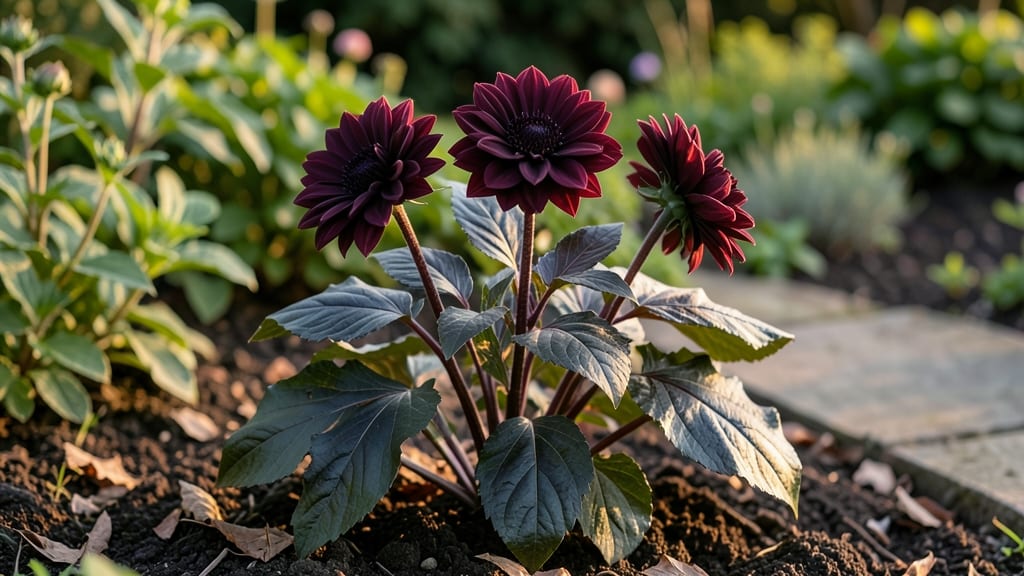
Dark leaf dahlias aren't just about the blooms—their velvety black foliage steals the show. 🌿 I've grown these dramatic plants for years, and the secret to their bold look lies in the right balance of light, soil, and pruning.
Most gardeners focus only on flowers, but the foliage is what makes dark leaf dahlias truly special. The key to keeping those deep purple-black leaves vibrant starts with morning sun and afternoon shade—too much direct sun fades the color.
Well-draining soil mixed with compost keeps roots happy, and consistent watering prevents leaf scorch. Prune aggressively in early spring to encourage bushy growth, and deadhead spent blooms to redirect energy back into those striking leaves.
By mid-summer, your containers will be a living art piece—dark foliage contrasting with bright blooms. The plants grow 3-4 feet tall, making them perfect for mixed containers or as dramatic focal points.
Just watch for powdery mildew in humid climates and act fast with neem oil if you spot it. This variety thrives in zones 8-11, but with proper winter care (like lifting tubers in colder areas), you can enjoy them year after year. Let's get those rich, dramatic leaves growing!
📚 In This Guide
- What you need
- Instructions
- Tips and common mistakes
- Wrapping up and next steps
What you need
- ● Dark Leaf Dahlia Tubers: Quantity: 1-3 tubers per container (depending on pot size)
- ● Specification: Certified disease-free, preferably from a reputable nursery
- ● Containers or Garden Bed: Size: At least 12-18 inches deep and wide (dahlias need room to thrive!)
- ● Material: Terra cotta, fabric, or plastic (ensure drainage holes)
- ● Potting Mix: Type: Well-draining, organic-rich mix (avoid heavy clay)
- ● Quantity: Enough to fill your container 2/3 full
- ● Slow-Release Fertilizer: Type: Balanced 10-10-10 or 5-10-10 (low nitrogen to avoid leafy overgrowth)
- ● Compost or Worm Castings: Quantity: 1 cup per container (boosts soil fertility)
- ● Mulch: Type: Straw or shredded bark (retains moisture and regulates temperature)
- ● Trowel or small shovel
- ● Gloves (to protect your hands from thorns and soil)
- ● Watering can or hose with a gentle spray nozzle
- ● Pruning shears (for trimming and maintenance)
- ○ Stakes or plant supports (optional, for tall varieties)
- ● Epsom salt (for magnesium boosts, 1 tablespoon per gallon of water)
- ● Liquid seaweed fertilizer (for extra vigor)
- ● Dahlia food or tomato fertilizer (high in phosphorus for blooms)
- ● Pest control: Neem oil or insecticidal soap (preventative measure)
- ● Garden twine (for securing stakes)
Step-by-step instructions for growing dark leaf dahlias in containers
Here's how to coax those dramatic, velvety-black leaves into thriving container displays.
🌱 Step 1: Select the Right Container and Prepare Soil
Choose a container at least 12 inches wide and deep—dahlias need room for their tuberous roots. I always opt for terracotta because it breathes and prevents root rot, which is a real risk in plastic pots. Make sure it has drainage holes; if not, drill them yourself. The 12-inch diameter size fits perfectly with the 4 plants you'll grow.
Fill the bottom third with gravel or perlite to improve drainage. Then add a mix of 50% potting soil and 50% compost—this ensures nutrients without being too dense. I press the soil down lightly to remove air pockets, but not so hard that it becomes compacted. The goal is a loose, crumbly texture that roots can easily penetrate.
🌱 Step 2: Plant Tubers at the Correct Depth and Spacing
Dahlias grow from tubers, not seeds, so handle them gently. Place each tuber 2-3 inches deep in the soil, with the "eye" (the small bump where shoots emerge) facing upward. I space mine 6 inches apart in the container—this gives them room to spread without competing for nutrients. If planting multiple tubers in one container, arrange them in a loose circle for balanced growth.
Cover the tubers with soil and water gently but thoroughly. You want the soil to be moist all the way through, but not soggy. The tubers should feel snug but not crowded. I like to add a 1-inch layer of mulch on top to retain moisture and keep roots cool, which prevents premature sprouting.
☀️ Step 3: Position for Bright, Indirect Light and Warmth
Dark leaf dahlias thrive in full sun to partial shade, but they need protection from harsh afternoon rays, especially in hot climates. Place your container where it gets 6-8 hours of morning sun and gentle afternoon light. A spot near a south-facing window works well indoors, while outdoors, a partially shaded patio or balcony is ideal.
Keep the soil consistently moist but never waterlogged. I check the moisture level by sticking my finger 1 inch deep—if it feels dry, it's time to water. Dahlias are sensitive to temperature swings, so avoid placing them in drafty areas or near air conditioning vents. Once the first true leaves appear, you can gradually introduce them to more direct sunlight over 7-10 days to harden them off.
🌿 Step 4: Fertilize and Prune for Lush Foliage
Feed your dahlias every 2-3 weeks with a balanced, water-soluble fertilizer (like 10-10-10) diluted to half strength. I start fertilizing once the plants reach 6 inches tall and continue until early fall. This encourages strong, dark foliage rather than just flowers. Avoid over-fertilizing with nitrogen-heavy mixes—it can make the leaves too soft and less velvety.
Pinch back the first set of true leaves to encourage bushier growth. Once the plant reaches 12 inches tall, trim back the longest stems by one-third to promote branching. This step is crucial for container-grown dahlias—they tend to get leggy without pruning. Remove any weak or yellowing leaves immediately to keep the plant healthy and focused on producing bold, dark foliage.
⏰ Step 5: Overwinter Tubers for Next Year
When frost threatens, cut the stems back to 2 inches above the soil and lift the tubers carefully. Shake off excess soil and let them dry in a cool, dark place for 2-3 days. Store them in a paper bag with dry peat moss or vermiculite in a 40-50°F environment, like a garage or basement. I label each bag with the variety to avoid confusion when replanting.
In early spring, repot the tubers in fresh soil and resume care as before. With proper overwintering, your dahlias will return year after year with even more dramatic foliage. The key is consistency—keep the soil moist, the light bright, and the pruning regular, and you'll have a container full of velvety-black leaves that turn heads all season long.
Tips & tricks for perfect dark leaf dahlias in containers
These simple strategies will help you grow the most dramatic, velvety-black foliage possible in your containers.
Container Selection: While terracotta is ideal for breathability, fiberglass or glazed ceramic containers work too—just confirm they have drainage holes. I've had great success with self-watering containers, which help maintain that critical moisture balance without overwatering. If your container lacks drainage, add a layer of gravel at the bottom and poke holes in the sides for overflow.
Soil Mix Secret: The 50/50 potting soil to compost ratio is perfect, but for even richer foliage, add 10% worm castings to the mix. This boosts microbial activity without altering the texture. I also recommend sifting your soil mix to remove large clumps—this ensures even moisture distribution right from planting. The goal is a texture that crumbles easily between your fingers.
Light Transition Strategy: When hardening off your dahlias after the first true leaves appear, I suggest a gradual approach over those 7-10 days. Start with just 1 hour of direct sun per day, then increase by 30 minutes daily. This prevents sunburn on the delicate new growth while building resilience. Watch for leaves that look slightly reddened—this is your cue to slow down the transition.
Fertilizer Timing: Those 2-3 weeks between feedings are crucial, but timing matters just as much. I fertilize right after watering to prevent root burn from concentrated salts. Also, once your plants hit 12 inches tall, switch to a fertilizer with slightly higher phosphorus (like 5-10-5) to encourage that deep, velvety foliage rather than just flowers. The key is consistency—never skip a feeding once you start.
Pro Tips for Dark Leaf Dahlia
- These simple strategies will help you grow the most dramatic, velvety-black foliage possible in your containers.
- Container Selection: While terracotta is ideal for breathability, fiberglass or glazed ceramic containers work too—just confirm they have drainage holes.
- Soil Mix Secret: The 50/50 potting soil to compost ratio is perfect, but for even richer foliage, add 10% worm castings to the mix.
Frequently asked questions
Got questions about growing dark leaf dahlias? You’re not alone! Here are some of the most common queries—plus quick, actionable answers to keep your bold foliage thriving.
What’s the best way to protect dark leaf dahlias from pests like aphids or spider mites?
Start with prevention: Spray plants with neem oil weekly during warm months. Introduce ladybugs or lacewings for natural pest control. For severe infestations, use insecticidal soap (test on a small leaf first). Prune affected leaves immediately to stop spread. Pro tip: Mulch with straw to deter crawling pests like slugs.
When should I cut back dark leaf dahlias in fall to overwinter them?
Wait until after the first hard frost (when foliage blackens). Cut stems back to 2–3 inches above the soil, then dig up tubers once the ground freezes. Store them in a cool (40–50°F), dry place with minimal light. Label tubers to avoid confusion next spring! Warning: Never store tubers in plastic bags—they’ll rot.
Can I grow dark leaf dahlias in containers, and what size pot do I need?
Use a container at least 12–15 inches deep with drainage holes. One tuber per 6-inch pot works well. Mix potting soil with perlite (50/50) for airflow. Rotate containers weekly for even sunlight. For extra drama, pair with heuchera or coleus in the same pot. Pro tip: Elevate pots to prevent waterlogging.
Why are my dark leaf dahlias’ leaves turning yellow or brown?
Yellowing often signals overwatering or nutrient deficiency. Check soil moisture—dahlias hate soggy roots. Brown edges? It’s likely underwatering or salt buildup from tap water. Flush soil with rainwater and feed with a balanced fertilizer (10-10-10) every 4–6 weeks. Fungal issues? Space plants for airflow and avoid wetting leaves.
Do dark leaf dahlias bloom, or are they purely ornamental?
While their foliage steals the show, many varieties produce small, delicate blooms in late summer/fall (think pink, purple, or white pom-poms). To encourage flowers, deadhead spent blooms and ensure 6+ hours of sunlight daily. Note: Blooms are secondary—prioritize foliage care for that dramatic, velvety look!
Wrapping up and next steps
The Dark Leaf Dahlia isn’t just a plant—it’s a statement piece for your garden or containers, bringing drama and elegance with its deep, velvety foliage. With the right care—well-draining soil, bright light, and consistent moisture—you’ll unlock its full potential, turning heads season after season.
Ready to dive in? Start by gathering your supplies, then plant with confidence—your bold green oasis is just a few steps away! 🌱✨