
Shrubs
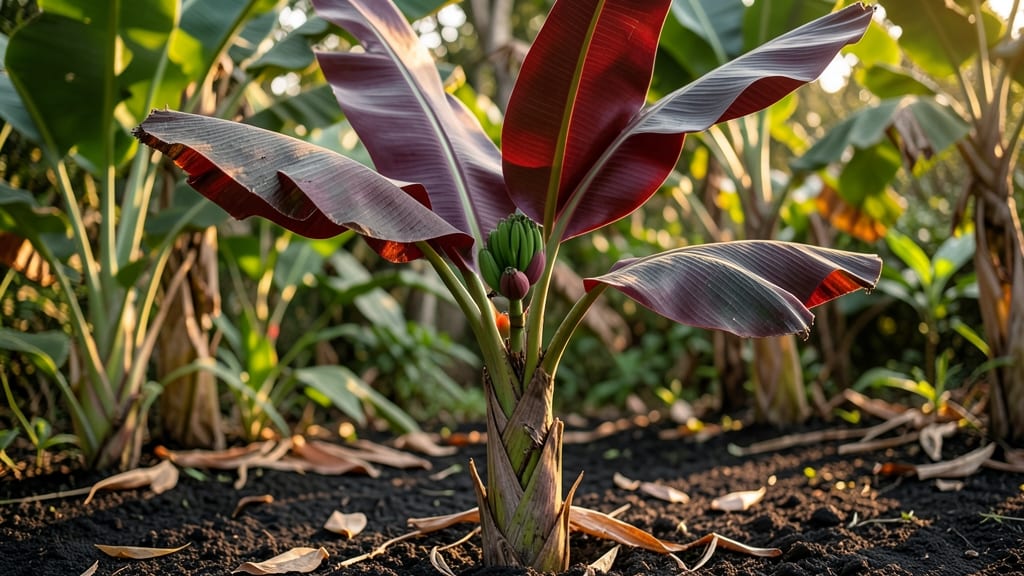
Growing a red banana leaf plant is simpler than you think—even in containers. 🌿 I’ve grown these striking tropical beauties for years, and they thrive with just a few key conditions met.
Their bold burgundy foliage adds drama to any space, whether you’re in a warm climate or a sunny patio. The secret isn’t complicated: these plants love warmth, humidity, and well-draining soil.
You’ll need a large container (at least 10 gallons) for mature plants, and they’ll reward you with lush, colorful growth that’s perfect for both ornamental and edible use. Red banana leaves are stunning in arrangements and even used in cooking!
Once established, they’re low-maintenance—just keep the soil moist but not soggy, and feed them occasionally with a balanced fertilizer. You’ll see new leaves unfurling in just a few months, with the potential for small fruit clusters if you’re lucky. Perfect for tropical gardeners or anyone craving a bold, easy-care plant.
These plants prefer full sun to partial shade, so choose a spot that gets at least 6 hours of sunlight daily. If you’re in a cooler climate, bring them indoors during winter or grow them in a greenhouse.
The soil should be rich and well-draining—think a mix of potting soil and perlite to keep roots happy. For planting, start with a sucker or division rather than seeds, as they can be finicky to germinate.
Space them 2-3 feet apart if planting outdoors, or use a container with drainage holes. Prune dead or yellowing leaves to encourage new growth, and watch your plant transform into a stunning tropical centerpiece.
Harvesting is simple: just snip leaves as needed, leaving at least half the plant intact. The leaves are edible and add a unique flavor to dishes, though they’re often prized more for their beauty.
With the right care, your red banana plant will grow 6-10 feet tall, making it a showstopper in any garden or patio setup.
📚 In This Guide
- What you need
- Instructions
- Tips and common mistakes
- Wrapping up and next steps
What you need
- ● Red banana plant (Musa velutina) – A healthy, mature offset (pups) or a young plant from a nursery (ensure it’s disease-free).
- ● Large container (5+ gallons) – At least 24 inches in diameter with drainage holes. Plastic or fabric grow bags work well.
- ● High-quality potting mix – A blend of 60% peat moss or coconut coir, 20% perlite, and 20% compost for aeration and moisture retention.
- ○ Slow-release fertilizer (optional but recommended) – A balanced 10-10-10 or 14-14-14 formula to kickstart growth.
- ○ Mulch (optional) – Shredded bark or straw to retain moisture and regulate soil temperature.
- ● Gloves – Heavy-duty gardening gloves to protect against thorns.
- ● Trowel or shovel – For planting and soil adjustments.
- ● Watering can or hose with a gentle spray nozzle – Banana plants love moisture but hate soggy roots.
- ● Sunlight access – A spot with 6+ hours of direct sunlight daily (or grow lights for indoor setups).
- ○ Support system (optional) – A bamboo stake or trellis if your variety grows tall.
Step-by-step instructions for growing red banana leaf in containers
Here's how to grow this stunning tropical plant without the fuss—just follow these simple steps.
🌱 Step 1: Choose the Right Container and Soil
Start with a large container at least 12-15 inches deep and 18 inches wide—red banana plants have aggressive roots that need room to spread. I use a fiberglass pot because it won’t crack in heat and drains well, but plastic works too if it has drainage holes. Skip terra cotta unless you live in a mild climate—it dries out too fast.
Fill the bottom third with orchid bark or perlite for drainage. Then add a high-quality potting mix blended with 20% coconut coir—this mimics the airy, moisture-retentive soil of their tropical habitat. Pack it lightly but firmly so the plant has something to grip as it grows. A well-draining mix prevents root rot, which is the #1 killer of container-grown bananas.
☀️ Step 2: Plant and Position for Maximum Sun
Dig a hole in the center of your container twice as wide as the root ball but no deeper. Gently remove your red banana plant from its nursery pot and loosen the roots if they’re circling. Place it so the top of the root ball sits 1 inch below the soil surface—this helps prevent water from pooling around the stem.
Fill the hole with soil and press lightly to remove air pockets. Water deeply until it drains from the bottom, then place your container in a spot with bright, indirect light for the first week. After that, move it to full sun (at least 6-8 hours daily). I keep mine on a south-facing patio where it gets morning sun and afternoon shade—too much direct midday heat can scorch the leaves.
💧 Step 3: Water and Fertilize for Lush Growth
Water when the top 2 inches of soil feel dry—stick your finger in to check. Red bananas love moisture but hate soggy roots, so I water deeply 2-3 times a week in summer and reduce to once a week in winter. Always water at the base to avoid fungal issues on the leaves. You’ll know you’re doing it right when water runs out the drainage holes within 10-15 minutes.
Feed every 4-6 weeks with a balanced liquid fertilizer (10-10-10) diluted to half strength. I switch to a potassium-rich fertilizer (like 5-10-10) in late summer to boost root and leaf health. Stop fertilizing in winter when growth slows. Yellow leaves? You’re overdoing it—flush the soil with water to cleanse the roots.
✂️ Step 4: Prune and Maintain for Year-Round Beauty
Remove any yellow or damaged leaves at the base with clean pruning shears—this keeps energy focused on new growth. If your plant gets leggy (stems stretching toward light), trim the top 1-2 inches to encourage bushier growth. I also pinch off any flower stalks that appear—they sap energy from the leaves. Save those for a separate fruit-bearing banana plant if you want bananas!
Rotate the container a quarter turn weekly so all sides get even light. This prevents the plant from leaning and keeps the leaves symmetrical. In winter, if temperatures drop below 50°F, move it indoors near a sunny window or under grow lights for 12-14 hours daily. Red bananas are tropical and won’t tolerate frost—bring it inside before the first chill.
🌿 Step 5: Harvest and Enjoy Your Tropical Leaves
You can harvest leaves anytime, but wait until they’re fully unfurled and deep red for the best color and texture. Use clean, sharp scissors to cut leaves at the base, leaving a 1-inch stub. Harvest 2-3 outer leaves at a time to avoid stressing the plant—this encourages new growth. I like to use them for wrapping, garnishes, or even as edible plates!
After harvesting, give the plant a light feeding with diluted fertilizer to replenish nutrients. With proper care, your red banana will keep producing lush leaves for years—just keep an eye on root growth and repot every 2-3 years if it outgrows its container. That’s the secret to a thriving tropical harvest, no matter where you live.
Tips & tricks for growing stunning red banana leaves in containers
Here's what nobody tells you about keeping your tropical plant thriving without the guesswork.
Container Size Matters: That 12-15 inch depth isn't just a suggestion—it's critical for those aggressive roots. I've seen people use smaller pots and end up with a plant that looks half-starved. If you're worried about stability, add a tray of gravel underneath your container to anchor it while still allowing drainage. The wider you go (18+ inches), the more leaves you'll get—think of it like giving your plant a bigger bedroom to stretch out in.
Light Transition Secret: The first week's bright indirect light is your plant's adjustment period. Think of it like acclimating to a new climate—too much sun too soon causes shock. I've had plants that looked fine in indirect light but developed brown patches when moved to full sun too quickly. If you're in a very sunny climate, consider a sheer curtain over the container for the first few days to filter the light gently.
Watering Wisdom: Those 10-15 minutes for drainage aren't just about preventing root rot—they're your quality control check. If water pools on top after 15 minutes, you've got compaction issues. Gently loosen the soil surface with a fork every few months to maintain airflow. And here's a trick: use a moisture meter in the soil instead of guessing—it takes the guesswork out of watering and prevents both underwatering and overwatering.
Fertilizer Timing: The 4-6 week feeding schedule is perfect, but timing matters just as much as frequency. I always fertilize right after watering—this gives the roots time to absorb nutrients before the next watering cycle. In late summer, when you switch to potassium-rich fertilizer, do it right before the cooler weather hits. This helps the plant store up energy for winter dormancy. And if you see yellow leaves, don't panic—just flush the soil with water and hold off on fertilizing for a month.
Pro Tips for Red Banana Leaf
- Here's what nobody tells you about keeping your tropical plant thriving without the guesswork.
- Container Size Matters: That 12-15 inch depth isn't just a suggestion—it's critical for those aggressive roots. I've ...
- Light Transition Secret: The first week's bright indirect light is your plant's adjustment period. Think of it like a...
Frequently asked questions
Got questions about growing red banana leaves in containers?
You’re not alone! Here are some of the most common queries—and their easy answers—to help you cultivate this tropical beauty like a pro.
How long does it take for red banana leaves to grow in a container?
Patience is key! With proper care, you’ll start seeing new leaves in 3–6 months, but full growth (including those stunning red-tinged leaves) can take 1–2 years. Container size, sunlight, and soil quality speed up the process—so prioritize a 5+ gallon pot and bright, indirect light.
Can I grow red banana leaves indoors?
Red banana plants thrive indoors as long as you mimic their tropical habitat. Place them near a south- or west-facing window (or under grow lights for 12+ hours/day). Keep humidity high with a pebble tray or humidifier—50%+ is ideal—and avoid drafts. Just watch for yellowing leaves, which often signal low light or overwatering.
What’s the best alternative if red banana leaves are hard to find?
If you’re struggling to source red banana plants (Musa velutina), try these low-maintenance, leafy alternatives:
Check local nurseries or online plant shops for these!
Why are my red banana leaves turning brown or crispy?
Brown edges or crispy leaves usually mean underwatering or low humidity. Water when the top 2 inches of soil feel dry, and mist leaves regularly. If the problem persists, check for:
- Over-fertilizing (burns roots—dilute fertilizer to half-strength).
- Fluoride in tap water (use filtered or rainwater).
- Pests (like spider mites—wipe leaves with neem oil if needed).
Are red banana leaves edible like regular banana leaves?
While some banana varieties (like Musa paradisiaca) are used for cooking, red banana leaves (Musa velutina) are primarily ornamental and not typically eaten. However, if you’re curious, young, tender leaves can be boiled and used like spinach—just ensure they’re pesticide-free! For culinary use, opt for Musa basjoo or Musa acuminata instead.
Wrapping up and next steps
Growing red banana leaf in containers isn’t just rewarding—it’s a vibrant way to bring the tropics to your balcony or patio! With the right soil, sunlight, and care, you’ll soon be harvesting those stunning, edible leaves for cooking or crafts. Remember: patience and consistency are key. 🌱
Ready to dive deeper? Start by experimenting with recipes or sharing your progress with fellow plant enthusiasts. Whether you’re wrapping tamales or admiring your lush foliage, every step is a celebration of nature’s beauty! 🌿 Explore more tropical plants to expand your green thumb skills.