
Planting
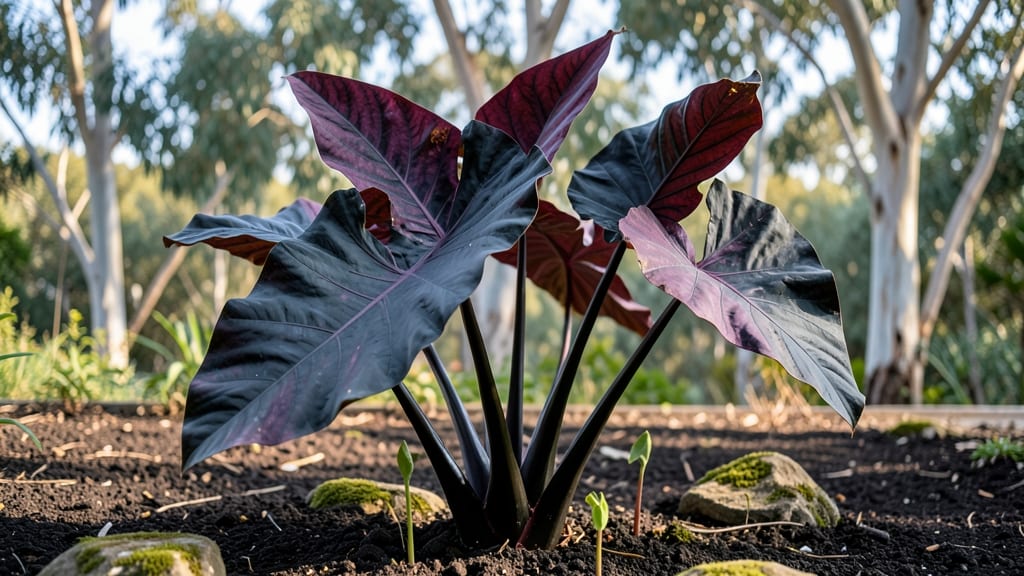
Dark purple leaf plants turn any garden into a moody masterpiece—especially in shady spots where most plants struggle. 💜 I’ve collected five showstopping varieties that thrive where others fade, their deep hues creating drama without needing sunlight.
These aren’t just plants; they’re living art pieces that steal the show in containers, borders, or even as indoor statement plants.
The magic happens when you pair them right. Silver foliage (like dusty miller) makes purple leaves pop, while bright blooms (like white impatiens) add contrast. My favorite combo? Plectranthus coleoides spilling over a pot with Heuchera for texture—it’s like a velvet curtain with a metallic edge.
Even in low light, these plants keep their color, making them perfect for north-facing gardens or under trees.
You’ll love how effortless they are—just keep soil moist and trim back leggy growth in spring. The results? A garden that feels rich, mysterious, and alive, even in the shadiest corner. Let’s dive into the top five and how to style them like a pro.
Bonus: These plants adapt to containers, hanging baskets, or landscape beds, so you can use them anywhere—indoors, on patios, or tucked into garden nooks. The key is playing with height, texture, and color to create visual depth. Ready to transform your space?
📚 In This Guide
- What you need
- Instructions
- Tips and common mistakes
- Wrapping up and next steps
What you need
- ● Dark purple leaf plant: 1–2 healthy nursery-grown plants (e.g., Alocasia ‘Polly’, Coleus ‘Black Dragon’, or Heuchera ‘Plum Pudding’).
- ● Well-draining potting mix: 2–3 gallons (for containers) or amend garden soil with 20% perlite or orchid bark for optimal drainage.
- ○ Container (optional): 12–16-inch pot with drainage holes (if not planting directly in the ground).
- ● Slow-release fertilizer: 1–2 tbsp of balanced 10-10-10 or organic options like worm castings.
- ● Mulch: 1–2 inches of shredded bark or pine needles to retain moisture.
- ● Garden trowel or small shovel for planting.
- ○ Gloves (optional but recommended for handling soil/roots).
- ● Watering can or hose with gentle spray nozzle (avoid over-saturating leaves).
- ○ Sunlight meter or app (optional) to confirm low to medium indirect light (6–8 hours/day).
- ● Pruning shears (for trimming leggy growth later).
- ● Humidity tray (if indoors or in dry climates).
- ● Liquid seaweed fertilizer (monthly boost for vibrant foliage).
- ● Decorative stones or moss to enhance the shade garden aesthetic.
How to grow and care for dark purple leaf plants in shade
Here’s how to bring bold, velvety foliage into your garden—even in shady spots.
🌱 Step 1: Choose the Right Dark Purple Leaf Variety
Start with shade-tolerant plants like heuchera (coral bells), coleus, or purple leaf astilbe. These thrive in low light while keeping their deep purple hues. I always pick varieties labeled "shade-loving" to avoid disappointment—some purple-leaved plants need bright light to maintain their color intensity.
Check the plant tag for terms like "foliage plant" or "ornamental leaf" to ensure you’re getting a true purple-leaf variety. Avoid variegated types if you want solid color—they often lose their contrast in shade. For example, Heuchera 'Plum Pudding' holds its rich purple tones beautifully in partial shade.
🪴 Step 2: Prepare the Planting Site
Choose a spot with dappled shade to partial shade—at least 4-6 hours of indirect light daily. Too much direct sun can bleach the purple leaves, while deep shade may cause them to lose their vibrancy. I test spots by placing a white board in the garden for a week to track how much light hits it.
Amend the soil with 2-3 inches of compost to improve drainage and fertility. Dark purple leaf plants prefer well-draining, slightly acidic soil (pH 6.0-6.5). If your soil is heavy clay, mix in 1 part perlite to 3 parts soil to prevent root rot. Work the amendments into the top 6-8 inches of soil before planting.
☀️ Step 3: Plant with Proper Spacing and Light Exposure
Dig a hole twice as wide as the plant’s root ball but only as deep. This encourages roots to spread horizontally, which helps stabilize the plant in shady conditions. Gently remove the plant from its container and loosen any circling roots with your fingers—this prevents root bound issues.
Space plants 12-18 inches apart to allow airflow and prevent fungal diseases. Place them where they’ll get morning sun and afternoon shade—this balance keeps the leaves vibrant without scorching. Water deeply after planting to settle the soil and eliminate air pockets around the roots.
💧 Step 4: Water and Fertilize for Vibrant Foliage
Water once a week during the first growing season, aiming for 1 inch of water per week. Let the top 2 inches of soil dry out between waterings to avoid soggy roots. I use a rain gauge to track moisture—overwatering is the fastest way to kill shade plants.
Feed plants with a balanced, slow-release fertilizer (10-10-10) in early spring. Avoid high-nitrogen fertilizers, which promote leafy growth at the expense of color. Instead, use a foliar feed like fish emulsion every 4-6 weeks to maintain rich purple tones. Mulch with 2-3 inches of shredded bark to retain moisture and regulate soil temperature.
✂️ Step 5: Prune and Maintain for Year-Round Color
Deadhead spent flowers in early summer to redirect energy into foliage growth. Snip back leggy stems by one-third in late winter to encourage bushier, more compact plants. I always prune with clean, sharp shears to avoid tearing leaves or spreading disease.
Watch for yellowing leaves—a sign of overwatering or nutrient deficiency. If leaves lose their purple hue, move the plant to a slightly sunnier spot. Divide clumps every 2-3 years in early spring to rejuvenate plants and prevent overcrowding. This keeps them looking fresh and vibrant for years.
Tips & tricks for perfect dark purple leaf plant care
Transforming shady spots into vibrant displays of purple foliage takes just a few strategic adjustments—here's what I've learned after years of growing these stunning plants.
Variety Selection: When choosing your dark purple leaf plants, look for labels that specifically mention "deep purple foliage" rather than just "purple leaves." For example, Heuchera 'Palace Purple' maintains its rich color even in deeper shade, while some varieties labeled "purple" actually have more pink or burgundy tones that fade quickly. I always cross-reference plant tags with online reviews to verify shade performance before purchasing.
Light Exposure Strategy: The 4-6 hours of indirect light mentioned in Step 2 is your sweet spot—think of it as morning sunlight followed by afternoon shade. If your garden only gets 3 hours of light, position your plants where they'll receive the brightest part of that window. I've found that east-facing locations often work best for maintaining vibrant purple hues since they avoid the harsh afternoon sun that can bleach the color.
Soil pH Secret: While the instructions mention slightly acidic soil (pH 6.0-6.5), I've discovered that these plants actually tolerate a slightly wider range—down to pH 5.5—without losing their color intensity. Test your soil before amending, and if it's naturally alkaline, consider using peat moss in your compost mix to help maintain that ideal acidic range. The key is consistency: sudden pH changes can stress the plants and cause leaf discoloration.
Mulching Technique: The 2-3 inches of shredded bark mulch serves multiple purposes beyond moisture retention. It also helps regulate soil temperature, which is crucial for maintaining vibrant purple foliage. I like to add a fresh layer of mulch every spring after pruning, making sure to pull it back slightly from the plant stems to prevent rot. This simple step has dramatically improved the winter hardiness of my shade plants.
Pro Tips for Dark Purple Leaf Plant
- Transforming shady spots into vibrant displays of purple foliage takes just a few strategic adjustments—here's what I've learned after years of growing these stunning plants.
- Variety Selection: When choosing your dark purple leaf plants, look for labels that specifically mention "deep purple foliage" rather than just "purple leaves."
- Light Exposure Strategy: The 4-6 hours of indirect light mentioned in Step 2 is your sweet spot—think of it as morning sunlight followed by afternoon shade.
Frequently asked questions
Got questions about your dark purple leaf plant? You’re not alone! Here are some of the most common concerns—plus quick, practical answers to keep your striking foliage thriving.
What’s the best light for dark purple leaf plants?
These plants love shade but still need bright, indirect light to maintain their deep purple hues. A north-facing window or dappled sunlight works best. Avoid harsh direct sun, which can scorch leaves, or deep, dark corners, which may cause leggy growth. Pro tip: Rotate your plant occasionally for even exposure!
How often should I water a dark purple leaf plant?
Water when the top 1–2 inches of soil feel dry—usually every 1–2 weeks, depending on humidity and pot size. Overwatering is the #1 killer! Ensure pots have drainage holes, and avoid soggy soil. Yellowing leaves? That’s often a sign of overwatering or poor drainage. Let it dry out between waterings in winter.
Why are my dark purple leaves turning green?
This usually means your plant isn’t getting enough light. Move it to a brighter spot (but still shaded) and watch the color return in 2–4 weeks. If the green is paired with weak growth, it might also need balanced fertilizer (like a 10-10-10 mix) during spring/summer. Fun fact: Some varieties naturally lighten in low light!
Can I grow dark purple leaf plants indoors year-round?
They’re perfect for indoor shade gardens—just mimic their natural habitat. Keep temps between 60–75°F, increase humidity with a pebble tray, and dust leaves regularly to boost photosynthesis. Winter tip: Reduce watering and avoid cold drafts near windows or vents.
What are some low-maintenance alternatives to dark purple leaf plants?
If you want bold foliage with less fuss, try:
- Black Mondo Grass (Ophiopogon planiscapus 'Nigrescens') – Nearly black leaves, drought-tolerant.
- Purple Heart (Tradescantia pallida) – Trailing purple stems, thrives in shade.
- Heuchera (Coral Bells) – Vibrant purple leaves, cold-hardy, and deer-resistant.
- Fittonia (Nerve Plant) – Deep purple veins, loves humidity.
All of these handle shade well and add drama to your garden!
Wrapping up and next steps
Adding a dark purple leaf plant to your shade garden is a game-changer—it brings bold drama, easy-care charm, and year-round interest with minimal fuss! 🌿 Whether you choose the Heuchera, Alocasia, or Plectranthus, these plants prove that shade doesn’t mean boring.
Now that you’re armed with the right knowledge, why not take the next step? Start small with a single pot or dive in by sketching a stunning shade garden layout—your future foliage will thank you!
Pro tip: 💡 Snap a photo of your favorite dark purple leaf plant for inspiration, then head to your local nursery to bring it home! Happy planting! 🌱