
Plants
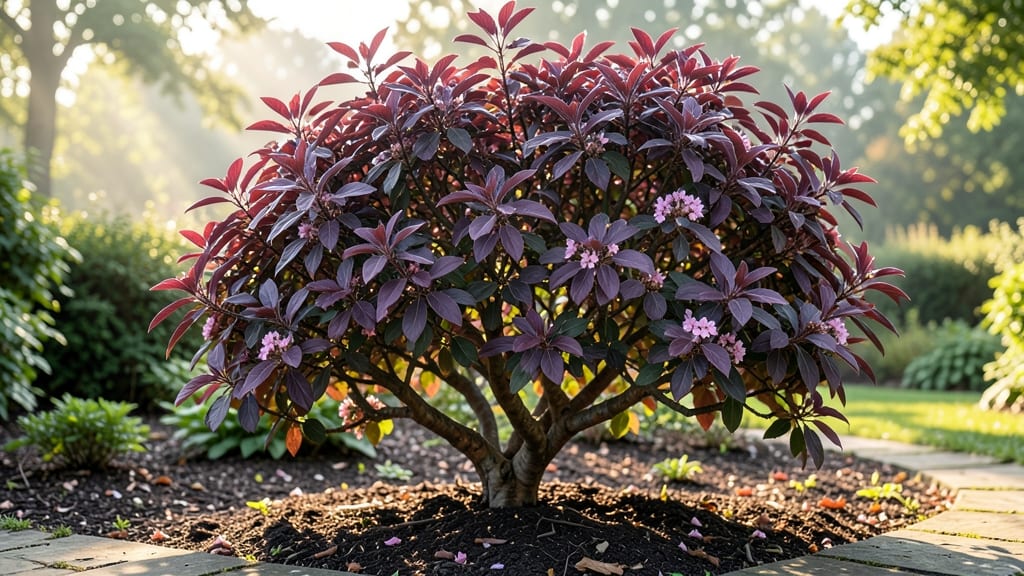
Purple leaf plants turn ordinary gardens into showstoppers with their striking foliage that demands attention. 🌿 I remember the first time I planted a Purple Leaf Plum—my neighbors stopped mid-conversation to ask what it was.
That deep burgundy hue doesn't just look bold; it transforms any space into a vibrant focal point, whether you're working with a small patio or a sprawling backyard.
These plants aren't just pretty—they're versatile. Purple Heart's trailing vines spill dramatically over containers, while Coleus offers a rainbow of purple-tinged leaves perfect for adding texture to borders. The key to making them shine?
Pair them with silver foliage plants like lamb's ear or dusty miller—their contrasting colors create a dramatic visual pop that's impossible to ignore.
Imagine your garden in late summer when the purple leaves glow against goldenrod blooms or soft white flowers. The effect is like a living painting, and the best part? These plants thrive in partial shade to full sun, making them perfect for spots where other plants might struggle.
They'll even work in containers on patios or balconies if you choose compact varieties.
For maximum impact, group them with plants that have different leaf textures—think spiky yuccas or velvety hostas. The contrast makes the purple foliage stand out even more.
Whether you're designing a modern urban garden or a traditional cottage-style yard, purple leaf plants bring that wow factor that makes people pause and notice.
📚 In This Guide
- What you need
- Instructions
- Tips and common mistakes
- Wrapping up and next steps
What you need
- ● Purple Leaf Plant: Choose from popular varieties like Purple Smoke Bush (Cotinus coggygria), Purple Leaf Plum (Prunus cerasifera 'Atropurpurea'), or Purple Leaf Japanese Maple (Acer palmatum 'Atropurpureum'). Buy a 1-3 gallon container plant from a nursery.
- ● Well-draining soil: A mix of 50% garden soil, 30% compost, and 20% perlite or sand (for containers). For poor soil, amend with organic matter.
- ● Sunlight access: 6+ hours of direct sun daily (varies by variety—check tags!).
- ● Garden trowel or shovel (for transplanting).
- ● Gloves (to protect your hands from thorns or rough bark).
- ● Watering can or hose with a gentle spray nozzle (overwatering is a common pitfall!).
- ○ Mulch (optional but recommended): 2-3 inches of shredded bark or wood chips to retain moisture and suppress weeds.
- ● Container (if potted): A 10-15 gallon pot with drainage holes (for dwarf varieties, a 5-gallon pot suffices).
- ○ Fertilizer (optional): A balanced, slow-release granular fertilizer (10-10-10) or organic compost tea for a nutrient boost.
- ● 🌡️ Check soil moisture: Stick your finger 1-2 inches deep—water only if dry.
- ● ✨ Prune in late winter: Use clean, sharp pruning shears to shape and encourage bushier growth.
- ● 🔥 Watch for pests: Keep an eye out for aphids or spider mites—neem oil spray helps if needed!
How to grow and maintain stunning purple leaf plants
Here's how to cultivate vibrant purple foliage that becomes the centerpiece of any garden or container display.
🌱 Step 1: Select the Right Purple Leaf Variety for Your Climate
Purple leaf plants thrive in full sun to partial shade, but the intensity of their color depends on light exposure. For boldest purple hues, choose purple leaf plum (Prunus cerasifera) or purple smoke bush (Cotinus coggygria). These varieties handle heat and humidity well, making them ideal for USDA zones 5-9.
If you're in a cooler climate, opt for purple leaf sand cherry (Prunus x cistena), which tolerates down to zone 4. I always verify the specific cultivar's hardiness range—some purple leaf plants struggle in extreme cold or heavy frost. Start with established nursery plants rather than seeds, as they mature faster and display the expected color intensity.
☀️ Step 2: Plant in Well-Draining Soil with Full Sun Exposure
Purple leaf plants demand full sun (6+ hours daily) for their signature color to develop fully. Amend native soil with 3 inches of compost and a handful of slow-release fertilizer before planting to ensure nutrient availability. These plants tolerate various soil types but perform best in loamy, slightly acidic soil (pH 6.0-7.0).
Dig a hole twice as wide as the root ball but only as deep. Place the plant so the top of the root ball sits 1 inch above ground level—this prevents waterlogging. Backfill with native soil mixed with compost, then water deeply to eliminate air pockets. You'll notice the foliage darkens within weeks when planted in optimal light conditions.
💧 Step 3: Water Deeply but Infrequently to Encourage Strong Roots
Purple leaf plants are drought-tolerant once established, but young plants need 1-2 inches of water weekly during the first growing season. Water deeply at the base, avoiding overhead irrigation to prevent fungal diseases like powdery mildew. Let the top 2 inches of soil dry out between waterings—this encourages deep root growth.
Overwatering is the biggest mistake I see—it leads to root rot and weakens the plant's vibrant color. Mulch with 2-3 inches of shredded bark around the base (keeping it 3 inches away from the trunk) to retain moisture and regulate soil temperature. In containers, ensure pots have drainage holes and never let plants sit in saucers of standing water.
✂️ Step 4: Prune Strategically to Maintain Shape and Color
Prune purple leaf plants in early spring before new growth begins to shape the plant and encourage dense foliage. Remove 1/3 of the oldest stems at the base to stimulate fresh, vibrant growth. Cut back any dead, diseased, or crossing branches with clean, sharp pruners—this prevents unsightly scars and disease spread.
For container-grown plants, prune lightly after flowering to maintain compact size. Never prune in fall—this stimulates tender new growth that won't harden off before winter. You'll see new purple foliage emerge within 4-6 weeks of spring pruning, signaling successful revitalization.
🌿 Step 5: Fertilize and Monitor for Pests Year-Round
Apply a balanced, slow-release fertilizer (10-10-10) in early spring and again in mid-summer to support vibrant growth. Avoid high-nitrogen fertilizers—they promote leafy growth at the expense of purple color intensity. I prefer organic options like composted manure or fish emulsion for consistent, natural nutrition.
Watch for aphids, spider mites, or scale insects, which can weaken purple leaf plants. Treat infestations immediately with neem oil spray or insecticidal soap—these plants are relatively pest-resistant but still require vigilance. If leaves start losing their purple hue, it may indicate nutrient deficiency (especially phosphorus) or overwatering. Adjust care accordingly to restore their striking appearance.
Tips & tricks for perfect purple leaf plant care
Here's what nobody tells you about keeping those stunning purple leaves vibrant year after year.
Light Exposure Secret: The 6+ hours of daily sunlight is non-negotiable for that signature purple hue, but here's the trick: morning sun is gentler than afternoon heat. If you're in a hot climate, provide afternoon shade during peak summer months to prevent leaf scorch. I've seen purple leaf plums lose their color when exposed to relentless afternoon sun—it's like they get sunburned from within.
Soil Preparation Game-Changer: Before planting, mix 3 inches of compost and a handful of slow-release fertilizer into your native soil. This isn't just about nutrients—it's about creating the perfect loamy texture that purple leaf plants crave. I always do a simple pH test (aim for 6.0-7.0) because alkaline soils can dull that vibrant purple color. A quick soil test kit from your local garden center solves this mystery.
Pruning Timing That Works: That early spring pruning before new growth begins is your secret weapon. I've learned the hard way that cutting back too late in spring can stimulate tender growth that gets nipped by late frosts. For container plants, a light pruning after flowering keeps them compact—just don't cut into old wood, or you'll get sparse regrowth. The 4-6 week window for new foliage to emerge is your reward for patience.
Fertilizer Faux Pas: Never use high-nitrogen fertilizers—they'll give you lush green growth instead of that dramatic purple. The 10-10-10 balanced formula in spring and mid-summer is perfect, but here's my pro tip: split that mid-summer application into two smaller doses. This prevents phosphorus buildup, which can actually intensify the purple color while supporting overall health. Think of it as a color-enhancing boost!
Pro Tips for Purple Leaf Plant
- Here's what nobody tells you about keeping those stunning purple leaves vibrant year after year.
- Light Exposure Secret: The 6+ hours of daily sunlight is non-negotiable for that signature purple hue, but here's the...
- Soil Preparation Game-Changer: Before planting, mix 3 inches of compost and a handful of slow-release fertilizer into...
Frequently asked questions
Got questions about growing and caring for purple leaf plants? You’re not alone! Here are some of the most common queries—plus straightforward answers to help you keep your foliage vibrant and thriving.
What’s the best sunlight exposure for purple leaf plants?
Most purple leaf varieties—like purple leaf plum or purple smoke bush—thrive in full sun (6+ hours daily). However, in scorching climates, morning sun + afternoon shade prevents leaf scorch. Watch for color fading if light is insufficient; deeper purples often mean sunnier spots!
How often should I water a purple leaf plant?
Water when the top 1–2 inches of soil are dry (usually 1–2 times per week, depending on heat/humidity). Overwatering causes root rot, so ensure pots have drainage holes. Pro tip: Mulch around the base to retain moisture and regulate soil temp!
Are purple leaf plants cold-hardy? What zones do they tolerate?
Hardiness varies by type:
- Purple leaf plum (Prunus cerasifera): Zones 5–9 (tolerates down to -15°F).
- Purple smoke bush (Cotinus coggygria): Zones 3–8 (survives -30°F).
- Purple leaf sand cherry (Prunus x cistena): Zones 4–8.
Why are my purple leaves turning green or dull?
Color loss usually signals too much shade, over-fertilizing (especially with high nitrogen), or stress. Try moving to a sunnier spot and prune back leggy growth to encourage denser, brighter foliage. Yellowing leaves may also mean iron deficiency—test soil and amend with chelated iron if needed.
Can I grow purple leaf plants in containers? What’s the best soil mix?
Use a well-draining potting mix (50% premium soil, 30% perlite/pumice, 20% compost). Add slow-release fertilizer at planting time. Containers dry faster, so monitor soil moisture closely. Bonus: Dwarf varieties like ‘Newport’ purple plum are perfect for pots!
Wrapping up and next steps
Adding a purple leaf plant to your garden is a game-changer—it’s easy, stunning, and packed with versatility! Whether you’re drawn to the deep hues of Purple Smoke or the vibrant Purple Heart, these plants bring drama and low-maintenance beauty to any space. 🌿✨
Now that you’re armed with care tips and answers to common questions, take the next step! Start small with a single plant or go bold with a full purple-themed garden bed. Watch your outdoor (or indoor) oasis transform—and enjoy the compliments! 🌸