
Pests
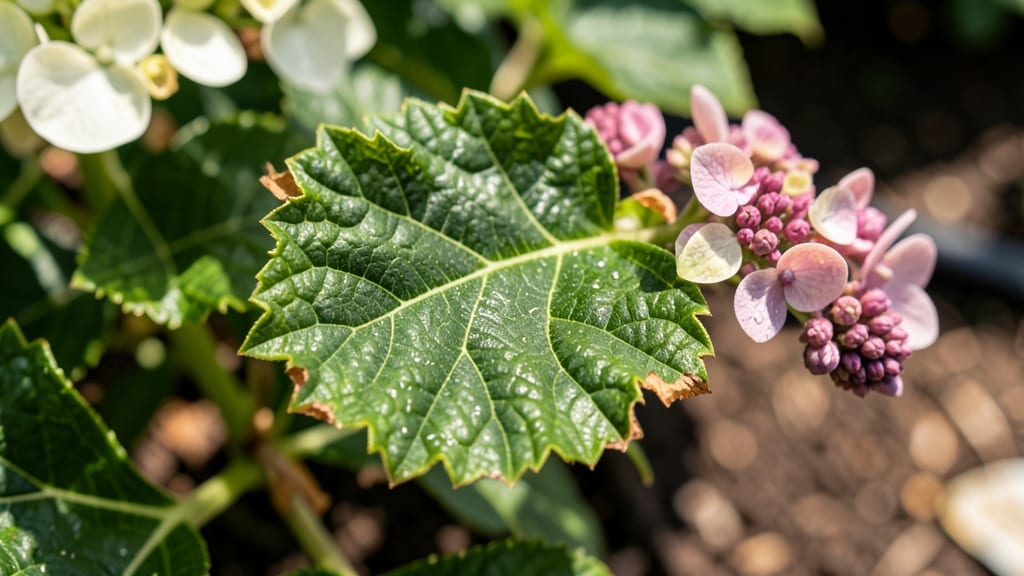
Deer rarely eat oakleaf hydrangea because its thick, leathery leaves and natural tannins make it unappealing, though deer may nibble young growth or flowers during harsh winters when food is limited.
Oakleaf hydrangeas have evolved tough, waxy leaves that resist deer grazing, thanks to their high tannin content—a natural deterrent. 🌿 However, deer are opportunistic feeders, so they may still target tender new shoots or blooms if other food sources are depleted.
In drought conditions or late winter, these plants become more vulnerable, making proactive protection essential for preserving their beauty.
To safeguard your hydrangeas, consider planting deer-resistant companions like boxwood or lavender nearby, which can mask the scent of your prized shrubs. Physical barriers like fencing or netting also work well, while commercial repellents containing garlic or rotten egg smells can deter deer effectively.
Regular pruning to remove damaged foliage helps maintain the plant’s health and makes it less appealing to browsers.
💡 In This Article
- Why Oakleaf Hydrangeas Deter Deer (And When They Might Still Be Eaten)
- Protecting Oakleaf Hydrangeas: Natural and Physical Deer-Resistant Strategies
Why oakleaf hydrangeas deter deer (and when they might still be eaten)
Oakleaf hydrangeas (Hydrangea quercifolia) have evolved a natural defense system that makes them less appealing to deer. Their thick, leathery leaves contain high levels of tannins—bitter, astringent compounds that deter herbivores.
These tannins create a mild toxicity that deer instinctively avoid, similar to how they shun plants like rhododendrons or boxwoods. The leaves also have a waxy, slightly rough texture that makes chewing difficult, unlike softer plants like hostas or daylilies.
However, deer aren’t completely deterred. Young shoots and fresh flowers are more tender and less protected by tannins, making them vulnerable targets—especially in late winter or early spring when deer are desperate for nutrition after harsh weather.
Drought-stressed plants also become more attractive because their leaves lose some of their toughness and chemical defenses. 🌱 During these times, deer may browse oakleaf hydrangeas if preferred food sources like clover or apple trees are unavailable.
The timing of new growth matters too. Deer are most likely to nibble on spring shoots (typically appearing in April-May in most climates) because these are the most tender parts of the plant.
Mature leaves, with their thick cuticles and tannin content, remain unappealing year-round. This seasonal pattern explains why some gardeners notice damage only in early spring, while others see no issues at all.
Deer behavior also plays a role. These animals have a strong preference for plants with high moisture content and low fiber, which oakleaf hydrangeas don’t offer. The plant’s 5-7 lobed leaves (resembling oak leaves) and upright growth habit make it less accessible than low-lying ground covers.
Studies show deer spend 80% of their grazing time on plants under 3 feet tall, and oakleaf hydrangeas typically grow 6-8 feet at maturity.
There’s a scientific reason behind this resistance: oakleaf hydrangeas contain hydrangeic acid, a compound that can cause mild digestive upset in deer. While not lethal, this chemical acts as a natural repellent, similar to how black walnut trees deter browsing through juglone production.
The combination of tannins, hydrangeic acid, and leaf texture creates a multi-layered defense system that most deer avoid—unless desperate.
What this means for gardeners is that oakleaf hydrangeas are naturally deer-resistant under normal conditions, but not invincible. The key is understanding when and why deer might target them, allowing you to take preventive measures during high-risk periods. 🌿