
Shrubs
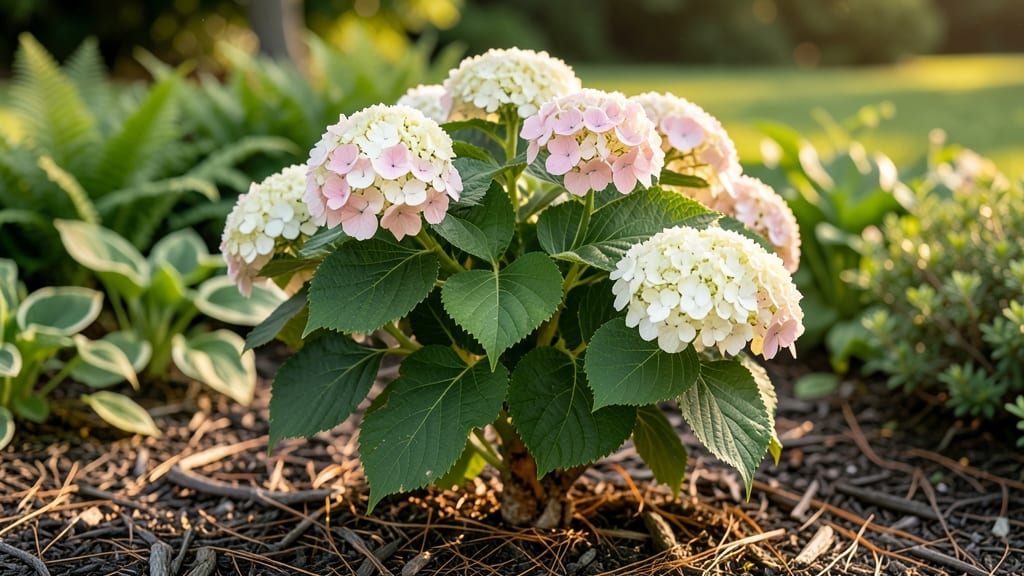
Growing a dwarf oakleaf hydrangea 🌸 means unlocking a shrub that bursts with color and thrives with minimal fuss—but only if you prune it the right way.
Picture this: your 3-foot-tall beauty, packed with vibrant blooms, standing proudly in your garden for years. But skip the pruning secrets, and you’ll end up with a leggy mess that never quite lives up to its potential.
This guide reveals the exact timing, cuts, and techniques to keep your hydrangea compact, blooming, and healthy—no guesswork required.
From late-winter prep to summer shaping, you’ll learn how to avoid common mistakes, choose the right tools, and turn pruning into a game-changer for your garden’s curb appeal.
When and how to prune dwarf oakleaf hydrangea for maximum blooms
The dwarf oakleaf hydrangea thrives when you prune it with purpose—timing and technique make all the difference. Unlike its larger cousins, this compact shrub blooms on old wood, meaning last year’s growth produces this year’s stunning fall foliage and flowers.
Prune at the wrong time, and you risk sacrificing those breathtaking rose-like blooms and lush leaves. Let’s unlock the secrets to keeping your hydrangea dense, vibrant, and perfectly proportioned.
Pruning isn’t just about cutting back—it’s about encouraging new growth while preserving the natural shape of your dwarf oakleaf. The key lies in understanding its growth cycle and seasonal needs.
Whether you’re a seasoned gardener or just starting, these steps will ensure your hydrangea stays compact, healthy, and blooming for years to come.
- 1 Timing is everything: Prune your dwarf oakleaf hydrangea in late winter (just before buds swell) or early spring (before new growth starts). Avoid pruning in fall or winter, as this can damage dormant buds and reduce next year’s blooms.
- 2 Remove dead or damaged wood: Start by cutting out any dead, diseased, or crossing branches at the base. Use clean, sharp pruners to make 45-degree cuts just above a bud or node. This keeps the plant airflow-friendly and disease-free.
- 3 Shape for density: Lightly trim overly long stems to encourage a fuller, bushier shape. Focus on the outer edges to maintain a rounded form. Avoid cutting back more than 1/3 of the plant in one season to prevent stress.
- 4 Clean up after pruning: Remove all clippings and debris from the area to prevent pests and diseases. Sterilize your pruners with rubbing alcohol or a 10% bleach solution before and after pruning to avoid spreading pathogens.
- 5 Post-pruning care: Water deeply after pruning to help the plant recover. Apply a layer of mulch around the base to retain moisture and protect roots. Avoid fertilizing immediately after pruning—wait until new growth appears in spring.
If your dwarf oakleaf hydrangea has become overgrown or leggy, don’t panic. You can revive it gradually by pruning in stages over 2-3 years. Start by removing the oldest stems first, then work on shaping the younger growth.
This gentle approach prevents shock and keeps your plant happy and blooming.
For maximum blooms, focus on balanced pruning—cutting back just enough to encourage new growth without sacrificing next year’s flowers. The dwarf oakleaf hydrangea is forgiving, but consistency is key. Stick to this timing and technique, and you’ll enjoy vibrant foliage and abundant blooms season after season.
Pro tip: Take before-and-after photos of your pruning sessions. It’s amazing how much difference strategic cuts can make in just a few months! Your hydrangea will thank you with lush, healthy growth and show-stopping flowers.
Remember, the goal is to enhance, not destroy. With the right pruning habits, your dwarf oakleaf hydrangea will stay compact, beautiful, and full of life for years to come. Happy pruning! ✂️🌿🌸
Common pruning mistakes that stunt growth and how to fix them
Your dwarf oakleaf hydrangea might look leggy or sparse because of pruning mistakes. Over-trimming or cutting at the wrong time can stress the plant and reduce its stunning fall foliage and summer blooms.
Even well-meaning gardeners often make these errors, but knowing how to fix them can revive your shrub in no time.
One of the most common mistakes is pruning too late in the season. If you wait until after June, you risk cutting off next year’s flower buds, which form on new growth.
Oakleaf hydrangeas bloom on both old and new wood, but aggressive late cuts can still leave your plant looking bare for months.
Another frequent error is removing too many branches at once. This can shock the plant and lead to stunted growth or even dieback. Always aim to remove no more than 1/3 of the plant’s total volume in a single session to avoid stressing the shrub beyond recovery.
⚠️ WARNING: These Pruning Mistakes Can Ruin Your Hydrangea ⚠️
⚠️ Wrong Timing – Pruning after mid-summer risks removing next year’s blooms. Fix: Stick to late winter or early spring for best results.
⚠️ Aggressive Cuts – Making jagged or uneven cuts can expose the plant to disease. Fix: Always use clean, sharp shears and cut at a 45-degree angle just above a bud or node.
If your hydrangea has already suffered from over-pruning, don’t panic. Start by watering deeply and applying a balanced fertilizer (like 10-10-10) to encourage new growth. Avoid heavy pruning for at least one full growing season to let the plant recover its natural shape.
For wrong timing mistakes, focus on light shaping pruning in early spring. Remove only the oldest, woodiest stems to make room for new growth. This encourages a fuller, bushier appearance without sacrificing next year’s blooms.
Finally, if your cuts were too aggressive, sterilize your tools and make clean cuts at the base of damaged branches. This helps prevent disease spread and gives your hydrangea a fresh start. With patience and proper care, your dwarf oakleaf hydrangea will bounce back stronger than ever.