
Pests and Diseases
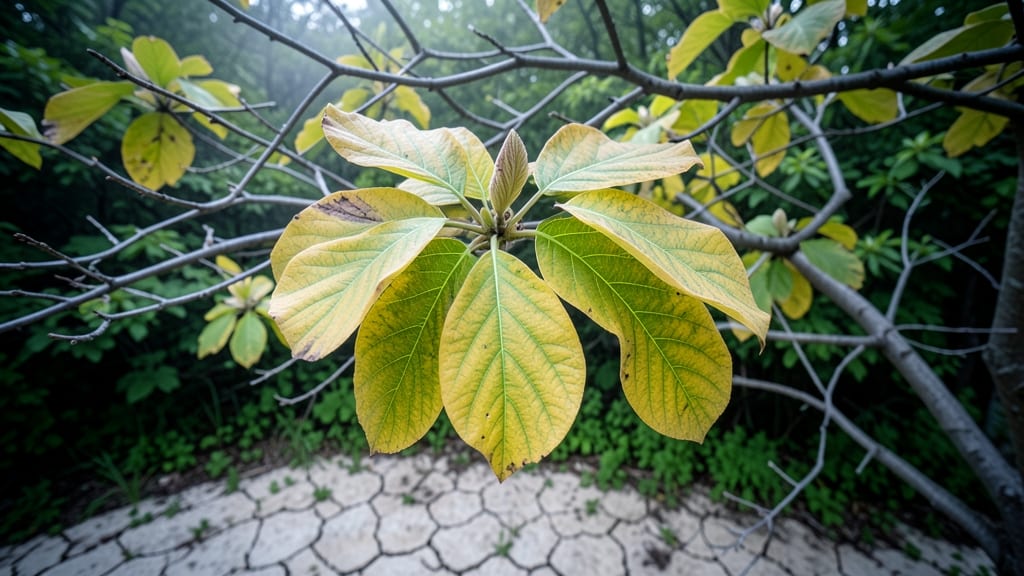
Eastern redbud trees (Cercis canadensis) brighten spring gardens with stunning pink blooms, but their leaves often face hidden threats. Learn to identify and treat these 10 common leaf problems before they weaken your tree’s health or beauty.
Yellowing Leaves from Overwatering
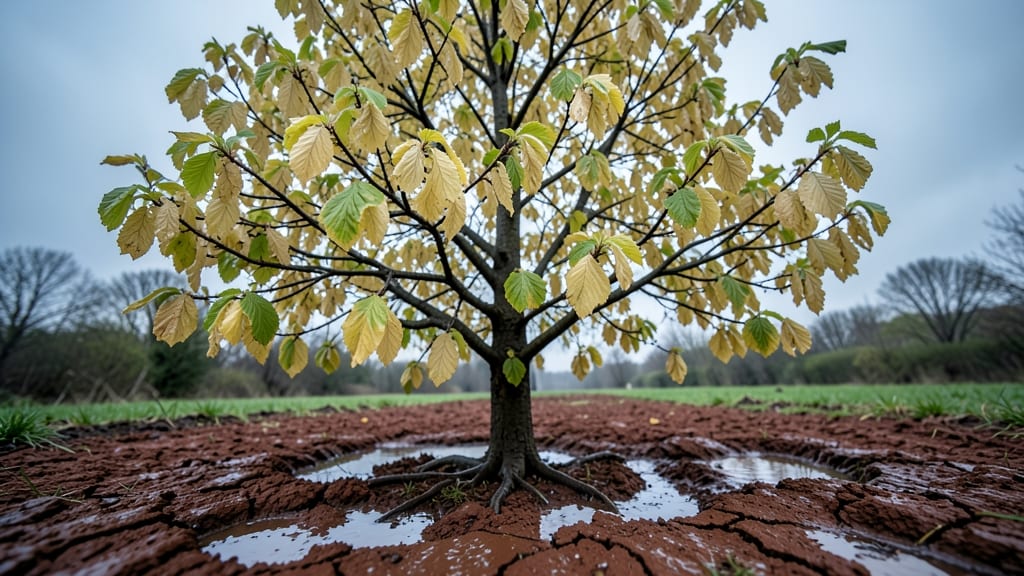
If your eastern redbud leaves are turning yellow—especially in clay-heavy soil or after heavy rains—you’re likely dealing with overwatering, not drought. The problem starts when soggy soil suffocates roots, cutting off oxygen and nutrients, which the tree can’t replace fast enough.
Look for dark brown spots near leaf edges or stems, combined with wilting despite moist soil. To fix it, reduce watering immediately and improve drainage by amending soil with compost or sand. If the tree is in a low spot, consider raising the planting area or installing a French drain. Mulch around the base (but keep it 6 inches from the trunk) to regulate soil moisture.
This issue is especially critical for gardeners in clay-heavy regions like the Midwest or Southeast, where water pools easily. Catching it early prevents root rot, which can be fatal. 🌱
Powdery Mildew Fungal Spots
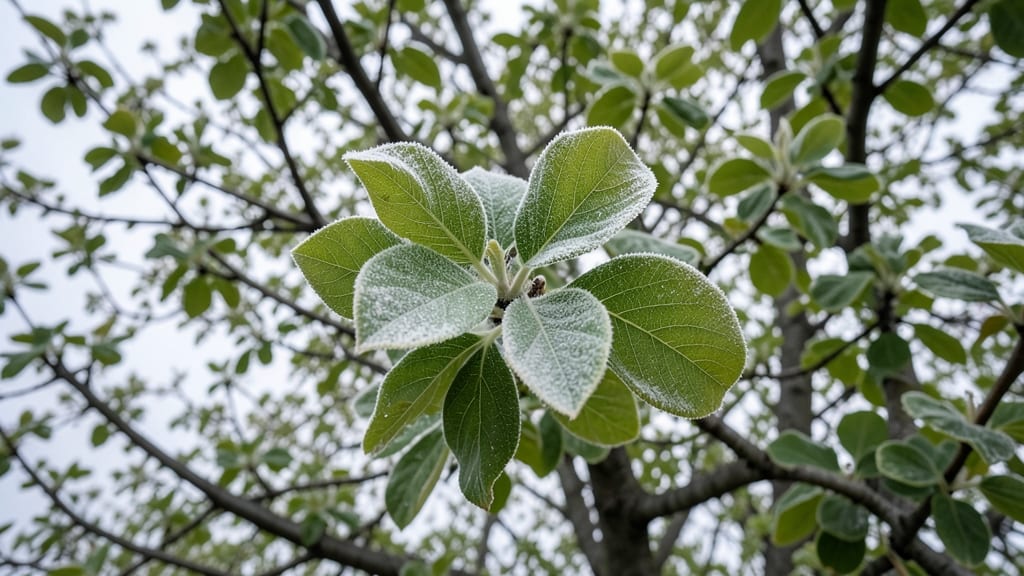
If your eastern redbud leaves are suddenly dusted with white powder during those muggy summer days, you’re likely dealing with powdery mildew—a fungal foe that thrives in humidity and blocks sunlight from reaching your tree’s leaves.
This fungal infection starts as small white spots on the upper leaves but quickly spreads into a chalky blanket, weakening the tree by reducing its ability to photosynthesize. For organic gardeners, the key is prevention: space trees for good airflow, water at the base (not overhead), and apply a mix of baking soda spray (1 tsp baking soda + 1 quart water + a drop of soap) every 7–10 days during outbreaks.
This issue is especially tricky for gardeners in humid climates or those avoiding chemical sprays, but catching it early makes all the difference. 🌱
Japanese Beetle Leaf Skeletons
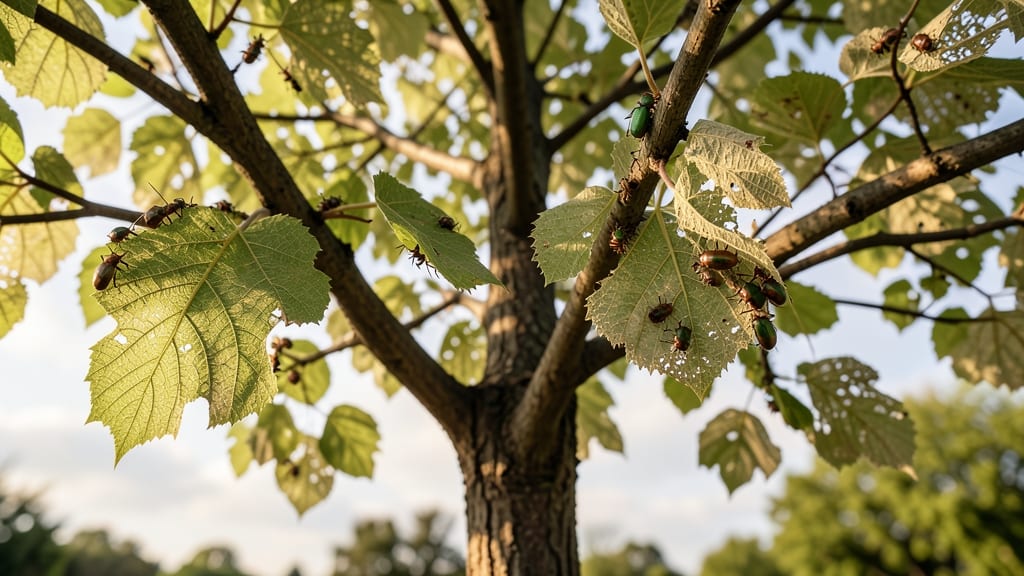
If your eastern redbud leaves look like delicate lace curtains, Japanese beetles are likely the culprits. These metallic-green invaders target mature trees in late summer, chewing between leaf veins while leaving the sturdy framework intact—creating those signature "skeletons."
Look for the beetles themselves (1/2-inch long, with coppery wings) clustered on leaves or flowers between July and September. Handpick them early in the morning when they’re sluggish, or use neem oil sprays (reapply every 7-10 days). For severe infestations, wrap tree trunks with sticky bands to trap emerging beetles.
Urban gardeners with mature redbuds in sunny yards are prime targets—these beetles favor well-established trees. Act fast, as repeated defoliation weakens the tree’s ability to store energy for next year’s blooms. 🌻
Anthracnose Leaf Spots
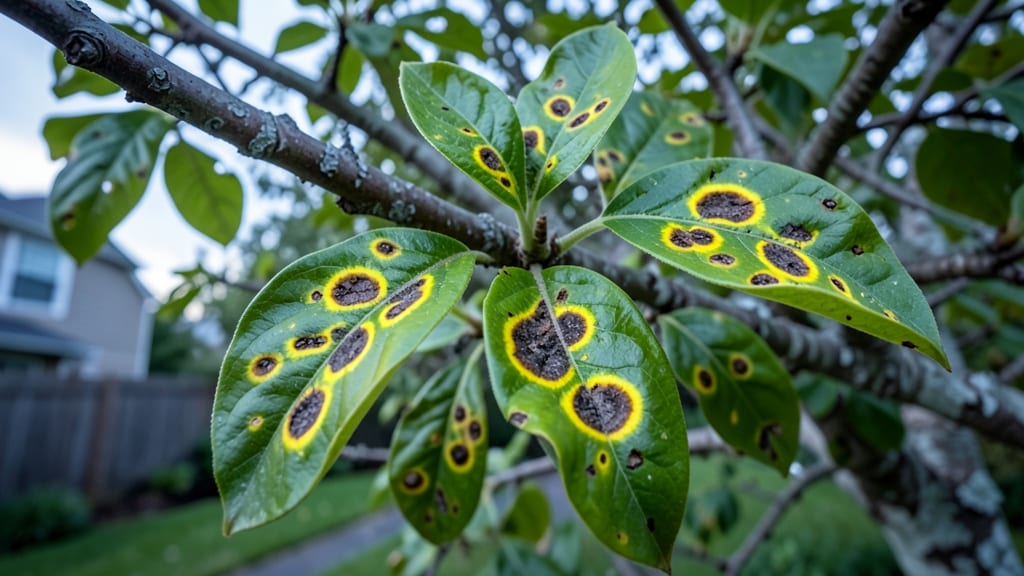
After a soggy spring, your eastern redbud leaves may develop dark, sunken spots with bright yellow halos—this is anthracnose, a fungal disease that thrives in the humid Southeast. Unlike powdery mildew, these spots often appear on both leaf surfaces and can spread quickly if left unchecked, turning entire leaves brown and crispy.
To stop the spread, prune infected leaves as soon as you spot them and improve airflow around the tree by thinning dense branches. Fungicides containing copper or potassium bicarbonate work well for organic gardeners, while chemical options like chlorothalonil provide faster control. Water at the base—never overhead—to keep leaves dry, which is key to preventing future outbreaks.
This disease is especially troublesome for gardeners in zones 6-9, where wet springs are common. Catching it early and maintaining good hygiene (sterilizing pruners between cuts) can save your redbud’s foliage and keep those spring blooms vibrant. 🌟
Aphid Infestations on New Growth
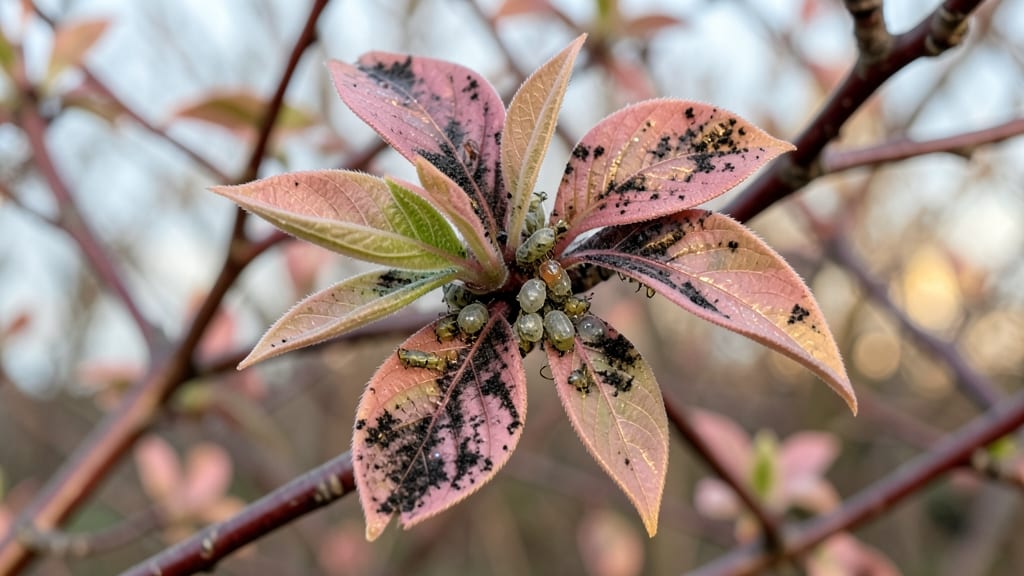
Early spring’s tender eastern redbud leaves are aphids’ favorite buffet, and their sticky honeydew residue turns into a secondary problem: sooty mold. This black fungal growth coats leaves, blocking sunlight and stunting new shoots before they even reach their full potential.
Check for clusters of tiny green or black aphids on young leaves and stems, especially along the undersides. The real damage comes when their honeydew feeds sooty mold, creating a grimy, velvety film that suffocates foliage. Act fast by spraying leaves with a strong stream of water to dislodge aphids, or apply insecticidal soap—organic gardeners’ go-to for this early-season pest.
This issue hits hardest in early spring when new growth emerges, making it a top concern for gardeners eager to preserve their tree’s vibrant foliage. Regular inspections during bud break can save your redbud from a season of weakened growth. 🌱
Edge Burn from Drought Stress
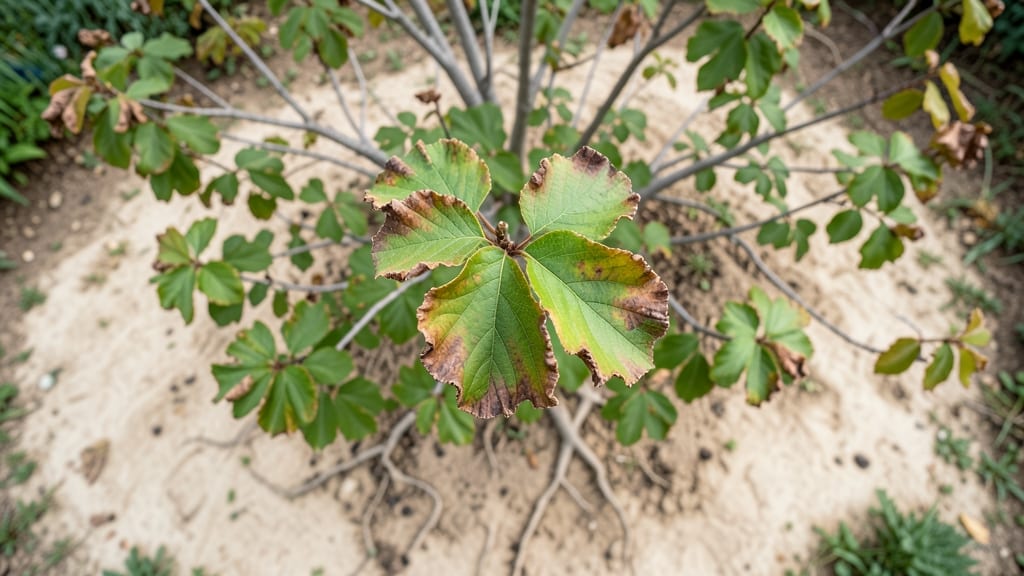
If your eastern redbud leaves are developing brown, crispy edges while the centers stay green, you’re likely dealing with edge burn from drought stress. This common issue occurs when roots struggle to reach moisture, especially in sandy or fast-draining soils common in the Midwest and other dry climates.
To fix it, water deeply once a week (or more in extreme heat) to encourage roots to grow deeper. A 2-3 inch layer of mulch helps retain moisture and protect roots from drying winds. Avoid shallow watering, which only wets surface soil and worsens the problem. If your soil drains too quickly, consider amending it with compost to improve moisture retention.
This issue is particularly tricky for gardeners in urban areas with limited irrigation access or those with sandy native soils. Catching it early prevents leaf drop and keeps your redbud thriving. 💪
Scale Insect Shells on Stems
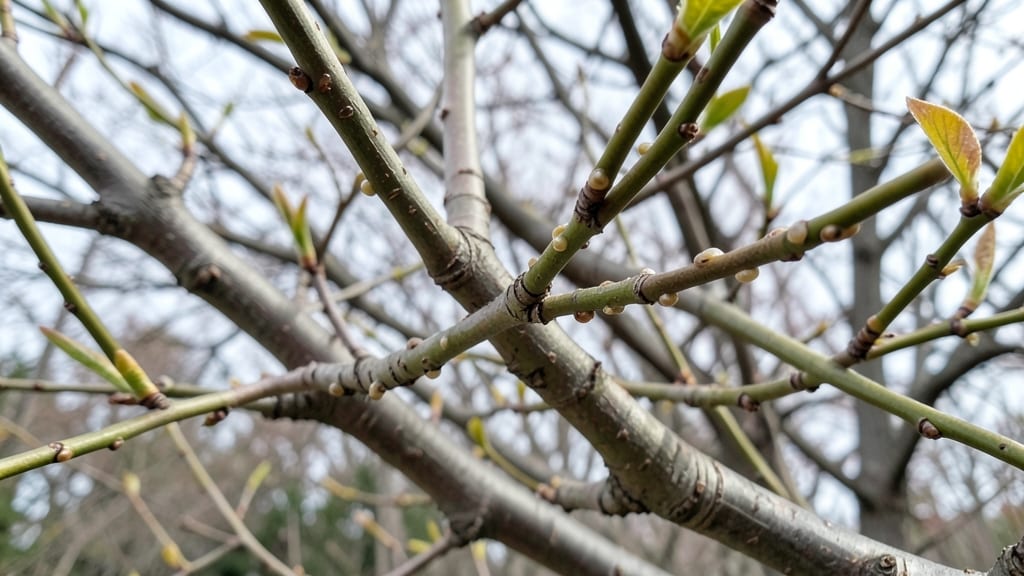
Those tiny, waxy bumps clinging to your eastern redbud’s branches and leaf stems might look harmless, but scale insects are silently draining your tree’s vitality. Unlike pests that attack leaves, these sap-suckers hide in plain sight on stems, often overlooked until the tree shows signs of stress.
Scale insects appear as brown, white, or black shell-like bumps (immobile adult females) along stems, buds, or even leaf undersides. They excrete sticky honeydew, which attracts sooty mold and weakens the tree over time. Prune infested branches in late winter or early spring, then apply horticultural oil or insecticidal soap to smother them—avoid chemical sprays during bloom to protect pollinators.
This pest thrives in drought-stressed trees, so deep watering and mulching can deter infestations. Gardeners with mature redbuds in dry climates should inspect stems regularly—early action prevents widespread damage. 💡
Leaf Scorch from Heat Stress
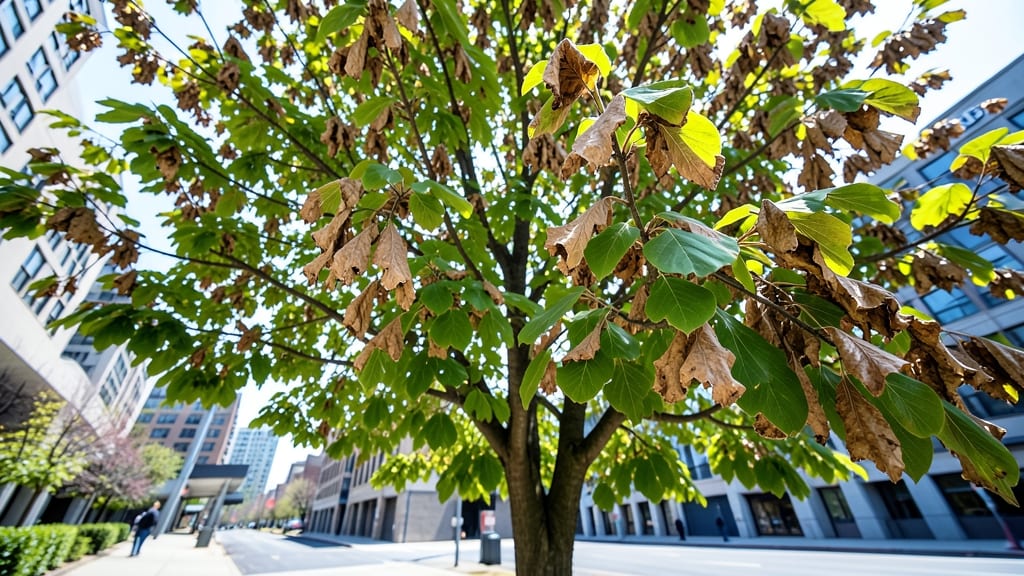
If your eastern redbud leaves are developing crispy, brown patches during summer heatwaves—especially on the south-facing side—you’re likely dealing with leaf scorch. This condition thrives in urban environments where shade is scarce, turning vibrant foliage into papery, dead-looking patches that can’t recover.
Leaf scorch occurs when intense sunlight and high temperatures cause rapid water loss in leaves faster than roots can replace it. Unlike drought stress (which affects edges), scorch starts in leaf centers and spreads outward. To help your tree, water deeply at the base of the trunk during heatwaves and mulch heavily to retain moisture. Avoid overhead watering, which can worsen evaporation.
This problem is particularly frustrating for city gardeners with limited shade options, but proper care can keep your redbud thriving. 💡
Rust Fungus Orange Pustules
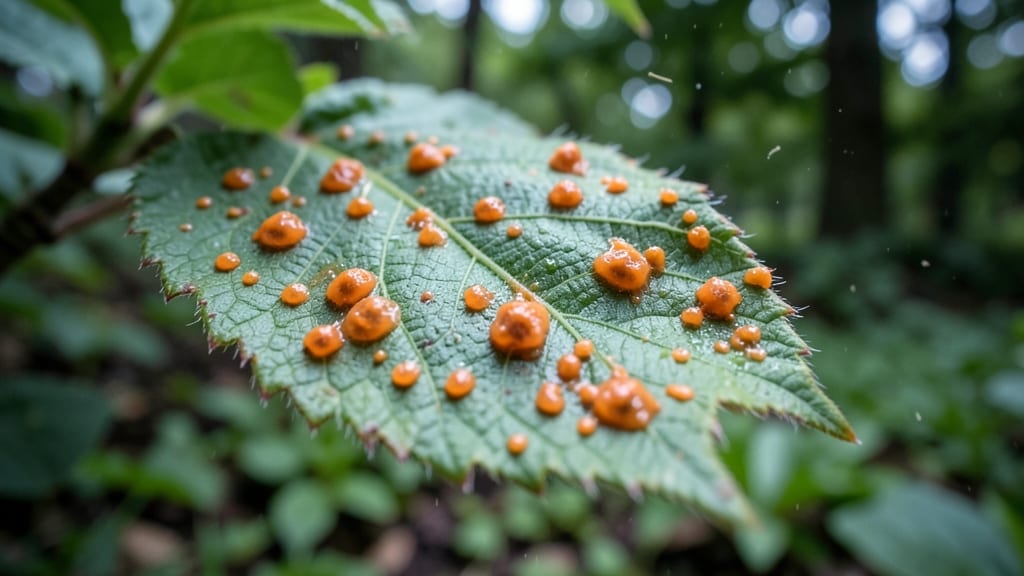
If you’ve noticed orange, blister-like pustules on the undersides of your eastern redbud leaves, you’re likely dealing with rust fungus—a sneaky disease that thrives in damp, shaded spots like wooded gardens. Unlike other leaf issues, rust spreads effortlessly via wind, turning vibrant foliage into a weakened, yellowing mess by summer.
To tackle it, prune infected leaves immediately and improve airflow by thinning dense branches. For organic control, spray leaves with a neem oil mixture every 7–10 days during wet periods, as copper fungicides work but may harm beneficial insects. Avoid overhead watering, which fuels spore spread. This fungus is most aggressive in spring and fall, so monitor leaves closely during these seasons.
Woodland gardeners and those with mature redbuds in shaded areas should prioritize this check—rust can reduce flowering and overall vigor if left unchecked. Early action keeps your tree’s signature pink blooms thriving next spring. 🌟
Nutrient Deficiency Yellowing

When your eastern redbud leaves turn a pale, uniform yellow while keeping their green veins, it’s your tree’s way of screaming, "I’m starving!"—likely from iron, magnesium, or nitrogen deficiency, especially in alkaline soils. Unlike other issues, this chlorosis isn’t random; it’s a clear nutrient SOS.
Start by testing your soil’s pH—if it’s above 7.0, the alkaline conditions lock out iron and magnesium. For quick fixes, apply chelated iron (like iron sulfate) or Epsom salt (for magnesium) around the root zone, then water deeply. Nitrogen deficiencies respond well to compost or slow-release organic fertilizers. Monitor young leaves first—they’re the most sensitive to nutrient changes.
This is a game-changer for gardeners who test their soil regularly but still see yellowing. With the right amendments, your redbud’s foliage can bounce back to vibrant green in just a few weeks. 💚