
Leaf Blower
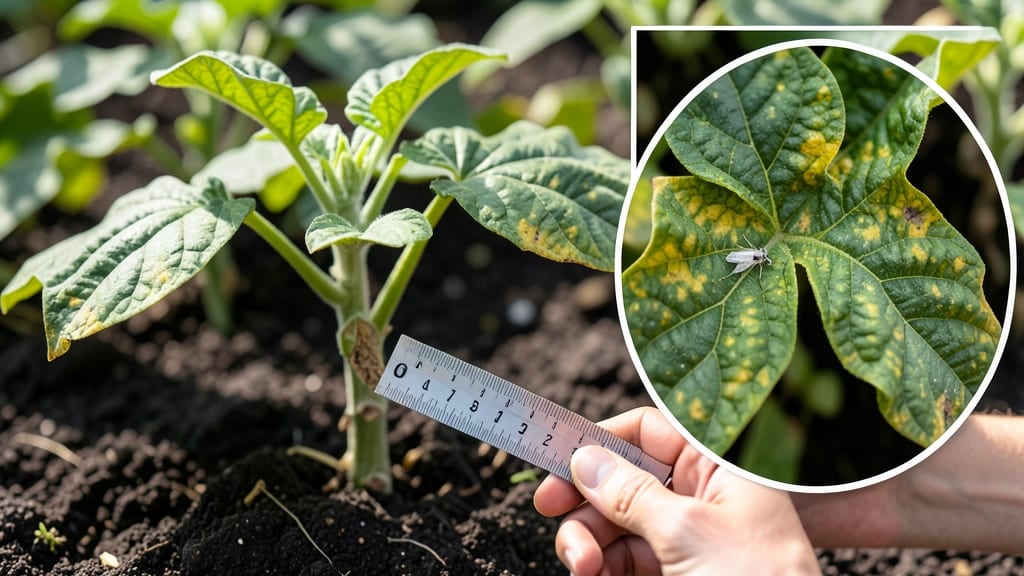
Eggplant leaf curl virus turns healthy plants into twisted, stunted messes overnight. 🌿 I’ve watched entire crops collapse from this stubborn virus, but there’s hope—organic solutions that actually work without poisoning your soil or your harvest.
The first step is spotting the symptoms early: curled leaves, yellowing veins, and stunted growth. Many gardeners mistake it for nutrient deficiency or heat stress, but this virus spreads through aphids and survives in infected plant debris. The key is acting fast before it takes hold.
With neem oil sprays, reflective mulch, and removing infected plants immediately, you can break the cycle. My eggplants now stay lush and productive, with no signs of curl—just healthy, vibrant growth all season long. This method works for outdoor gardens, raised beds, and even container growing.
Let’s get those plants thriving again without harsh chemicals.
Root Causes Of Viral Spread
Understanding why eggplant leaf curl virus (ELCV) takes hold in your garden starts with uncovering its sneaky entry points and survival strategies. This stubborn pathogen doesn’t just appear—it thrives on specific conditions and vectors.
Below, we break down the key triggers that turn your healthy crops into viral hotspots, so you can prevent (not just treat) the problem.
The primary culprit behind ELCV spread is the Bemisia tabaci whitefly, a tiny, sap-sucking insect that’s harder to spot than it is destructive. Here’s how it works:
- Viral Transmission: Whiteflies don’t just feed—they inject the virus into plant tissues while piercing leaves. Unlike other pests, they can transmit ELCV instantly during feeding, even if they’ve previously fed on an infected plant.
- Persistent Spread: Once a whitefly picks up the virus, it carries it for life. This means a single infested plant can turn your entire garden into a viral breeding ground within weeks.
- Peak Risk Zones:
- Greenhouses (where warm, humid conditions boost whitefly populations).
- Regions with hot, dry summers (whiteflies love heat and thrive in drought-stressed plants).
- Overcrowded plantings (limited airflow = more hiding spots for pests).
Actionable Fix: Monitor whitefly activity with yellow sticky traps and remove infected plants immediately—even if they’re not yet showing symptoms.
ELCV doesn’t just attack healthy plants—it exploits them. Stressed or compromised plants are 10x more susceptible to viral takeovers. Here’s what makes them vulnerable:
| Stress Factor | How It Helps the Virus | Prevention Tip |
|---|---|---|
| Nutrient Deficiencies | Plants low in phosphorus or potassium have thinner cell walls, making it easier for whiteflies to inject the virus. | Use balanced organic fertilizers (like compost tea or fish emulsion) to strengthen plant defenses. |
| Water Stress | Drought or overwatering disrupts plant metabolism, reducing its ability to repel pests and viruses. | Mulch with straw or wood chips to retain moisture and avoid soggy soil. |
| Physical Damage | Broken leaves or stems create entry points for whiteflies, increasing viral transmission. | Prune plants gently with sterilized tools and avoid rough handling during harvest. |
| Pest Damage | Other insects (like aphids or spider mites) weaken plants, making them easier targets for ELCV. | Use neem oil or insecticidal soap to control secondary pests before whiteflies arrive. |
Pro Tip: 💡 Hardened plants fight better. Rotate crops annually to deplete soil-borne pathogens and avoid planting eggplants (or related nightshades like tomatoes) in the same spot for 3+ years.
ELCV isn’t just about pests—it’s also about weather patterns that create the perfect storm for viral spread. These conditions accelerate the problem:
- High Temperatures (80–95°F):
- Whiteflies breed faster in heat, increasing viral transmission rates.
- Plants transpire more, becoming more attractive to feeding insects.
- Low Humidity:
- Dry air stresses plants, weakening their natural defenses.
- Whiteflies prefer dry conditions and cluster on undersides of leaves.
- Sudden Rain After Drought:
- Rapid moisture changes shock plants, making them temporarily more vulnerable.
- Flooding can wash away beneficial microbes in soil, reducing plant resilience.
Climate Hack: 🌡️ If you’re in a hot, dry region, grow eggplants in partial shade (using shade cloth) to lower whitefly activity by 30–50%.
Sometimes, the virus hitches a ride on human error. Here’s how:
- Infected Seedlings:
- Buy seedlings from reputable nurseries that test for viruses.
- Avoid grafted plants if the rootstock is unknown (some viruses hide in root systems).
- Dirty Pruning Tools:
- Sap from infected plants can carry the virus to healthy ones via contaminated blades.
- Solution: Sterilize tools with 70% rubbing alcohol or a 10% bleach solution between uses.
- Reused Soil or Compost:
- Old soil may contain whitefly eggs or viral particles that survive winter.
- Fix: Solarize soil in clear plastic for 4–6 weeks before planting.
Remember: ✨ Prevention is cheaper than cure. If you’ve had ELCV in your garden before, start fresh—don’t reuse containers, soil, or tools from last season.
How to Treat & Prevent Crop Damage
When your eggplants start showing curled leaves, yellowing veins, or stunted growth, it’s a clear sign of a viral threat—but don’t panic! While eggplant leaf curl virus (ELCV) can’t be cured once it infects your plants, you can stop its spread and protect future harvests with these practical, organic solutions.
Below, we break down the most common causes and their fixes, plus prevention tips to keep your garden healthy.
Cause: Once a plant is infected, the virus spreads rapidly to others via sap, insects (like whiteflies), or even contaminated tools.
Fix:
- 🔪 Snip and toss infected plants (including roots) in sealed bags—do not compost them.
- 🌱 Quarantine healthy-looking plants nearby for 2–3 weeks to monitor for new symptoms.
- 🧼 Sterilize pruners with rubbing alcohol (70%+) between cuts to prevent accidental spread.
Pro Tip: 💡 If you’re unsure whether a plant is infected, isolate it in a separate area until you confirm.
Cause: Whiteflies, aphids, and leafhoppers transmit ELCV while feeding. A single infected insect can ruin an entire crop.
Fix:
- 🕷️ Introduce natural predators like ladybugs, lacewings, or parasitic wasps (e.g., Encarsia formosa).
- 🌿 Use neem oil spray (1 tbsp neem oil + 1 tsp mild soap per quart of water) to smother insects and disrupt their life cycle. Spray early morning or evening to avoid harming beneficial bugs.
- 📜 Cover young plants with fine mesh netting (like row covers) to block insects entirely.
Pro Tip: 🌡️ Yellow sticky traps can catch whiteflies before they spread—place them near infected areas.
Cause: Weak, stressed plants are more susceptible to viral infections. Poor soil health, overcrowding, or nutrient deficiencies open the door to pests and disease.
Fix:
- 💧 Water deeply but infrequently—ELCV thrives in stressed plants, so avoid overhead watering (which spreads viruses).
- 🌿 Improve soil health with compost, worm castings, and balanced organic fertilizer (like fish emulsion or banana peel tea for potassium).
- 🌱 Space plants properly (18–24 inches apart) to boost airflow and reduce humidity, which pests love.
- 🌿 Interplant with resistant crops like marigolds, basil, or nasturtiums—they repel whiteflies and improve garden biodiversity.
Pro Tip: ✨ Mulch with straw or grass clippings to retain moisture and suppress weeds (which harbor pests).
Cause: Shared tools, shoes, or even wind can carry viral particles from infected to healthy plants.
Fix:
- 🧴 Clean tools between gardens with a 10% bleach solution (1 part bleach to 9 parts water) or 70% rubbing alcohol.
- 👟 Disinfect footwear if moving between infected and clean areas.
- 🌱 Rotate crops—don’t plant eggplants, tomatoes, or peppers in the same spot for at least 3 years to break the virus cycle.
Pro Tip: 🎯 Solarize soil in late summer: Cover infected beds with clear plastic for 4–6 weeks to kill viruses and pests naturally.
To completely eliminate ELCV risks in future seasons: ✅ Buy certified disease-free seedlings from reputable nurseries. ✅ Test new plants for viruses before introducing them to your garden. ✅ Monitor whitefly populations year-round—even in winter, they can hide in greenhouses or nearby weeds. ✅ Practice crop rotation and avoid planting susceptible crops (eggplant, tomato, pepper) in infected soil for at least 3 years.
Final Reminder: While you can’t reverse an infection, these steps stop the spread and protect your garden’s future. Stay vigilant, and your eggplants will thrive—without the curl! 🍆✨
Frequently asked questions
Can eggplant leaf curl virus affect other plants in my garden?
Yes, this virus primarily targets nightshades like tomatoes, peppers, and potatoes, but can spread to other plants through whitefly vectors. The key is removing infected plants immediately and monitoring nearby crops—especially those in the same family—to prevent cross-contamination.
How long does it take for symptoms to appear after infection?
Symptoms typically show within 2-4 weeks after infection, but can take as little as 7-10 days in hot, dry conditions. Early signs include slight leaf curling and yellowing between veins—don't wait for severe curling before acting, as the virus spreads rapidly.
Will removing infected plants completely eliminate the virus?
No, removing infected plants stops further spread but doesn't eliminate the virus from your garden. Whiteflies can carry the virus for life, and viral particles may remain in soil. Combine removal with soil solarization and crop rotation to fully break the cycle over 2-3 seasons.
Can I still harvest from plants showing early symptoms?
No, never harvest from infected plants—even early-stage symptoms indicate the virus is present. The virus can contaminate fruits, and harvesting spreads sap that may infect other plants. Remove the entire plant (roots and all) to prevent further contamination.
What's the difference between leaf curl virus and nutrient deficiency?
Leaf curl virus causes uneven curling with yellowing between veins, while deficiencies like nitrogen lack cause general yellowing (chlorosis) without curling. The key difference: viral symptoms appear on new growth first and spread upward, while deficiencies affect older leaves first.