
Pests and Diseases
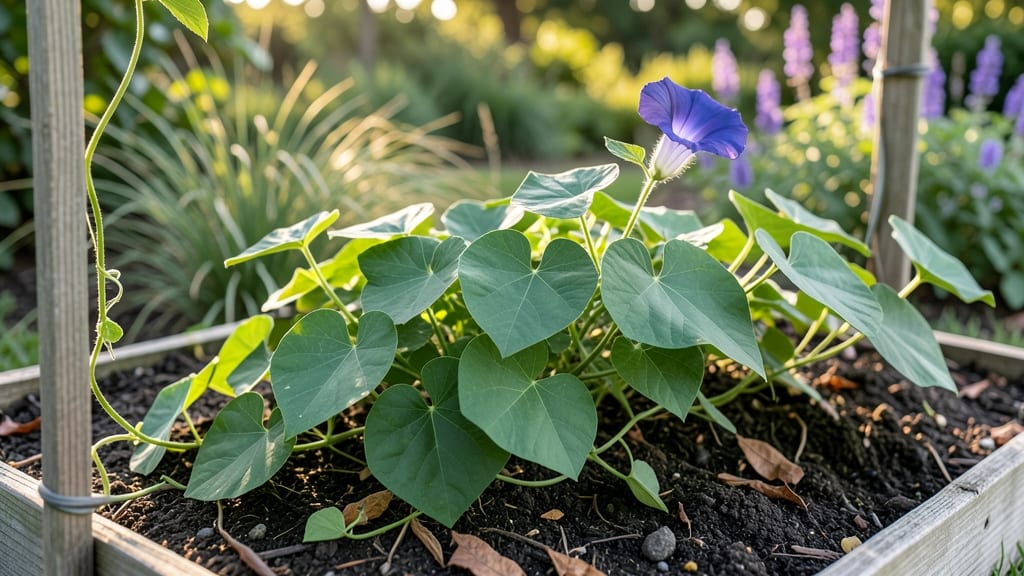
Growing entire leaf morning glory delivers vibrant summer drama in just 30 days—its deep green, heart-shaped leaves and sky-blue trumpet blooms transform any fence or trellis into a living tapestry. 🌿 I planted mine last spring after years of admiring neighbors' lush vines, and within weeks, the porch was draped in blooms that hummingbirds couldn't resist.
This isn't your average morning glory; its smooth-edged leaves (no lobes) and rapid growth make it a standout for both beauty and low-maintenance charm.
The secret to its speed lies in full sun and rich soil—it thrives in average garden dirt but rewards you with 6-foot vines when given room to climb.
Water consistently (about 1 inch per week) to keep those trumpet-shaped flowers popping, and watch for powdery mildew if humidity spikes—just a quick spray of neem oil keeps it at bay.
Unlike some varieties, entire leaf morning glory handles heat and drought surprisingly well once established, making it perfect for hot climates or forgetful gardeners.
By midsummer, you'll have a nonstop floral show that attracts pollinators and adds whimsical texture to any space. The blooms last just one day (hence "morning" glory), but new flowers open daily until frost—no deadheading required.
Prune leggy growth in early summer to encourage bushier vines, and save seeds from dried pods for next year's instant garden drama. This plant is the ultimate "plant once, enjoy all season" vine.
Works beautifully in containers (train on a trellis) or as a ground cover in sunny borders, though it's best known for its climbing habits. Whether you're dressing up a balcony or filling a bare fence, this variety delivers fast, foolproof results with minimal effort. Let's get those vines growing!
📚 In This Guide
- What you need
- Instructions
- Tips and common mistakes
- Wrapping up and next steps
What you need
- ● Entire Leaf Morning Glory Seeds (Ipomoea hederacea) – 50+ seeds (fast-growing, so extra ensures full coverage).
- ● Well-draining potting mix – 10+ gallons (or garden soil amended with compost).
- ● Garden trellis, fence, or sturdy support – 6+ feet tall (metal, wood, or bamboo).
- ● Watering can or hose – with adjustable nozzle for gentle hydration.
- ○ Organic fertilizer (balanced, 10-10-10 or similar) – 1 lb per 100 sq ft (optional but recommended for vigor).
- ● Mulch (straw or shredded leaves) – 2-3 inches thick to retain moisture and deter weeds.
- ● Gloves – gardening or work gloves (to protect from thorns and soil).
- ● Hand trowel or transplanting spade – for seedling transfer (if starting indoors).
- ● Pruning shears – sharp and sterilized (for trimming dead growth or pests).
- ● Neem oil or insecticidal soap – pre-mixed spray (for preventive pest control).
- ● Sunny location – 6+ hours of direct sunlight daily (partial shade tolerated but reduces vibrancy).
- ● Patience (and a camera!) – Seeds sprout in 7-14 days; full bloom in 60-90 days.
- ● Slow-release fertilizer tablets – for nutrient boosts without overwatering.
- ● Garden stakes with plant ties – to guide vines early on.
- ● Pest-repellent companion plants – marigolds or basil nearby to deter aphids.
- ● Drip irrigation kit – for automated, consistent watering.
Step-by-step guide to growing entire leaf morning glory
Here's how to cultivate this stunning vine for rapid, eye-catching vertical impact in your garden.
🌱 Step 1: Choose the Perfect Planting Location
Entire leaf morning glory thrives in full sun—at least 6-8 hours daily. I always pick a spot near a sturdy trellis, fence, or pergola where the vine can climb 10-15 feet in a single season. The key is ensuring the support structure is already in place before planting, as these vines grow aggressively and won't wait for you to install one later.
Morning glories prefer well-draining soil with a slightly acidic to neutral pH (6.0-7.0). If your soil is heavy clay, amend it with 2-3 inches of compost mixed into the top 6 inches of soil. You'll know you've got the right conditions when the soil feels light and crumbly—like a well-aerated cake mix—rather than dense and compact.
🌱 Step 2: Plant Seeds at the Right Time and Depth
Direct-sow seeds 1-2 weeks after your last frost date when soil temperatures reach at least 60°F. Morning glories are frost-sensitive, so don't rush—waiting ensures strong, vigorous growth. Plant seeds ½ inch deep and 6 inches apart in rows spaced 18 inches apart to allow for proper air circulation and reduce disease risk.
I like to plant seeds in small clusters of three, then thin to the strongest seedling once they reach 2 inches tall. This gives you a head start on full coverage. Water gently after planting to settle the soil around the seeds, but avoid soaking—morning glories need consistent moisture but hate soggy conditions.
☀️ Step 3: Provide Consistent Moisture and Support
Keep the soil evenly moist but not waterlogged during the growing season. Morning glories are drought-tolerant once established, but young plants need 1 inch of water weekly to encourage strong vine development. You'll know you're watering correctly when the top 1-2 inches of soil feel damp but not saturated.
As soon as the vines reach 6 inches tall, guide them onto their support structure. I gently wrap the tendrils around the trellis or fence using soft garden twine if needed—never force them, as this can damage delicate stems. Watch for the first blooms to appear 60-70 days after planting, signaling that your plant is thriving and ready for its rapid growth spurt.
✂️ Step 4: Prune and Maintain for Continuous Bloom
Deadhead spent blooms regularly to encourage more flowers and prolong the flowering season. Morning glories are self-seeding, so you'll often see new plants popping up in subsequent years—just thin them to maintain healthy spacing. I also remove any yellowing or diseased leaves immediately to prevent the spread of issues.
Fertilize lightly with a balanced, water-soluble fertilizer (10-10-10) every 4-6 weeks during the growing season. Too much fertilizer can lead to lush foliage but fewer blooms, so err on the side of caution. You'll notice the best blooms come when the plant is slightly stressed—just enough to push it to produce those stunning flowers.
⏰ Step 5: Prepare for Winter and Next Season
Morning glories are annuals, so they'll die back with the first frost. However, they self-seed prolifically, so you'll likely have volunteers popping up in spring. If you want to control where they grow, collect seeds from the dried pods before they release—each pod contains 2-4 seeds ready for next year's planting.
In colder climates, you can extend the season by planting seeds indoors 8-10 weeks before the last frost and transplanting seedlings outdoors once temperatures warm. The key is to keep them growing aggressively, as morning glories reward fast, dramatic growth with an equally dramatic display of blooms.
Tips & tricks for perfect entire leaf morning glory growth
These game-changing insights will help you transform your garden into a vertical masterpiece with minimal effort—because speed is everything with these dramatic climbers!
Sunlight Strategy: While morning glories thrive in full sun (6-8 hours daily), they can tolerate partial shade if you're in a hot climate. The key is to position them where they'll receive the most sunlight during their critical growth phase—those first 60 days after planting. I've seen vines in partial shade still climb 10 feet, but the blooms will be fewer and less vibrant. For maximum drama, prioritize that southern exposure, especially in cooler regions.
Soil Preparation Secret: The 2-3 inches of compost mixed into your top 6 inches of soil isn't just about drainage—it's about creating the perfect microbial ecosystem. These vines develop mycorrhizal relationships with soil fungi that boost nutrient uptake. To supercharge this, add a handful of worm castings to your planting hole. The worms will create channels that improve root penetration, helping your vines establish faster and reach that 10-15 foot height more aggressively.
Watering Wisdom: That 1 inch of water weekly guideline works perfectly, but timing matters more than quantity. Water in the morning so the foliage has all day to dry, preventing fungal issues. I've found that mulching with straw around the base helps maintain consistent moisture while discouraging weeds. The goal is to keep those top 1-2 inches of soil consistently damp—not soggy—throughout the growing season. Overwatering is the fastest way to stunt their dramatic growth spurt.
Bloom Extension Hack: The 60-70 day window to first blooms is exciting, but you can push that flowering season even further. After your initial blooms appear, I recommend a second round of light fertilization (half-strength 10-10-10) about 8 weeks later. This triggers a second flush of flowers just as summer starts winding down. The trick is to stop fertilizing once you see new buds forming—this prevents the plant from putting all its energy into leaves instead of those stunning trumpet-shaped blooms.
Pro Tips for Entire Leaf Morning Glory
- These game-changing insights will help you transform your garden into a vertical masterpiece with minimal effort—because speed is everything with these dramatic climbers!
- Sunlight Strategy: While morning glories thrive in full sun (6-8 hours daily), they can tolerate partial shade if you're in a hot climate.
- Soil Preparation Secret: The 2-3 inches of compost mixed into your top 6 inches of soil isn't just about drainage—it's about creating the perfect microbial ecosystem.
Frequently asked questions
about entire leaf morning glory—here’s what gardeners and plant lovers ask most often! Whether you're troubleshooting issues or planning your next planting, we’ve got answers to keep your vines thriving.Is entire leaf morning glory toxic to pets or humans?
Yes, entire leaf morning glory (Ipomoea hederacea) contains mild toxins called glycosides, which can cause stomach upset if ingested in large amounts. While not deadly, symptoms like vomiting or diarrhea may occur. Keep it away from pets and children—opt for pet-safe alternatives like morning glory (Ipomoea nil) if needed!
How long does it take for entire leaf morning glory to grow and flower?
This fast-growing vine can sprout in 7–14 days and reach heights of 10–15 feet in a single season! Flowers typically appear 6–8 weeks after planting, with blooms lasting just one day (but new ones open daily). For continuous color, plant in succession every 2–3 weeks.
What pests or diseases commonly attack entire leaf morning glory?
Watch for aphids, spider mites, and Japanese beetles, which love the tender leaves. Powdery mildew can also appear in humid conditions. Prevent issues by:
- Pruning for airflow
- Spraying neem oil early
- Removing affected leaves immediately
Can entire leaf morning glory grow in containers or hanging baskets?
Use a large container (10+ gallons) with drainage and a trellis or tomato cage for support. Choose a fast-draining potting mix and fertilize lightly every 2–3 weeks. Just ensure it gets 6+ hours of sun daily—partial shade may reduce flowering.
What’s a good alternative if entire leaf morning glory spreads too aggressively?
If you want fast-growing, climbing vines but with less spread, try:
- Sweet potato vine (Ipomoea batatas) – Non-invasive, great for containers.
- Cypress vine (Ipomoea quamoclit) – Delicate flowers, self-seeds easily.
- Black-eyed Susan vine (Thunbergia alata) – Bright orange blooms, slower growth.
Wrapping up and next steps
Growing entire leaf morning glory is a rewarding way to add instant drama and color to your garden—even if you’re a beginner! 🌿 With the right materials and a watchful eye for pests and diseases, these vines will thrive and dazzle you with their rapid growth and stunning blooms.
Stay proactive in monitoring for common issues like aphids or powdery mildew, and don’t hesitate to prune or treat early to keep your plants healthy.
Now that you’re armed with the knowledge, why not take the next step? 🌱 Start small with a few plants, experiment with trellises or containers, and enjoy the process. Before you know it, your garden will be a vibrant, eye-catching showstopper—just like the pros! Happy gardening! 🌸